Full Article
about Arenas del Rey
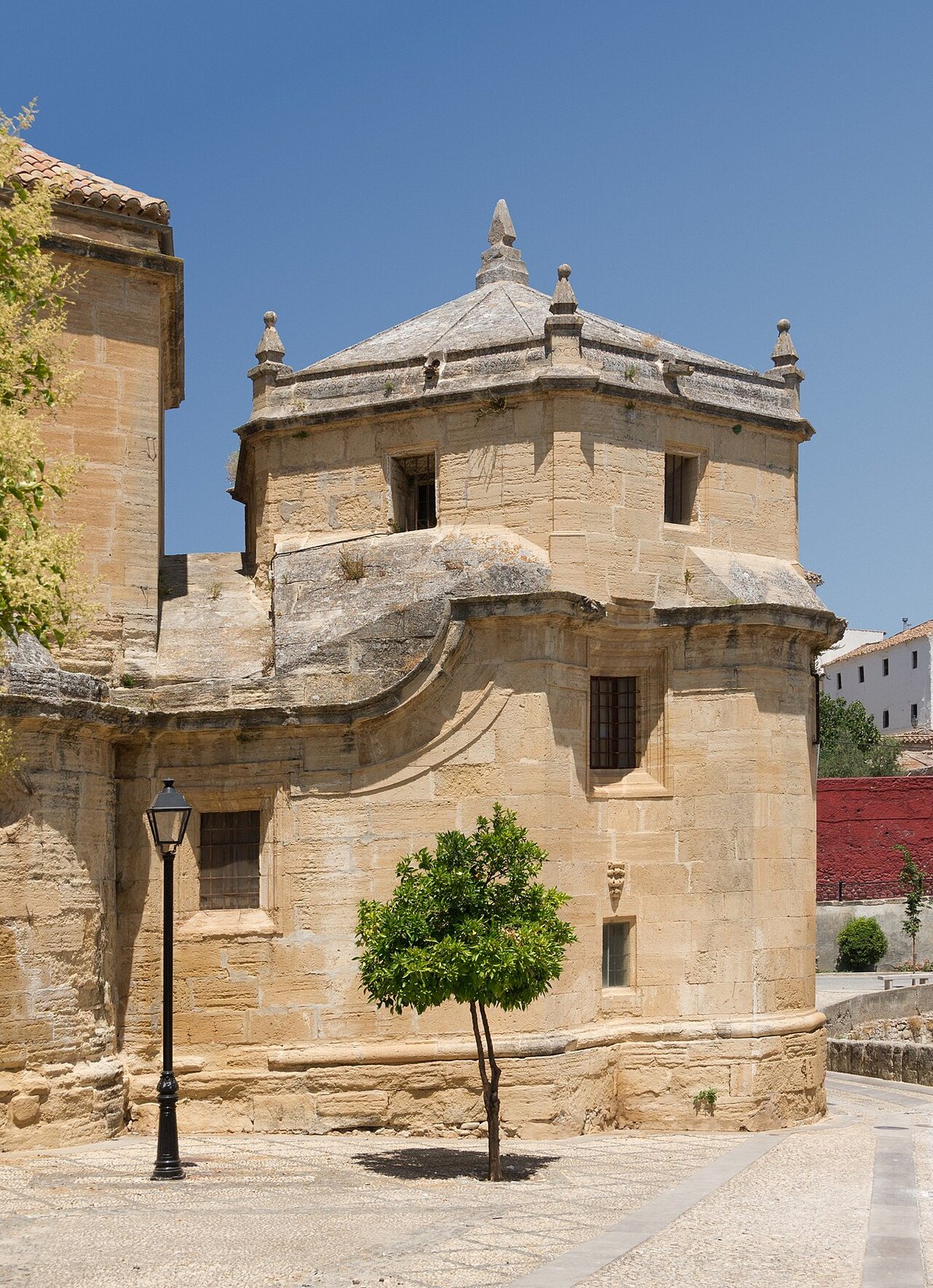
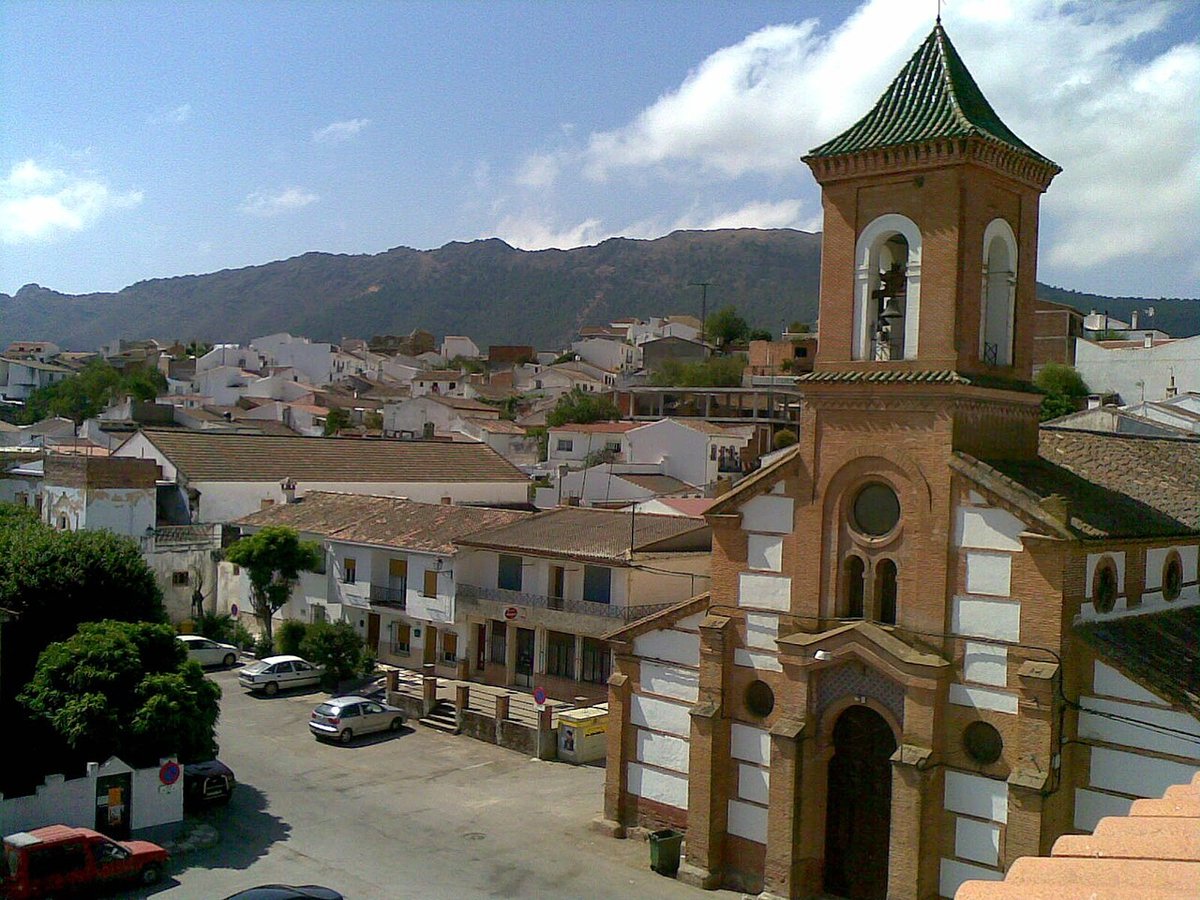
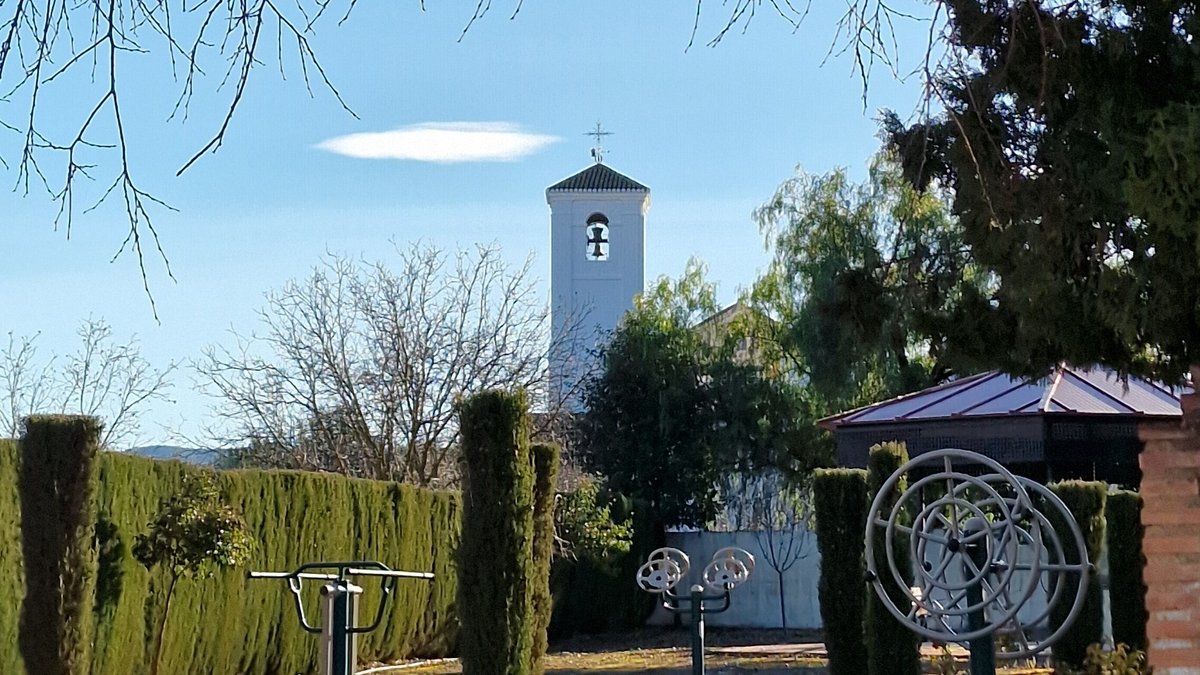
Located beside the Bermejales reservoir; rebuilt after the 1884 earthquake with a modern, orderly street plan.
Hide article Read full article
A village where the weather means business
Some places seem designed to keep meteorologists on their toes. Arenas del Rey, in the province of Granada, is one of them. When rain arrives here, it rarely drizzles politely. A weather front moves in properly, and it shows. Then the clouds clear and the sky turns that sharp, high-contrast blue you only seem to get in the hills, as if someone has adjusted the colour settings overnight.
This small Andalusian village, home to around six hundred residents for most of the year, sits between sierras and farmland. It does not shout for attention. There are no grand monuments drawing coach tours. Yet the rhythm of life here, shaped by landscape and memory, gives it a distinct personality.
The night everything changed
Arenas del Rey carries its history in its name. On the night of 25 December 1884, the ground shook violently. This was not a brief tremor to be discussed the following morning and forgotten. The earthquake left the village almost entirely in ruins. Houses collapsed, streets were left unrecognisable, and dozens of residents lost their lives.
Many places never truly recover from devastation on that scale. Arenas did. King Alfonso XII visited the area after the disaster and promoted the reconstruction of several affected villages. From that moment, the village became Arenas del Rey. Before the earthquake, it had simply been Arenas.
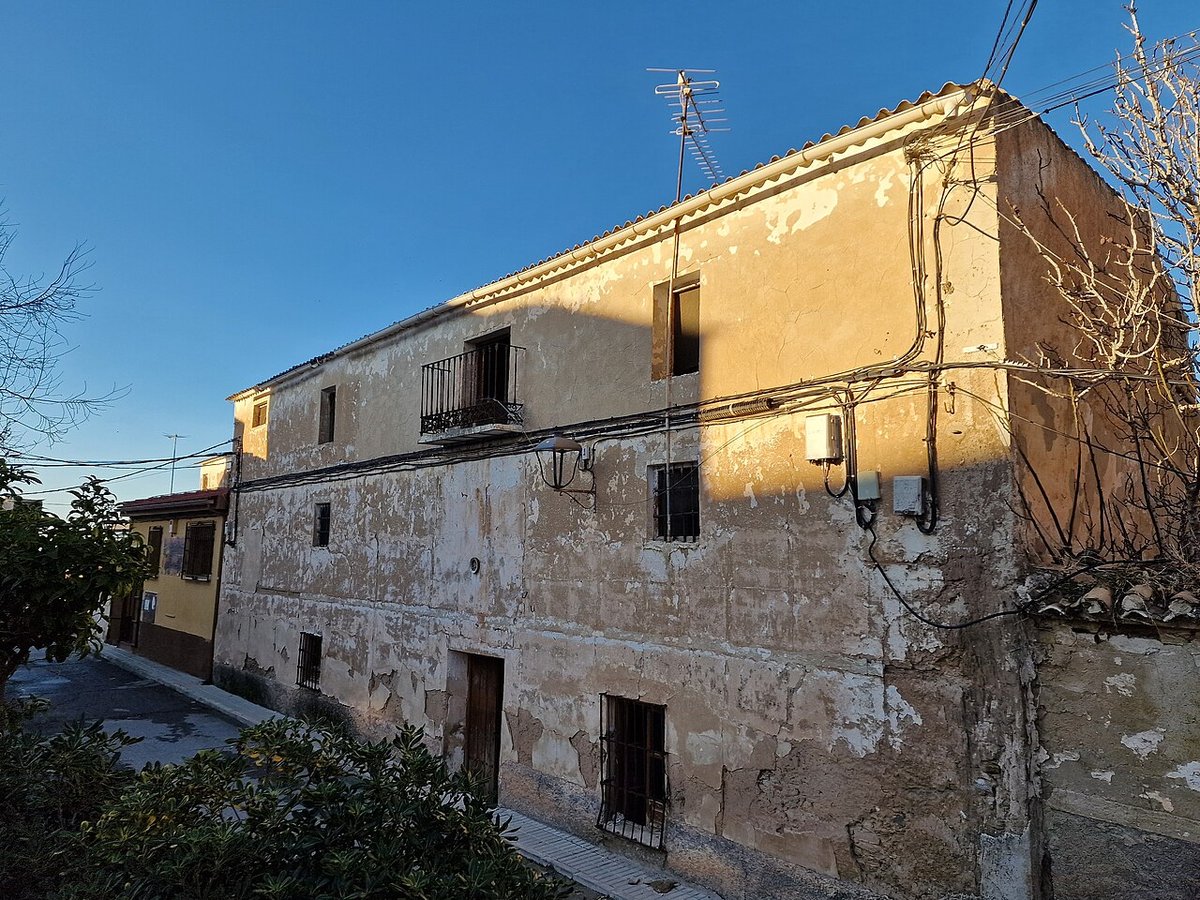
That addition, “del Rey”, reads almost like a footnote attached to the name, a reminder that much of what stands today was rebuilt after catastrophe. The layout and buildings seen now belong largely to that period of renewal. The past is not displayed in dramatic ruins, but it remains part of the story.
Where water sets the pace
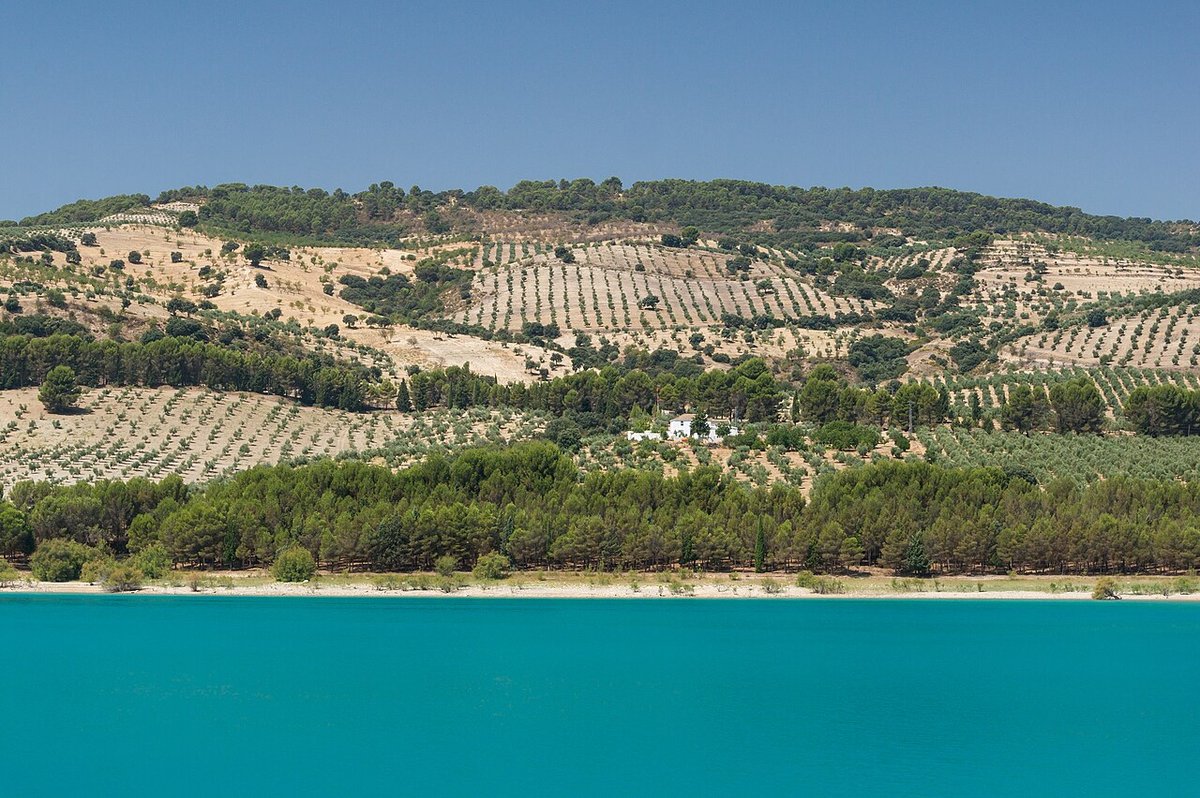
The urban centre of Arenas del Rey is pleasant enough, yet it is not usually the main reason people make the journey. Most visitors are drawn by the pantano de los Bermejales, the reservoir that lies nearby.
The first glimpse from the road can be surprising. A wide stretch of deep blue water appears among pine trees, challenging the typical mental image of inland Granada. It can feel more like a mountain reservoir in the north of Spain, except that here the surroundings include olive groves and drier sierras.
In summer, the shoreline fills with people who come to swim, spend the day outdoors or cast a fishing line. Kayaks and small boats are a common sight on the water. The atmosphere is low-key rather than showy. Families settle in for the afternoon, groups of friends gather by the edge, and others simply sit and watch the light shift across the surface.
Nothing about the scene feels overproduced. The reservoir does not attempt to compete with coastal resorts or large lakes. Its appeal lies in the combination of open water and quiet hills, with enough space to stretch out without fuss.
A spring hidden in the rock
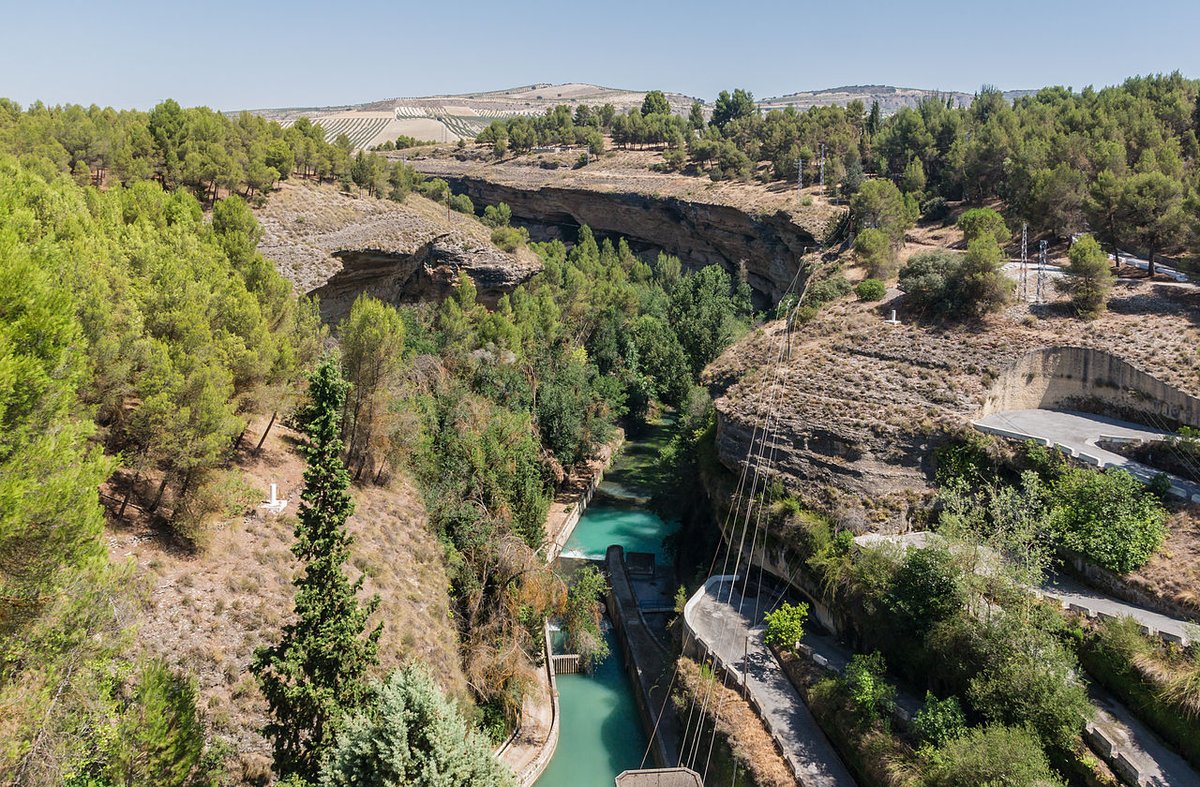
Not far away lies the surgencia de Linarejos, a natural spring that does not always appear on the best-known routes. It is one of those places that tend to be discovered through word of mouth.
Access is usually from the neighbouring village of Játar. From there, it involves leaving the car and walking for a good while along a forest track before continuing on a narrower path that leads deeper into the sierra. The route is not especially difficult, but it does require time and a willingness to walk.
The surgencia itself is a cavity in the rock from which water flows constantly. Watching it emerge directly from the mountain has a strangely hypnotic quality. There are no elaborate facilities and few signs explaining what you are seeing. It feels more like a corner of the landscape stumbled upon because someone said, “If you enjoy a good walk, go and take a look.”
The simplicity is part of the experience. It is not packaged as a major attraction. Instead, it rewards curiosity and patience.
Food rooted in the hills
Local cooking in Arenas del Rey draws heavily on the surrounding countryside and on older pantry traditions. These are dishes that still appear in village homes, even if they do not feature widely on social media.
One of the most typical recipes is conejo con almendras en salsa moruna, rabbit with almonds in a spiced sauce that hints at Andalusí influences. Game stews also make an appearance, including hare or partridge depending on the season.
The quesos de Játar, produced in the neighbouring village, are common on tables in the area. Then there is the hornazo, a bread dough filled with egg that is closely associated here with the day of San Marcos. On that occasion it is often shared outdoors, accompanied by fresh green broad beans, in a collective meal that draws plenty of locals.
The food reflects the landscape: practical, linked to hunting and farming, and shaped by custom more than by trend.
When the square fills up
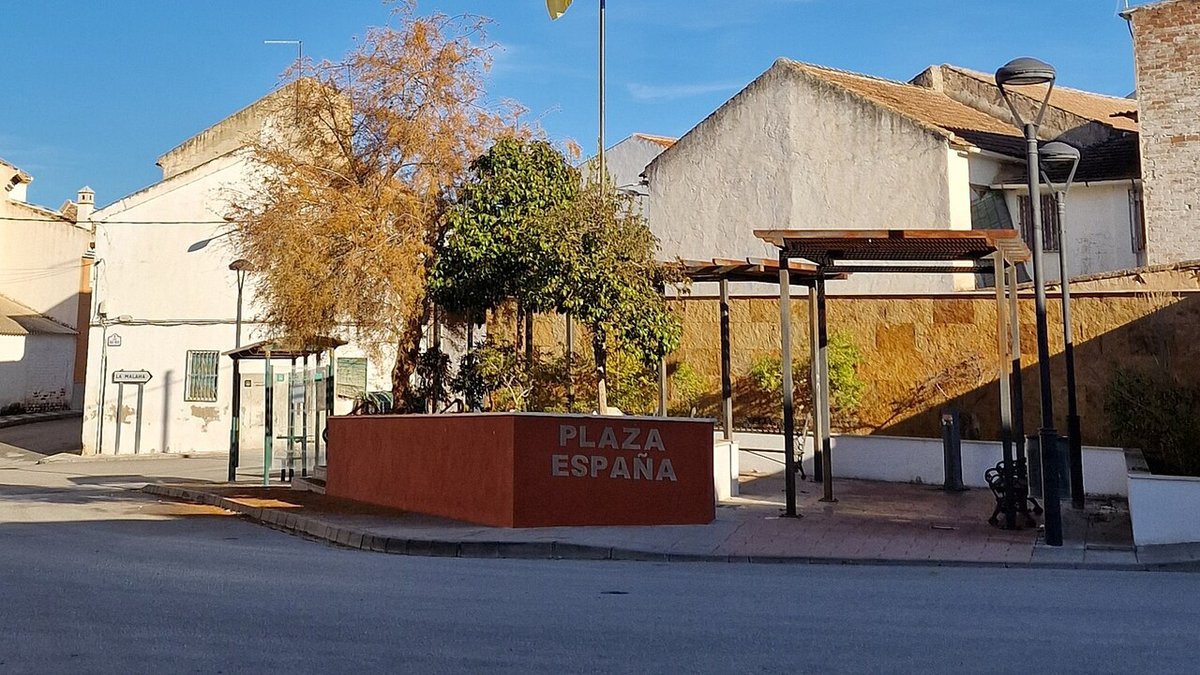
Local festivities still revolve around the village square. They have the feel of celebrations that belong first and foremost to the residents.
San Sebastián is marked in January with a procession and, weather permitting, fireworks. In May, the romería of San Isidro brings together neighbours and people from surrounding areas. A romería is a traditional pilgrimage-style celebration, usually involving a journey into the countryside in honour of a saint.
The busiest period arrives in August, during the summer festivities. At that time, those who live elsewhere return, as do families with roots in the village and people who make the trip back each year. For a few days, Arenas del Rey seems to multiply in size. Streets that are quiet for most of the year take on a different energy, and the population briefly feels far larger than its usual six hundred.
A place for unhurried days
Arenas del Rey is not somewhere to plan an entire week of packed sightseeing. It does not lend itself particularly well to a quick stop of half an hour for two photographs before moving on.
It works better as a calm weekend plan. A morning by the pantano de los Bermejales, a walk into the sierra towards places such as the surgencia de Linarejos, a long lunch without watching the clock, and then an afternoon that stretches out slowly.
Arriving by car makes things easier. Public transport exists in this part of Granada province, but getting around with real flexibility depends largely on having your own wheels.
It also helps to arrive without expecting a spectacle. Arenas del Rey does not trade in big headlines. What it offers is steadier than that: water against pine forest, recipes passed between generations, festivals that bring people back each summer. Leave, and the feeling is less about ticking off sights and more about having spent time somewhere that continues to move at its own pace.