Full Article
about Cacín
Small village on the banks of the Cacín River; quiet farming area with riverside and dry-land scenery.
Hide article Read full article
Mid-Morning in Cacín
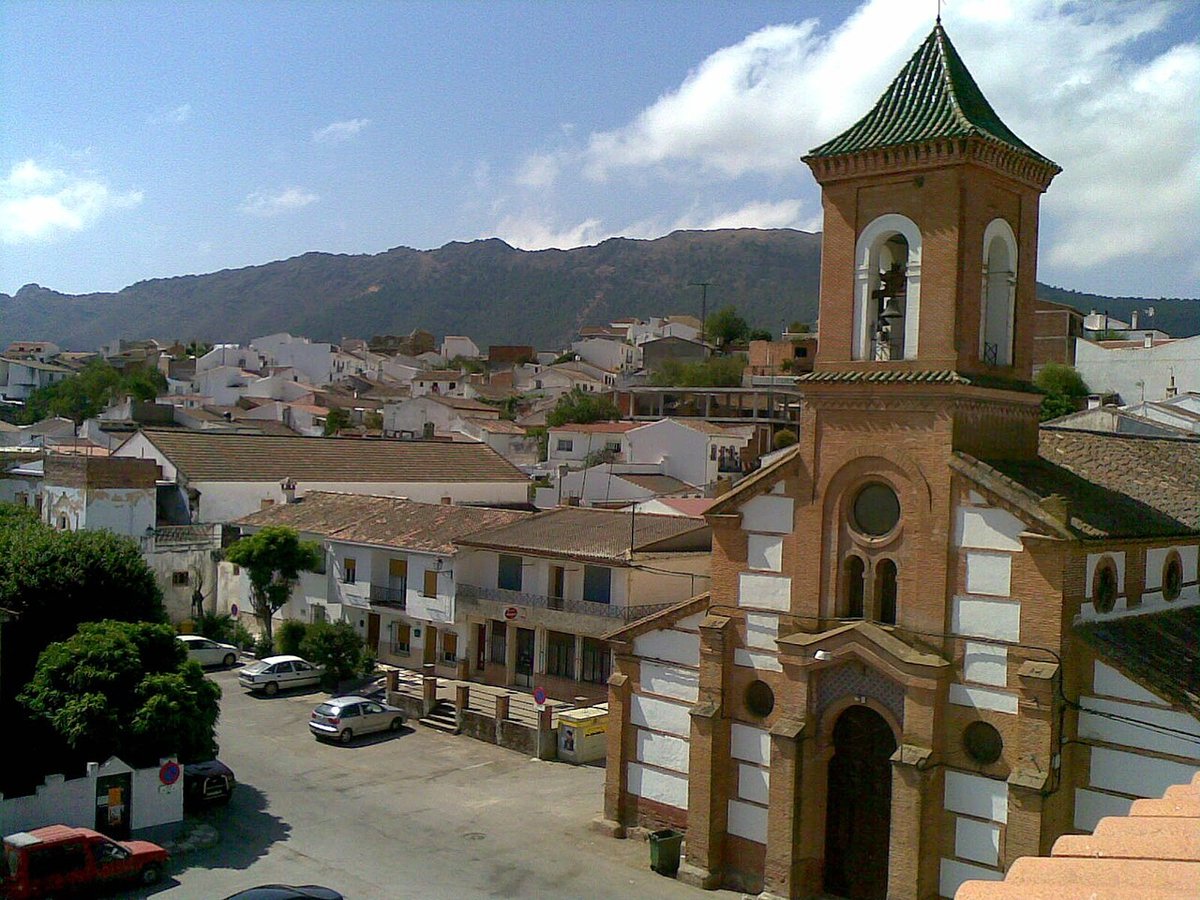
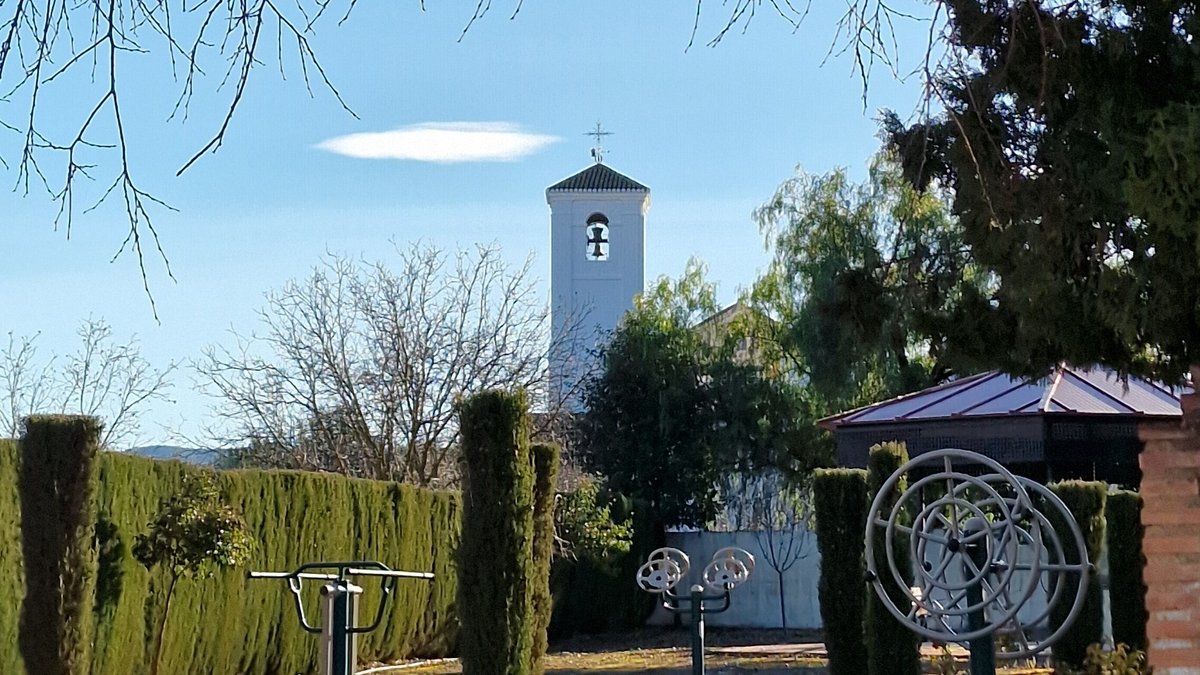
By mid-morning, beside the church of Santa María Magdalena, the light falls almost vertically onto the whitewashed walls. The glare bounces back so sharply that it makes you narrow your eyes. At that hour, tourism in Cacín does not quite exist as a concept. What carries across the square is the sound of a door opening, a tractor engine in the distance, a brief exchange between neighbours.
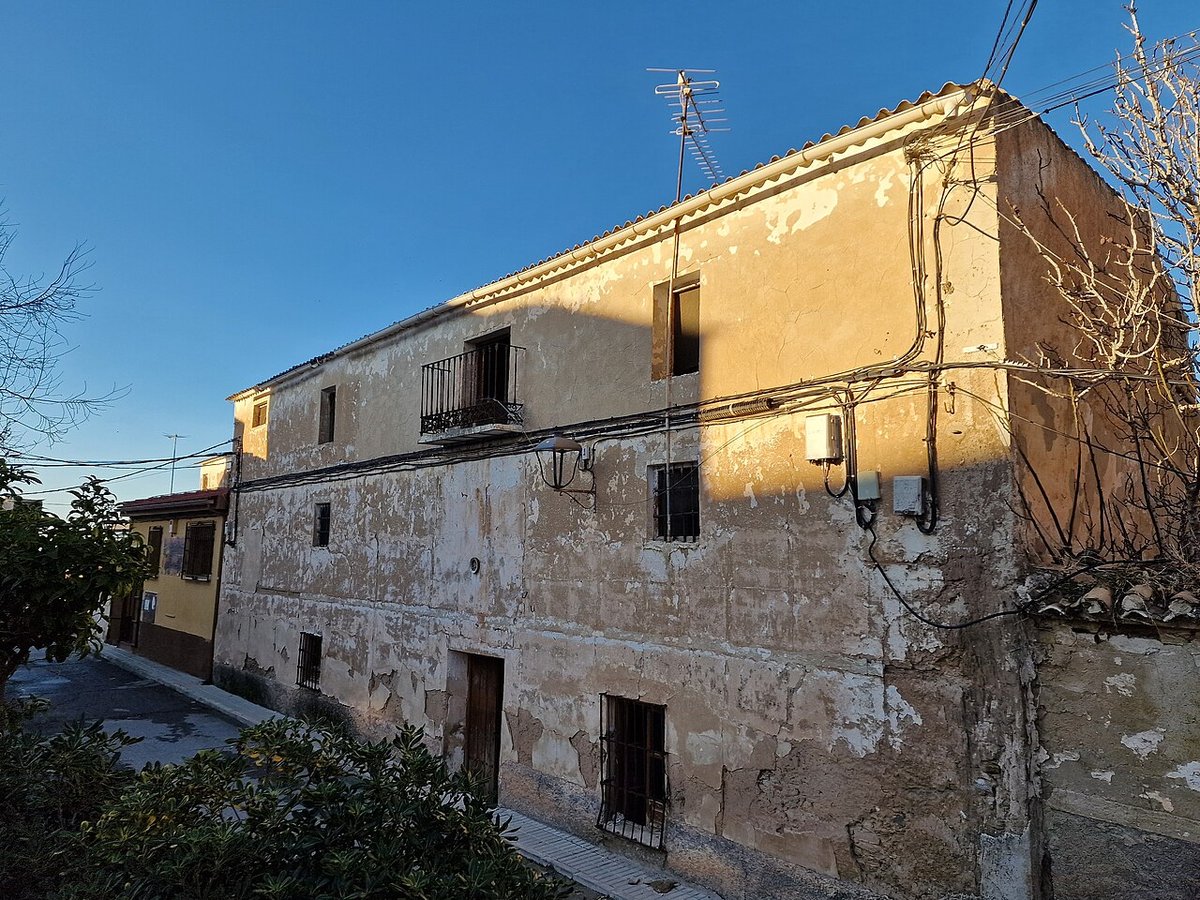
Cacín, in the comarca of Alhama in the province of Granada, is one of those villages that were built to be lived in rather than admired. The streets are narrow, the houses low, roofed with traditional curved clay tiles known as teja árabe. Behind gates and walls, patios hold bursts of bougainvillea or grapevines that cast shade in summer. There is no monumental old quarter or landmark-lined skyline. Interest lies instead in the steady rhythm of everyday life.
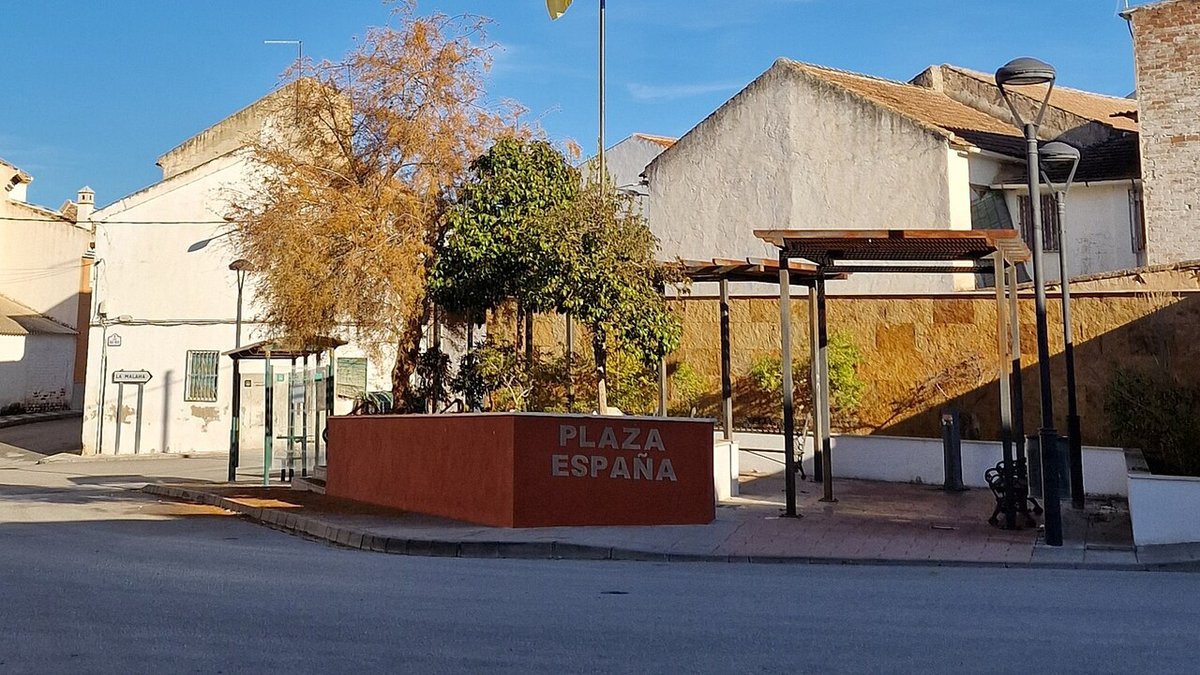
The centre can be explored quickly. In half an hour, walking at an unhurried pace, you can cross almost the entire urban area. The plaza gathers most of the daily movement. Neighbours stop for a chat, cars come and go, and the fountain provides a constant background murmur that gradually blends into the air.
The church remains the main visual reference point. Its presence gives shape to the small network of surrounding streets. Beyond it, the architecture stays simple and practical, closely tied to agricultural life. Nothing feels staged. The village works because it needs to, not because it expects to be watched.
Between Olive Groves and Open Hills
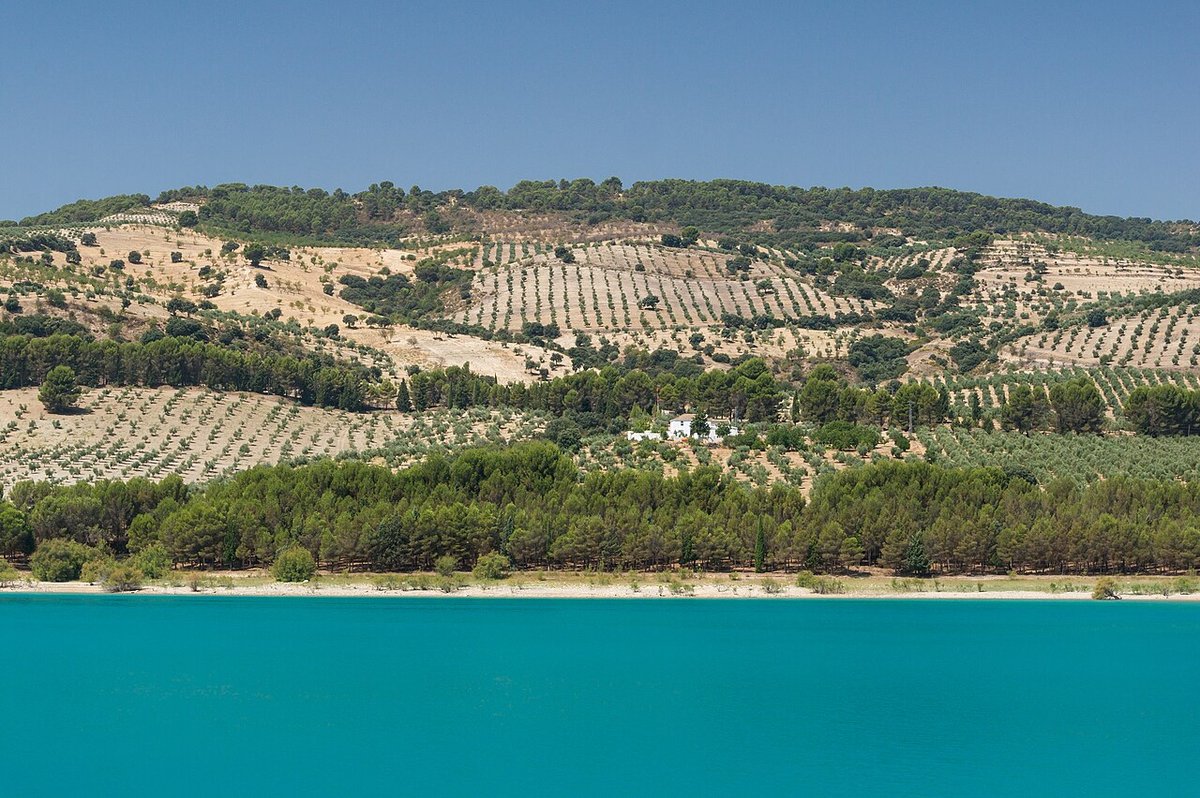
Step outside the village and the landscape shifts quickly. There are no dramatic mountain ranges pressing in, no dense forests. Instead, olive groves and cultivated fields stretch across gentle hills. The twisted trunks of the olive trees form long grey lines that, from a distance, look like an irregular mesh spread over the soil.
In autumn, the ground is scattered with dry leaves and the air often carries the scent of damp earth. It is a good time to walk the agricultural tracks that thread around the municipal boundaries. Many of these paths connect with neighbouring villages in the comarca, and local residents use them daily for walking or cycling.
From slightly higher points, on clear days, the distant outline of Sierra Nevada can be seen to the north. The view is not constant. It appears through the haze of the vega, the fertile plain below, and in winter it shows as a white line against the horizon.
If setting out on foot from Cacín, it is sensible to carry water and wear a hat during the hotter months. Long stretches offer little shade, and in summer the sun bears down hard from midday onwards. Early morning or late afternoon are more forgiving times to walk, when the light softens and the fields lose that almost blinding brightness.
This is a landscape defined less by spectacle than by repetition. Row after row of olive trees, tracks beaten into pale earth, low rises and open sky. The appeal comes from observing how the village and its surroundings fit together, each dependent on the other.
The Kitchen and the Calendar
Food in Cacín remains closely tied to the agricultural calendar. Stews eaten from deep plates, seasonal vegetables, pulses and meat when the time calls for it. These are dishes designed for long working days, meals to be taken slowly, leaving a sheen of olive oil on the plate.
That olive oil is produced in the surrounding area and strongly shapes the flavour of local cooking. It is more than an ingredient. It defines texture and aroma, turning simple combinations of vegetables or legumes into something substantial.
Homemade cured meats and local cheeses also circulate widely among neighbours and families. These are products that still move through informal networks, shared and exchanged rather than displayed. The kitchen here reflects the same logic as the village itself: practical, rooted in the land, shaped by the seasons.
There is little sense of performance. Meals respond to what is available and what the work requires. In colder months, spoonable stews warm the table. When fields demand long hours, plates are generous and straightforward. The rhythm of the countryside sets the menu.
When the Village Fills
For much of the year, Cacín keeps a quiet atmosphere. Then there are moments when it changes. At the end of July, festivities are usually held in honour of Santa María Magdalena. The streets become livelier at night, activities are organised in the plaza, and many former residents return to the village.
August continues that movement. Families who have spent the rest of the year in other cities come back, and the population swells beyond its usual size. Evenings stretch longer, conversations linger, and the plaza holds more people than it does in winter.
Another clearly visible period is the olive harvest, typically between late autumn and winter. During those months, the sound of tractors starts early. Much of the village is involved in the picking. The work leaves its mark on daily schedules, on conversations, on the tempo of the streets. Fields that seemed still in summer now hold activity from morning onwards.
These seasonal shifts reveal how closely Cacín remains linked to agriculture. Festivals, family returns and harvests reshape the atmosphere, but they all stem from shared ties to place.
Choosing the Right Moment
March and October are often pleasant months to get to know the area at an easy pace. The countryside changes colour, and temperatures allow for walking without the strong heat of summer. The fields show different tones depending on rainfall and growth, and the air feels lighter than in high season.
In July or August, the best approach is to move early in the morning or wait until sunset. In the central hours, the sun falls without filter over the open fields and the landscape can turn almost white with light. Streets empty, shutters close, and activity pauses until the heat eases.
Cacín does not operate as a destination of packed itineraries or major sights. It has more to do with observing how a small village surrounded by olive groves moves through the day. The wind brushing silver leaves, the pale earth of the tracks, the way time here seems measured by agricultural tasks rather than by the clock.
To spend time in Cacín is to adjust to that rhythm. The church of Santa María Magdalena marking the centre, the plaza holding its quiet exchanges, the hills stretching outward in ordered lines of olive trees. There are no grand claims to make on its behalf. The value lies in watching how life continues, season after season, under the same clear Andalusian light.