Full Article
about Chimeneas
A farming village of the Temple with a ruined castle; it keeps the quiet of rural life near the metropolitan area.
Hide article Read full article
The village named after smoke
There is something faintly comic about telling someone you are heading to Chimeneas. The name literally means “chimneys”, so it tends to raise eyebrows. Surely that cannot be a place? In fact, it is a small village in the province of Granada, in Andalusia, and its unusual name is often the starting point for any conversation about tourism in Chimeneas.
The most common explanation locally has to do with smoke rising from houses. Back when people crossed open countryside without clear roads, spotting smoke curling up from a cluster of rooftops meant life was nearby. It was a simple signal in a wide landscape, a kind of early wayfinding long before maps lived in a phone.
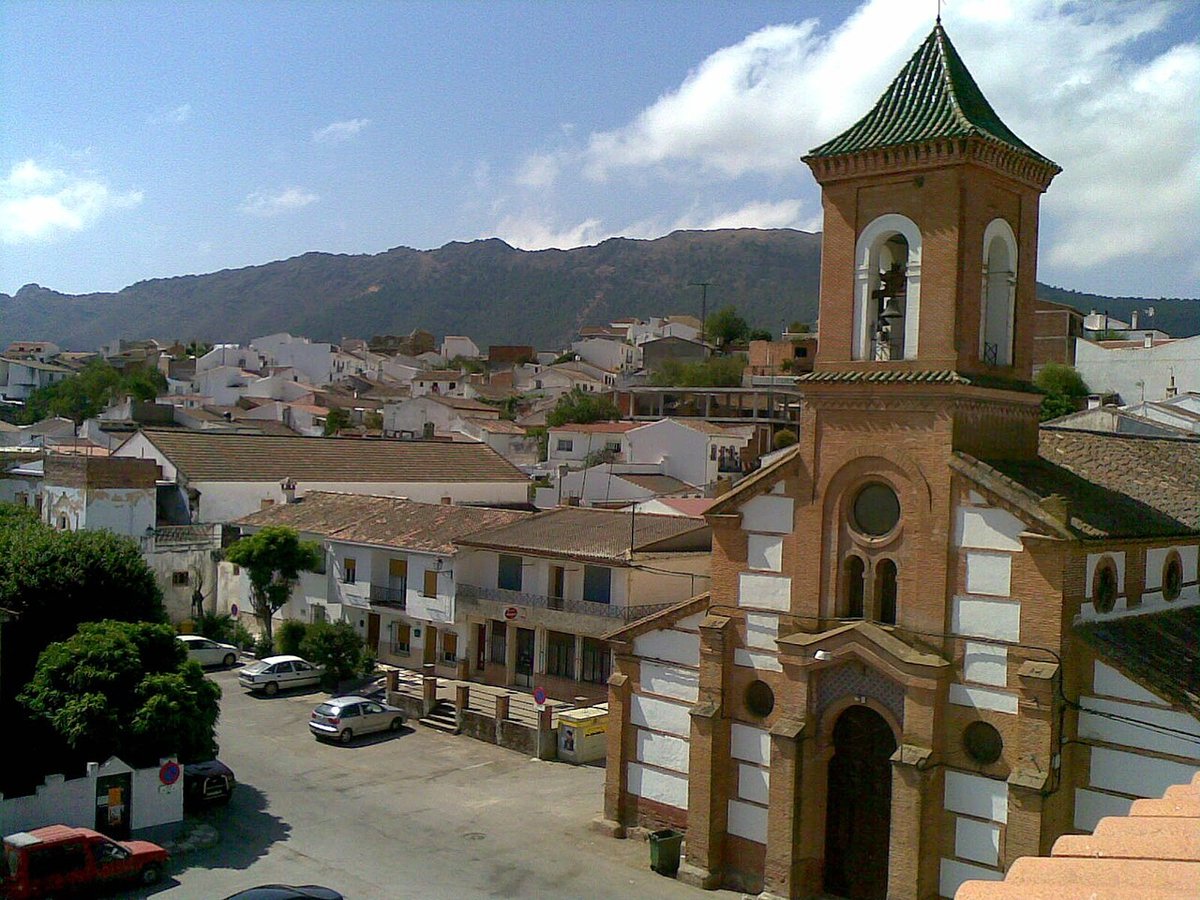
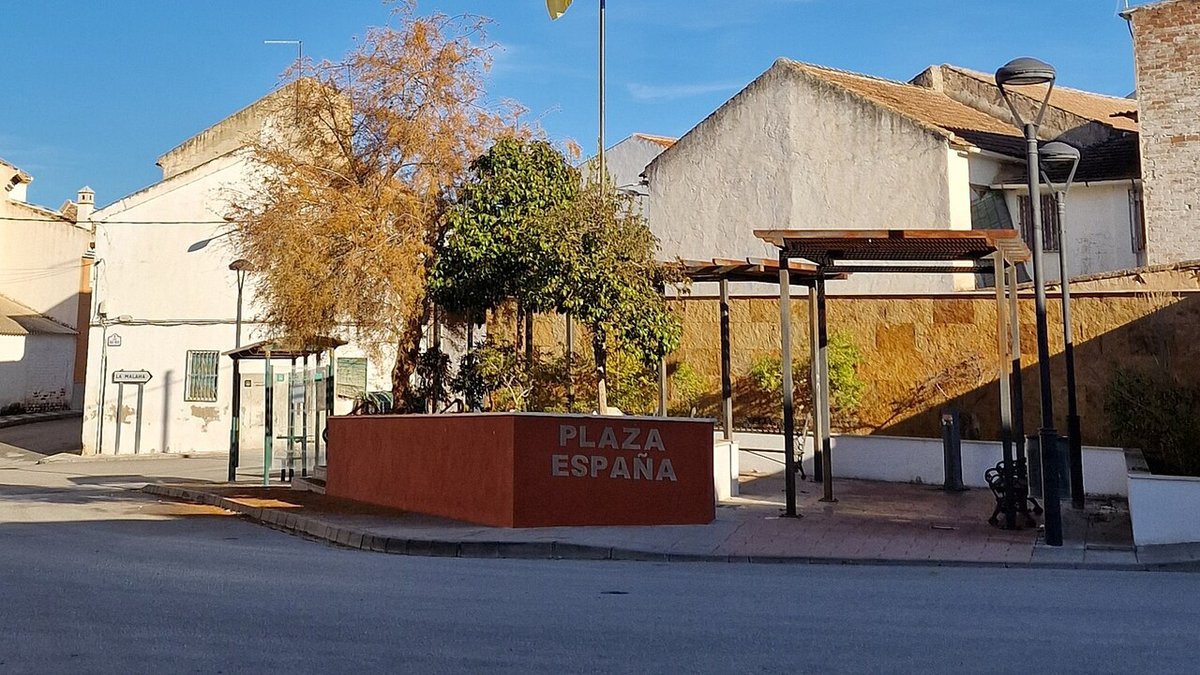
Today Chimeneas still has that feeling of somewhere you might stumble upon while travelling to somewhere else. It lies less than half an hour from the city of Granada, yet the atmosphere shifts as soon as you enter the village. There is less noise, less hurry, and more open land than traffic.
High ground and endless olive trees
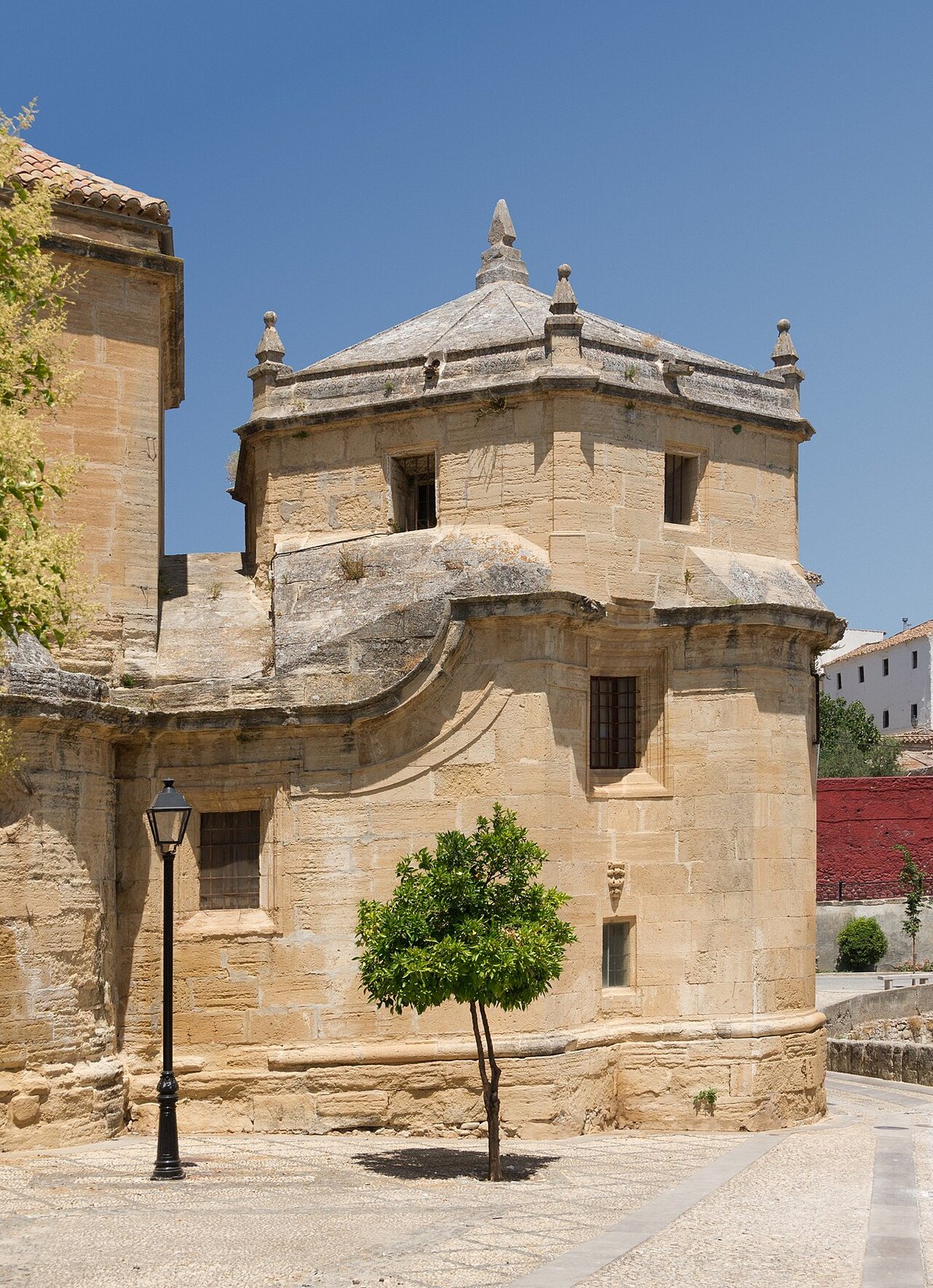
The first surprise is what you do not see. There is no classic hilltop castle presiding over the skyline. In the hamlet of Tajarja, which forms part of the municipality, there are some ancient remains. In Chimeneas itself, however, the landscape is defined by something else: olive trees, and lots of them.
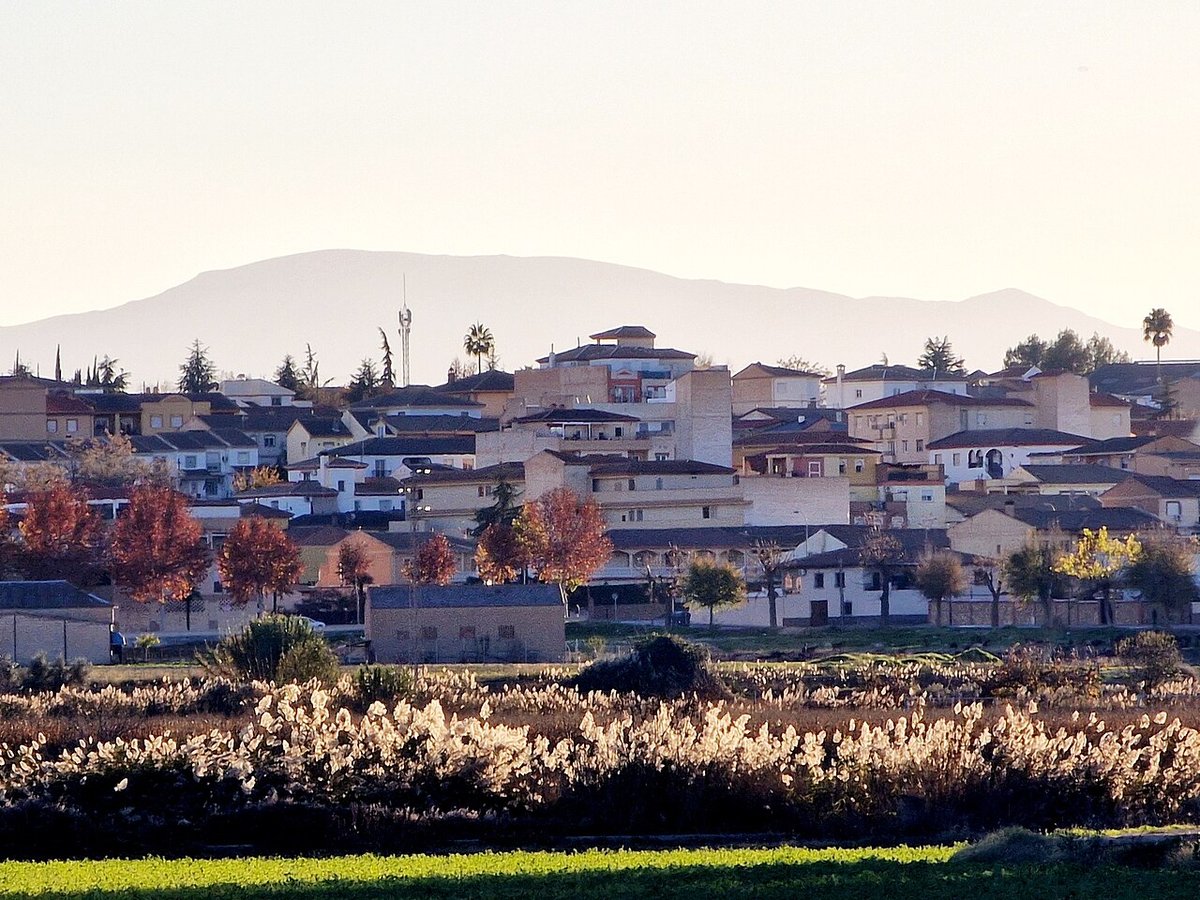
The village sits on elevated ground and you feel it in the streets. They are not impossible to navigate, but they are not designed for rushing either. The sort of slopes that make you reconsider where you left the car.
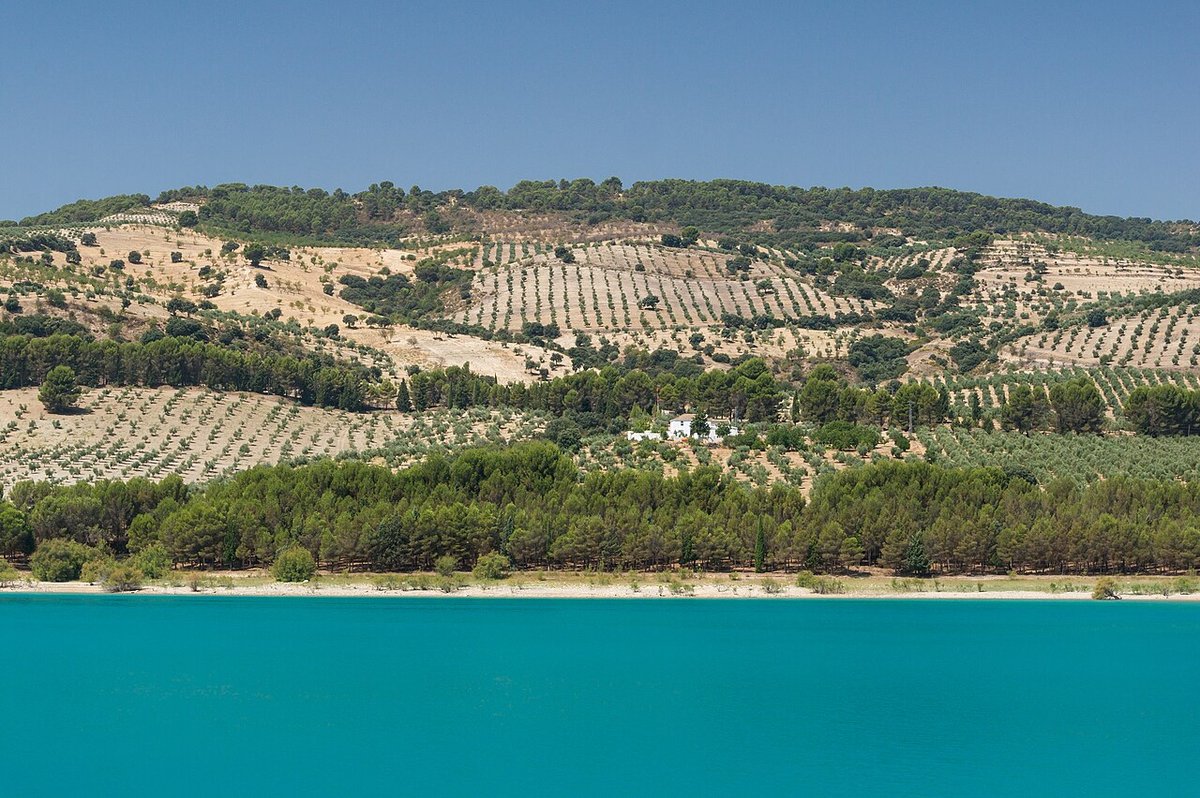
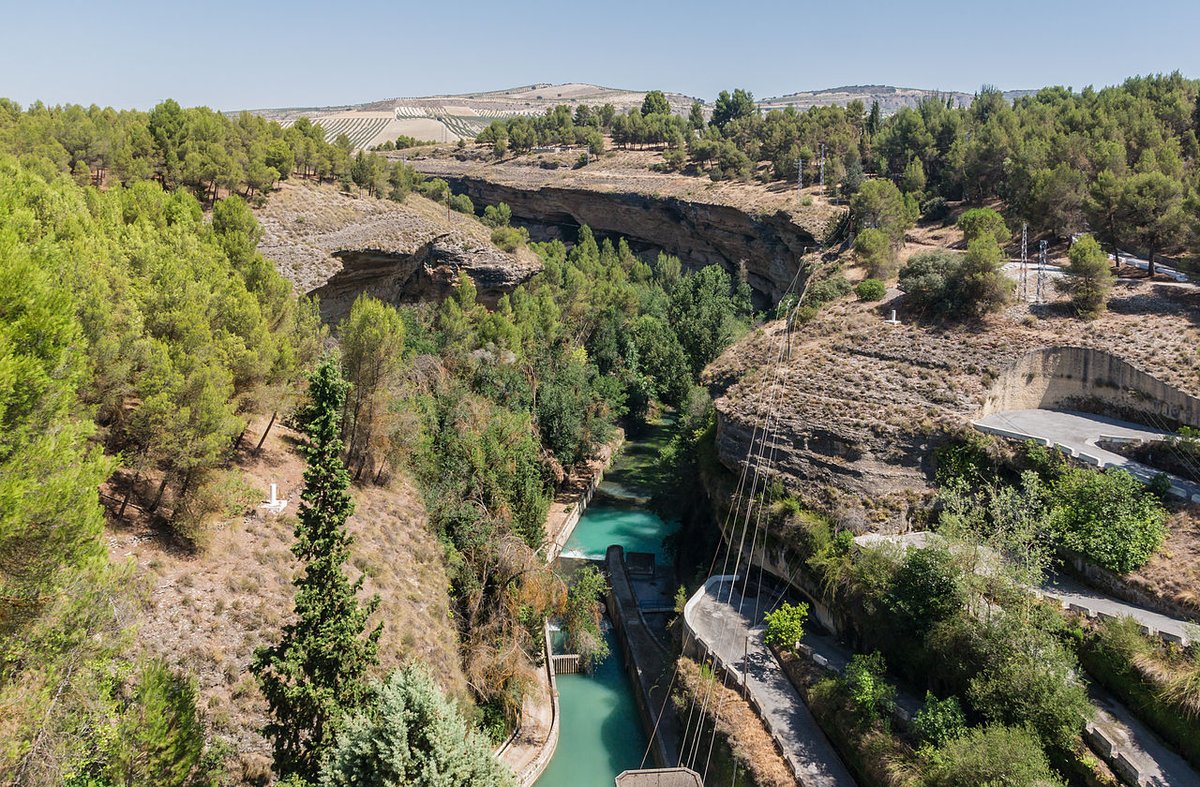
White houses cluster around the hill, and just beyond them the countryside opens out quickly. Rows of olive trees stretch away, with the occasional almond tree breaking the pattern. The surroundings of the river Cacín shape part of the landscape, adding another thread to this agricultural setting. The local economy revolves largely around olive growing, and that focus comes through in everyday conversation.
Spend a few minutes in the village square and you are likely to hear talk of the harvest, how the season is shaping up, or whether the rain arrived in time. Football gets a mention, of course, but olives usually win.
Food that fills you up
The local cooking is not designed for social media. It is designed to satisfy hunger and then justify finding a patch of shade for a while.
One of the best-known dishes in the area is sopa de almendras, almond soup. It is a hot broth made with ground almonds, garlic, bread and egg. The ingredients sound simple and they are, yet the result has that unmistakable home-cooked quality that makes everything else fade into the background.
Another regular on the table is chivo al ajillo, goat cooked with garlic. It appears across many villages in the western part of Granada province, and in Chimeneas it is prepared in the traditional way, without unnecessary embellishment.
Then there are the homemade sweets that surface during fiestas and family gatherings. Roscos and magdalenas are common, baked at home rather than bought in. One bite is usually enough to make it clear that industrial baking is playing a different game altogether.
Walking to the fountains and beyond
Around the village there are several paths used by locals for an afternoon walk. Some link up with fountains and spots where water emerges from the ground. For generations, these springs have been important gathering points for the community.
One of the most popular strolls follows a small circuit through the countryside, passing several of these fountains. It is not a mountain route or anything technical. It is simply the kind of walk neighbours take to stretch their legs as the day cools down.
Along the way you come across different water sources, each with its own name. Some maintain a flow for most of the year, while others depend more heavily on how generous the rainy season has been.
A practical note for warmer months: bring water and some form of shade. The countryside here is attractive, but it is also very open. The sun in Granada province can feel stronger than expected when you step out of the car and into the fields.
September fiestas and a spring romería
Chimeneas changes rhythm during its patron saint festivities in September, held in honour of the Virgen de los Remedios. At that time, people who live elsewhere return, garages turn into improvised bars, and the main square fills more than usual. The routine of the village shifts for a few days, and the social calendar takes over.
There is also a romería, a traditional countryside gathering, usually organised in spring when the fields are greener. Families and friends head out into the rural surroundings with folding tables, homemade food and children running freely around. It is a very village-style plan, the sort that stretches on without anyone paying much attention to the clock.
A place that carries on at its own speed
Chimeneas does not attempt to impress. There are no vast monuments and no streets designed for viral photographs. Instead, it is a working village surrounded by fields and olive groves, moving to a rhythm set more by the harvest than by tourism.
For anyone curious about how agricultural communities function in this part of Granada province, the picture is clear here. Life centres on the land, on rainfall, on the olive crop and on family gatherings that spill from houses into squares and out into the countryside.
A quiet morning is enough to get a feel for the place. A walk through the old centre, a short wander into the surrounding fields, and, if the opportunity arises, a taste of the local cooking such as sopa de almendras or chivo al ajillo. In a couple of hours you will have a solid sense of what Chimeneas is about.
Sometimes that is exactly what is needed: a pause, a look around, and a glimpse of how a small Andalusian village works when tourism is not calling the shots.