Full Article
about Escúzar
A town with a major industrial and tech park; it still has a quiet historic center and traditional stone quarries.
Hide article Read full article
A village that reveals itself slowly
There are places you pass by in the car and assume there is not much going on. Escúzar fits that impression at first. Then you stop, walk for ten minutes, and begin to see that this is exactly the point. Tourism in Escúzar is not about ticking off landmarks or wandering streets full of cameras. It is about stepping into a small village in the Alhama area where daily life still leans heavily on the land.
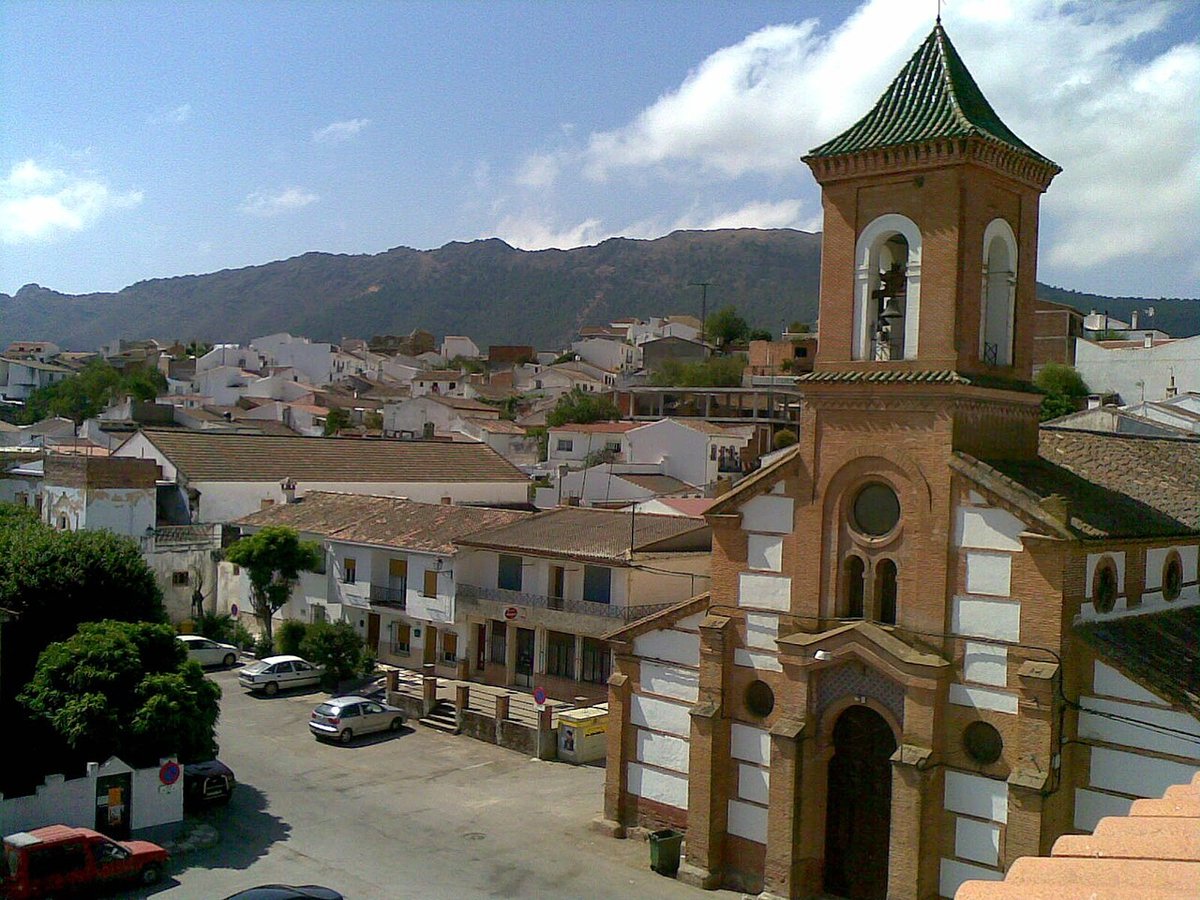
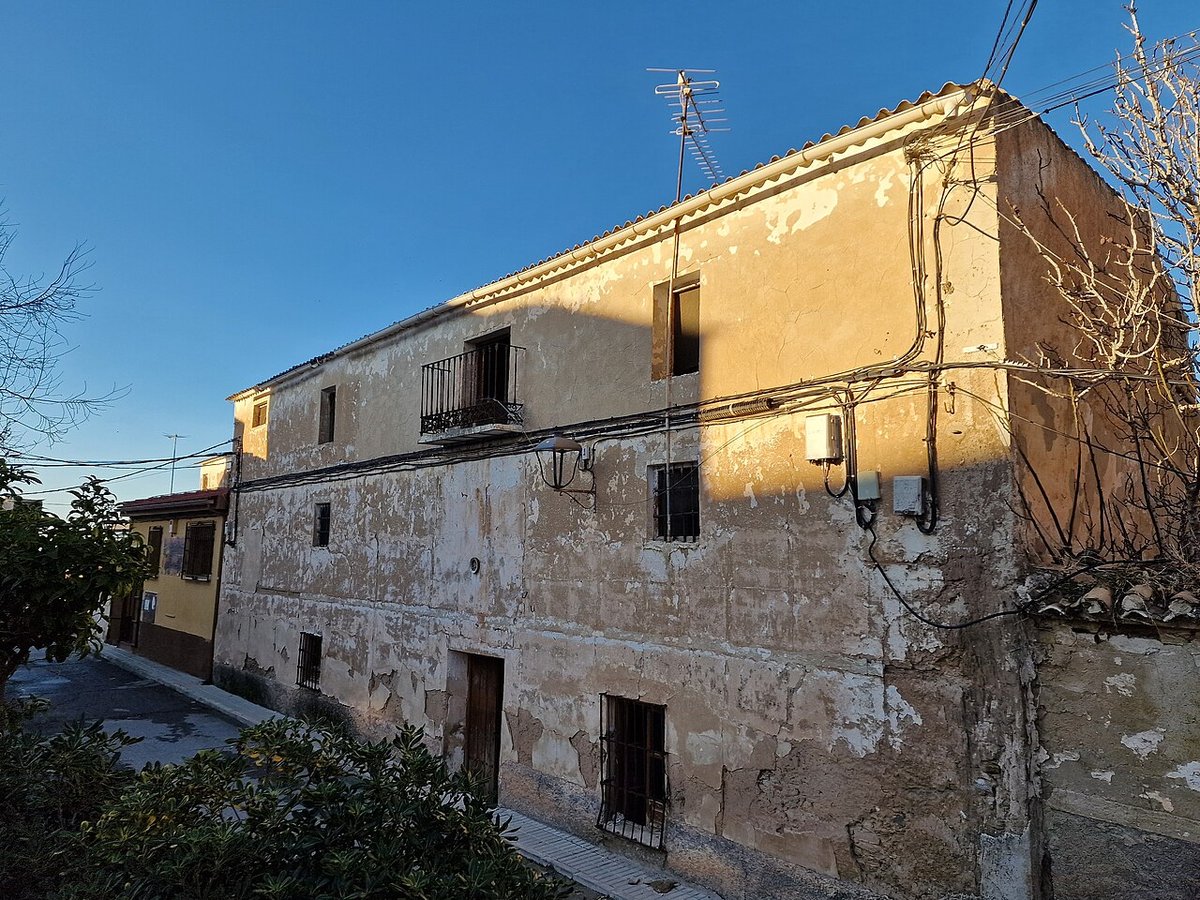
The village sits at around 890 metres above sea level and has roughly 800 inhabitants. White houses line the streets, many with old iron window grilles and wooden doors that have been in place for generations. Almost everything here revolves around olive groves and dryland crops that surround the built-up area.
A small centre that comes into focus quickly
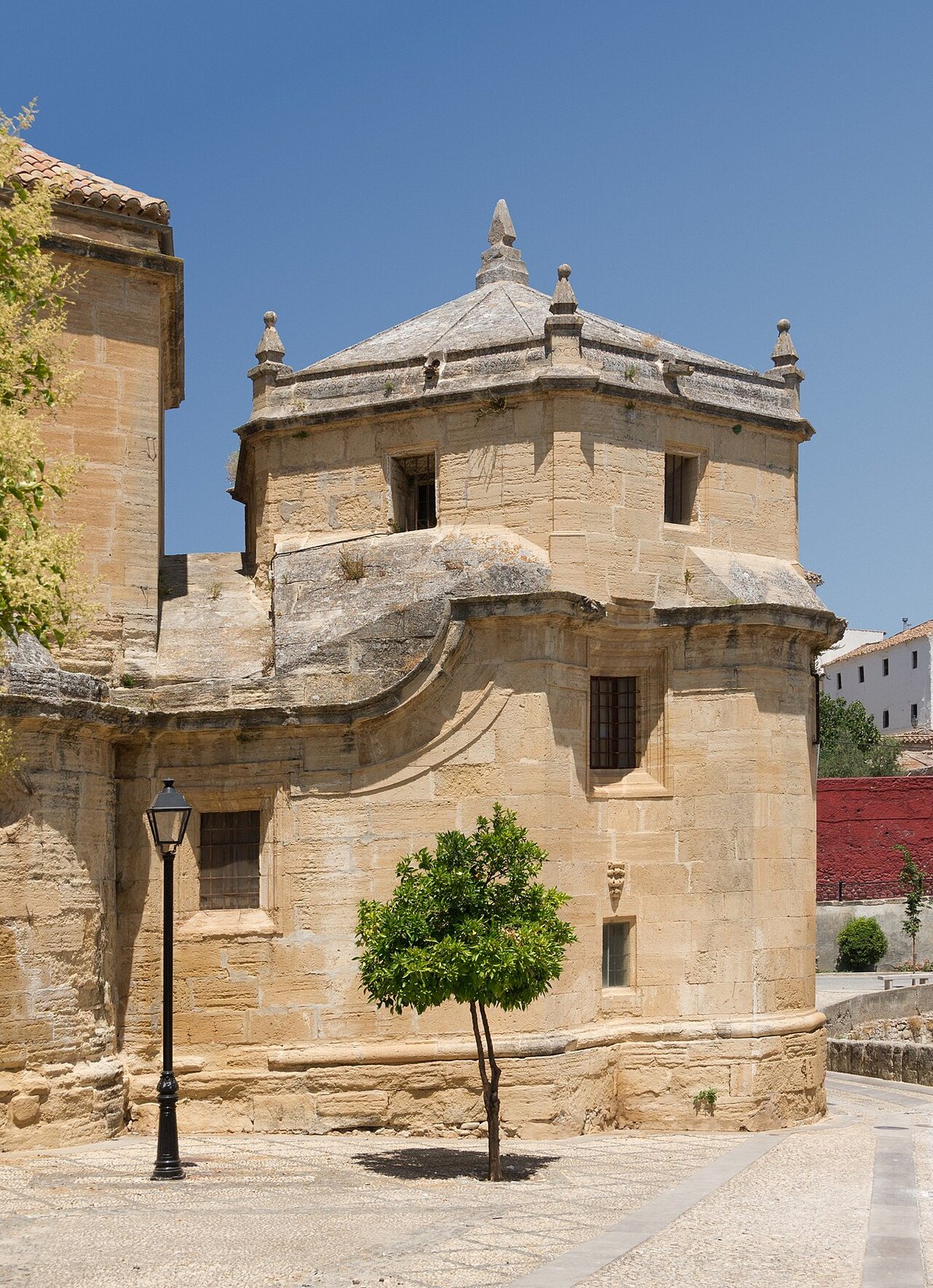
The centre of Escúzar does not take long to understand. It is not large, and it does not try to feel larger than it is. The Iglesia Parroquial de Nuestra Señora del Rosario stands at its heart, with a restrained façade that does not demand attention but has clearly been part of the village for a long time.
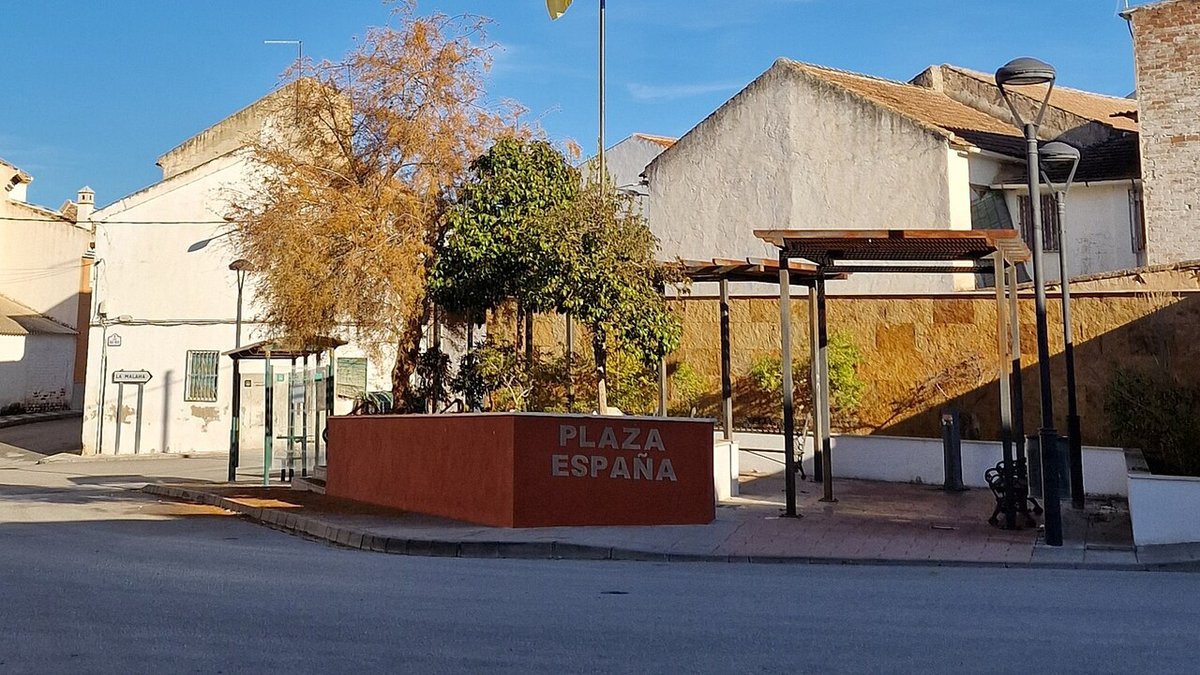
Short, quiet streets branch out from it. Some still have carved doorways and inner courtyards that can be glimpsed from the pavement. A five-minute walk is enough to reach the square, where it is common to see a neighbour chatting or busy with their car.
The urban layout is simple, but it feels real. This is a place that still works as a village rather than a backdrop. There is no sense of performance, just everyday routines unfolding at their own pace.
The landscape that frames everything
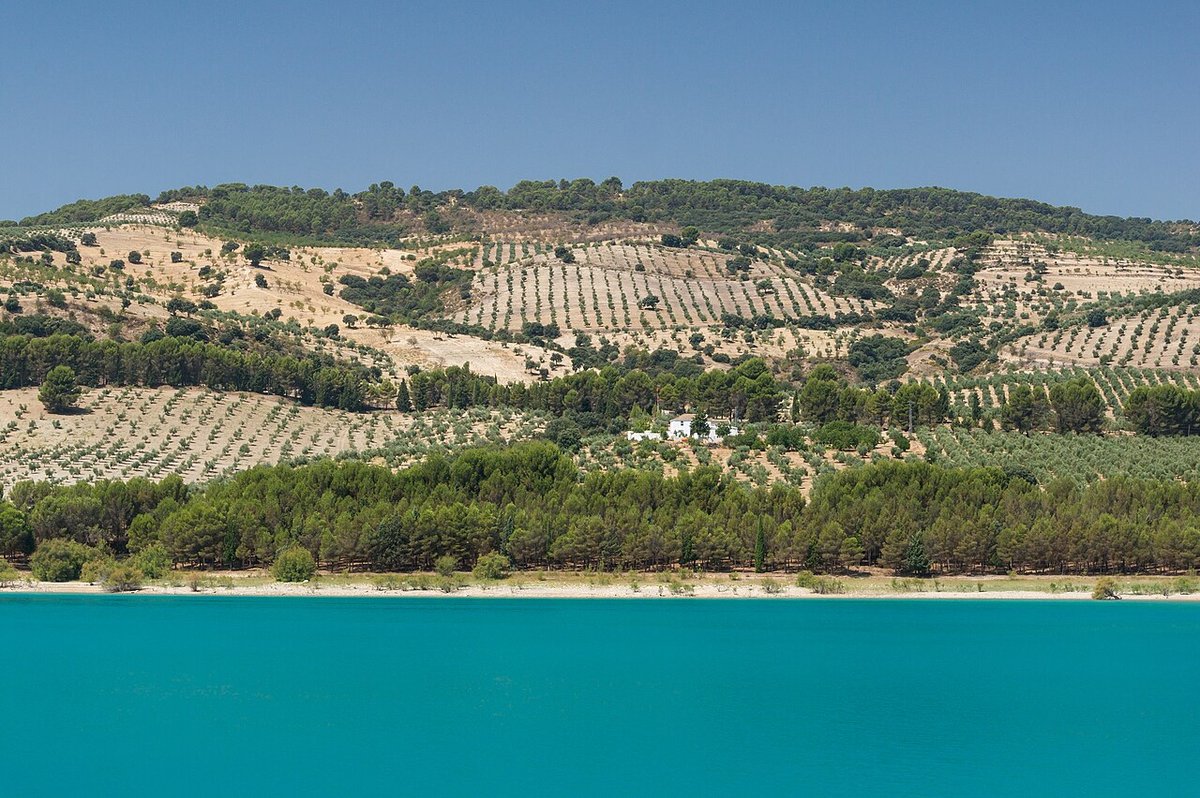
Look up from almost any corner and the olive groves appear. Soft hills stretch outwards, broken into dry plots of land and that familiar grey-green tone typical of Andalusian olive trees.
In slightly higher areas near the village, there are spots where the surroundings make more sense as a whole. The countryside opens in every direction and, on clear days, the outline of Sierra Nevada can usually be seen in the distance.
This is not a dramatic landscape in the postcard sense. It is closer to the kind of view seen through a car window when crossing large parts of Andalucía: repeated, calm and closely tied to agricultural work. That repetition is part of its character rather than a flaw.
Walking among olive groves
One of the simplest ways to understand Escúzar is to leave the village centre and follow one of the rural tracks. No special gear or hiking experience is needed.
These are dirt paths that run between olive trees, scattered cortijos, and the occasional old carob tree. In summer the sun can be intense, so a slower pace makes sense. The quiet here feels genuine. It is mostly broken by birds and little else.
From time to time, a kestrel can be seen gliding low over the fields. It is the kind of brief moment that passes quickly but tends to stay in the memory.
Walking here is less about reaching a specific point and more about absorbing the rhythm of the surroundings. The paths do not try to impress, but they offer a direct connection to the land that shapes the village.
Food rooted in the surrounding land
Local cooking in Escúzar remains closely linked to what is grown nearby. Olive oil is the base of almost everything and can often be found in small village shops.
The dishes that appear most often are the kind made in large pans or pots: migas, stews with legumes, and caracoles when the season arrives. These are simple, filling meals designed for people who have spent the morning working outdoors.
Homemade sweets also appear at certain times of the year, especially during celebrations or as part of recipes passed down within families. They are not always visible to visitors, but they form part of the village’s food culture.
There is no sense of reinvention or adaptation for outsiders. The food follows its own logic, tied to the seasons and to the needs of daily life.
Local celebrations and shared moments
The devotion to Nuestra Señora del Rosario marks one of the main points in the local calendar, traditionally in October. Over the year there are also romerías, traditional pilgrimages, and smaller festivities connected to nearby sanctuaries.
Semana Santa is observed in a quieter, more contained way than in larger cities. Processions move slowly through narrow streets, neighbours watch from their doorways, and the atmosphere remains calm rather than crowded.
These are celebrations shaped by the people who live here. Most residents know each other, and that closeness defines how these moments unfold. Visitors are not excluded, but they are stepping into something that already has its own rhythm.
How long to spend in Escúzar
Escúzar does not demand a full day to make sense. A couple of hours is enough to walk through the centre, reach a higher نقطة nearby and spend some time on the surrounding paths.
Its proximity to the city of Granada means many people arrive by car for a short visit. It works more as a quiet توقف than a destination that requires careful planning.
The experience is similar to visiting a friend’s village. The aim is not to search for major sights but to see what the place is like, walk for a while and take in the atmosphere.
Escúzar moves without urgency. No big gestures, no attempt to stand out. Just a small village, surrounded by fields, continuing at its own pace. Sometimes that says more than a long list of attractions ever could.