Full Article
about Fornes
Young municipality near los Bermejales and the Sierras de Tejeda Natural Park; perfect for nature tourism and hiking.
Hide article Read full article
A Small Place at the Edge of the Sierra
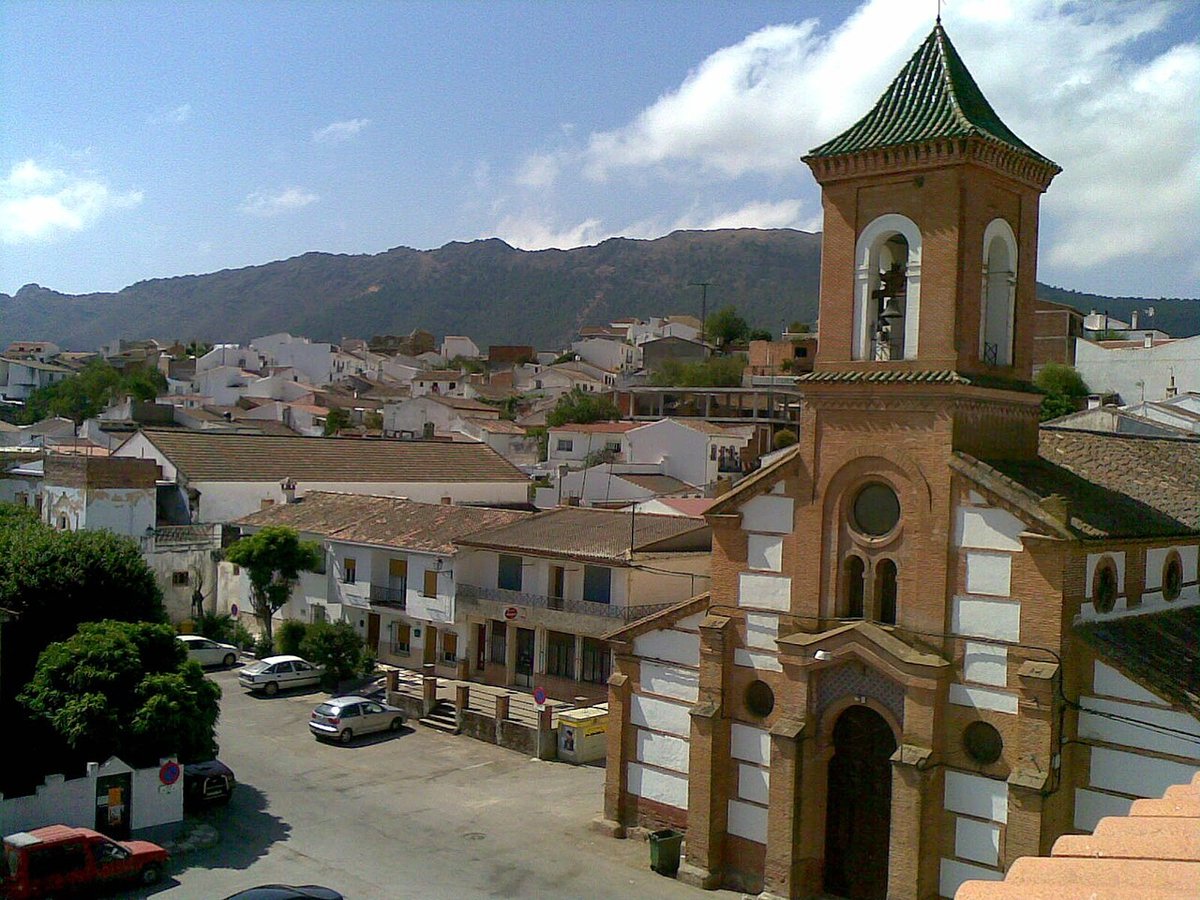
Early in the day, before cars begin to pass through, Fornes is defined by small sounds: footsteps on concrete, a shutter lifting slowly. The air often drifts down cold from the sierra, even on clear mornings. Around the village stretch olive groves, and beyond them the uneven outline of mountains. It quickly becomes clear where you are: in the comarca de Alhama, in a settlement of around five hundred people, where the landscape carries as much weight as the houses themselves.
Fornes sits on the lower slopes of the Sierra de Almijara, raised above the valley of the Cacín. There is a sense of being on a threshold. Behind lie cultivated hills, ahead the terrain grows more rugged. In winter, the light is sharp and distances seem shorter, as if the air has been cleared of anything that might soften the view.
Sloping Streets and Whitewashed Houses
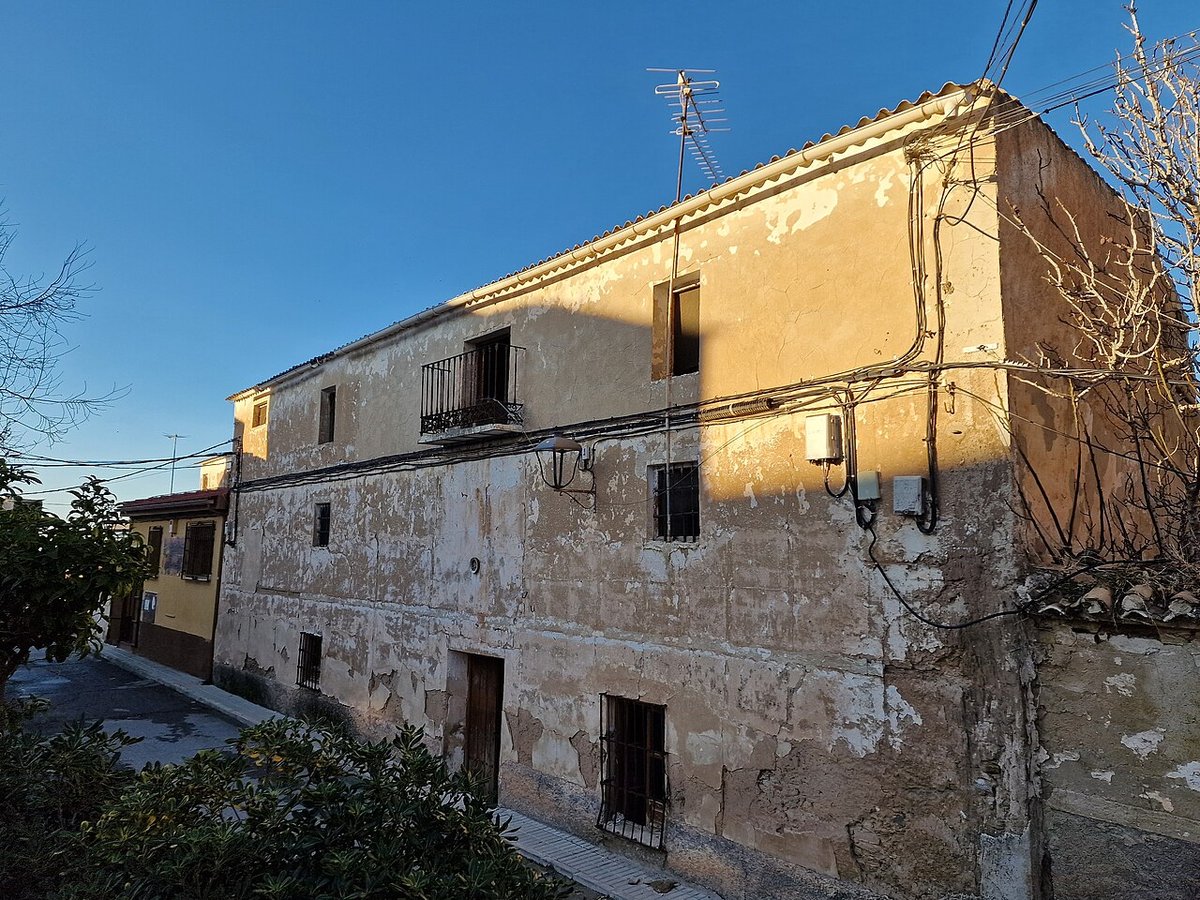
The village is compact, with little empty space between buildings. Streets are narrow and often steep. At midday, the whitewashed façades reflect the light strongly. Many doorways still have worn knockers and iron grilles that have been in place for decades.
Walking through Fornes does not take long, but it is best done slowly. The slopes make you pause now and then, and when you look up there are glimpses of patios filled with potted plants or small kitchen gardens pressed close to the houses. There are no large buildings or grand monuments. What you see is a way of building shaped by daily life here, with dry summers and cold winter mornings.
The Parish Church at the Centre
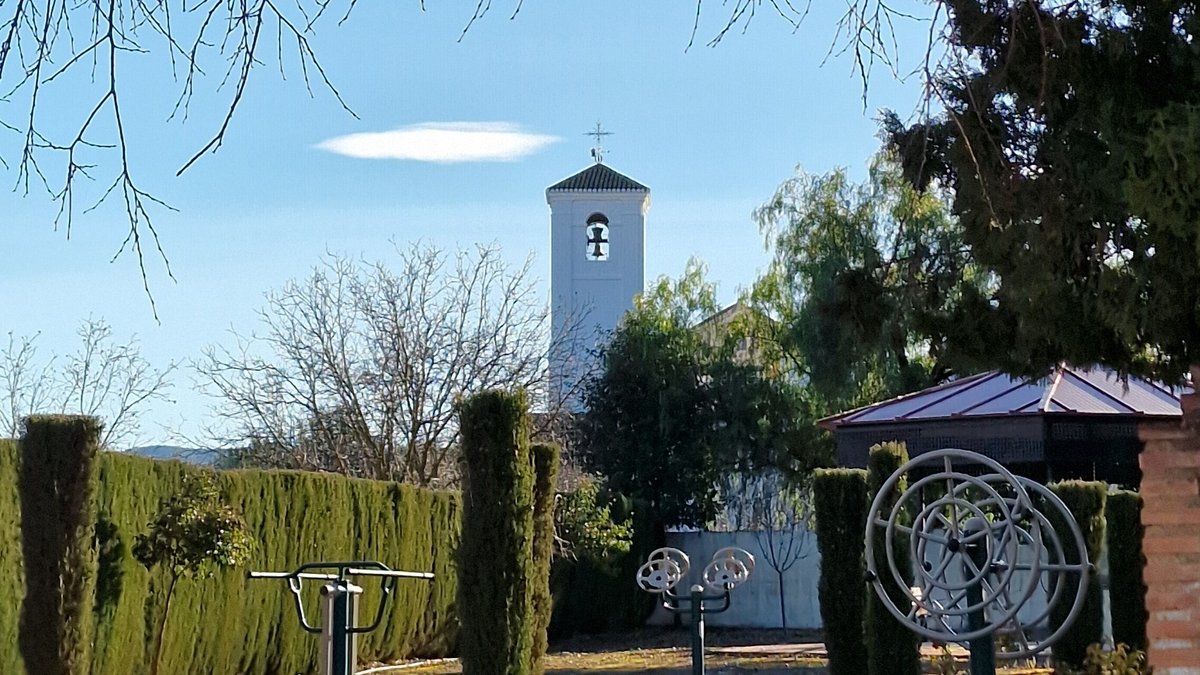
The parish church, dedicated to the Inmaculada Concepción, stands in one of the most visible spots in the village. Its origins are often linked to the Mudéjar period, a style influenced by Islamic craftsmanship after the Christian reconquest, although the building has undergone several alterations over time. The façade is plain, white and without much decoration.
Inside is not always accessible. The doors may open during services or at certain moments of the day. If you happen to find it open, it is worth stepping in briefly. It is not a long visit, more a chance to notice small details than to move through a series of spaces.
Looking Out Over the Cacín Valley
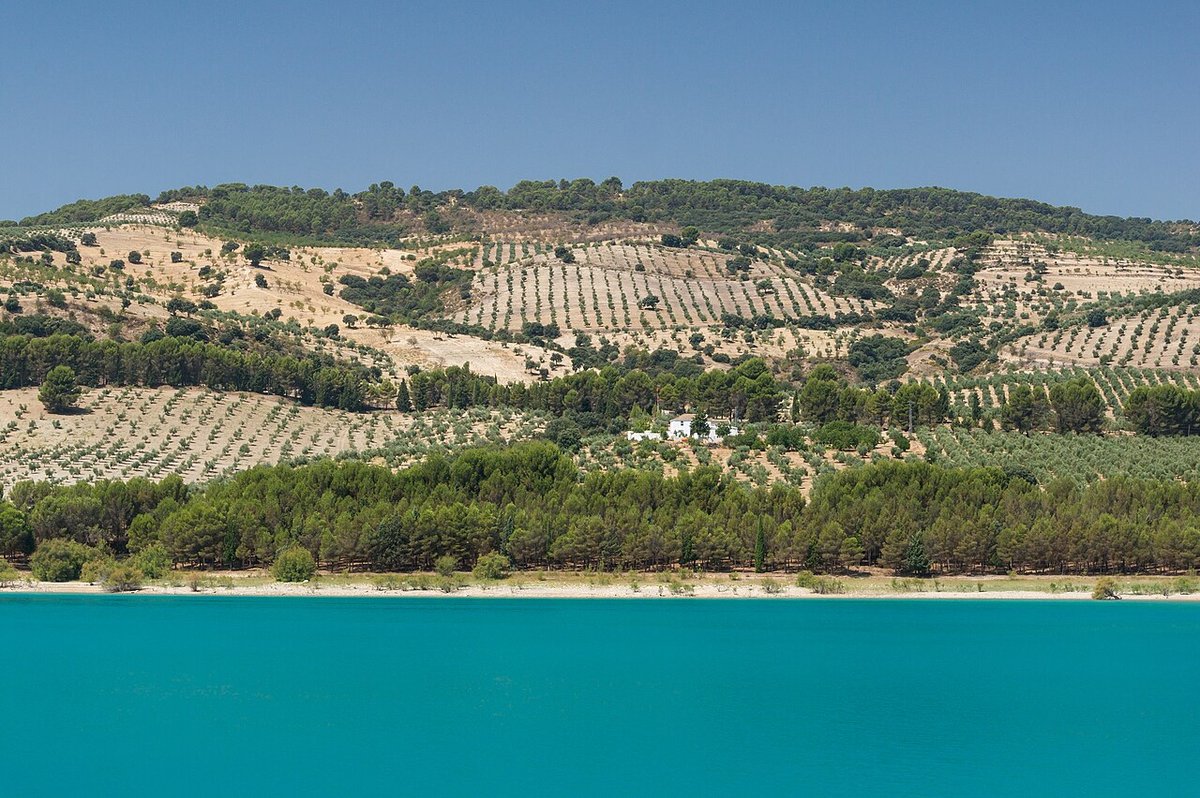
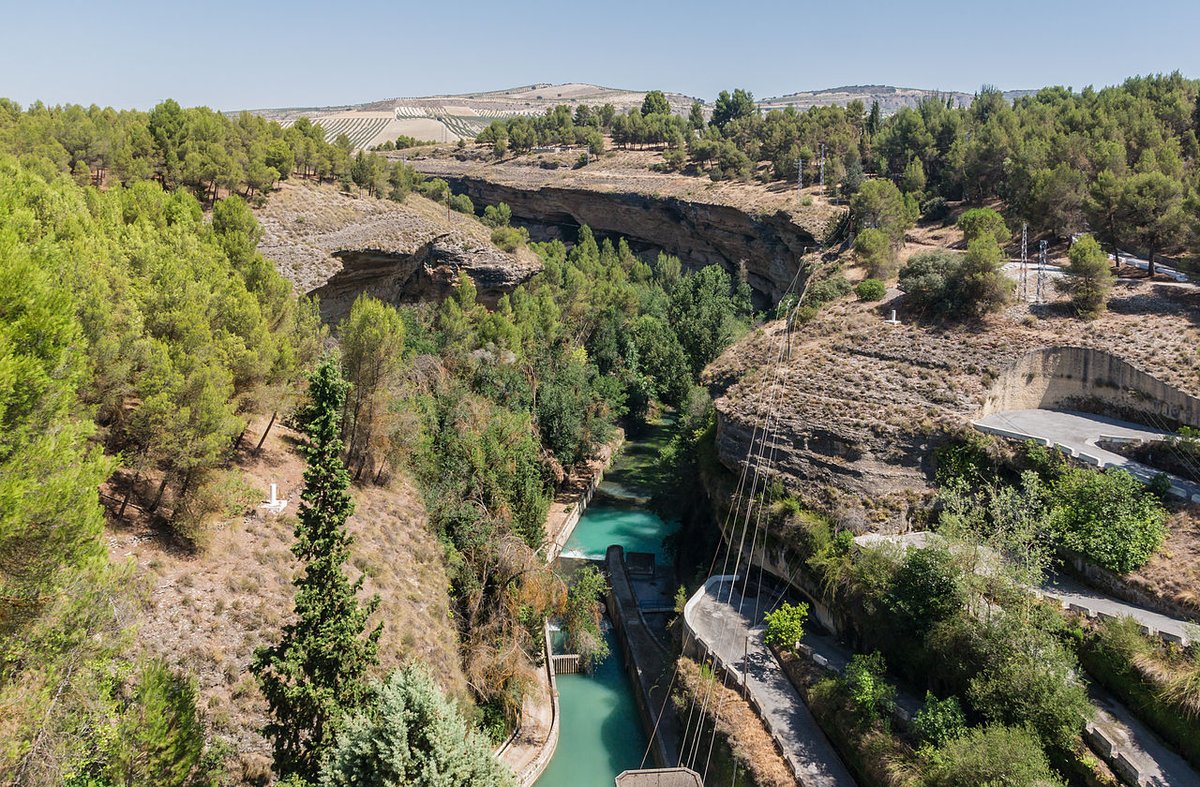
Just beyond the edge of the village, the view opens out. Olive groves descend in terraces towards the valley, and ravines cut between the hills. There are no marked viewpoints everywhere, but it only takes a short walk along the paths that lead out from Fornes to find a place to stop.
Towards sunset, the light falls sideways across the land and brings out the shape of the terrain. Rows of olive trees trace almost geometric lines across the pale soil. At that time of day, there is very little sound beyond the wind.
Paths, Olive Groves and Old Mills
Several rural tracks begin in Fornes, heading into the sierra or crossing cultivated land. Some lead to the remains of old mills, once linked to the use of water or wind. In certain places, walls or basic structures are still visible.
Not all of these paths are signposted. Their routes can change depending on farming work or after periods of rain. For longer walks, it is sensible to ask locally about conditions or to check the route carefully on a map before setting out.
Simple Food and Local Celebrations
The food associated with Fornes is straightforward and tied to what the surrounding land provides. Olive oil, seasonal vegetables and pork feature in many dishes. Migas, a traditional dish based on breadcrumbs or flour, are often prepared with grapes during the grape harvest. Gazpacho serrano, a more rustic version of the cold soup known across Spain, also appears, along with hot gachas in the colder months.
Festivities follow the religious calendar and the rhythm of summer. In December, the village honours the Inmaculada Concepción with events that bring together residents and those who return for those days. In August, there are usually open-air dances and activities in the streets, when the population increases slightly.
Reaching Fornes from Granada involves travelling along secondary roads, with a number of bends in the final stretch. It is a journey best taken at a steady pace, especially after dark.
For a visit, spring and early autumn tend to offer the most comfortable conditions for walking in the surrounding countryside. Winter mornings are noticeably cold and the afternoons grow short, yet on clear days the light over the olive groves has a stark, almost hard quality that captures something essential about the place.