Full Article
about Játar
Mountain municipality split off from Arenas del Rey, set in the Sierra de Játar, rich in wild mushrooms and nature.
Ocultar artículo Leer artículo completo
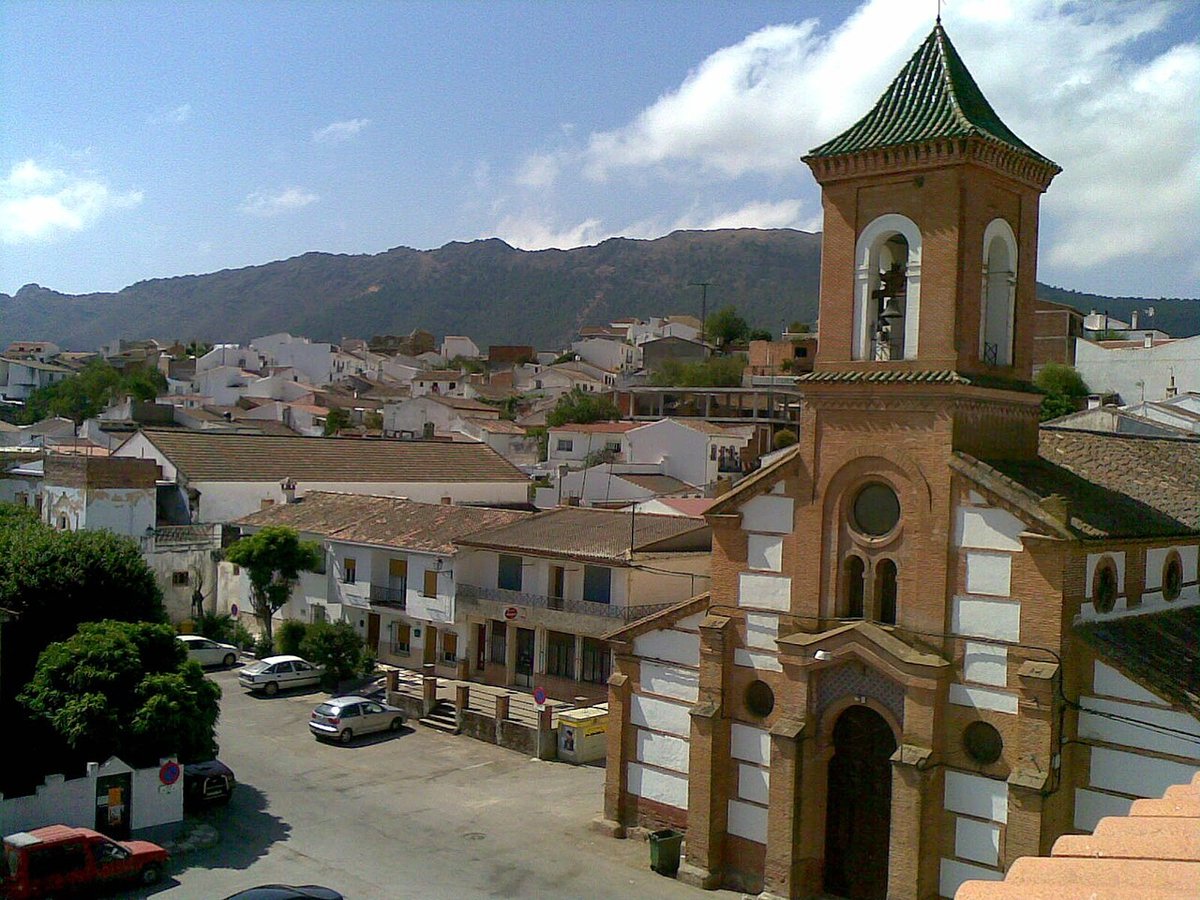
At 960 metres above sea level, Játar sits high enough that clouds sometimes drift through its streets. This isn't metaphorical travel writing—on misty mornings you'll literally watch fog roll between the whitewashed houses, temporarily erasing the village below while leaving you suspended above the Cacín valley with nothing but church bells and distant goat bells for company.
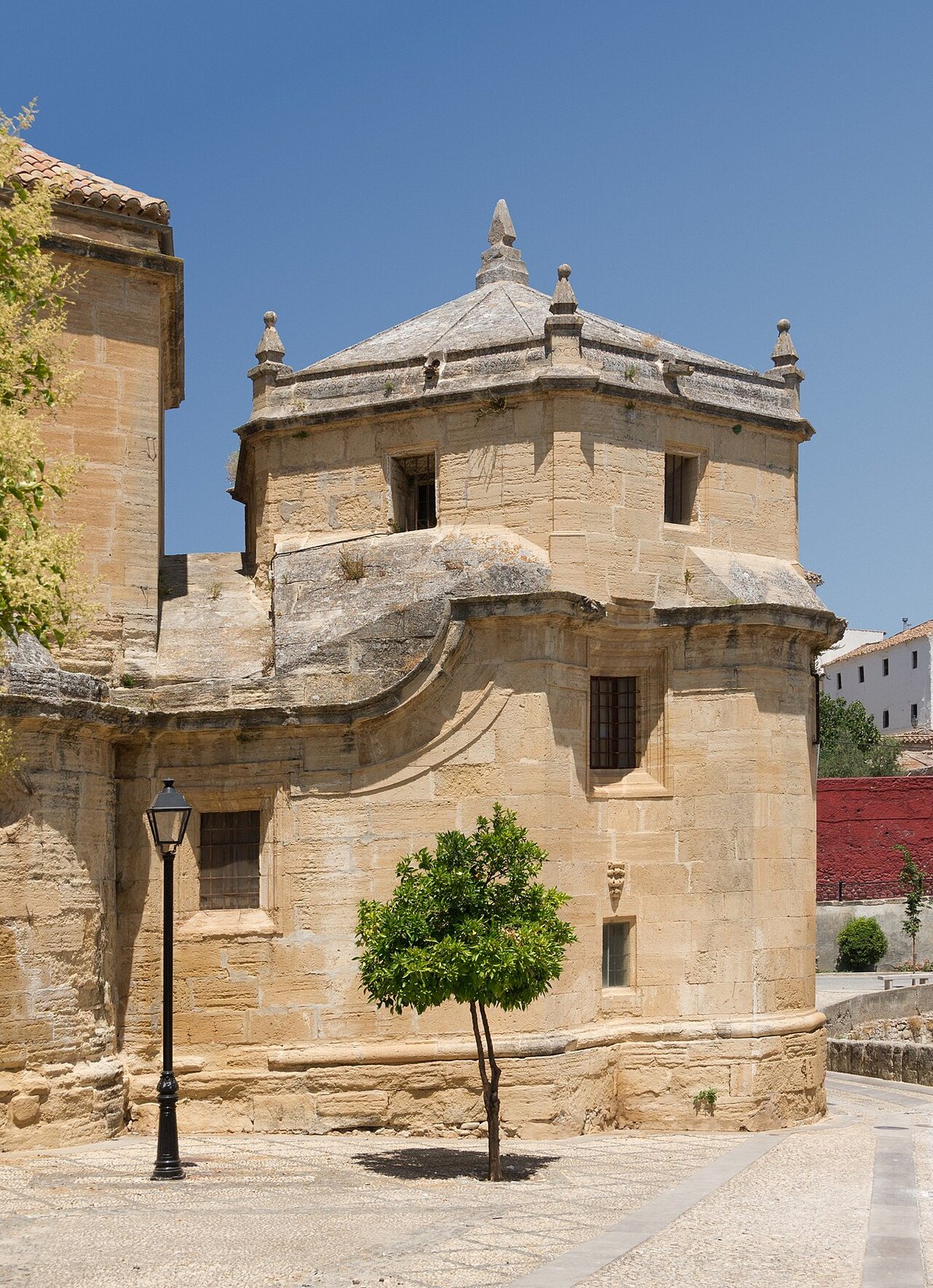
The village clings to its mountainside like something that grew there rather than was built. Houses stack vertically, connected by cobbled lanes so steep that locals have developed a distinctive sideways walk—shoulders parallel to the slope, feet angled against the gradient. Visitors attempting a normal stride usually end up gripping doorways for balance, providing quiet entertainment for residents who observe from behind wrought-iron grills.
Living Vertically
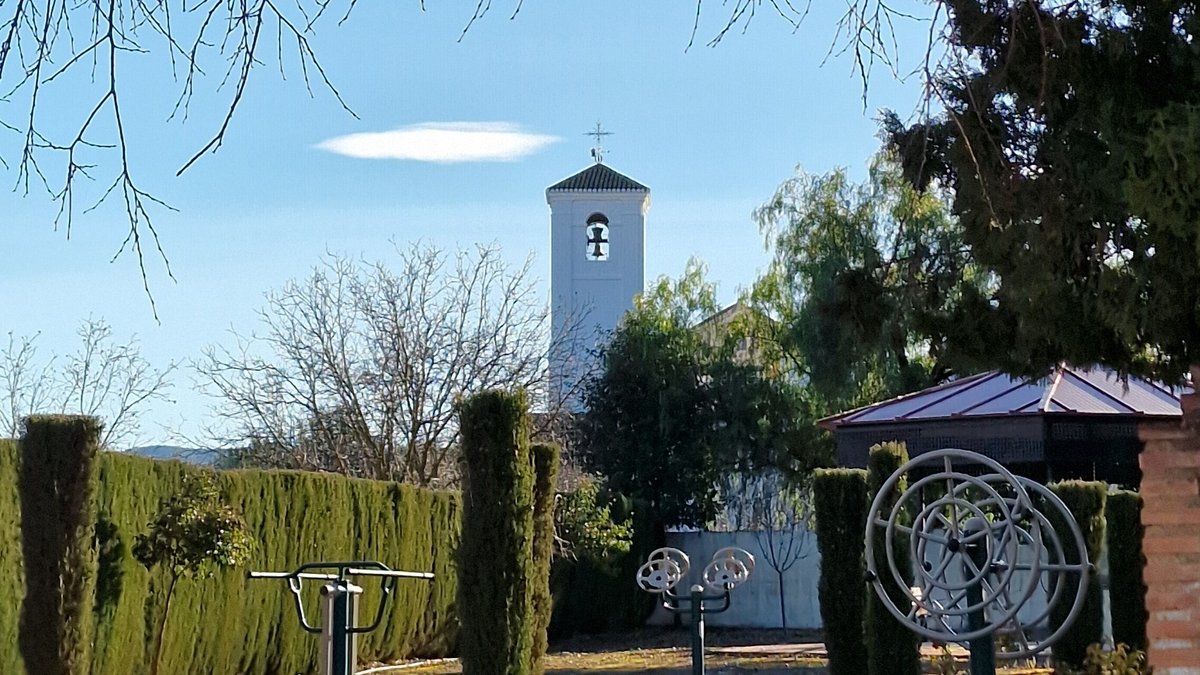
Everything in Játar works upwards. The church tower serves as geographical reference point; lose your bearings and you simply climb until you spot it. The village's single supermarket occupies a cave-like space carved into the rock face, its entrance so narrow that shopping bags must be carried sideways. Fresh produce appears on Tuesdays when a white van parks beside the fountain—locals emerge silently, selecting tomatoes and aubergines with the concentration of serious investors.
The altitude shapes daily rhythms. Summer mornings start early; by 2 pm the streets empty as heat reflects off stone walls. Afternoons belong to shuttered windows and the low hum of fans. Activity resumes around 5 pm when temperatures drop and neighbours reappear with shopping baskets and folding chairs. Evenings stretch long—the village faces west, and sunsets paint the opposing mountains copper before fading to reveal stars undimmed by light pollution.
Winter brings different challenges. When snow closes the access road—usually two or three days each year—the village becomes temporarily self-sufficient. The bakery doubles bread production, someone breaks out stored firewood, and the bar serves as informal information centre. It's during these periods that visitors most appreciate Játar's community; strangers get fed, vehicles get pushed, and everyone knows everyone else's business without seeming to mind.
Walking Into Silence
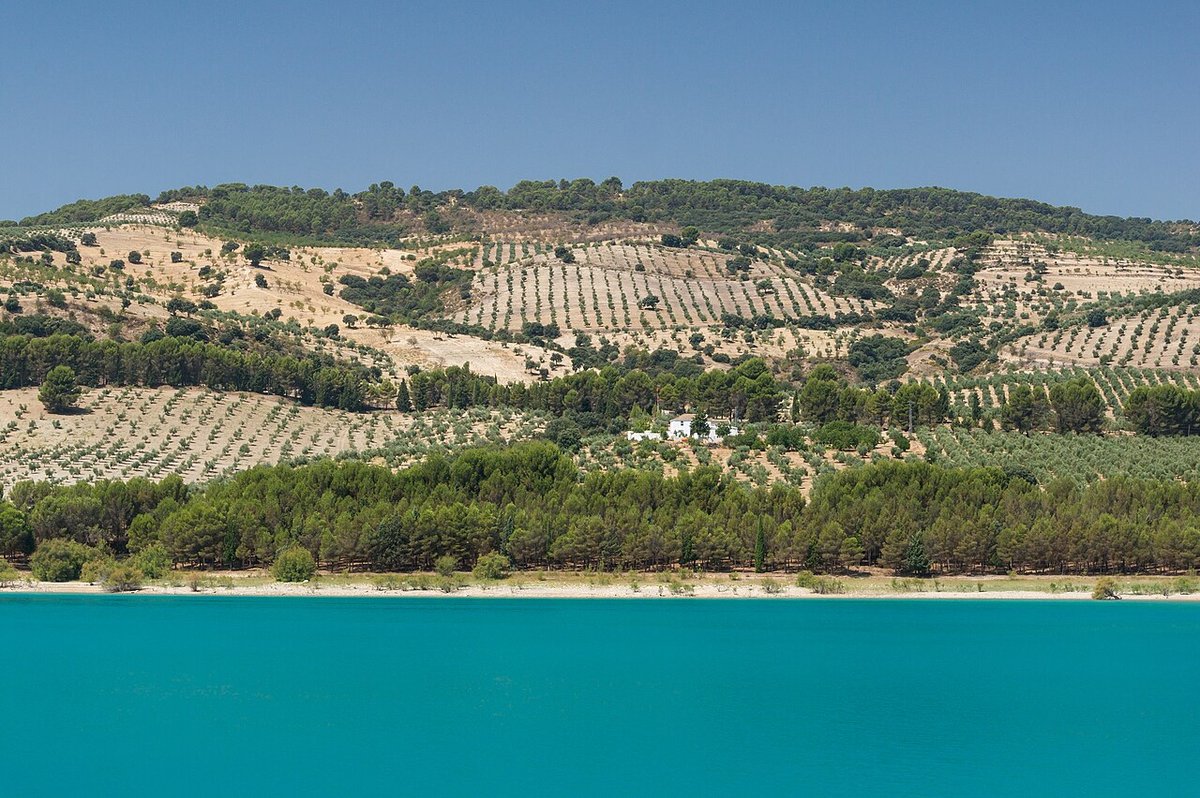
The surrounding landscape offers walking opportunities that range from gentle to properly strenuous. A thirty-minute stroll leads to abandoned terraces where elderly villagers once grew almonds and olives—dry-stone walls still intact, irrigation channels carved directly into bedrock. More ambitious hikers can follow marked paths into the Sierra Nevada proper, though proper boots and water are essential. The altitude means weather changes fast; morning sunshine can shift to afternoon thunderstorms with minimal warning.
Local guide Miguel (find him at Bar El Puente most evenings) leads occasional walks for €15 per person, though he'll only accept groups of four or fewer. His routes follow ancient mule tracks between villages, passing threshing circles carved into flat rocks and old lime kilns hidden in pine forests. He points out edible plants—wild asparagus in spring, blackberries in autumn—and explains how Civil War refugees used these same paths to escape southward.
Birdwatchers should bring binoculars. Golden eagles ride thermals above the valley; smaller Bonelli's eagles nest in cliff faces visible from the village edge. The evening chorus starts with swifts diving between houses, followed by nightjars calling from olive groves. Dawn belongs to hoopoes—their distinctive call echoes off stone walls like mechanical laughter.
What Actually Tastes Local
Food here hasn't been adapted for foreign palates. The village bar serves whatever María cooked that morning—perhaps chickpea stew with spinach, maybe rabbit with almonds. No menu exists; asking produces a verbal list recited too fast for Google Translate. Portions run large; the British concept of individual plates seems unknown. Order tortilla and you'll receive a wedge the size of a paperback book, served lukewarm because that's how locals prefer it.
Weekend churros arrive via white van at 11 am Saturday. Queues form immediately—families buying by the dozen, wrapped in paper that quickly transparents with oil. The vendor, José Maria, also sells chocolate so thick it requires spoons rather than drinking. His van has served Játar for fifteen years; children who once bought single churros now return with their own offspring.
Local olive oil appears in unlabelled bottles at €4 per litre. It's green, peppery, nothing like supermarket versions. The cooperative presses fruit from surrounding groves; production runs small enough that each year's oil tastes slightly different depending on rainfall and harvest timing. Buy it—they won't have change for larger notes, so bring coins.
Practical Realities
Getting here requires commitment. Fly to Málaga, collect rental car, drive north on the A-45 past endless plastic greenhouses until the landscape turns mountainous. The final twenty kilometres wind through terrain that seems designed to induce car sickness—switchbacks, sheer drops, occasional goat herds blocking progress. Google Maps underestimates journey time by approximately twenty minutes; sat-navs occasionally direct drivers onto tracks suitable only for tractors.
Accommodation options remain limited. Casa La Sevillana offers basic but clean rooms from €45 nightly; its roof terrace provides sunset views across to Sierra Tejeda. Finca Las Encinas, three kilometres outside the village, features a pool and English-speaking hosts, though staying there rather defeats Játar's purpose. Book ahead during Easter and August—Spanish families return home, filling every available bed.
The village supermarket stocks essentials but little else. Proper shopping requires driving ten minutes to Alhama de Granada, where larger supermarkets sell everything from fresh fish to British teabags. Many visitors combine this with a session at Alhama's thermal baths—Roman remains, modern facilities, advance booking essential at weekends when Spanish day-trippers arrive in coachloads.
When to Come, When to Stay Away
Spring delivers wildflowers and comfortable walking temperatures—typically 18-22°C during April. Autumn brings harvest activity; olive picking starts November, providing photogenic scenes of nets spread beneath ancient trees. Both seasons see villages at their most active without being overwhelmed.
Summer works for altitude escape—temperatures run 5-7°C cooler than coastal areas. However, afternoon thunderstorms can wreck walking plans, and the village's single bar operates reduced hours as families head to beach apartments. Winter offers crystal-clear days but freezing nights; accommodation lacks central heating, relying instead on wood-burning stoves that require constant feeding.
Avoid August if possible. The village population triples as descendants return from Madrid and Barcelona. Cars park anywhere flat, music plays until 4 am, and finding somewhere to sit requires strategic planning. Similarly, Easter weekend brings processions that, while culturally interesting, transform quiet streets into shoulder-to-shoulder crowds.
Játar won't suit everyone. Those requiring nightlife, varied restaurants, or organised entertainment should head elsewhere. Mobile phone signal remains patchy, Wi-Fi operates at Spanish rural speeds (adequate for emails, hopeless for Netflix), and English speakers are thin on the ground. Yet for travellers seeking somewhere that functions perfectly well without tourism, where daily life continues unchanged despite visitors' presence, this mountainside village delivers something increasingly rare—authenticity without performance, mountain air without ski resort prices, and silence broken only by church bells and the occasional braying donkey.