Full Article
about Jayena
A village with a long history of resin and timber work, set in a valley ringed by mountains—perfect for nature tourism.
Hide article Read full article
A village that still faces the land
Early in the morning, when the sun is only just edging over the hills, Jayena smells of damp earth and spent firewood. Whitewashed houses cling to the slope, and narrow streets drift gently down towards the centre. At that hour there is little more than the sound of a car starting up or a door closing somewhere nearby. The light is still soft, slightly grey in winter, sliding across the terraced fields that surround the village.
Tourism in Jayena often begins with that feeling: being somewhere that still looks firmly towards the countryside. The municipality rests on hillsides overlooking the valley of the river Cacín, with Sierra Tejeda close by and Sierra Nevada appearing in the distance when the air is clear. Winters can be cold, the kind where the sun takes its time to warm the streets, while summers press hard at midday. Even then, evenings usually bring cooler air.
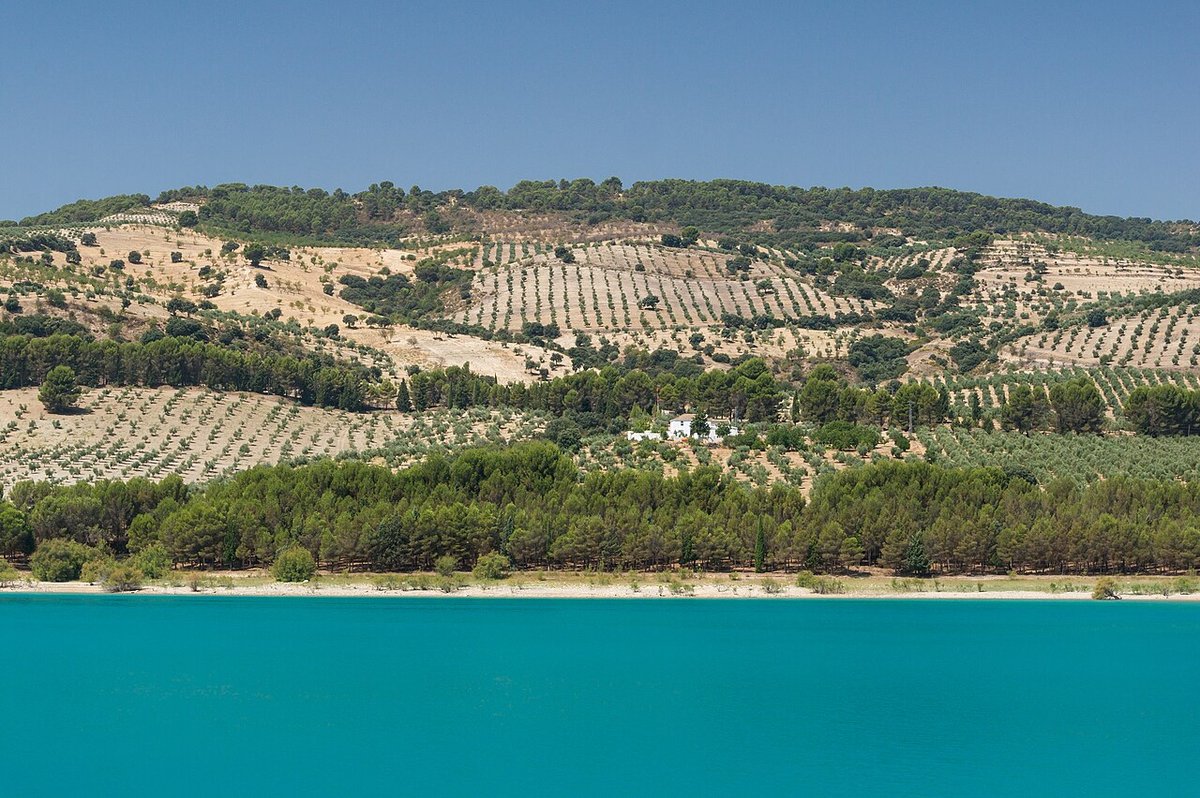
Agriculture continues to shape the landscape. Olive groves, almond trees and some vineyards fill the terraces around the village. At the end of winter, almond blossom scatters white and pink across the fields. By August, everything shifts to ochre tones, and dust rises behind any car moving along the tracks.
From some of the higher points in the area, Sierra Nevada is visible to the north. To the south, on very clear days, there are those who say they can make out a faint blue line, a reminder that the sea is not so far away.
Streets, water and stone
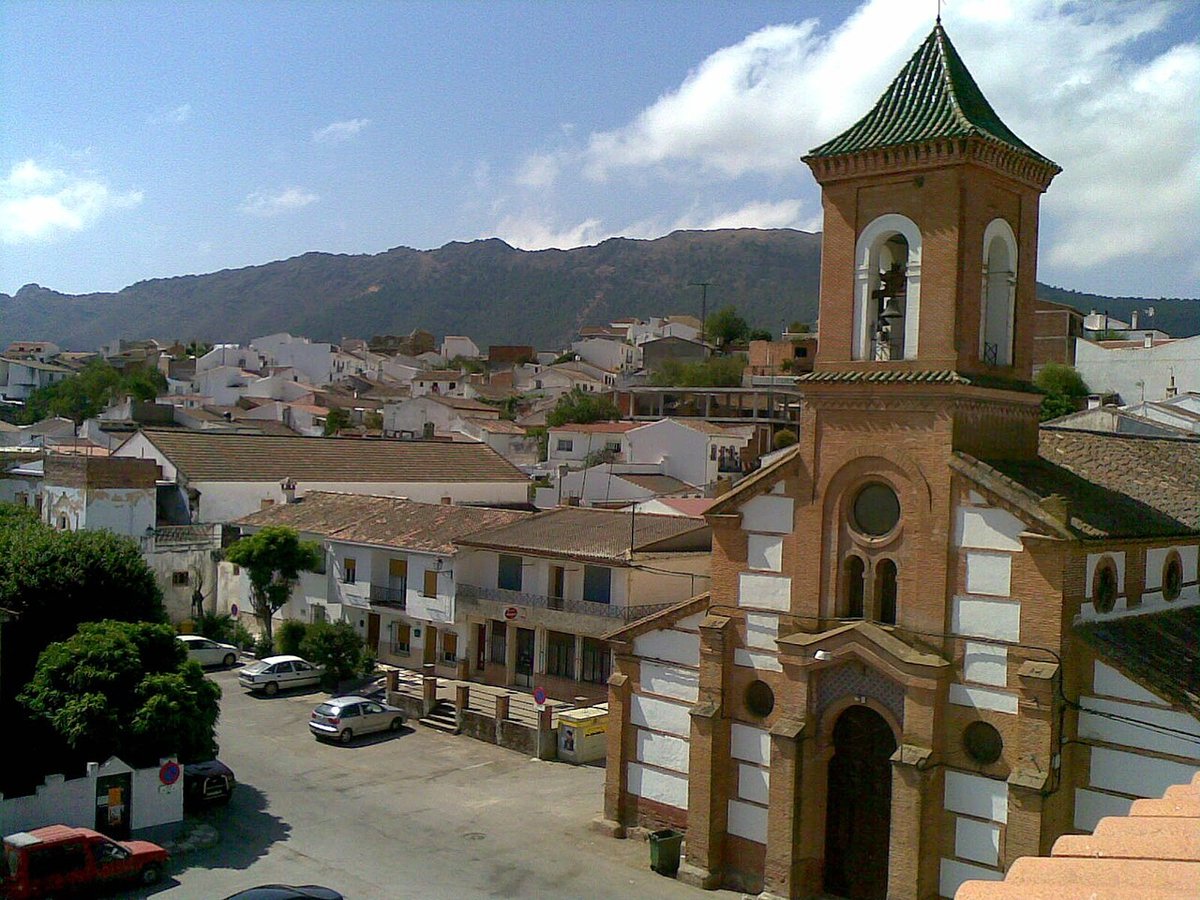
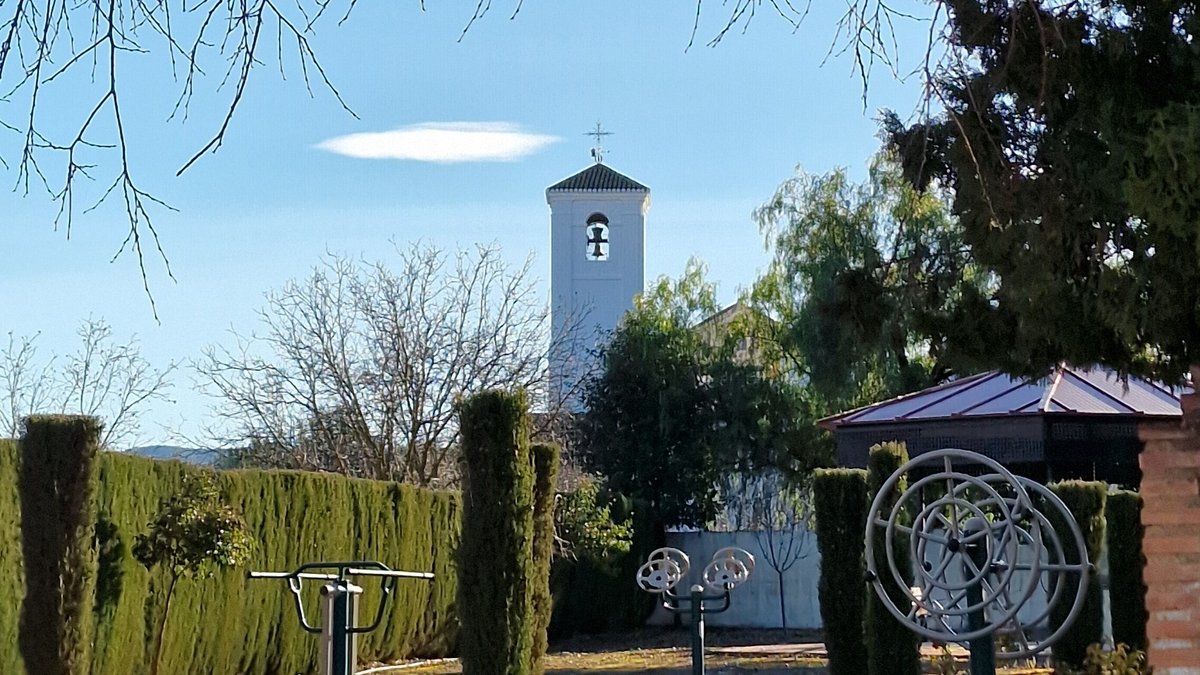
The main square gathers much of daily life. Here stands the Iglesia de Nuestra Señora de la Encarnación, a sober building whose tower can be seen from many streets in the village. Its current structure dates from the early modern period and, as is common in places like this, it has been altered and repaired over time. Inside, there are altarpieces and an image closely tied to local celebrations.
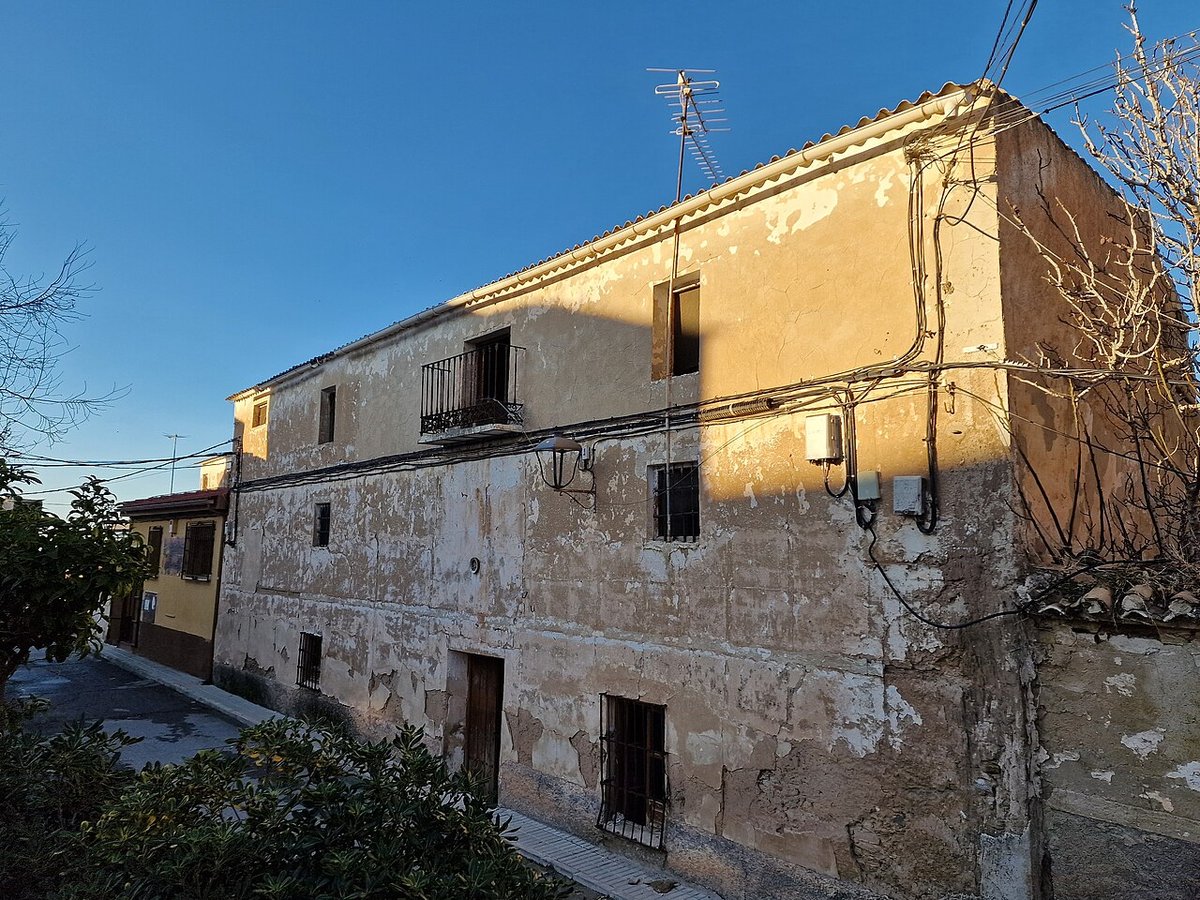
From the square, streets such as Calle Real branch out, lined with simple façades, iron balconies and large doors that open into interior courtyards. This is not a monumental historic centre, but it is compact and easy to explore on foot. By mid-afternoon, it is common to see neighbours sitting near their doorways, making the most of the shade that falls between the houses.
The old public washhouses can still be recognised by their stone structures. For decades they were places of both work and conversation, supplied by water from nearby springs. Today they remain as a reminder of a daily life once closely linked to shared water sources.
On the edge of the village lies the Fuente de los Cinco Caños, a familiar stopping point for anyone heading out towards the surrounding fields. Water still flows from its spouts, and locals often fill large bottles there, particularly in summer.
Up to the Cerro de la Cruz
A path begins in the village and climbs to the Cerro de la Cruz. It is a short walk, though there are stretches with some incline and loose stones, so comfortable footwear makes a difference.
At the top are the remains of an old fortification of Andalusí origin, referring to the period of Muslim rule in parts of Spain. The ruins are modest, but they help explain why this hill was chosen: from here, the valley and the surrounding slopes of Jayena are clearly visible. When the wind drops, the silence is almost complete, broken only by the distant sound of a bell from grazing animals or a bird passing overhead.
Paths through almond and olive groves
The area around the village is crossed by agricultural tracks linking farmhouses and small plots of land. Many are now used for walking or gentle cycling, always with respect for the farms that are still active.
One of the best-known routes passes through areas of almond trees in bloom towards the end of winter. Between February and March, depending on the year, the landscape changes suddenly as pink and white patches appear among the muted tones of the countryside. It is best to go early, as by mid-morning the sun can already feel strong even in those months.
Light shifts noticeably here over the course of the day. At sunrise, the terraces cast long shadows. By late afternoon, the nearby sierras take on violet hues, and for a few minutes the village turns softly golden before night falls.
Home cooking and produce from the land
The food found in Jayena follows the same patterns as its landscape: rooted in what has always been made at home. There are hearty spoon dishes when the cold sets in, migas during the drier months, and roasted meats where kid goat often appears. Olive oil from the area is used generously in almost everything.
Small shops in the village sell products from the surrounding comarca, or region: almonds, dried figs and oil from the latest harvest. It is common for these to come from nearby farms.
Celebrations that bring people together
Throughout the year, several festivities are linked to agricultural cycles and religious traditions. In summer, the celebrations in honour of the Virgen de la Encarnación fill the square with music and with people returning to the village for a few days.
In spring, the romería of San Isidro, a traditional rural pilgrimage, usually takes place as well, following paths through the countryside around the area.