Full Article
about Santa Cruz del Comercio
Small town rebuilt after the 1884 earthquake; quiet rural setting focused on farming.
Ocultar artículo Leer artículo completo
A village that refuses to perform
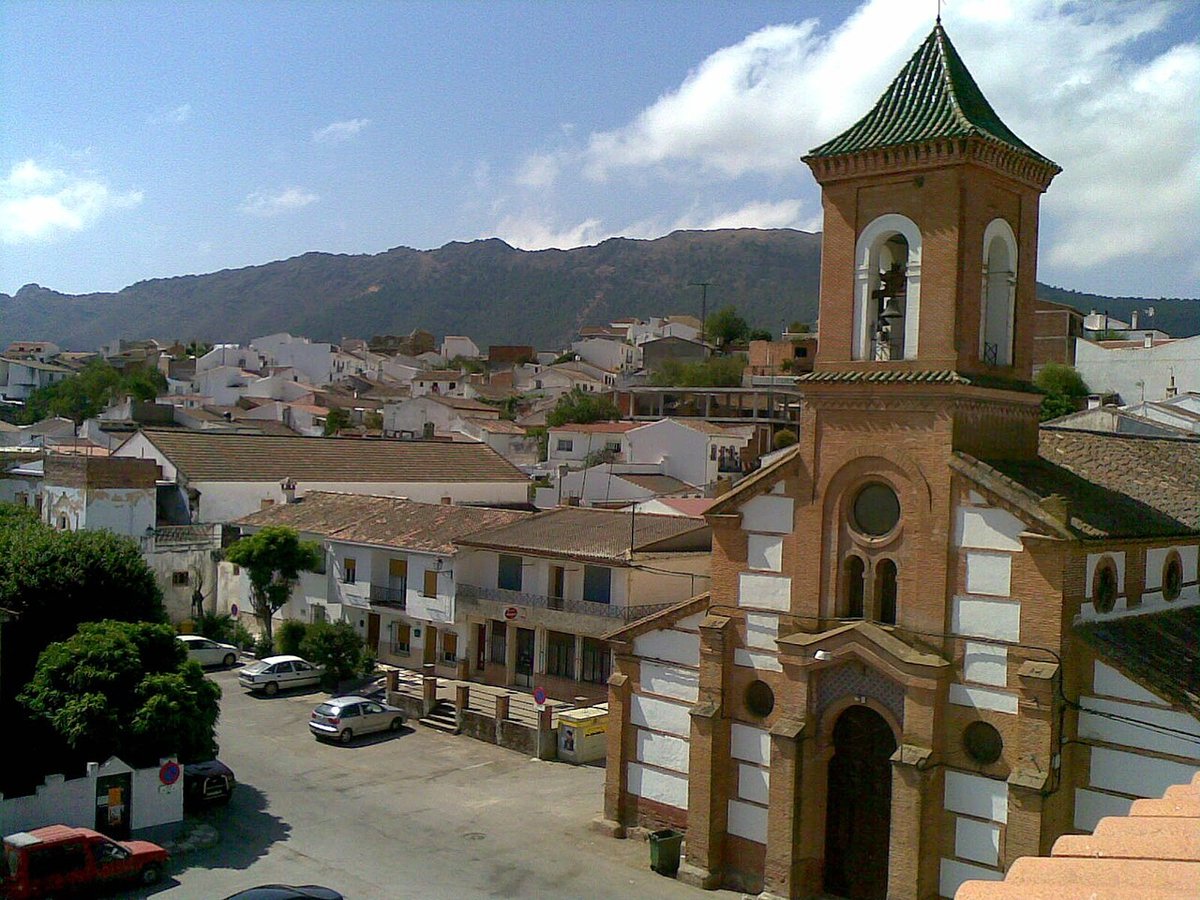
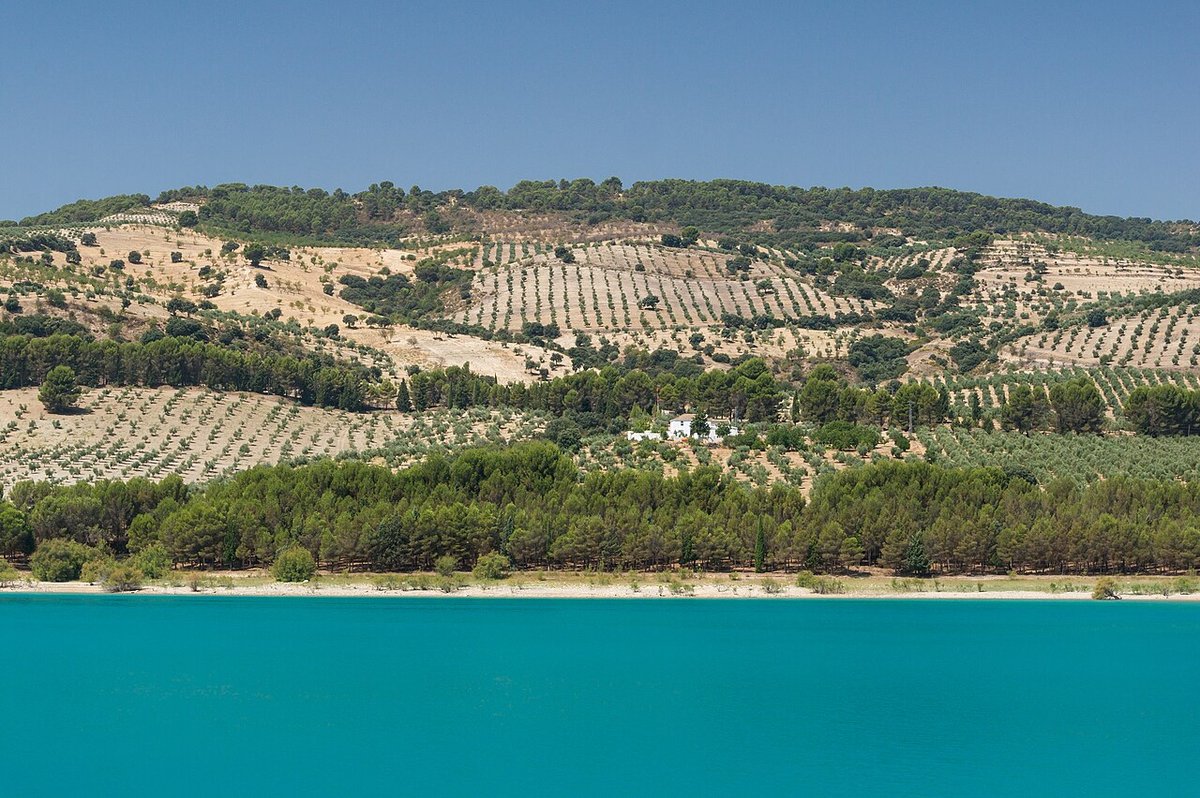
The first thing you notice is the quiet. Not the hushed, expectant quiet of a tourist trap waiting for cameras to appear, but the matter-of-fact silence of a place that never bothered with them in the first place. Santa Cruz del Comercio sits 740 metres above sea level, its 554 inhabitants outnumbered roughly fourteen to one by the olive trees that quilt the surrounding hills. There's no centre to speak of—just a church, a scattering of whitewashed houses, and roads that dissolve into farm tracks when they lose interest.
This is the Alhama comarca, forty minutes west of Granada city, where the Sierra de la Almijara bruises the skyline and the air carries the resinous tang of rosemary crushed underfoot. The village name harks back to muleteer routes that once threaded through these hills, moving grain and silk between Granada and the coast. Today the only regular traffic is agricultural: tractors at dawn, the occasional lorry groaning under crates of picual olives, and hire cars whose drivers have taken a wrong turn looking for somewhere more obviously picturesque.
What passes for a high street
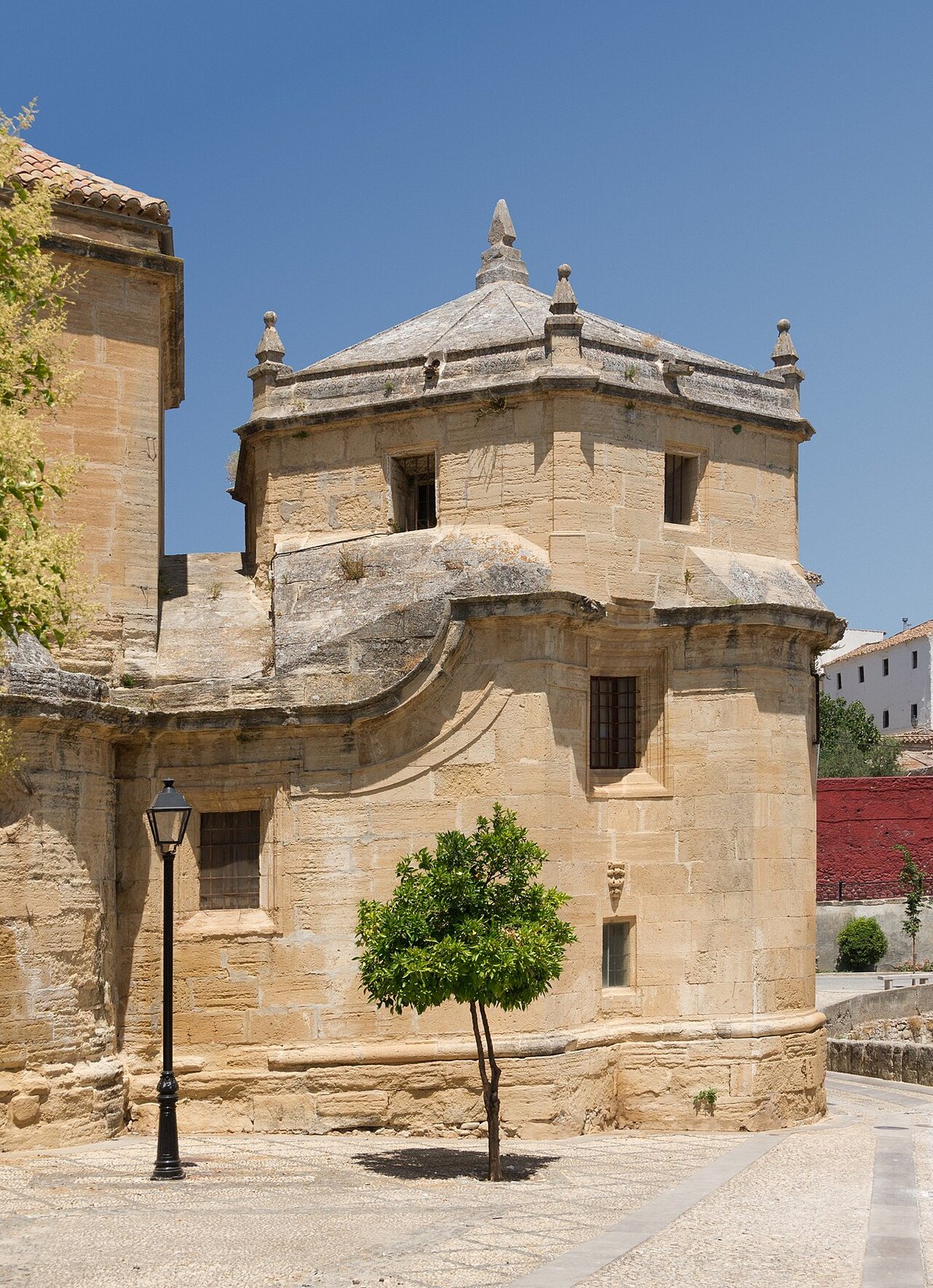
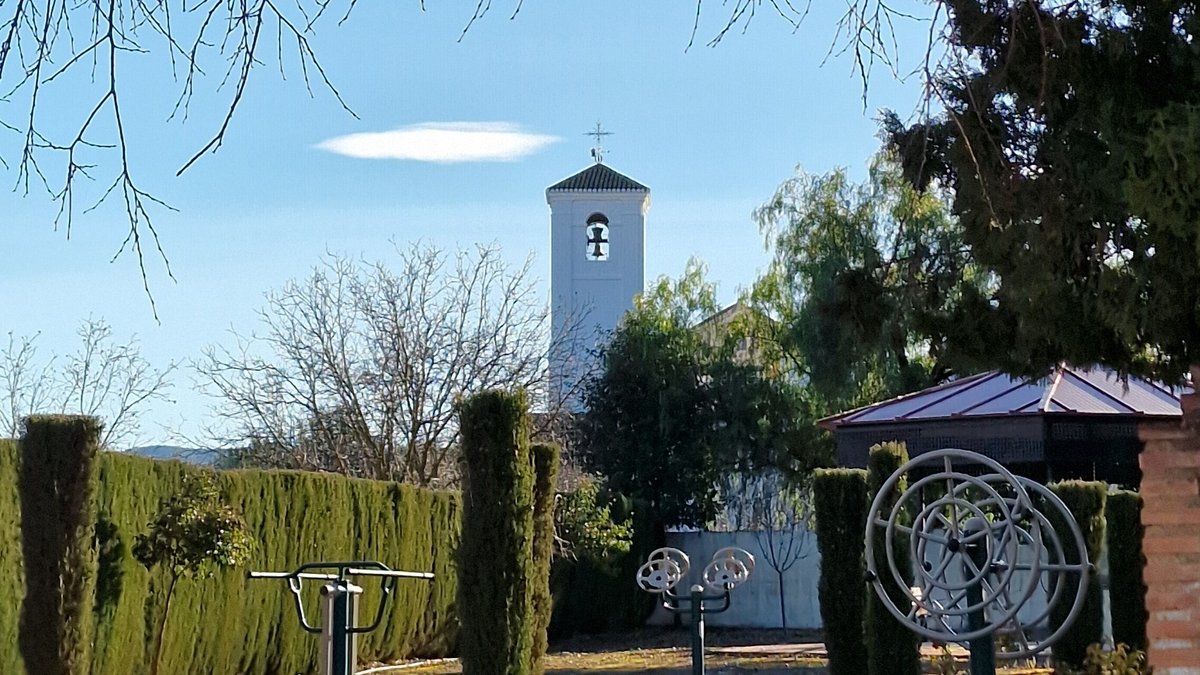
The parish church of Nuestra Señora de la Encarnación squats at the top of a gentle rise, its bell tower more functional than ornate. Inside, the walls bear the water stains of centuries and the pews are polished smooth by generations of the same families. There's no ticket office, no multilingual signage, just a handwritten notice requesting that visitors respect the liturgical silence—something the village observes year-round regardless of tourist season.
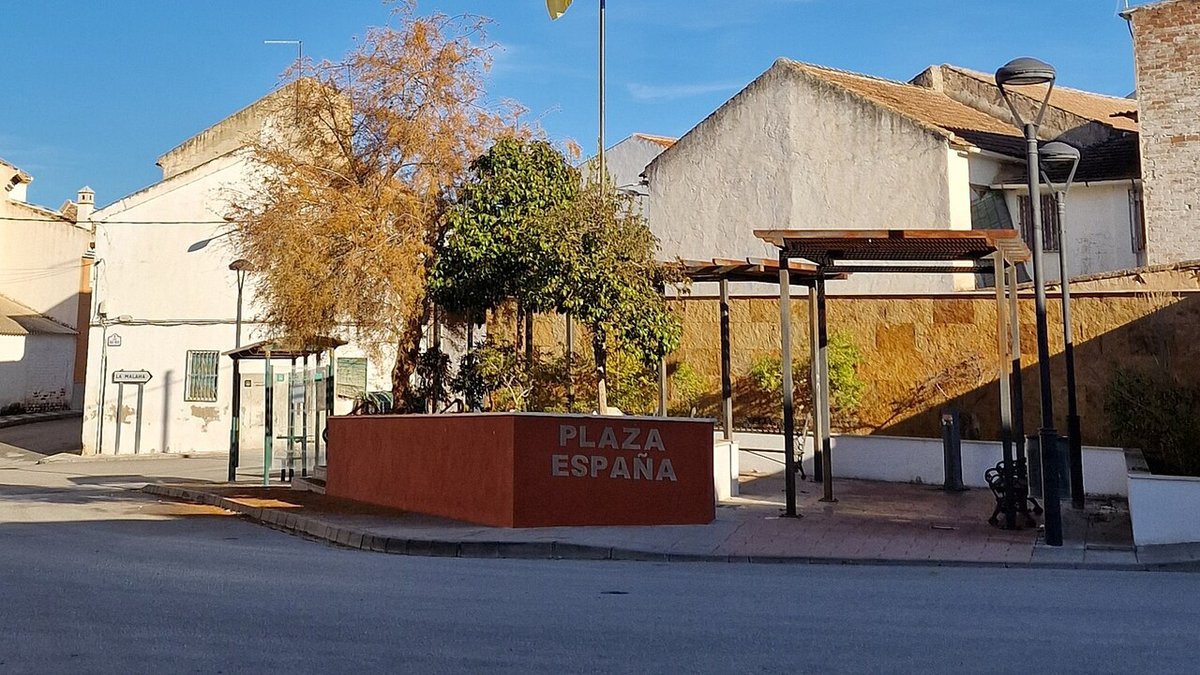
Below the church, two streets converge at a small plaza where the ayuntamiento flies a Spanish flag that has faded to a diplomatic pink. A bench, a drinking fountain, and a defunct phone box complete the civic furniture. The nearest shop is a ten-minute drive towards Alhama de Granada, so locals have learned to live by the rhythm of weekly markets and the bread van that toots its horn at nine each morning. If you need milk after noon, you're walking to the cortijo at the edge of town where they'll sell you some from a churn, still warm from the goat.
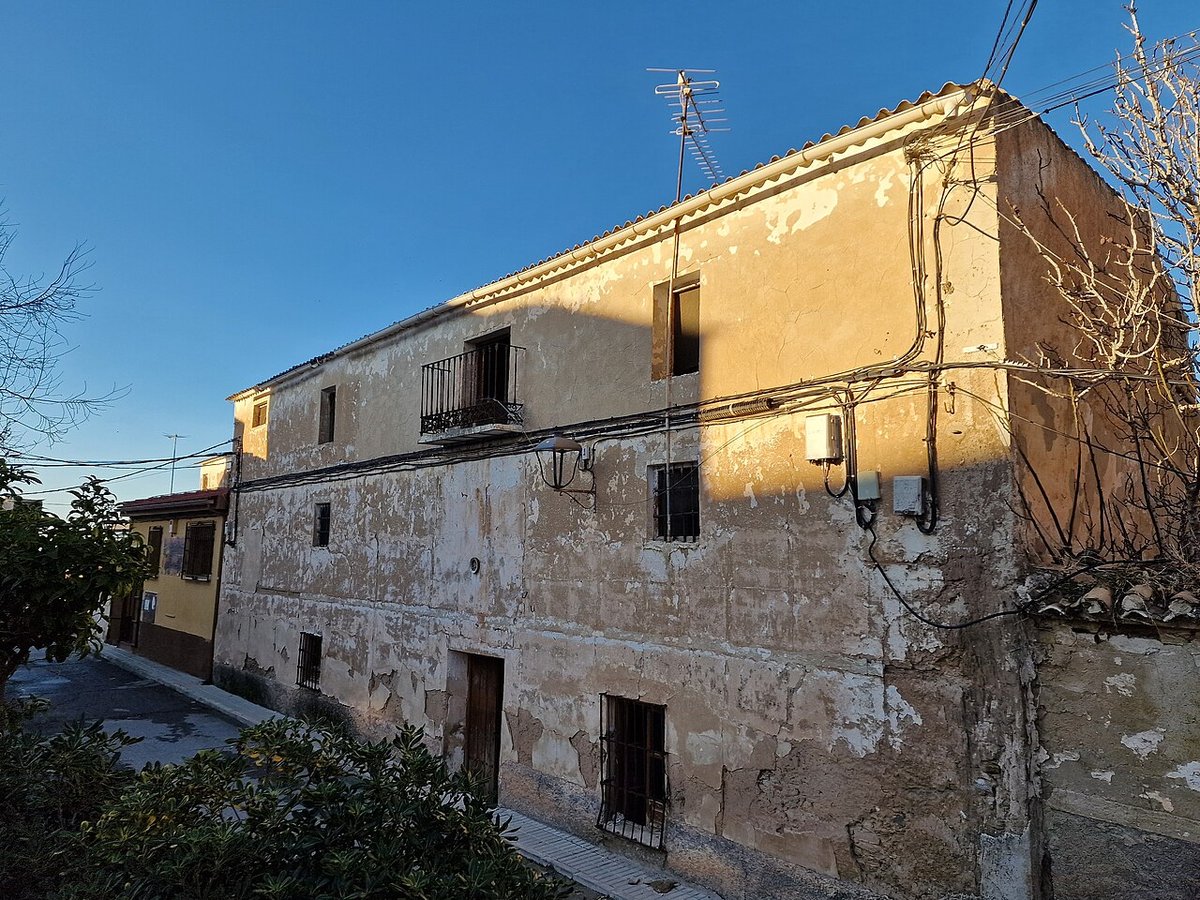
The houses reveal themselves slowly: a cobalt-blue door left ajar shows a courtyard of geraniums and a caged goldfinch; an elderly man in a beret whitewashes his façade with a brush attached to a broom handle, moving at geological speed. Laundry flaps from wrought-iron balconies, and television sets flicker behind lace curtains tuned to the afternoon bullfight. Nobody rushes to greet you, but neither do they object to being photographed—provided you don't block the narrow lane where their cousin is trying to reverse a donkey cart.
Walking without waymarks
Santa Cruz del Comercio has never heard of way-marked trails. Farmers simply walk the same paths their grandfathers used, and visitors are welcome to follow—at their own risk. Head north past the last streetlamp and the tarmac gives way to a stone track that climbs between dry-stone terraces. After twenty minutes the village shrinks to a white smear on the hillside and the only sound is your own breathing and the metallic zip of cicadas.
The reward is a saddle-backed ridge where the Sierra Nevada appears suddenly, its snow-coated summits floating like a separate continent above the haze. Below, the olive monoculture stretches to the horizon, the trees shimmering grey-green in the breeze, each one planted precisely eight metres from its neighbour as if obeying some ancient ordinance. In April the understory erupts with poppies; by late June everything has been grazed to straw by sheep whose bells clank in the heat.
Serious walkers can link up with the old drovers' route that drops to the Pantano de los Bermejales, a reservoir whose turquoise water looks almost Provencal until you notice the semi-submerged village church that reappears only in drought years. The round trip is 16 kilometres with 500 metres of ascent; carry more water than you think sensible, because the only bar en route opens when the owner's television programme finishes, and that could be dusk.
Eating by appointment
There are no restaurants in Santa Cruz del Comercio itself. What the village offers instead is the Spanish institution of the menú del día served in somebody's front room—provided you booked yesterday and don't mind eating whatever the family is having. Expect a clay bowl of migas—fried breadcrumbs laced with garlic and chorizo—followed by conejo al ajillo, rabbit stewed until it surrenders. The olive oil comes from trees you can point to through the window; the wine is drawn from a plastic barrel and tastes of sun and tin.
If that sounds too intimate, drive ten minutes to Venta El Puerto on the old Granada-Málaga road, where half a roast chicken, chips and a salad costs €9 and the waitress calls everyone "mi arma". They close at six, sharp. Vegetarians should lower expectations: even the green beans arrive garnished with scraps of jamón. Pudding is usually a slice of orange with the skin still on; coffee comes in glasses scalded from the dishwasher. Nobody leaves a tip because the bill already includes a service charge of precisely zero euros.
When to come, when to leave
May and late September offer the kindest light and temperatures that hover around 24 °C—warm enough to sit outside at night, cool enough to walk at midday without expiring. July and August are brutal: the mercury kisses 40 °C by eleven o'clock and the village emptes as locals flee to the coast. Winter brings crystalline skies and frost that silvers the olive leaves, but nights drop below freezing and most rural accommodation shuts from November to March.
The fiesta mayor happens around 15 August, when the population quadruples as descendants return from Barcelona and Madrid. A fairground ride the size of a lorry appears overnight, the church façade is draped in coloured bulbs, and somebody's cousin's band plays Queen covers until the Civil Guard suggest otherwise. It's the only time you'll struggle to park; the rest of the year you could host a cricket match in the main street without inconveniencing anyone.
How to get here—and why you might not bother
Public transport is a theoretical concept. The nearest bus stop is in Alhama de Granada, 12 kilometres away, and the service from Granada city runs twice daily except Sundays, when it doesn't run at all. Hire a car at the airport or resign yourself to an €80 taxi and a lot of mime.
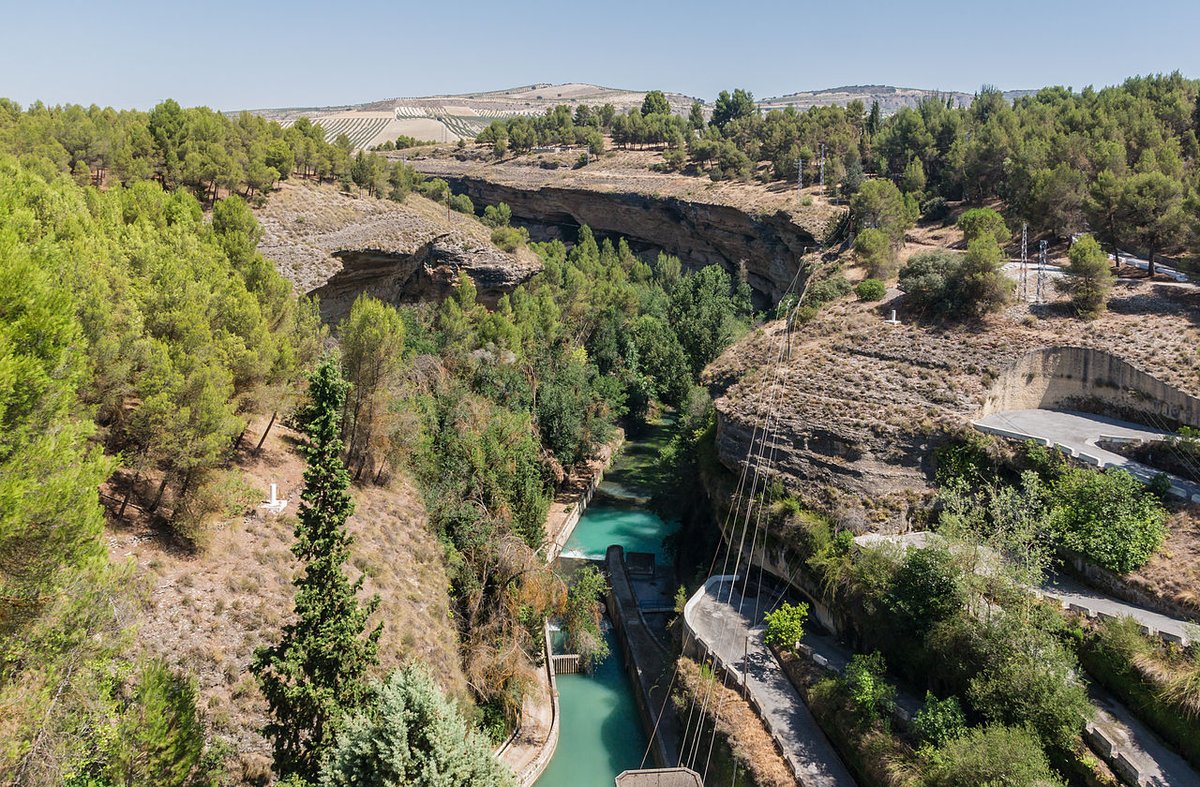
From Málaga, take the A-92 past Loja and exit at Ventas de Zafarraya; the final 12 kilometres snake through a limestone gorge where eagles circle below the road. It's dramatic, but if you meet a combine harvester coming the other way one of you is reversing half a mile. Full insurance is advised; so is a paper map, because GPS signals vanish whenever a mountain feels like it.
And that, really, is the point. Santa Cruz del Comercio doesn't do highlights. It offers instead the rare luxury of being left alone: a place where the loudest noise at night is the church clock striking twelve, where the bakery is a car boot, and where the sierra keeps watch like a granite bodyguard. Come if you want to finish a book, remember what boredom feels like, or simply establish that villages can still exist without gift shops. Leave before you start yearning for a flat white—because the nearest one is forty minutes away, and by then the spell is already breaking.