Full Article
about Ventas de Huelma
Historic stop in the Temple area; dry-land farming and traditional rural atmosphere
Hide article Read full article
A place that feels like a pause
Some places work as destinations, others feel more like a pause along the way. Ventas de Huelma sits somewhere in between. Driving through this part of the province of Granada, surrounded by olive groves, the village appears almost without warning: a handful of streets, low houses, and a kind of quiet that only shifts when a tractor passes or a conversation drifts out from a doorway.
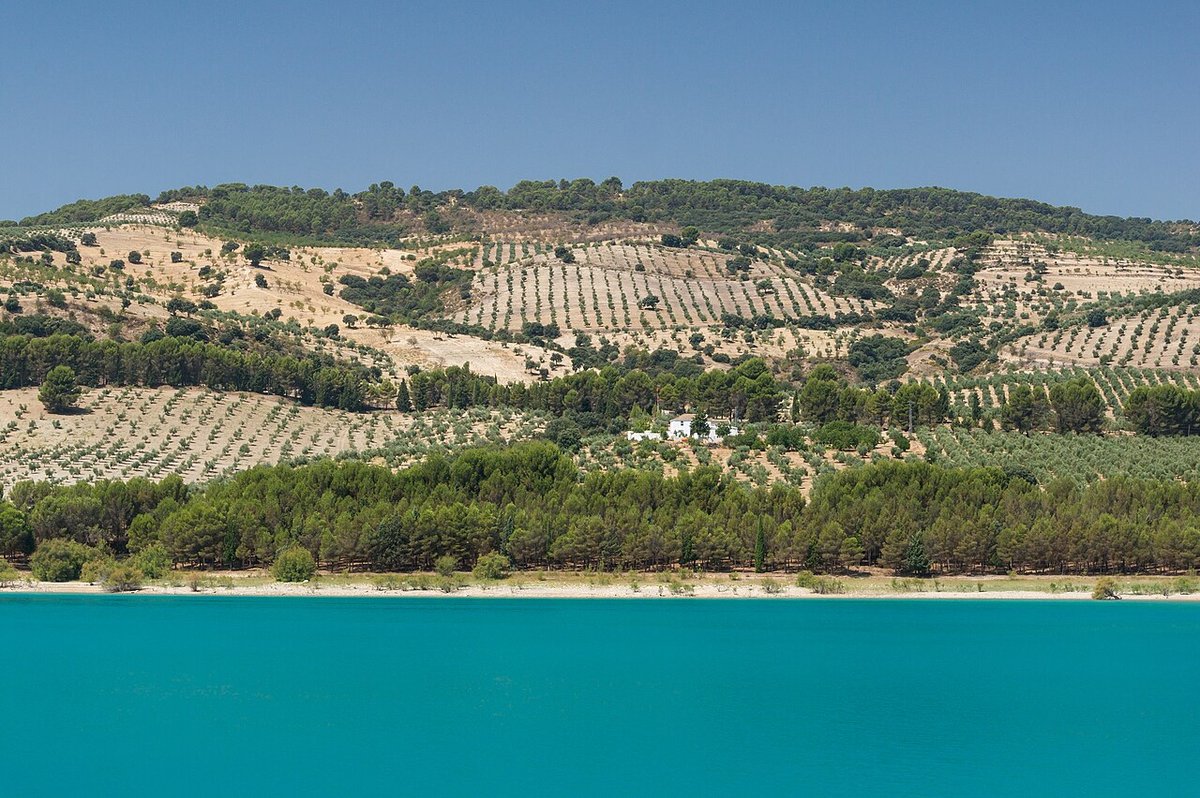
Ventas de Huelma has only a few hundred residents and its life revolves largely around farming. It lies in the comarca of Alhama, among gentle hills covered with olive trees. On clear days, from higher ground within the municipal area, you can just make out the mountain ranges that frame this part of Andalucía. Even so, the landscape here is less about sweeping views and more about looking closely and understanding how the land is worked.
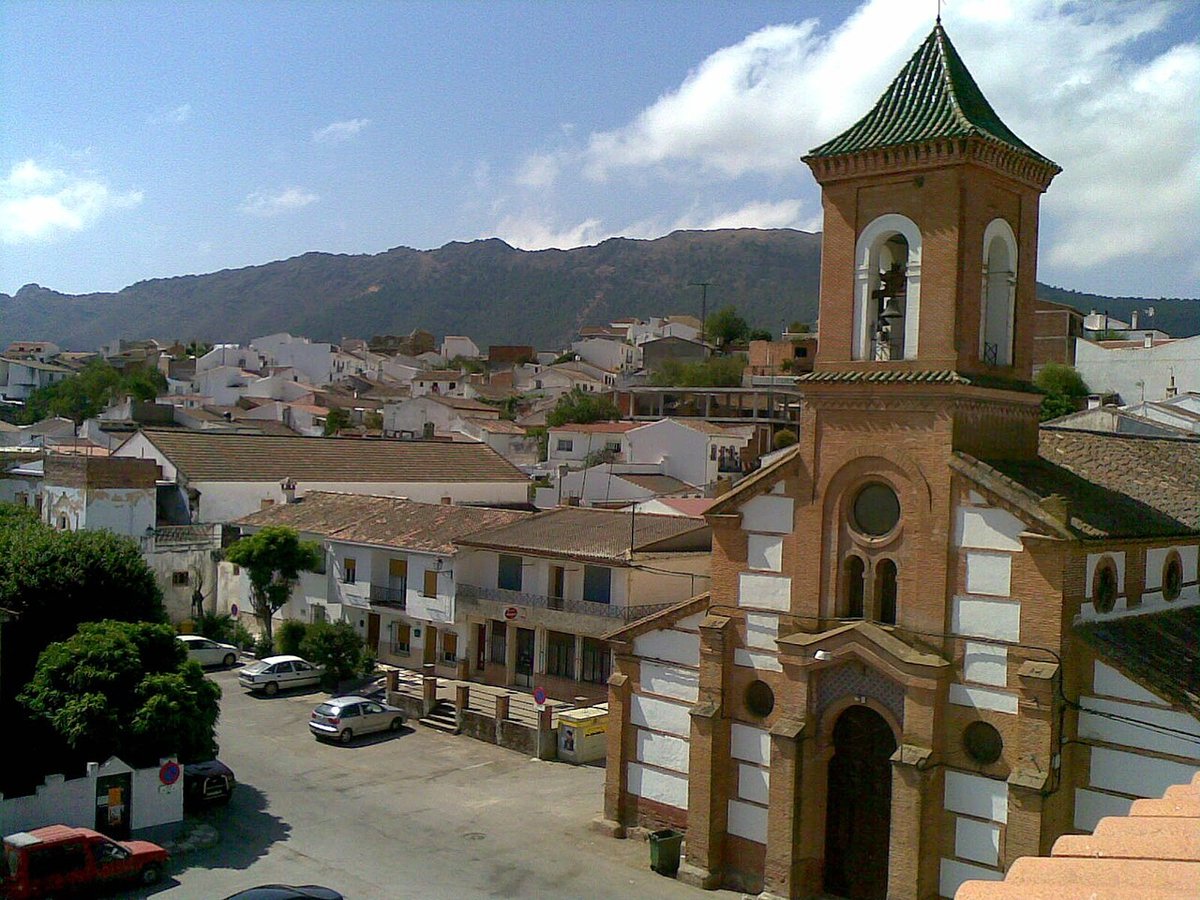
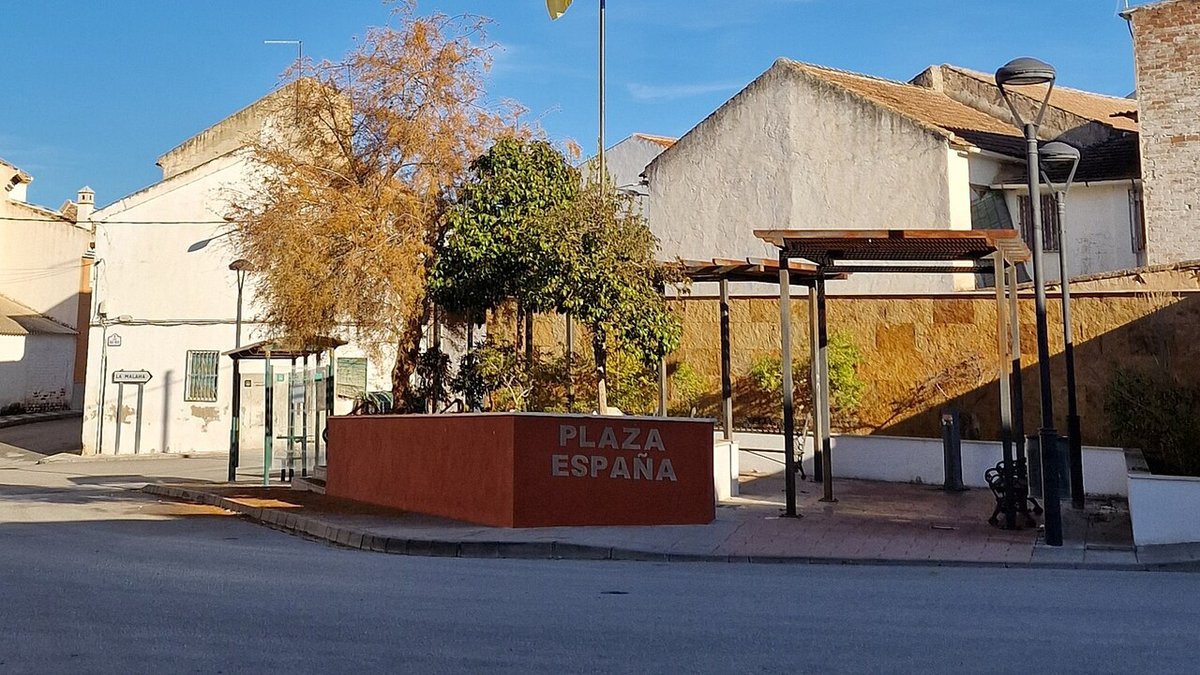
The village still carries the feel of a crossroads settlement. There is a main street, a square, the church of San Sebastián, and little else. It is not a place of monuments or big surprises. It is the sort of place where you sit for a while in the square, listen to conversations ebb and flow, and then continue on your way.
The immediate surroundings are typical of inland Granada: rolling hills planted with olive trees and agricultural tracks winding between plots. Olive oil has set the rhythm here for generations. During the harvest season, it becomes especially noticeable, with tractors constantly moving in and out of the village and activity building in the nearby mills.
A short walk through the village
Ventas de Huelma is easy to explore. In about twenty minutes, you can cross its main streets without needing a map.
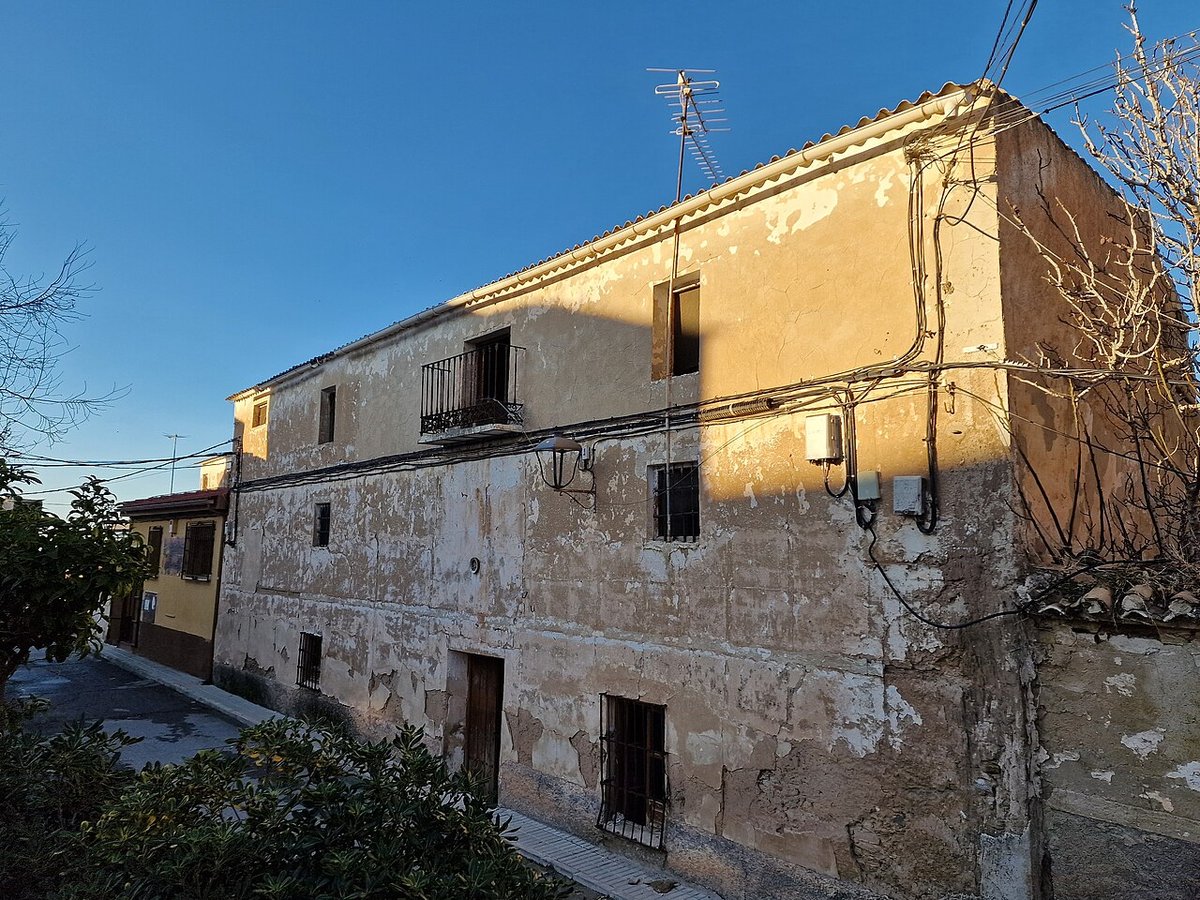
Whitewashed houses, large wooden doors and the occasional old courtyard hint at its agricultural past and present. These are not façades designed for display. Everything leans towards practicality rather than decoration.
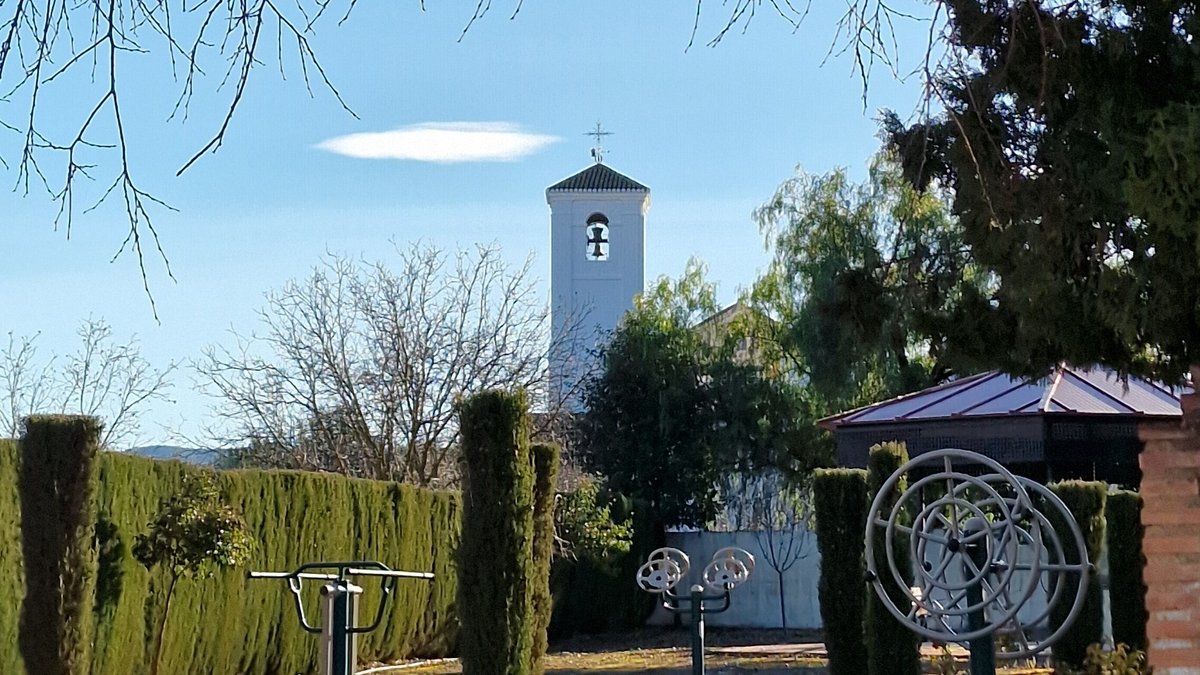
The church of San Sebastián stands at the centre of the square. It is simple, much like the rest of the village, and during the day it acts as a focal point for daily life. People pass through, neighbours stop to talk, and cars move slowly in and out.
There are also a few traditional fountains scattered around the village. They are small and functional, the kind once used daily by residents. Some people still stop by to fill a container or simply to cool off during the summer.
Walking among olive groves
For those who enjoy uncomplicated walks, the surrounding area offers plenty of options. These are not mountain routes or well-known trails, but rural paths that cut through olive groves and link different plots of land.
The terrain is gentle, with little change in elevation. What matters here is not distance or challenge, but attention to detail. Stone walls divide the fields, nets appear beneath the olive trees during harvest time, and in the distance you can often hear tractors at work.
It is the kind of walk that feels less like an excursion and more like keeping pace with the countryside.
By late afternoon, the landscape shifts noticeably. The light softens, shadows stretch between the trees, and everything becomes quieter. For those interested in rural photography, this tends to be the moment to take out the camera.
Food shaped by the land
The cooking in Ventas de Huelma follows the same traditions found across this part of Granada. The dishes are filling and practical, the sort that make sense after a morning working outdoors.
Migas, simple stews, and game meat when it is in season are common, usually served with plenty of bread. And olive oil, specifically the local extra virgin variety, appears in almost everything.
During the olive harvest, it is sometimes possible to see the mills operating at full capacity. If the opportunity arises to step inside or visit one with someone from the village, it offers a clear view of the process, from freshly picked olives to the final oil.
Local celebrations
Festivities here retain the character of local events where most of the village takes part.
San Sebastián, the village’s patron saint, is celebrated in winter with a procession and modest gatherings that bring residents together. In summer, the feria arrives, bringing music to the square and social gatherings that stretch late into the night once the heat eases.
Semana Santa, or Holy Week, also has its place, with short processions through the central streets and strong involvement from local families.
These are not events designed to draw large crowds. They are moments when the village comes together in its own rhythm.
When to visit
Spring and autumn are usually the most comfortable times to spend time in this area. In spring, the countryside turns greener and the weather suits walking. In autumn, the olive harvest begins, changing the pace and atmosphere of the village.
Summer can be very hot, as in much of inland Andalucía. Early mornings are the best time for walking, while the middle of the day is better spent in the shade.
Ventas de Huelma is not a place to approach with a long list of things to do. It is somewhere to pause briefly, take a slow walk, and come away with a clear sense of how life unfolds in a small agricultural village in this part of Granada.