Full Article
about Zafarraya
Set in a fertile polje or karst valley; known for its summer crops and the natural route into La Axarquía.
Ocultar artículo Leer artículo completo
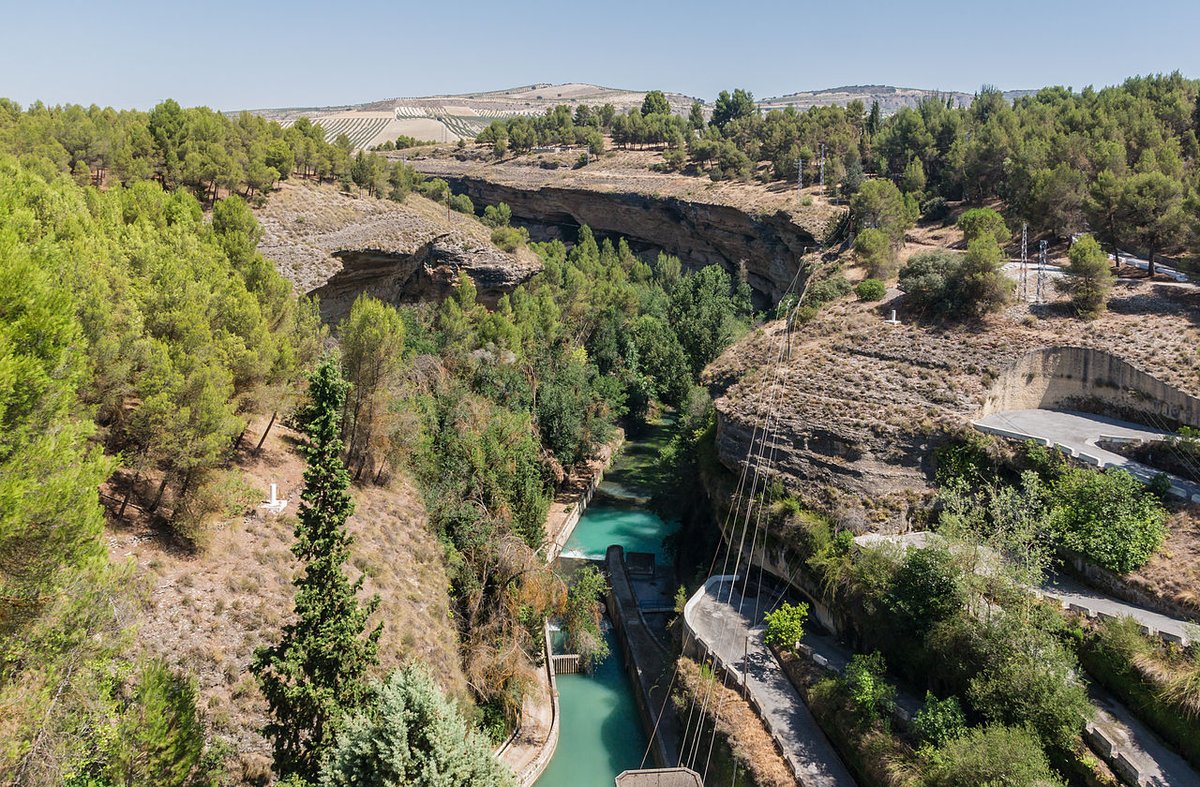
The morning bus from Málaga wheezes to a halt at 906 metres, and suddenly the Costa del Sol feels like a rumour. Below the guardrail, the earth drops away in red folds until it meets the Mediterranean, a blue seam on the horizon. This is the Boquete de Zafarraya, a wind-gap punched through the limestone by prehistoric rivers, and the reason why a scatter of white houses sits perched on the lip of a cliff, growing vegetables where eagles should nest.
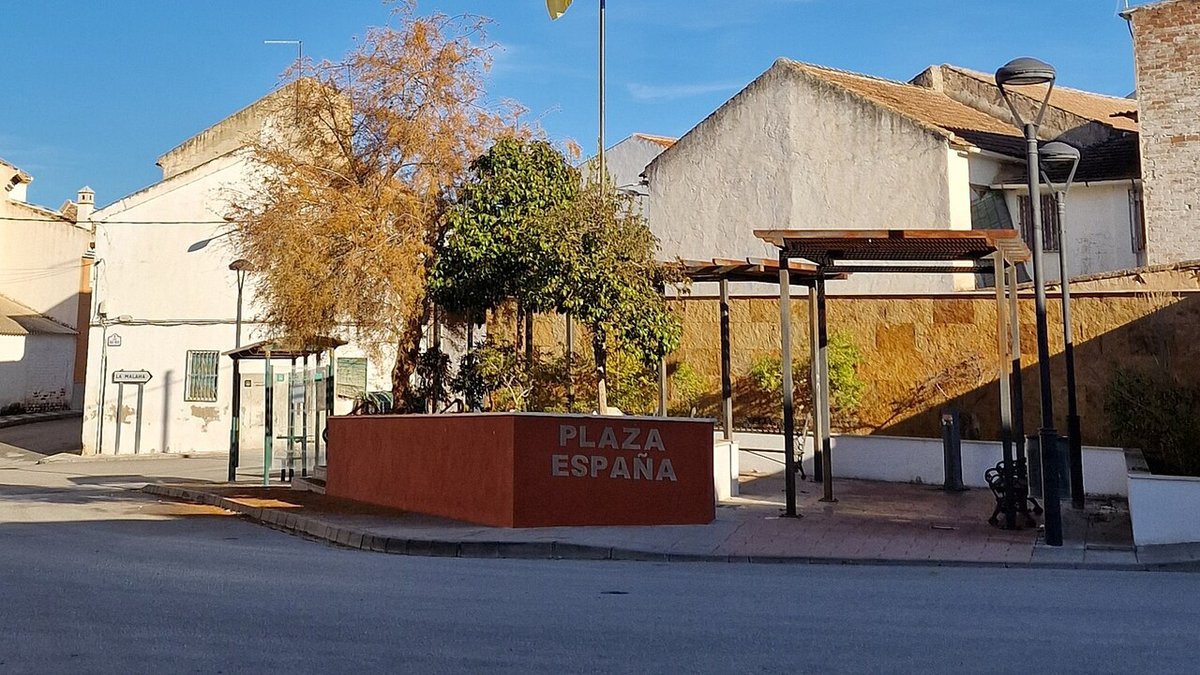
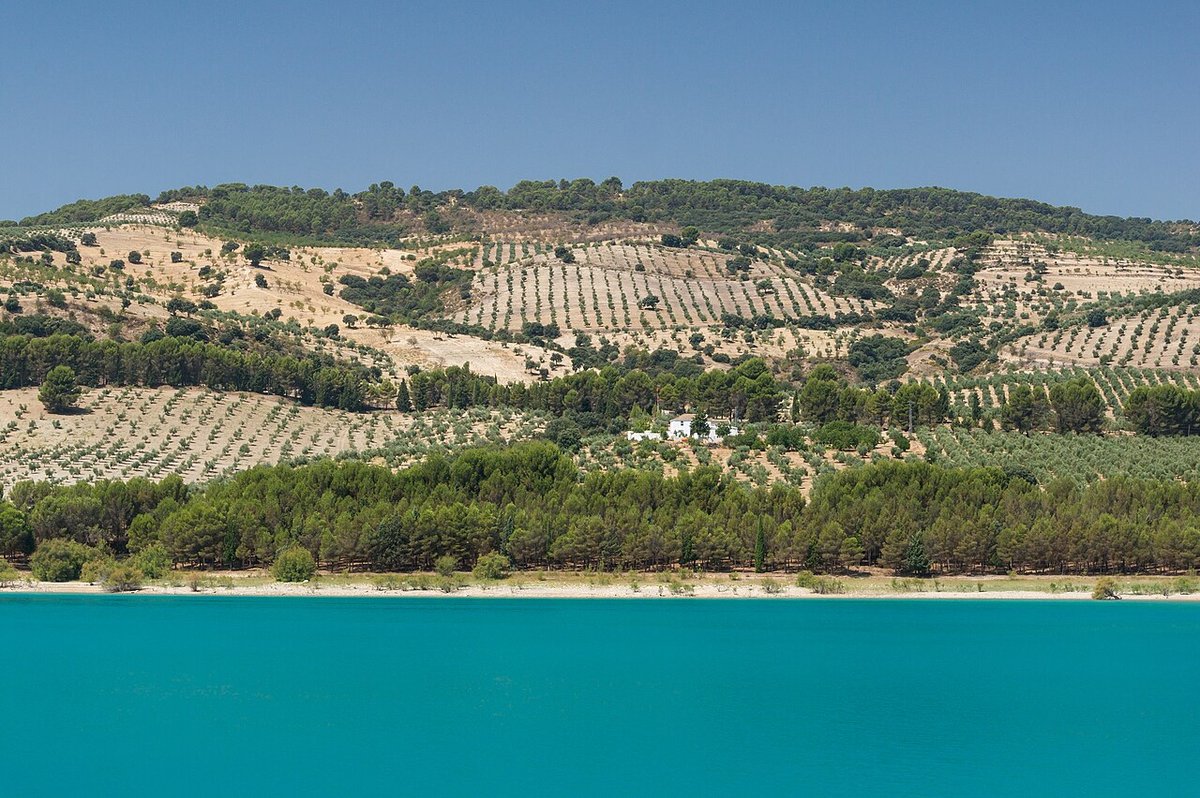
Zafarraya calls itself a village, but it behaves like a small town that forgot to grow. Two thousand souls, one proper supermarket, and a morning chorus of tractors rather than mopeds. The main street, Avenida de Andalucía, is wide enough to turn a cart and still hosts the weekly market under the same plane trees that shaded the last century’s mule trains. Order a coffee in Bar Central and it arrives with a glass of tap water and a view of the vega – a chessboard of allotments and plastic greenhouses that supplies Granada’s restaurants with artichokes, asparagus and the earliest tomatoes in Europe.
The Gap that Made a Living
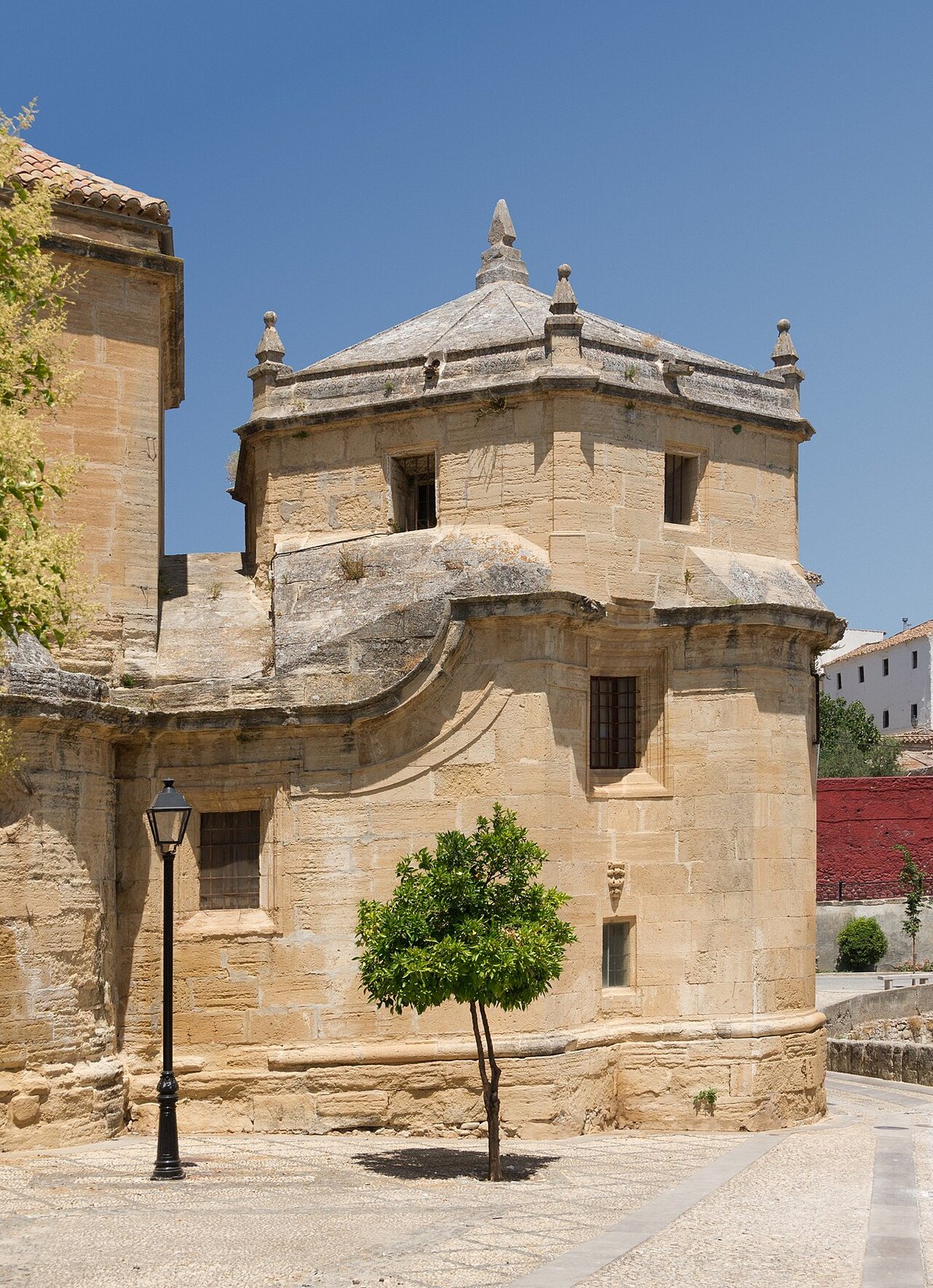
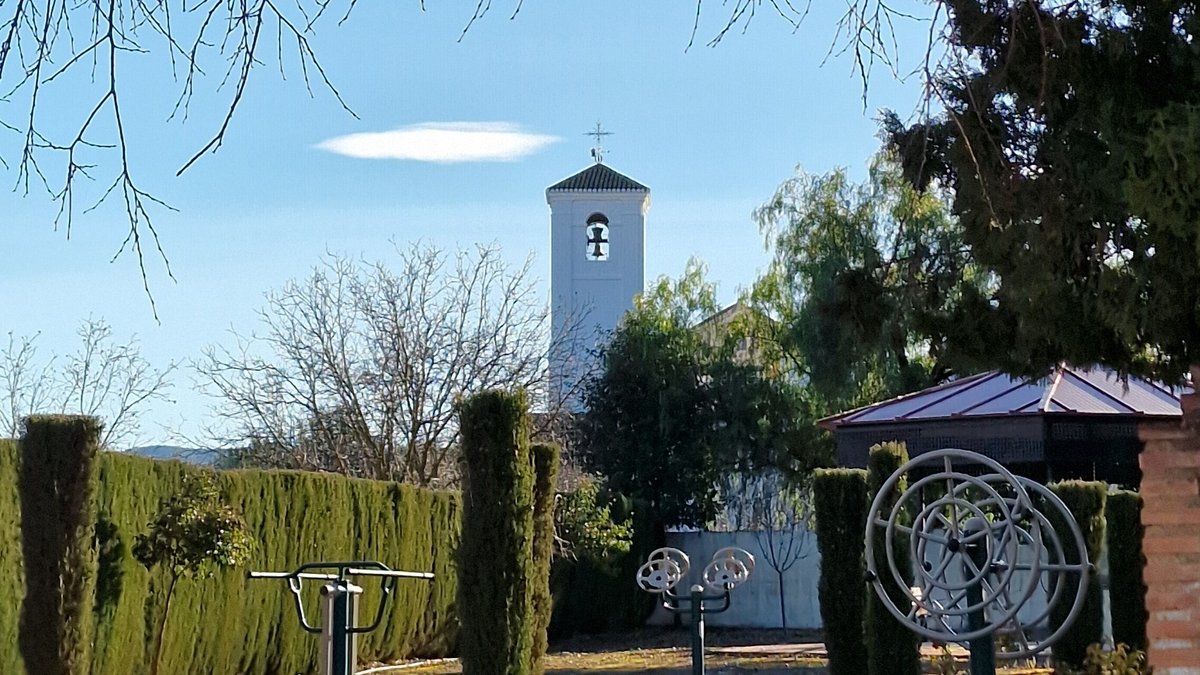
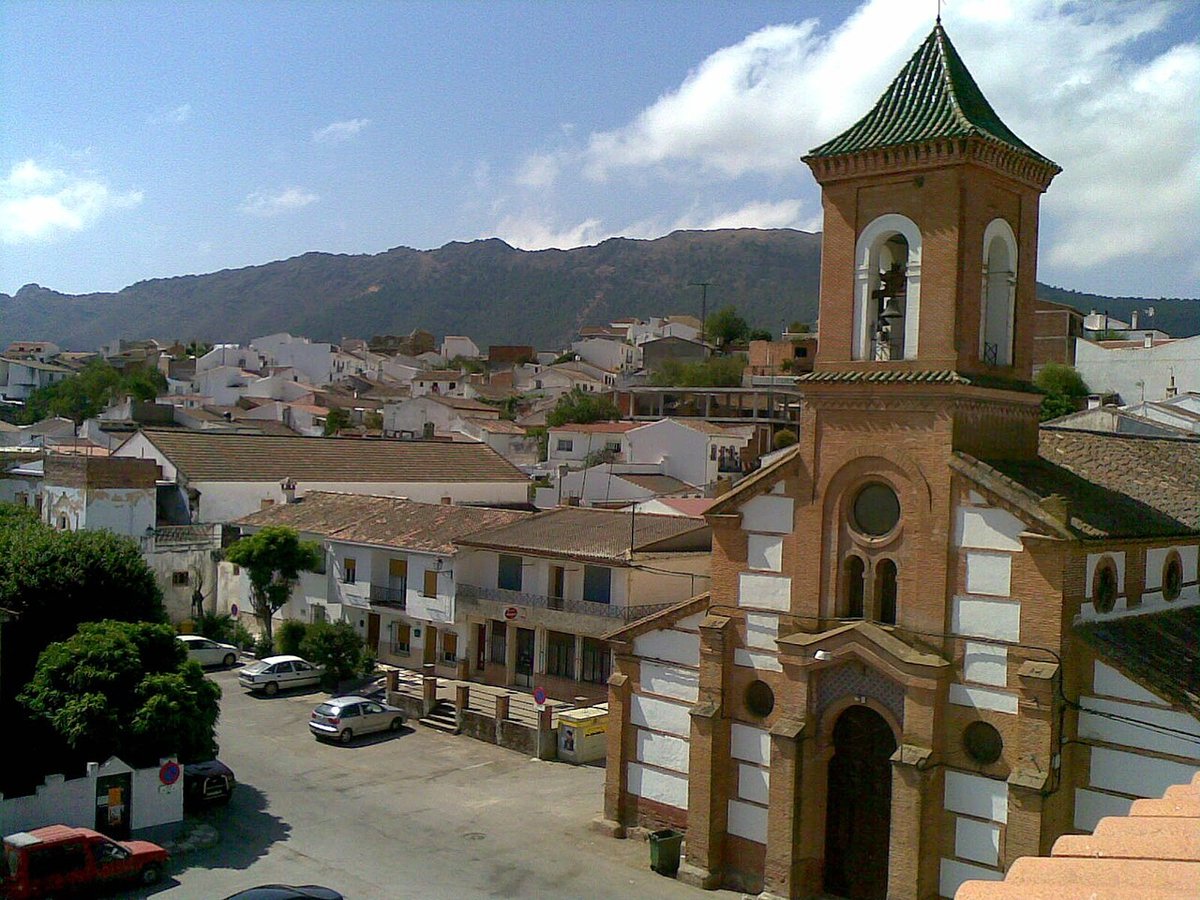
Without the Boquete, Zafarraya would be another anonymous ridge settlement. Instead, the pass created a natural trade corridor between Granada and the coast long before tarmac. Phoenician silver, Roman wheat and Nasrid silk all funnelled through here; the Romans left a milestone, the Moors a irrigation system, and the church builders a late-Mudéjar tower that still tolls the hours. A short walk from the plaza, the tiny interpretation centre lays out the story in glass cases: Iberian loom weights, a Neanderthal jaw fragment, a 1950s plough share. Entry is free, but ring the bell – the caretaker is usually next door feeding the municipal pigeons.
The real blockbuster lies just outside the built-up area, though you can’t go in. The Cueva del Boquete de Zafarraya sheltered Neanderthals 30,000 years ago; the 1983 excavations rewrote the chronology of southern Iberia and proved that our heavy-browed cousins lasted longer here than anywhere else in Europe. The cave mouth is barred by a rusting gate, but the path to it is a pleasant twenty-minute stroll through olives and wild rosemary. Interpretive boards show where the diggers found hearths and goat bones, and on a quiet weekday you’ll share the spot only with a pair of resident kestrels.
Boots, Bikes and a Wire-Rung Ladder
Zafarraya’s mountains are not the dramatic, granite spikes of the Alpujarras; they are softer, chalky, pine-scented, and mercifully empty. The tourist office – a desk in the town hall – hands out free photocopied leaflets detailing eight signed walks. The easiest, the Ruta de la Vega, is essentially a farm track that loops five kilometres through vegetable plots and past the occasional contented donkey. Serious walkers can climb east to the Cerro de Alcolea (1,308 m) for a ridge-top panorama that takes in snow-tipped Sierra Nevada on one side and the toy-town white of Nerja on the other. Summer starts early here, but at altitude the air stays four or five degrees cooler than the coast; set off at eight and you’ll be back in time for the eleven-o’clock churros.
Mountain bikers use the village as a gateway to the Sierras de Tejeda, Almijara y Alhama natural park, spinning along fire roads where Spanish ibex stare, unimpressed. The newest draw, however, is the Via Ferrata that threads a limestone gorge fifteen minutes south by car. Steel cables, suspension bridges and a 60-metre wire ladder give beginners a taste of vertigo without Himalayan exposure. British-run outfit AndalucíaMía will lend helmets, harnesses and a reassuring instructor for €45; they pick up from Nerja if you’re staying on the coast and can be bothered with the hire car only on beach days.
What Turns Up on the Table
Agriculture here is not a marketing label; it’s what happens outside your window. The daily set-menu at Bar Boquete costs €9 and changes with the irrigation calendar. March means pipirrana – a chunky salad of tomato, pepper and onion drowned in local olive oil sharp enough to make your tongue tingle. April brings thick artichoke stews, June heralds the first tiny, sweet melons, and October is slaughter month: estofado de cabra, slow-cooked kid that tastes like mild lamb, served with rough bread to mop up the almond-thickened gravy. Vegetarians do better than you might expect: the fertile vega produces some of the best avocados in Europe, and every bar will whip you up a colossal tortilla if you ask before the lunchtime rush ends at four.
Sunday is sacred, and not in a church sense. Supermercado Ana shuts at two, the bakery pulls down its shutters once the last doughnuts sell, and you’ll need cash because the nearest ATM is ten kilometres away in Alcaucín. Plan ahead or practise the Spanish art of tranquilo – someone will always lend you a lemon and directions to the petrol station.
When the Pass Becomes a Trap
Winter arrives abruptly. One November weekend the clouds roll through the Boquete like steam, temperatures plunge to single figures, and the occasional dusting of snow silences the tractors. The village keeps going – almond wood smoke drifts from chimneys, and the bar heaters clank into life – but walking trails turn slick with clay and the Via Ferrata shuts if the cables ice over. Spring, from late February to May, is the sweet spot: wild orchids on the hillside, daylight warm enough for short sleeves, and hotel prices on the coast still at low-season rates. Autumn is almost as good, though September can throw the odd 35-degree reminder that summer has not quite surrendered.
Summer itself splits the community. Locals who can decamp to family houses on the coast; those left behind start work at dawn and retreat indoors by two. British holidaymakers in rented villas use the village as a cool base, driving down to Torre del Mar for a sea swim, then back up the winding A-402 for evening barbecues under olive trees that pre-date the Reformation. Mobile signal drops out in the gorge, so download offline maps before you leave the house and remember that Google Translate once helped a Sheffield couple buy a whole jamón – the supermarket owner still tells the story.
Leaving Without the Gift-Shop Moment
There is no souvenir stall in Zafarraya. If you want a memento, pick up a litre of verdant early-harvest oil from the cooperative on the edge of town – it comes in a plain plastic bottle that looks like windscreen wash and tastes like liquid sunshine on fresh bread. Drive back through the Boquete at dusk and the pass shows its final trick: the Mediterranean reappears, now striped orange by the setting sun, while behind you the mountains close ranks and the village lights blink on, one by one, 900 metres above the busy coast you’re about to rejoin.