Full Article
about Albaida del Aljarafe
A town of Roman and Arab origin in the Seville Aljarafe, known for its truncated tower and local traditions.
Hide article Read full article
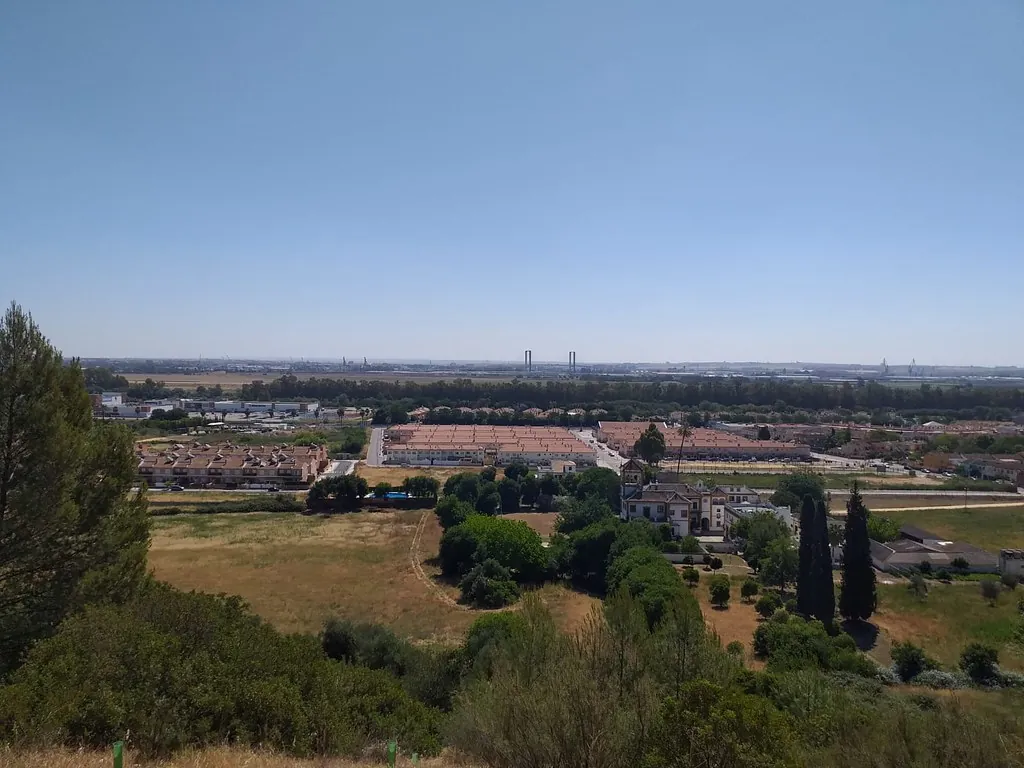
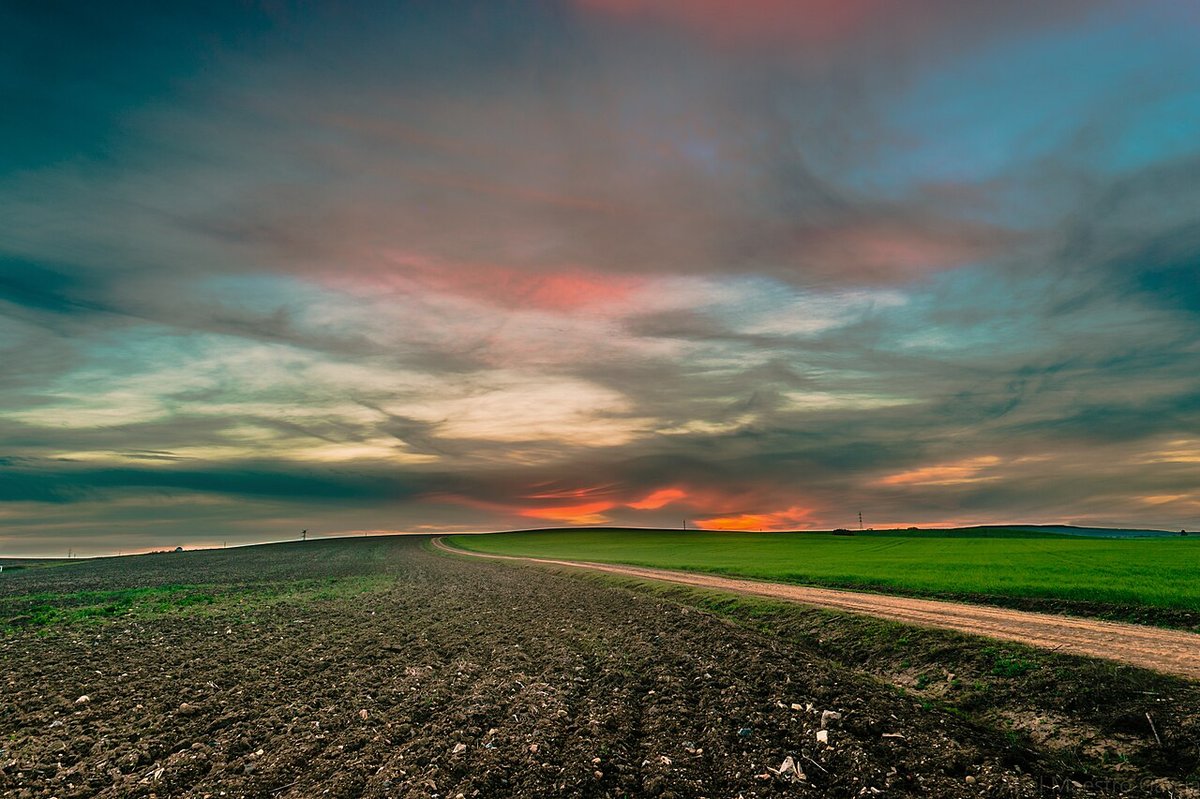
At nine in the morning, the light falls almost straight onto whitewashed walls. The quiet does not last long: a car crossing the square, a shutter rolling up, the smell of coffee drifting out of a half-empty bar. Albaida del Aljarafe appears like this, without announcements or spectacle. From the hill where the Torre Mocha stands, the landscape opens into gentle slopes of olive groves and cultivated plots that shift in colour with the seasons.
From the A‑49 motorway, the village is not visible. You need to turn off and follow a short road that winds between fields. It is the same route used daily by many residents who work in Seville and return here at the end of the day.
The tower and traces of the past
The Torre Mocha stands on the outskirts, on high ground with wide views across the Aljarafe when the air is clear. Today it is an isolated structure, yet the hill has been occupied for centuries. In this area, remains linked to Laelia, a Roman settlement, have been found. Some of these pieces are now kept in museums across the province. Not everything has been excavated or marked out, so it is best to come expecting a walk rather than a clearly arranged archaeological site.
Within the village itself, there are other hints of earlier times. Some houses still incorporate very old walls, and locals say that beneath certain streets there are galleries or passageways of medieval origin. These are not always open or prepared for visits, and when access is arranged it tends to be occasional. Asking at the town hall or speaking to residents is usually the only way to find out if anything is happening during a visit.
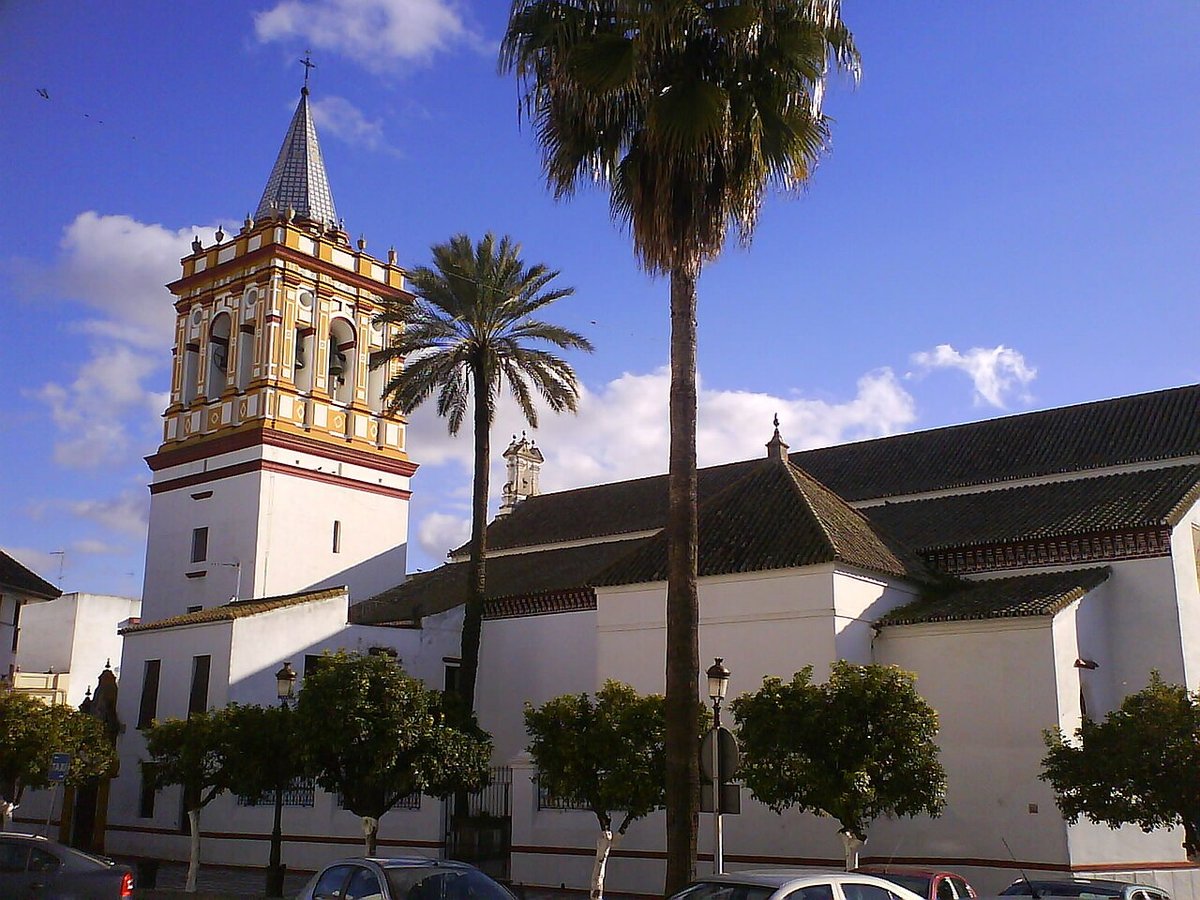
The church of Santa Ana stands on the site of an earlier building lost after the Lisbon earthquake of the eighteenth century. The current structure was built soon after. Inside, it is restrained: a wide nave, pale walls, and a silence that changes with the time of day. At midday, when light enters through the high windows, everything takes on a soft golden tone.
Short walks through olive groves
The municipality is small and the terrain mostly gentle, which makes walking around the area straightforward. Several agricultural tracks leave from the village, used by locals to reach orchards and olive groves. Towards sunset, the hum of insects becomes more noticeable, and when the wind comes from the west, it carries a damp scent from the lowlands of the Guadiamar.
The Corredor Verde del Guadiamar, a long green corridor following the Guadiamar River, lies relatively close by. Many people from Albaida head there by car or bicycle to explore parts of it. The landscape feels different: more trees, water nearby, and longer paths where cyclists and families out walking are a common sight.
Within the municipality itself, there are shorter routes. Walking up to the Torre Mocha from the main square takes little time. The path crosses the road and continues along a reddish dirt track between old olive trees, their trunks twisted and their shade sparse. On clear days, Seville can be seen to the east from the top.
Dates that shape the year
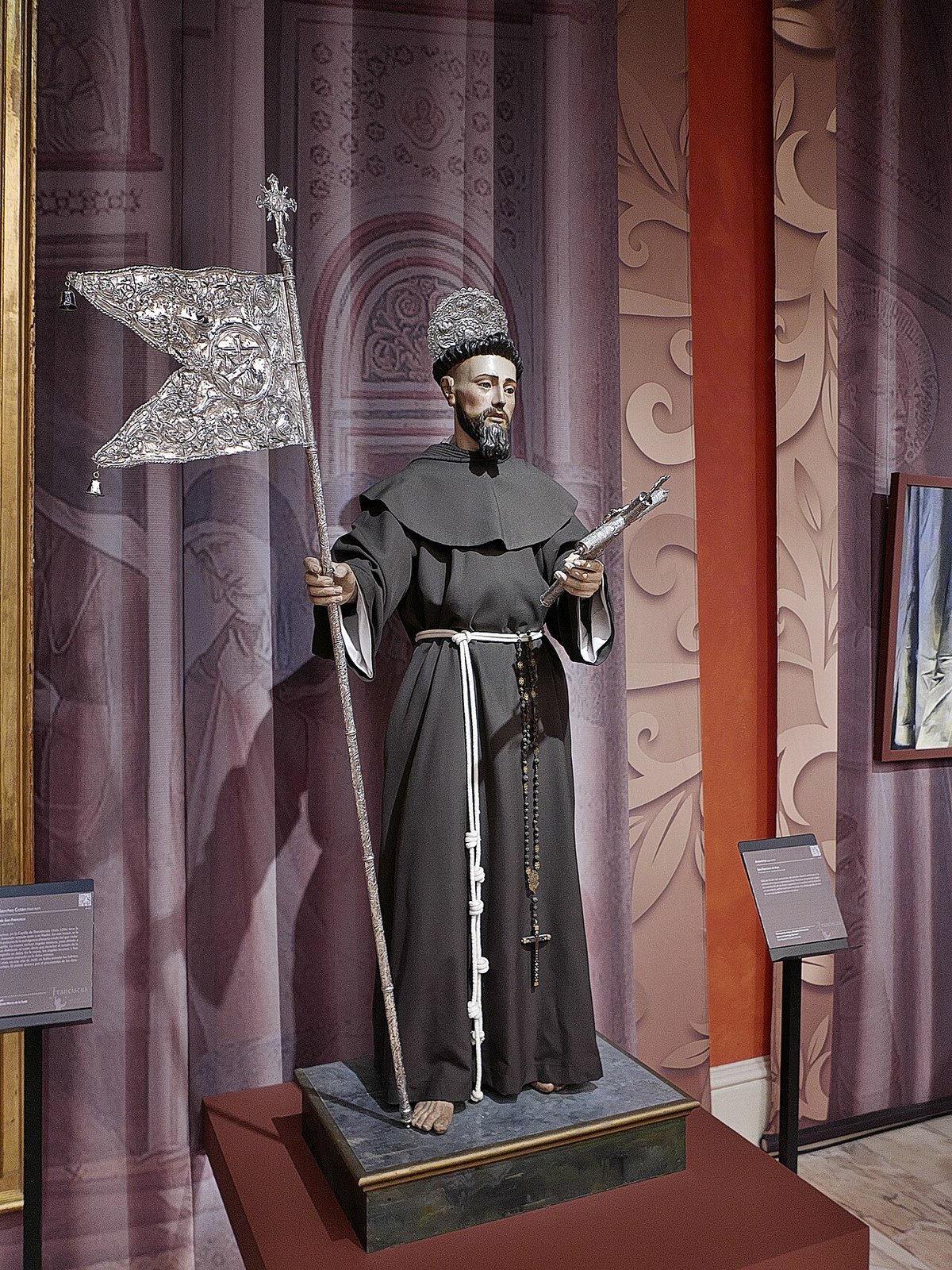
The 15th of August, the day of the Virgen de la Asunción, is one of the moments when the village becomes more animated. From early morning, many kitchens fill with the smell of fried dough and honey. Some families still prepare traditional sweets at this time of year, and the square gathers a crowd when the image is carried out in procession.
A few weeks later, the pilgrimage connected to the Virgen de los Dolores usually takes place, heading towards the area of Loreto in Espartinas. Decorated carts, groups walking along the रास्ता, and long stops to eat beneath pine trees set the tone. It is less a formal procession and more a day spent outdoors, shared among neighbours and visitors.
When to come and getting around
At the end of winter, almond trees in the surrounding area begin to blossom, transforming the fields almost overnight. White and pink patches appear among the darker green of the olive groves. These weeks are well suited to walking, with fresh air and often very clear skies.
In May, the village streets fill with flowerpots and bougainvillea climbing up façades. Heat starts to build from midday onwards, so it makes sense to move around early in the day or later in the afternoon.
August feels different. During the day, the village becomes very still, with shutters down and streets nearly empty until the sun drops. If visiting then, it is most practical to park at the entrance and walk up. The centre has narrow streets, and during festival days they fill quickly.
Albaida del Aljarafe does not rely on major tourist attractions. Its pace is slower: an outdoor table in the late afternoon, the shadow of the tower stretching over rooftops, and the sound of bells blending with conversations drifting out from doorways.