Full Article
about Almensilla
A residential town in El Aljarafe surrounded by olive groves, its old quarter still holds its traditional layout.
Hide article Read full article
First impressions at an unhurried pace
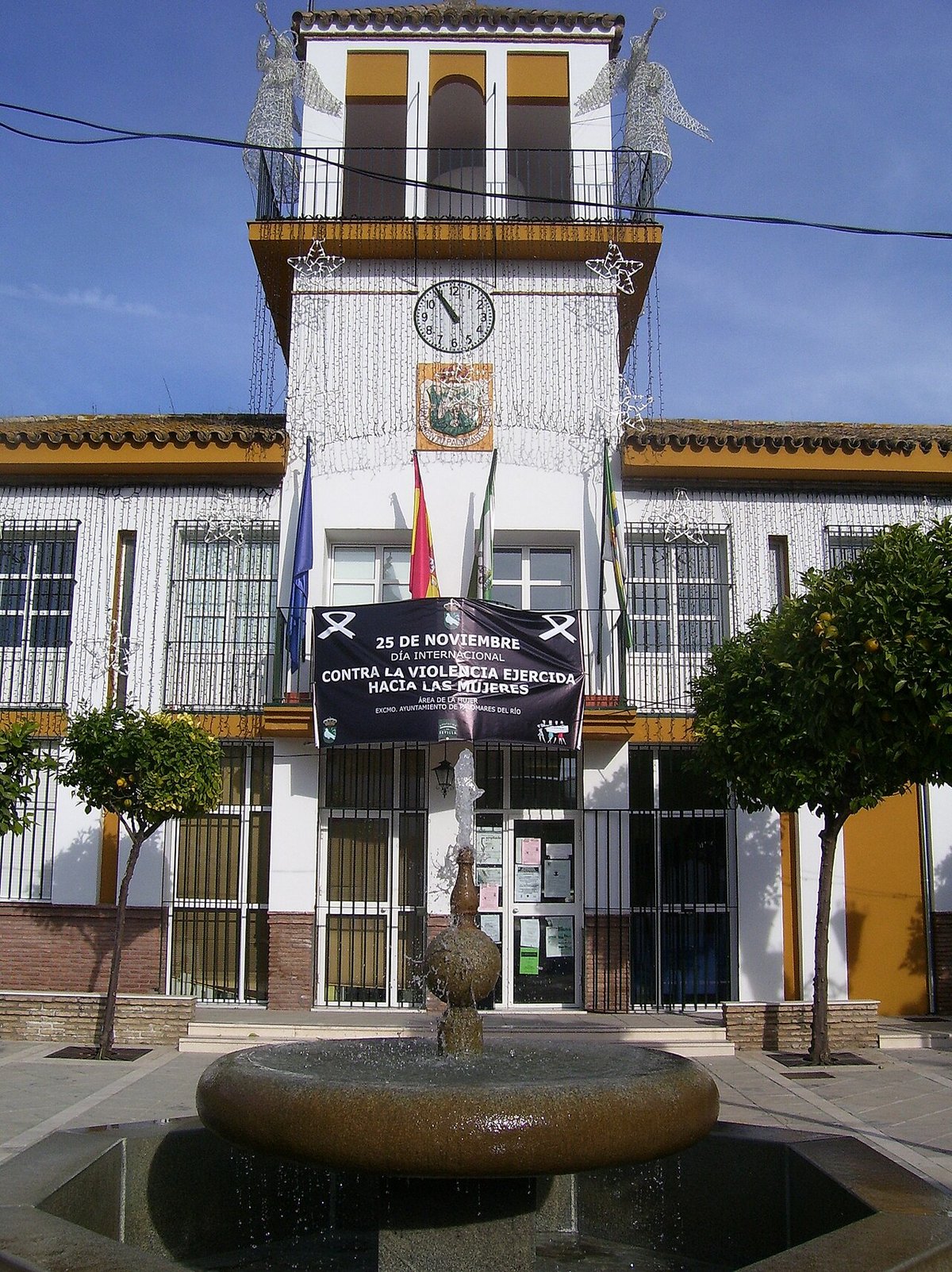
Tourism in Almensilla begins in a slightly improvised way. You park where you can, step out of the car, and within minutes it feels as if the clock runs differently here. It is the kind of place where even the town hall clock seems to lag behind, and no one is particularly concerned. A passing neighbour might sum it up with a shrug: there has never been much rush here.
That sense lingers as you start to walk. Nothing pushes you along. There is no pressure to tick off sights or follow a route. The appeal sits somewhere else, in the rhythm of everyday life and in how easily you fall into it.
A village that never tried to be a city
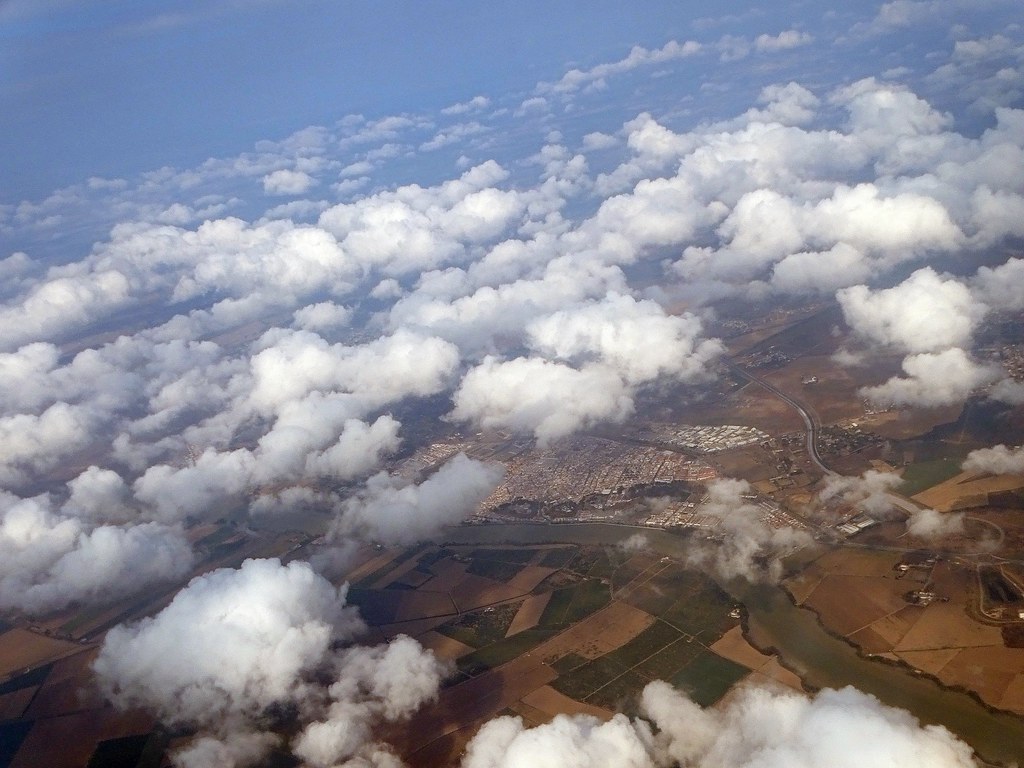
Almensilla lies about fifteen kilometres from Seville, yet it feels further away. Leaving the capital and crossing the Aljarafe plateau, the shift is immediate. The pace drops. You will not find clusters of visitors with cameras or menus translated into several languages. What you do find is neighbourhood life: people who know each other, conversations that stretch out in doorways, and bars where a glass of mosto appears almost without asking.
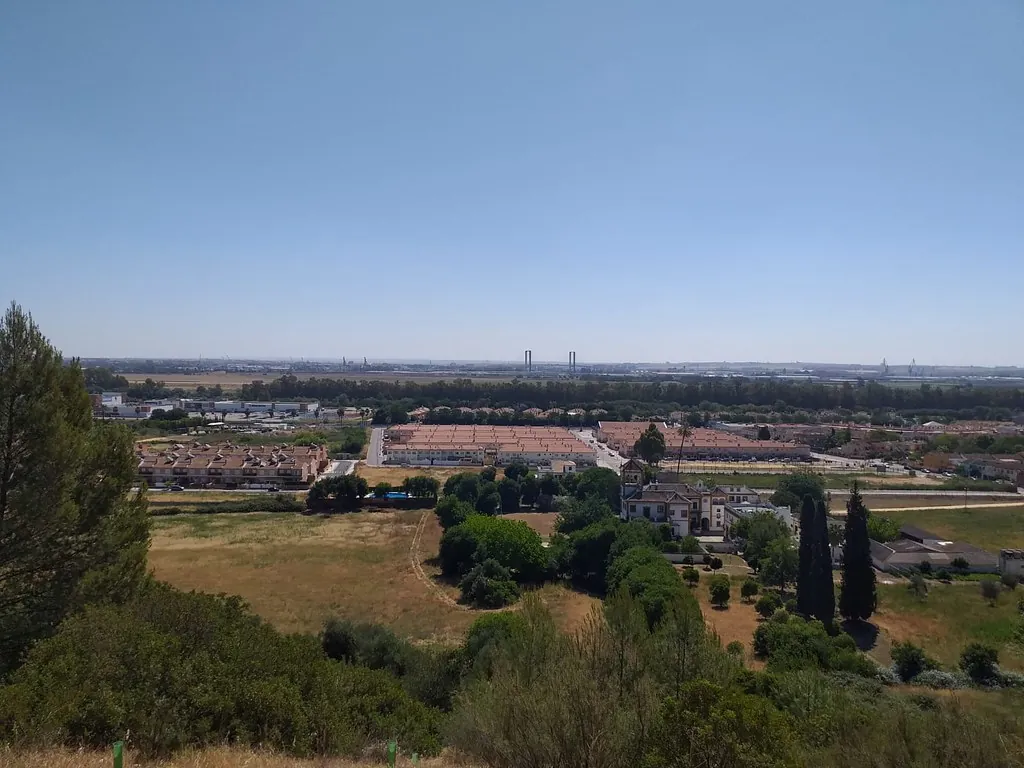
The village has spread across the flat land of the Aljarafe without much fuss. Streets are broad, houses are low, and residential areas have grown over time. It is not the kind of historic centre that looks preserved for display. Instead, it is a place where daily life has continued as Seville has edged closer over the years.
Almensilla did appear in national headlines some time ago due to municipal debt. It was one of those moments when a small place suddenly becomes widely known for unexpected reasons. Today, locals tend to recall it with a calm sort of resignation. Life carries on here with its routines and its concerns, much as it always has.
When mosto sets the rhythm
In this part of the Aljarafe, autumn brings a particular draw: mosto, a young, cloudy wine that has not fully matured. Almensilla is part of that seasonal tradition. During those weeks, the village fills with residents and visitors from nearby towns who come for a glass and to spend time together.
There are no grand wineries or organised tours. The dynamic is more informal. Long-standing houses open their doors, glasses of mosto keep coming, and something to eat often appears alongside. It is less about structured tasting and more about lingering conversation.
Anyone familiar with the Ruta del Mosto del Aljarafe will recognise the pattern. A Sunday begins around midday and stretches on without much attention to the hour. Plans loosen, and the day unfolds at its own pace.
Romerías that shape the year
Romerías, traditional pilgrimages that blend devotion with celebration, play a central role in Almensilla. It does not take long to notice how much of the local calendar revolves around them.
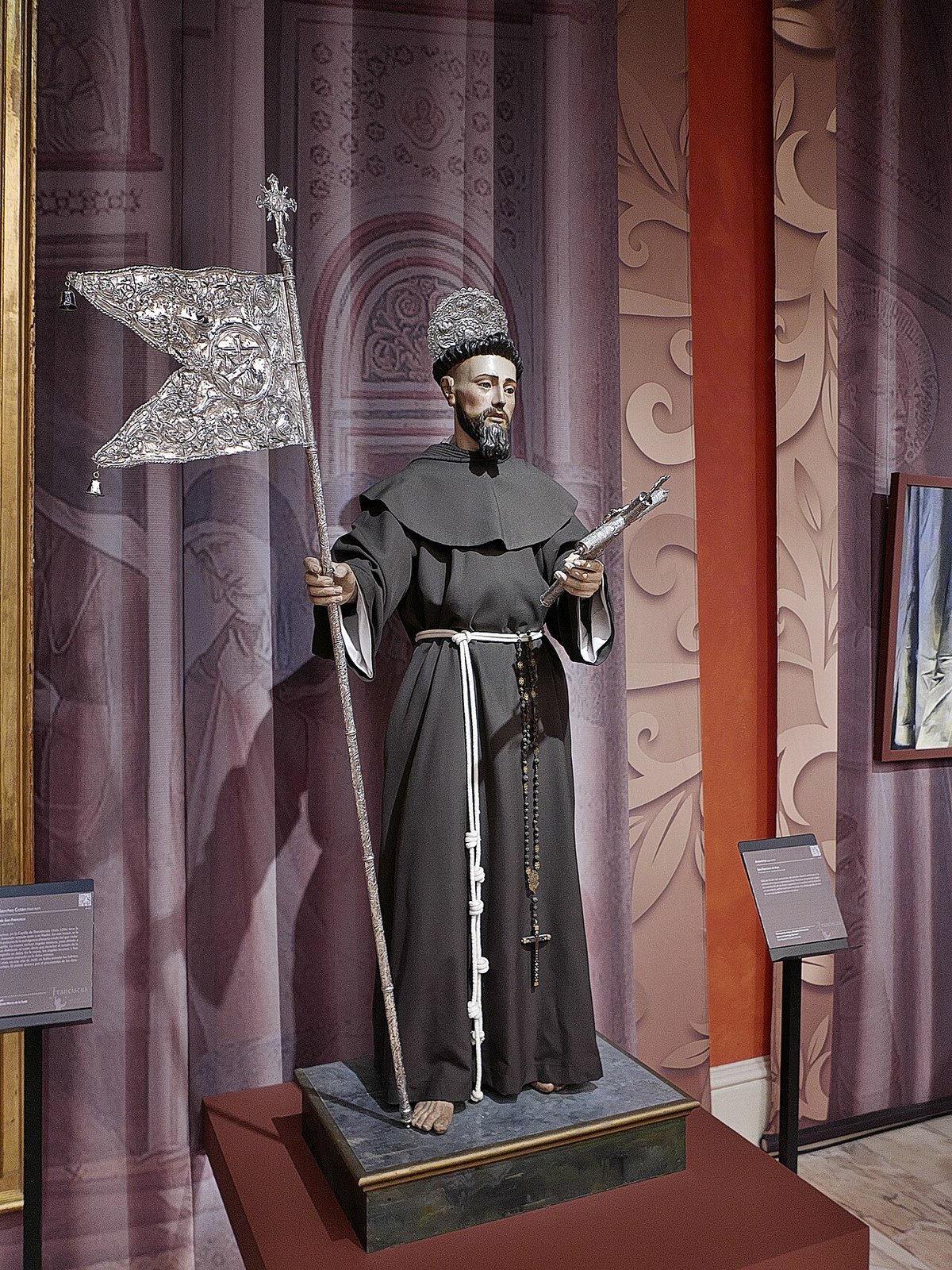
The romería of San Diego brings notable activity. Carts, horses and groups of people gather, including many from other parts of the Aljarafe. The atmosphere is one of meeting and reconnecting between neighbouring towns.
Then there is the Romería de la Tostá, held in November. The idea is straightforward: head out to the countryside, light a fire, roast chestnuts and enjoy them with the year’s mosto. On paper it sounds simple. Seeing much of the village gathered around the embers gives a clearer sense of why these traditions remain so appealing.
The skill of doing very little, well
A Saturday morning often centres on the square, where a street market usually sets up. Stalls offer clothes, fruit and household items, and the scene mixes shopping with conversation. People browse, stop to talk, then move on at an easy pace.
From there, a walk along the main street leads naturally to a pause for a drink. There are no major monuments demanding attention or requiring a planned route. The plan is uncomplicated: stroll for a while, sit for longer, and watch the morning pass.
The Ermita de San Diego is relatively recent, built in the second half of the twentieth century. It has the simple feel typical of pilgrimage chapels, with light-coloured walls, open surroundings and more activity when festivals arrive.
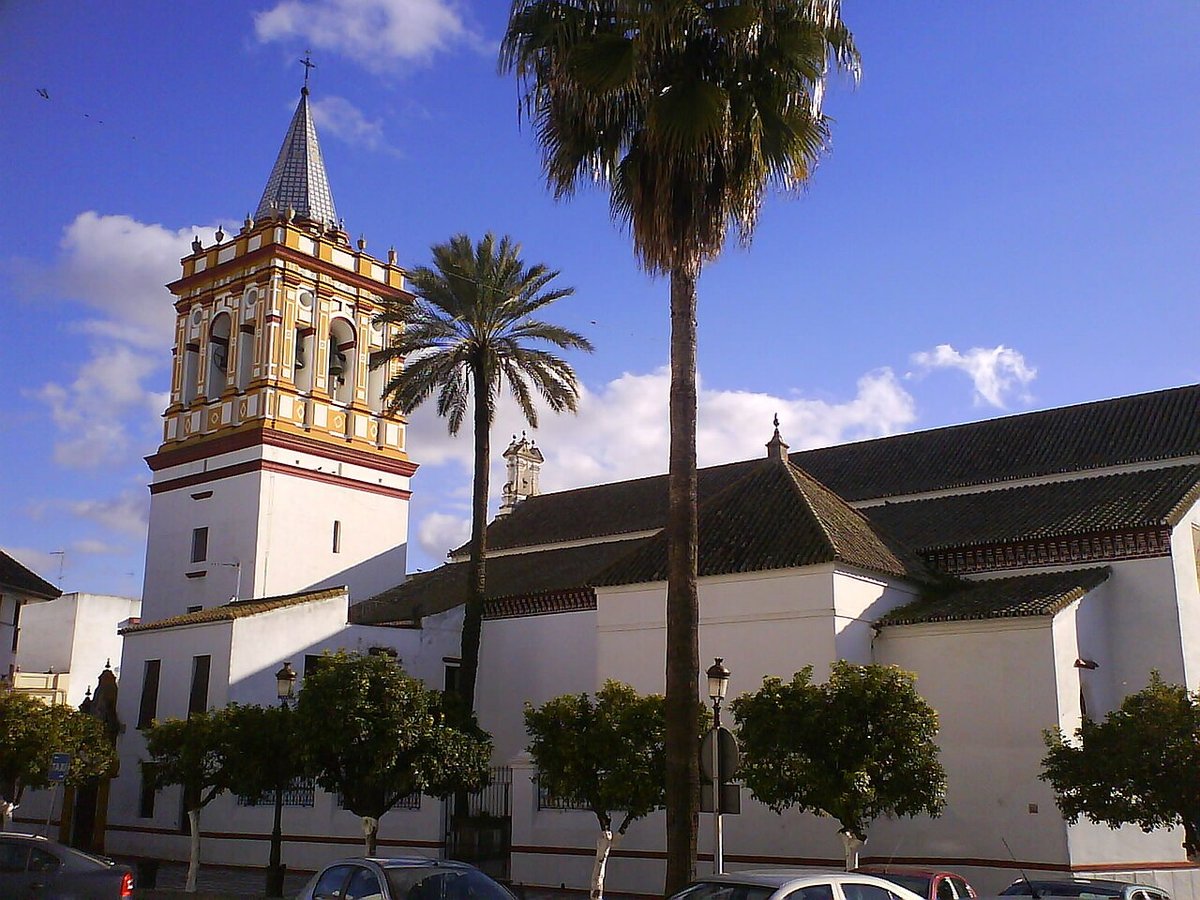
The Parroquia de Nuestra Señora de las Nieves is the other religious building in the village. It does not stand out for size or elaborate decoration, yet it forms part of Almensilla’s everyday landscape and has done so for generations.
A final tip before you go
If there is a moment that suits Almensilla particularly well, it is autumn. The heat eases, the mosto season brings energy to the streets, and the village feels livelier than at other times of year.
It helps to arrive without expectations of grand landmarks or postcard views. Almensilla works best when taken on its own terms: a village in the Aljarafe where the interest lies in conversations, in time spent in bars, and in festivities that draw people together.
It is the sort of place where a short visit quietly stretches out. What begins as a brief stop can turn into an entire morning without you quite noticing when it happened.