Aznalcázar - Flickr
Toprural · Flickr 5
Andalucía · Passion & Soul

Aznalcázar

The petrol station on the A-483 sells live fishing bait and bottles of fino sherry behind the same counter. That single shelf tells you most of wha...

4,875 inhabitants · INE 2025
27m Altitude

Why Visit

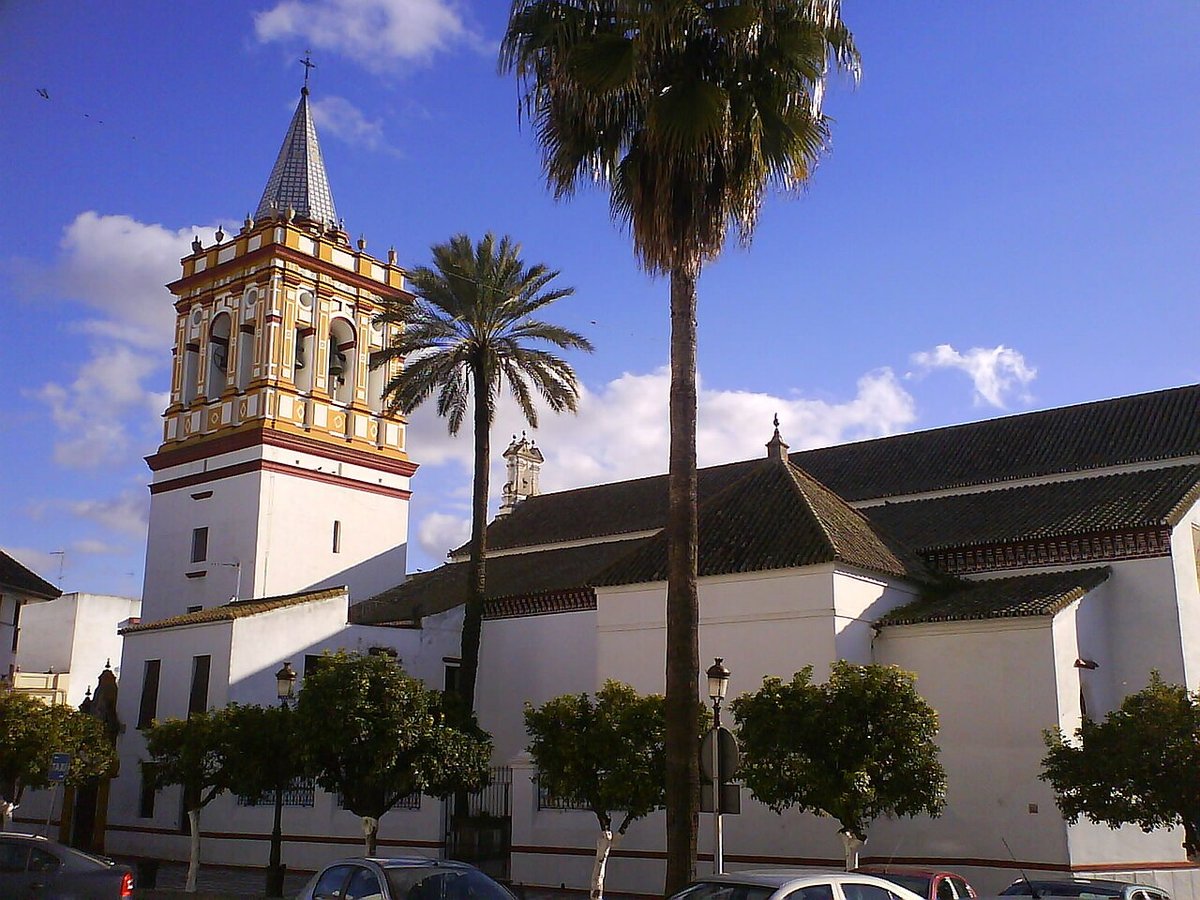
Church of San Pablo Birdwatching in Doñana

Best Time to Visit

spring

Fair in honor of Corpus Christi (June) mayo

Things to See & Do
in Aznalcázar

Heritage

  • Church of San Pablo
  • Fish Market Arch
  • Ford of the Quema

Activities

  • Birdwatching in Doñana
  • Hiking in Pinares de Aznalcázar

Festivals
& & Traditions

Fecha mayo

Feria en honor al Corpus Christi (junio), Paso de Hermandades (mayo)

Las fiestas locales son el momento perfecto para vivir la autenticidad de Aznalcázar.

Full Article
about Aznalcázar

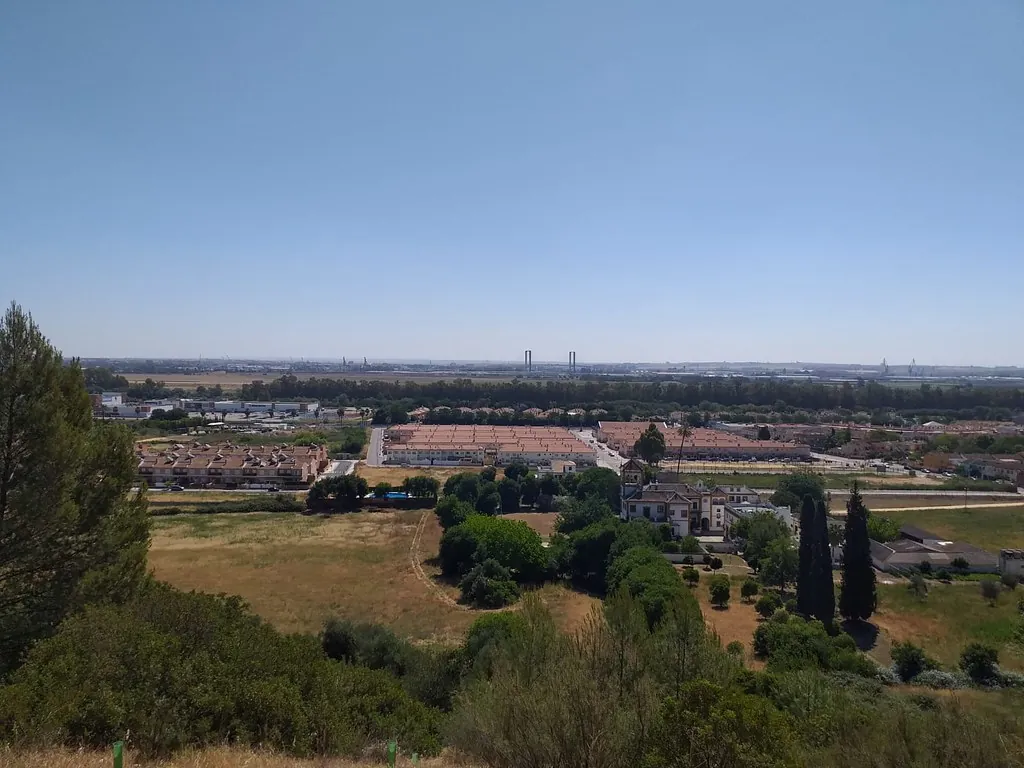
Gateway to Doñana National Park, rich in natural heritage and home to the famous Vado del Quema, where rociero brotherhoods cross.

Ocultar artículo Leer artículo completo

The petrol station on the A-483 sells live fishing bait and bottles of fino sherry behind the same counter. That single shelf tells you most of what you need to know about Aznalcázar: it is a working place, not a set. Five thousand people live here, 27 m above sea level on the western edge of Seville’s Aljarafe plateau, and none of them seem remotely interested in being picturesque.

What the guidebooks leave out

British visitors usually arrive after dark, following sat-nav instructions to Hotel Lince because the chain hotels in Seville were full. They expect a sleepy white village; they get low-rise blocks painted the colour of diluted custard, a main road that still hums with freight at midnight, and Saturday-night motorbikes doing laps until the Guardia Civil wave them home. The old centre was scraped clean after the 1998 mine spill and rebuilt in sensible brick; flowerpots exist, but they are arranged by residents for their own pleasure, not for Instagram.

Walk south along Calle Ancha at seven in the morning and the place makes sense. Delivery vans stop in the middle of the street while the driver shouts “¡Veneno!” to a friend – the local joke for strong coffee – and every third doorway smells of toasting bread and olive oil. The bread comes from the cooperative bakery on Plaza de la Constitución; the oil is pressed from Picual olives grown right up to the village edge. If you ask for directions, people answer in slow Andalusian Spanish and point with their car keys, genuinely surprised you are on foot.

Between olives and ocean

Aznalcázar never touches the sea, yet the Atlantic is only 35 km away as the white stork flies. That proximity matters. In winter the air smells of damp pine and distant salt; on summer evenings a warm wind arrives straight from Doñana’s marshes, carrying the faint metallic note of estuary mud. The village’s relationship with the coast is practical rather than poetic: locals drive to Matalascañas beach when the thermometer hits 38 °C, complain about the parking fee (€6 a day in August), and drive home at sunset because the sand cools faster than the townhouses.

The same practicality shapes the surrounding landscape. Olive groves roll north and east in tidy grids, each tree pruned to a goblet shape so tractors can pass underneath. Between them run the old livestock drove roads, cañadas, now used by cyclists who like flat gradients and no traffic. If you follow the Cañada Real de Sevilla south-west for 9 km you reach the edge of Doñana National Park; continue another 20 minutes by car and you are in El Rocío, the wild-west village where British bird-watchers queue for breakfast toast wearing binoculars and pyjamas.

Eating without the theatre

Hotel Lince serves dinner at 20:30 sharp. The set menu costs €12 and changes according to what the cook’s husband shot or what the market had cheap: grilled pork collar, chips and a salad of shaved onion and tomato; or chickpeas with spinach and cumin if you arrive on Thursday. There is no wine list – a half bottle of house tinto appears unless you wave it away. Children get fish fingers if they refuse the stew; nobody minds.

For lunch, Bar Central will make you a toasted mixto and bring a dish of alioli without being asked. The coffee is proper espresso: order a café con leche and you receive something close to a British flat white, only cheaper (€1.40) and hotter. If you need groceries, the Covirán shuts at 14:00 and reopens at 17:30; stock up before siesta because the nearest alternative is a 20-minute drive to Pilas.

Doñana’s back door – with caveats

The village sells itself on proximity to Doñana, but the maths needs checking. The official visitor centre at El Acebuche is 19 km away on a single-lane road that floods in winter. Between November and March you may wake to find the route barred by a red-and-white barrier and a handwritten “Corte de agua” sign. Even when the tarmac is dry you cannot simply walk into the park; access is by timed minibus or pre-booked 4×4 tour, €28 per person, and slots fill fast at weekends. British bird-watchers have learned to reserve online before they leave Gatwick and treat Aznalcázar as a cheap bed rather than a destination.

That said, the surrounding farmland has its own cast: calandra larks display over cereal stubble in April, and booted eagles sit on the power lines that march toward the horizon. You can circle the village on a 7 km loop of farm tracks without seeing another walker; take water, because the only bar en route is a tractor shed that opens randomly.

When to come, when to stay away

April and late-October are kindest. Temperatures sit in the low twenties, the olives are either in flower or being harvested, and the smell of crushed leaves follows you home. May brings feria: the fairground rides occupy the football pitch, the barrel of sherry is rolled out at midday, and every household sets up a canvas chairs’ republic outside their front door. If you like small-town parties, book Hotel Lince early; if you need sleep, arrive the week after.

August is honest-to-God hot – 45 °C is not headline news here. The village empties as families head to the coast; the bakery halves its hours and the only place serving dinner after 22:00 is the kebab van by the petrol station. Winter is mild but can be damp; when the easterly levante wind blows, the clouds stall over the Aljarafe and drizzle for three days. Bring a waterproof, not because you will drown but because the streets have no drainage and turn briefly into shallow rivers.

Cash, cars and other small print

There is no cash machine. The nearest ATM is in Pilas, 10 km east, and it charges €1.75 to British cards. Petrol stations on the A-49 accept contactless, but the village bakery does not, so bring euros. Mobile signal wobbles inside thick walls; download offline maps before you leave Seville airport. The 45-minute drive from SVQ is straightforward: take the A-49 towards Huelva, exit 18, then follow the A-483 past orange groves and a succession of speed-limit changes that feel like suggestions.

If you arrive without a car, the weekday bus from Seville’s Plaza de Armas takes two hours and requires a change in Sanlúcar la Mayor. It also stops for lunch whether you want to or not. Hire a small car at the airport; parking in Aznalcázar is free and usually within 50 m of your door.

Last orders

Aznalcázar will not change your life. It will give you a clean bed, a plate of migas when it is cold, and a ringside seat at a Spain that clocks in at 07:00, clocks off at 15:00, and spends the evening arguing about football on the pavement. Stay one night and you will tick Doñana; stay two and you might learn the difference between a Picual and a Hojiblanca olive by taste alone. Stay three and the barman stops asking where you are from and simply passes the coffee. That, rather than any monument, is the village’s real offering: a place that lets you vanish into the rhythm of an ordinary Tuesday, no performance required.

Key Facts

Region
Andalucía
District
Aljarafe
INE Code
41012
Coast
No
Mountain
No
Season
spring

Livability & Services

Key data for living or remote work

2024
ConnectivityFiber + 5G
TransportTrain nearby
HealthcareHealth center
EducationHigh school & elementary
Housing~5€/m² rent · Affordable
Sources: INE, CNMC, Ministry of Health, AEMET

Official Data

Institutional records and open data (when available).

  • Hacienda Benaligar
    bic Monumento ~2.9 km
  • Hacienda de Castilleja de Talhara
    bic Monumento ~3.1 km
  • Ermita de Nuestra Señora de Cuatrovitas
    bic Monumento ~6 km

Planning Your Visit?

Discover more villages in the Aljarafe.

View full region →

More villages in Aljarafe

Traveler Reviews