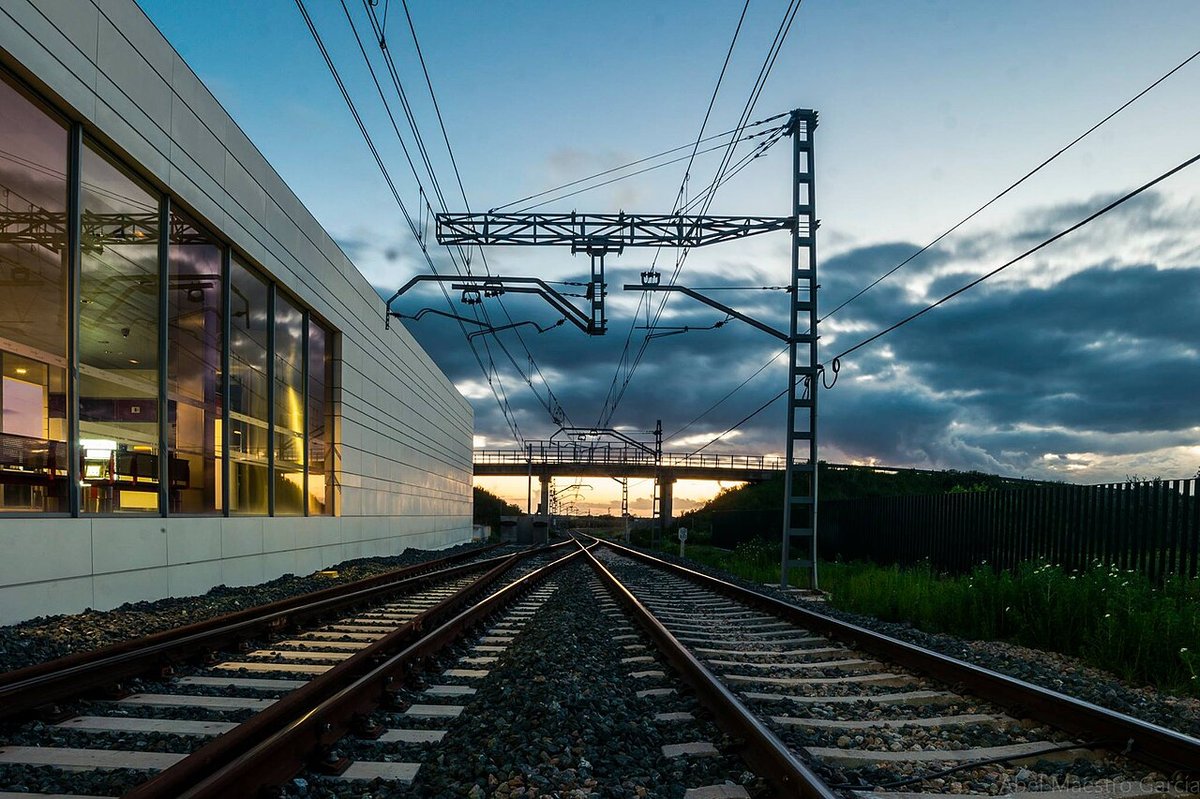
Estación de Benacazón - vías.jpg
Abel Maestro Garcia · Public domain
Andalucía · Passion & Soul

Benacazón

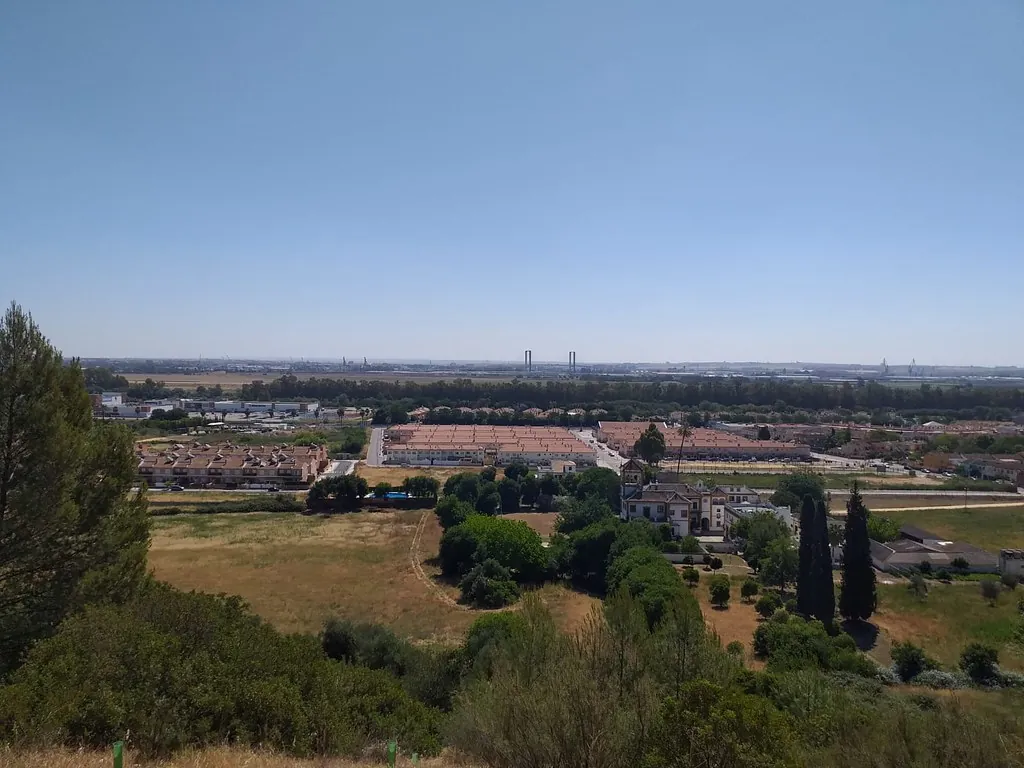
At 120 m above sea level, Benacazón is not high enough to brag about mountains, yet the village still looks down on Seville. Twenty-five kilometres...

7,363 inhabitants · INE 2025
120m Altitude

Why Visit

Church of Santa María de las Nieves Hermitage Route

Best Time to Visit

spring

Fiestas de las Nieves (August) Agosto

Things to See & Do
in Benacazón

Heritage

  • Church of Santa María de las Nieves
  • Gelo Hermitage
  • Palace House

Activities

  • Hermitage Route
  • Olive cuisine

Full Article
about Benacazón

Aljarafe municipality with deep Marian devotion and well-preserved Mudéjar and Baroque buildings.

Ocultar artículo Leer artículo completo

At 120 m above sea level, Benacazón is not high enough to brag about mountains, yet the village still looks down on Seville. Twenty-five kilometres west of the capital, the Aljarafe ridge tilts the landscape a few degrees and drops the mercury a couple of notches. In July that can feel like salvation: the wheat-coloured fields shimmer below while the evening air up here still carries a breeze strong enough to lift the tablecloths outside Bar Central.

A Plateau that Thinks it’s a Pueblo

The A-49 sweeps past the bottom of town, funnelling freight to Huelva and Portuguese holidaymakers to the Algarve. Most drivers never realise the old centre sits a kilometre uphill, invisible from the carriageway. Take the slip road signed “Benacazón–Sanlúcar la Mayor” and the noise of lorries collapses into the crunch of gravel under tyres. Suddenly every house is white, every balcony holds a geranium and every side street smells of grilled pork fat drifting from an open doorway.

Altitude here is modest—barely the height of London’s Primrose Hill—but it changes the rhythm. Irrigation water runs faster, olives ripen a week later than on the Guadalquivir plain, and the evening paseo starts when the sun is already gone, not while it is still frying the pavement. British visitors who arrive expecting a baking Andalusian cliché often leave their jumpers in the hire car and spend the night shivering pleasantly over outdoor tables.

The grid of lanes inside the old walls is small enough to map in ten minutes, complicated enough to get lost in for twenty. One minute you are on Calle Ancha, wide enough for a mule cart; the next you squeeze through an arched alley built when shoulders were narrower and wheeled suitcases unimaginable. Look up and you will see why: timber balconies almost touch, turning the street into a tunnel that keeps out summer heat and winter rain alike.

What Passes for Sights

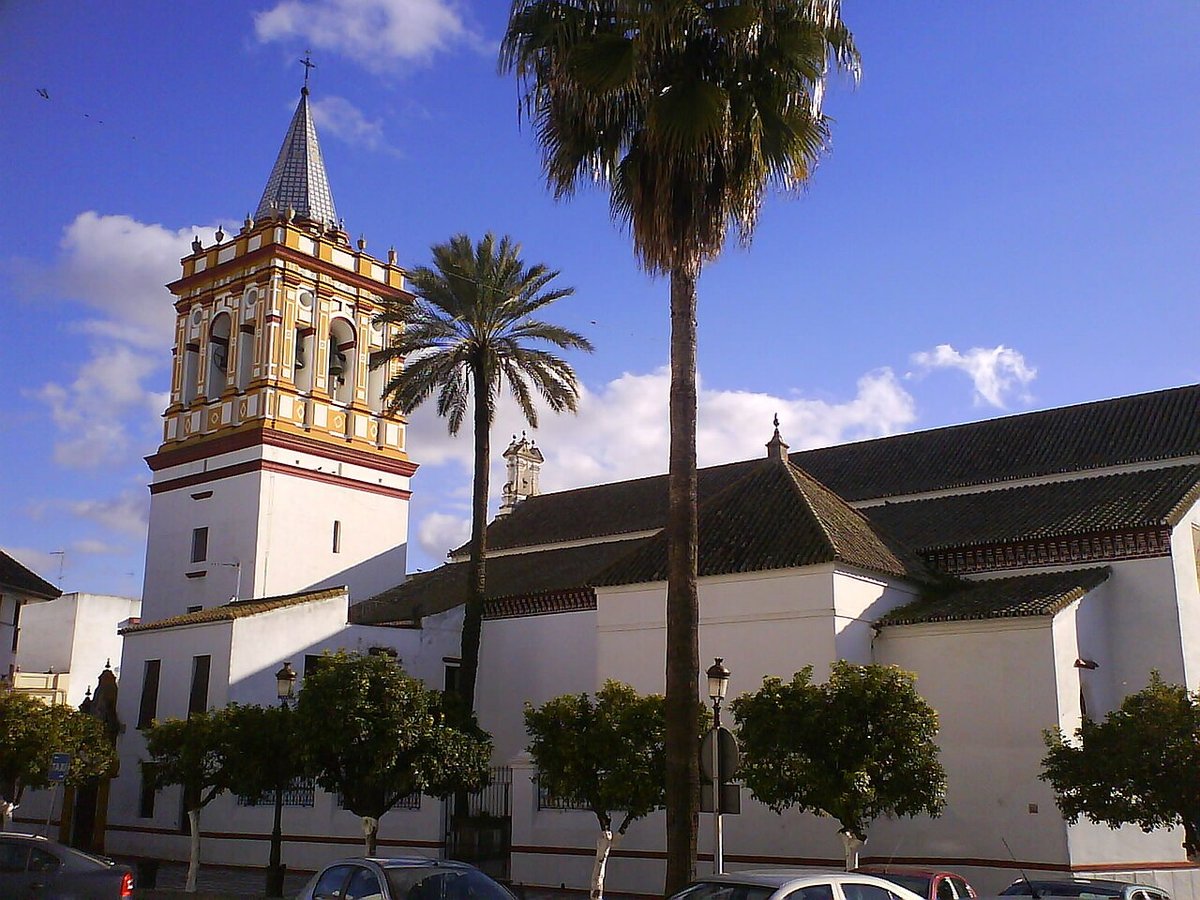
The 18th-century church of Santa María Magdalena squats on the highest bit of ground like a referee breaking up a scrum of rooftops. It is not pretty—stone softened by too many restorations—but it is the only building big enough to orientate yourself by. Inside, a single English leaflet (usually out of stock) explains that the tower once doubled as the town’s jail; prisoners were hauled up the same staircase now trodden by brides in four-inch heels.

Below the tower, the Plaza del Ayuntamiento is less a square than a widening in the road. Pensioners occupy the same green benches every afternoon, trading gossip in machine-gun Spanish and monitoring strangers with benevolent suspicion. Try to sit in someone’s unofficial seat and you will be redirected by a polite cough long before words are needed.

The castle ruins lie five minutes further up Calle Castillo, though “up” is optimistic: only one bastion and a cistern remain, fenced off after a British tourist reportedly tried to abseil into the well for a selfie in 2019. The ayuntamiento keeps the key, but the clerk knocks off at 2 p.m. sharp and the siesta door is unmarked. Persistence sometimes works; luck works better.

Walking Without a Backpack the Size of a Dog

Benacazón’s best feature is what it does not have: no tacky souvenir strip, no Segway tours, no craft-beer bar charging seven euros for a lukewarm pint. Instead you get lanes that peter out into footpaths among olive groves, signposted just enough to stop you circling back to the petrol station. Two way-marked loops start behind the cemetery: the shorter (4 km) skirts the Arroyo de la Rocina and returns via an abandoned railway embankment where bee-eaters nest in summer; the longer (9 km) reaches the ruins of a Roman dam at Hacienda de San Diego, a handy picnic spot if you remembered to buy supplies first.

Winter walking is gentler than in the Sierras but still demands a jacket—Atlantic weather arrives unfiltered across the flatlands, and January mornings can start at 4 °C. Summer hikes are for the deranged or the very early: by 11 a.m. the thermometer is nudging 36 °C and shade is theoretical. Spring is the sweet spot, when the Aljarafe turns Technicolor: red poppies, purple phlomis and the acid-green flash of a Spanish ibex if you are lucky (or unlucky, depending on your fear of horned mammals).

Food that Arrives on a Metal Plate

Lunch choices are refreshingly limited. Locals divide themselves between La Alacena on Plaza Andalucía and Bar Reyes on Caljón de Santa Ana; allegiance is tribal and conversation stops if you sit on the wrong side. Both serve presa ibérica—pork shoulder flash-grilled and pink in the middle—at €9 a plate, chips included. Ask for “medium” and the chef understands; ask for mint sauce and you will be offered toothpaste.

Sweet-toothed visitors should time their arrival for a Thursday, when the convent on Calle San Francisco opens its hatch to sell mantecados made by cloistered nuns. Transactions take place via a revolving wooden cupboard: money in, biscuits out, no eye contact. The butter shortbread keeps for a week unless the car gets hot; after that it becomes a bag of perfumed rubble, but still better than anything Duty Free sells.

Evening eating is trickier. Kitchens shut at 4:30 p.m. and do not reopen until 8:30, by which time many visitors have given up and driven back to Seville. The workaround is to order a late lunch and declare it dinner—perfectly acceptable if you can handle the sidelong pity of waiters who believe anyone dining before 9 p.m. must recently have left hospital.

When the Village Forgets to Sleep

Benacazón’s fiesta calendar is relentless. The patronal fair in July fills the polideportivo with neon rides and a foam machine that looks suspiciously like a converted sewage truck. Semana Santa brings three processions; the longest starts at midnight on Maundy Thursday and finishes in time for breakfast, drums echoing off the walls like someone rolling an oil drum down an alley. September’s Fiesta de la Vendimia is more photogenic: barefoot locals crush grapes in a stone trough, then hand out the resulting juice—cloudy, sweet and faintly alcoholic if the weather has been kind.

British visitors sometimes stumble into the February carnival expecting Rio and find instead a children’s fancy-dress parade followed by hot chocolate. The cocoa is thick enough to stand a churro in, and nobody minds if you join the queue in jeans.

Getting Here, Getting Out

Seville airport is 35 minutes by car on the toll-free A-49; ignore the sat-nav short-cut through Villanueva del Ariscal unless you enjoy single-track roads shared with combine harvesters. There is no railway, and buses from Seville’s Plaza de Armas run every 90 minutes until 8:30 p.m.—fine for a day trip, useless if your flight lands after six. A taxi from Sanlúcar la Mayor station costs €18 and drivers often pretend the meter is broken; agree the fare before you get in.

Accommodation within the village amounts to one three-room guesthouse above a bakery (€55 B&B, earplugs included because the ovens start at 5 a.m.). Most overnight visitors base themselves in Seville and treat Benacazón as an escape from cathedral queues. That is probably wise: the village does its best work between coffee and last orders, then politely closes the shutters.

Come, walk the olive lanes, eat pork that never saw a freezer, and be back in Seville in time for flamenco if you still have the energy. Benacazón will not change your life, but it might reset your watch to a more forgiving speed.

Key Facts

Region
Andalucía
District
Aljarafe
INE Code
41015
Coast
No
Mountain
No
Season
spring

Livability & Services

Key data for living or remote work

2024
ConnectivityFiber + 5G
TransportTrain station
HealthcareHospital 10 km away
EducationHigh school & elementary
Housing~6€/m² rent · Affordable
CoastBeach 19 km away
Sources: INE, CNMC, Ministry of Health, AEMET

Planning Your Visit?

Discover more villages in the Aljarafe.

View full region →

More villages in Aljarafe

Traveler Reviews