Full Article
about Bollullos de la Mitación
Town known for its mosto and the Cuatrovitas chapel, set among pine and olive groves.
Hide article Read full article
A quiet arrival from Seville
There is a moment just after leaving the road from Seville when the air shifts slightly. In the season of mosto, a young, lightly fermented wine, the change is unmistakable. The car fills with a sweet scent drifting out from local bodegas and early-morning bars. Bollullos de la Mitación does not stage its welcome. It comes from everyday things that people here treat as entirely normal.
Arriving hungry can derail any plan to simply pass through. What was meant to be a short stroll often turns into sitting down at a table sooner than expected, drawn in by the rhythm of the place and what is coming out of nearby kitchens.
The town sits within easy reach of Seville, yet it keeps its own pace. There is no sense of urgency in how the streets unfold or how people move through them. It suits a visit that is loose rather than tightly planned, where the day can stretch or contract without much consequence.
The minaret that became an ermita
On the outskirts, among pine trees and low houses, stands the ermita de Cuatrovitas. The first impression tends to be one of surprise. The tower looks like a smaller, quieter version of Seville’s Giralda, rising unexpectedly in open countryside.
The explanation lies in its past. The site began as an Almohad mosque, and its minaret still stands. Over time, the building changed use. The interior was reoriented and it became a Christian hermitage. The tower, built in brick with a clear Mudéjar character, remains the defining feature and carries that visual echo of the Giralda, though without crowds or cameras.
Inside, the atmosphere is simple. There is often a faint smell of wax and old walls. There are no elaborate displays and no constant flow of guided visits. Access can feel informal. It is not unusual to find a local resident nearby who opens the door or simply invites visitors to step in, as if it were almost part of a lived-in space rather than a formal monument.
The setting adds to that impression. Pines frame the building, and the surrounding area feels open rather than curated. It encourages a slower kind of visit, one that relies more on observation than explanation.
Slow cooking and strong opinions
Food in Bollullos de la Mitación leans heavily on what the surrounding land provides. Chickpeas, spinach and olive oil from the province form the backbone of many dishes. The cocido de chícharos is one of the best known. It sounds modest on paper, yet the broth reveals hours of slow cooking and careful attention.
Another staple is papas en amarillo, potatoes prepared with spices and little else. The simplicity is part of the appeal. When done well, it becomes the sort of dish that brings people back to the table without much fuss.
Then there is the tortilla campera. Each place has its own version, and residents defend their preferred one with surprising intensity. It is treated almost like a family matter, with opinions that are clear and rarely softened. During the town’s fair, there is often a tasting or a small competition centred on this dish. One local woman summed up her approach in a single line: do not stir it too much, so it is clear it contains proper eggs. That straightforward rule seems to settle more arguments than any long explanation could.
Meals here are not presented as events. They are part of daily life, taken seriously but without ceremony. That makes them easy to slip into as a visitor, whether stopping briefly or staying a little longer than planned.
A small aerodrome beyond the houses
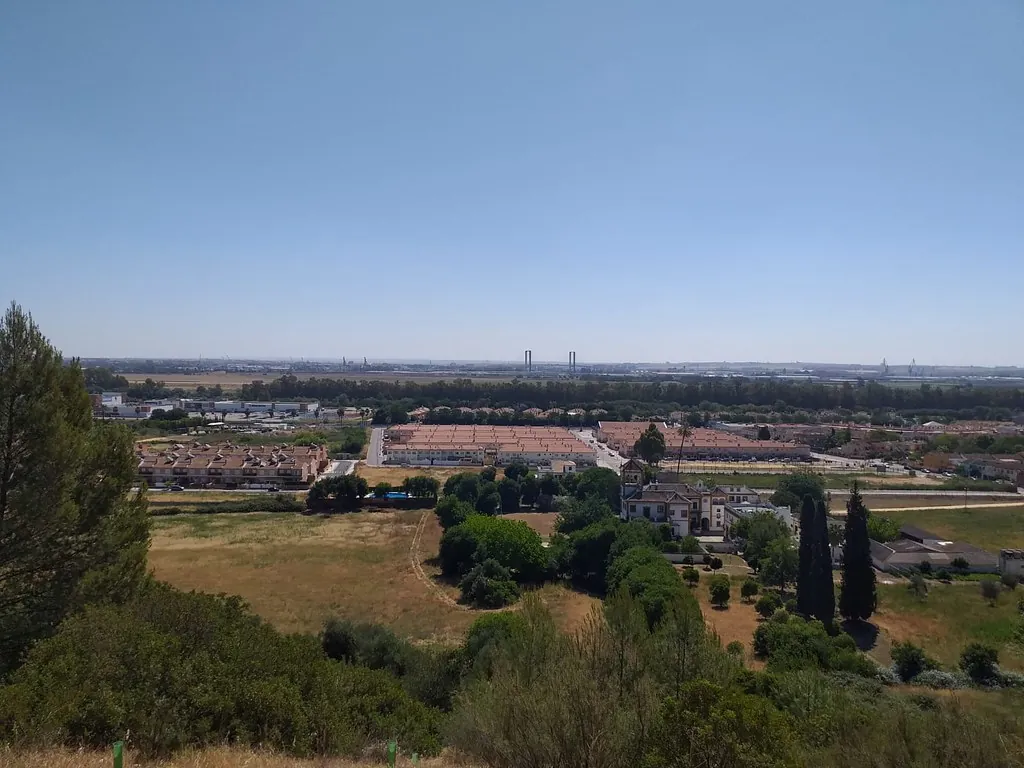
Outside the town, reached along a track that feels as though it might lead to a rural estate, there is a small aerodrome. The shift in scenery is sudden. One moment there are fields and low buildings, and the next there is a dirt runway and the occasional light aircraft.
The atmosphere is closer to a club than to an airport. People come to fly for a while, then stay to talk. At weekends there is usually more activity, with onlookers watching take-offs and a relaxed sense of shared time. There are also areas set aside for outdoor plans, making it easy to spend part of the afternoon there without needing any specific purpose.
Even without taking a flight, there is something absorbing about watching a small plane lift off. It has a slightly unreal quality, like seeing a large toy rise into the air and disappear into the distance.
Romerías and shared tables
Local celebrations in Bollullos de la Mitación tend to face inward. They are built more around neighbours than around spectacle, and that shapes how they feel to anyone passing through.
The romería de Cuatrovitas is one of the key dates in the local calendar. It usually takes place in autumn. On that day, the route to the ermita fills with horses, carts, traditional shawls and cool boxes packed with mosto. As the day goes on, that mosto becomes something a little stronger in spirit, and the atmosphere follows suit.
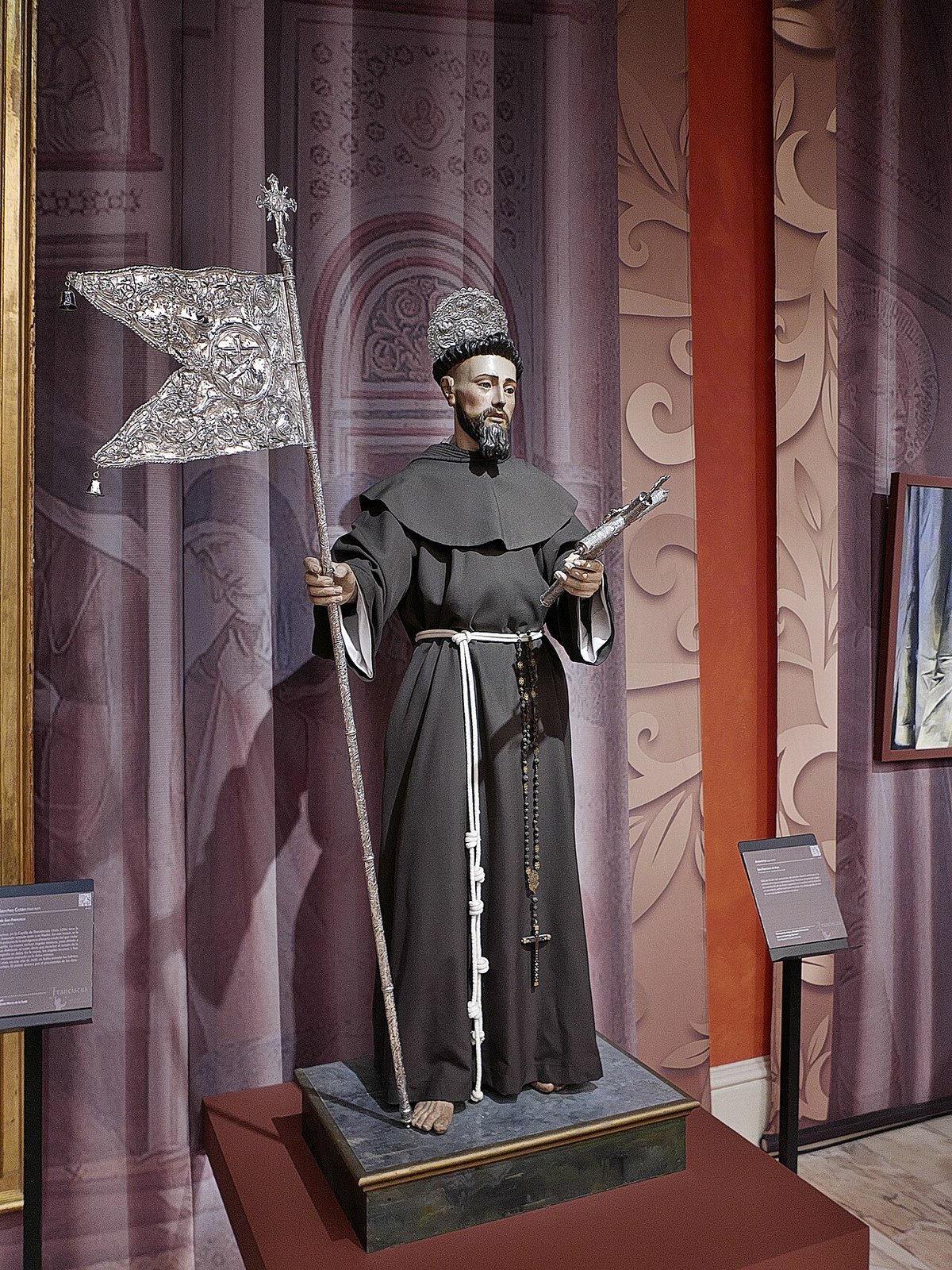
Around the day of Santiago, there is another distinctive procession. The Virgen de Cuatrovitas is carried by women from the town. It is mentioned in a matter-of-fact way by locals, as though it has always been done like that.
Before some celebrations, a communal meal known as the Noche de los Garbanzos brings people together. Large quantities of cocido are shared among neighbours, and the evening stretches on with singing and long conversations. It is less about a fixed programme and more about being present for as long as the moment lasts.
An easy plan for a slow day
Bollullos de la Mitación does not call for a packed itinerary or several days of scheduled visits. It works best as a simple plan. Arrive in the morning, walk a little, eat well, and head back with the feeling of a Sunday that unfolded at its own pace.
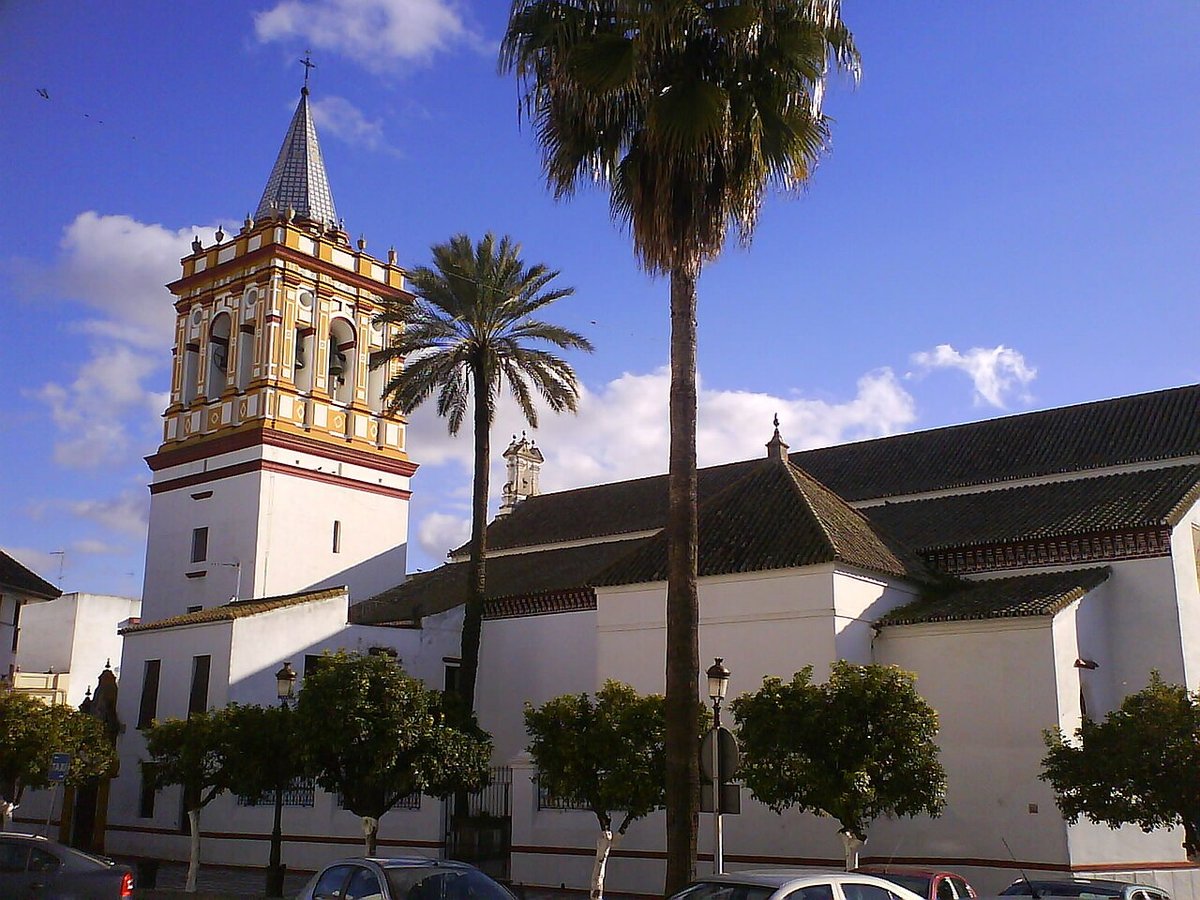
A typical route begins in the centre, around the iglesia de San Martín. From there, nearby streets invite a short wander, followed by a pause for a drink. What comes next depends on the day.
Good weather makes the sendero de Los Playeros a natural choice. This path links the area around the ermita with nearby pine groves. It is not long, and in some stretches mobile coverage drops away, which can be a welcome change.
If the weather turns or rain sets in, the aerodrome offers an alternative place to spend some time, watching the movement and settling into its unhurried atmosphere.
Leaving around midday often brings a small shift in perspective. Back on the main road, the smell of asphalt and the sense of haste return. Yet for a while, thoughts tend to linger on the mosto, the old minaret and a bowl of cocido that tastes unmistakably like a Sunday at home.