Full Article
about Bormujos
A dormitory and university town in Aljarafe that still has olive estates and a strong farming tradition.
Hide article Read full article
The Fizz of Young Must at Nine
The first sound is the scrape of a metal chair on a patio floor. Then the smell arrives: a sharp, yeasty tang of young must, fermenting in reused plastic bottles kept cool in the shade. It’s a weekday morning in Bormujos, and from behind a thick wooden gate comes the low murmur of a radio. A bus sighs to a stop on the main road, heading towards Seville.
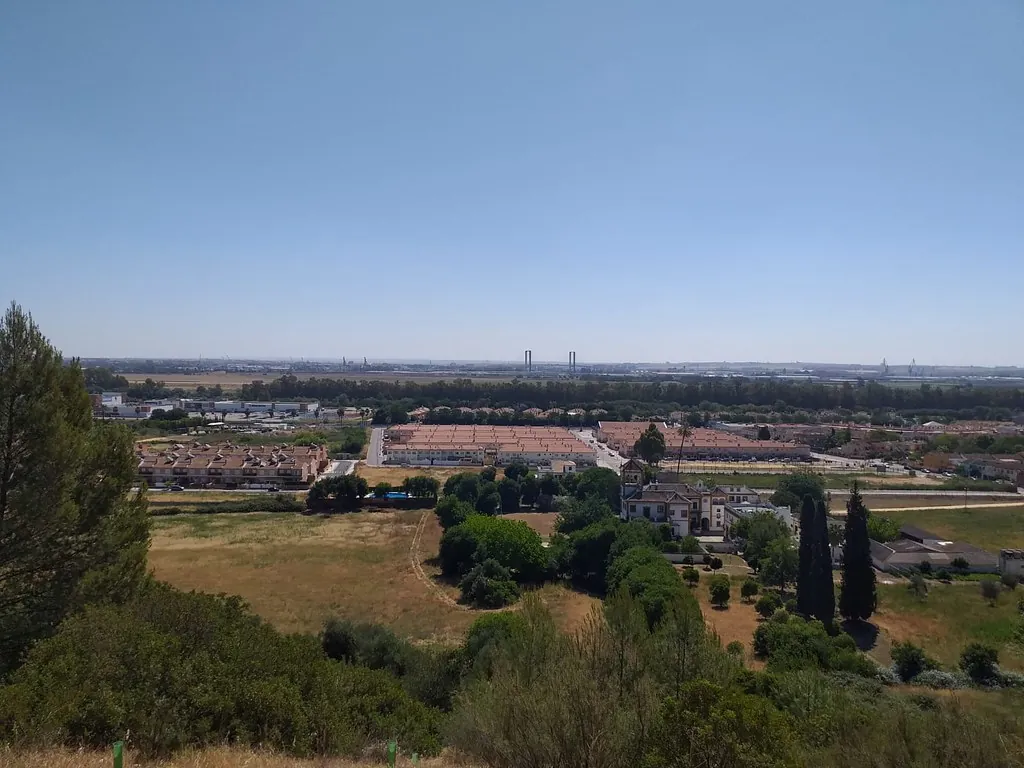
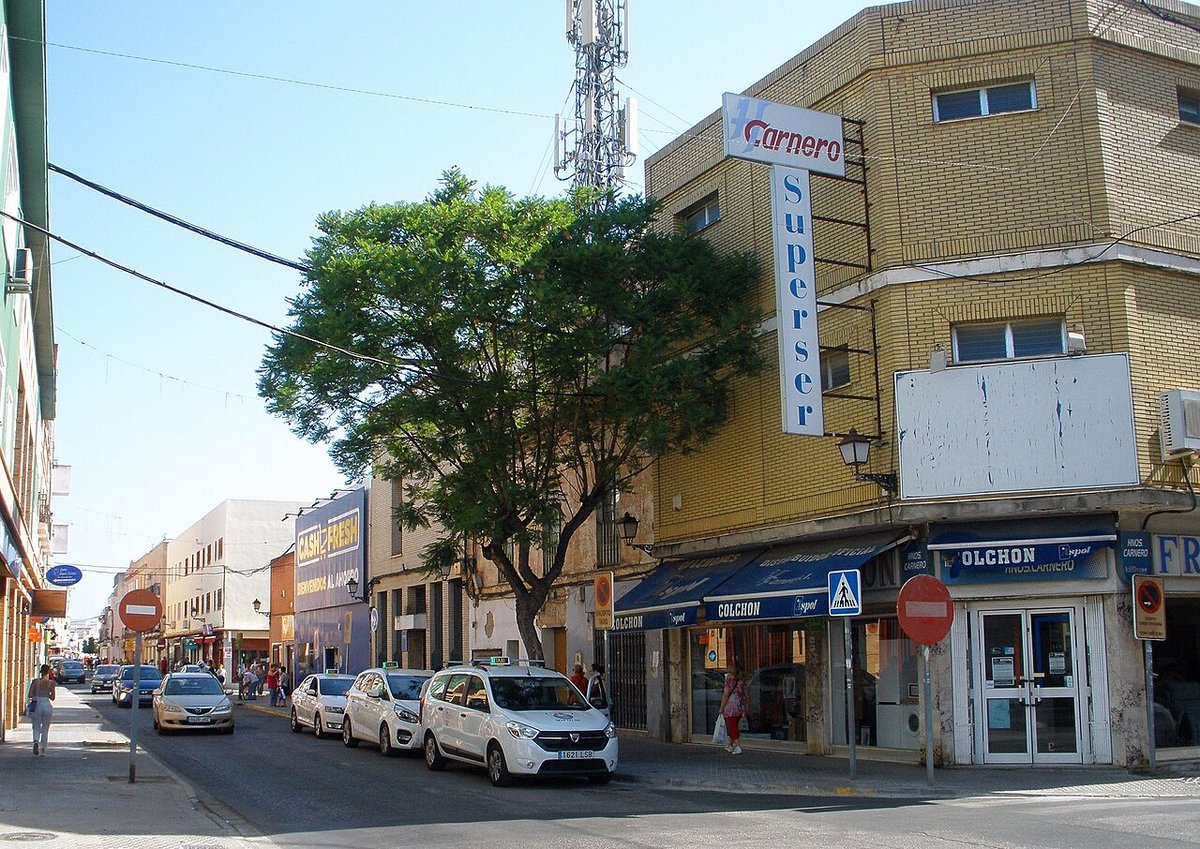
This town on the Aljarafe plateau holds onto these pockets of quiet. They exist between the newer housing blocks and the wider avenues that speak of its growth. The light here is different from the city below; it arrives clear and flat, stretching across the last remaining olive groves that separate one development from the next.
If you walk away from the bus line, the streets tighten. Calle Real bends without warning, leading you past walls of whitewash and brick that once marked the boundaries of old olive estates. Now they hold back the scent of jasmine from a hidden patio. You understand this place by its edges, by what persists behind gates.
A Patio, a Grille, a Tray
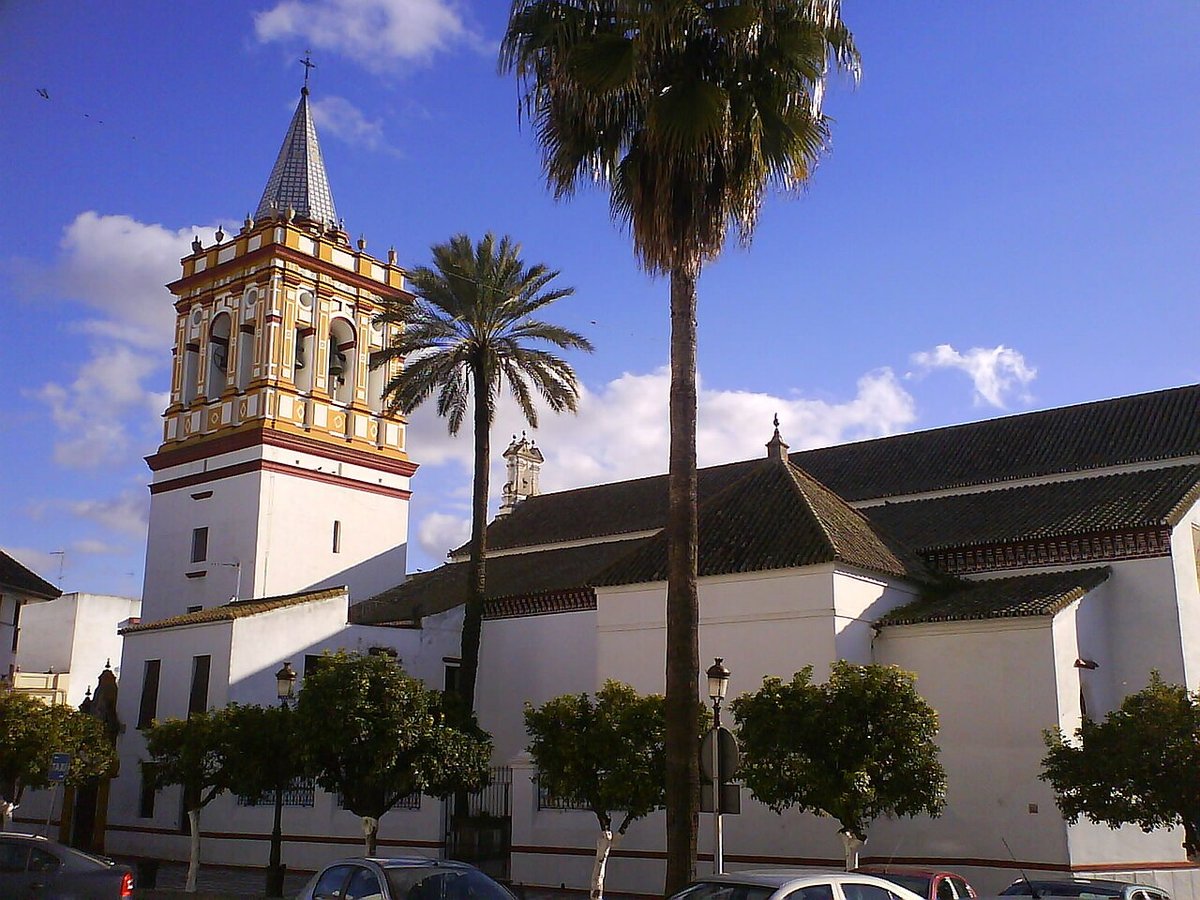
In a side street near the church, a voice comes through a wooden grille set high in a wall. It asks how many sweets you want. No face appears. A minute later, a wooden tray emerges from the turnstile with two portions of yemas. The transaction is quiet, practical, centuries old. Inside the Iglesia de la Encarnación, the air is cool and smells of spent wax. Around noon, light cuts through high windows and hangs in the dust above the pews.
This solemnity breaks a ten-minute walk away at the university campus. Here, the rhythm is faster, defined by backpacks and the chatter from café terraces where students cluster over laptops. The Parque de Los Álamos sits between these two worlds. In the afternoon, runners trace its wide paths. In the morning, retirees walk small dogs as students cut through on their way to class. It’s less a destination than a shared corridor for different lives.
Corpus Christi and Coloured Sand
Come June, the texture of the streets changes. The trigger is Corpus Christi. On the morning of the procession, neighbours sprinkle coloured sand onto dampened pavement outside their doors. The designs are direct: a chalice, a sunburst, simple geometric shapes. The air carries the scent of damp sawdust and carnations.
The procession moves slowly. Children try not to scuff the patterns too soon. After it passes, people gather in the square for something cold to drink. This is when you might be offered a glass of that young must, its slight fizz and low alcohol content a local marker of early summer. Ask about orange wine and someone may fetch a homemade bottle from a pantry. Its flavour is all bitter peel and maceration, nothing like the commercial kind.
These festivals reset the public space. They turn ordinary routes into shared ground for a few days before receding again.
Practicalities Under the Sun
Spring is the time to come, when the air still moves across the plateau and the olive groves hold their grey-green hue. Summer is a different arrangement. By midday, heat pools on the asphalt and shutters stay closed until late afternoon. If your visit coincides with the local fair, park your car in one of the newer, wider sectors and continue on foot. The older streets become impassable with temporary stalls and crowds.
For walking, many head to the green corridor along the Río Pudio. The path is flat and straightforward, used by cyclists and dog walkers. In summer, bring water; shade is sporadic.
Movement here feels informal. Distances are short enough for walking, and the layout invites small detours. A straight line often becomes a meander through an older quarter or across an empty lot still waiting for construction.
Bormujos does not offer itself up immediately. It reveals itself in sensory details: the fizz in a glass, the grit of coloured sand underfoot, the contrast between a silent grille and a bustling campus terrace. It’s a place where you notice what survives in the gaps, where life feels layered rather than staged. You leave with the taste of bitter orange and yeast still on your tongue.