Full Article
about Castilleja de Guzmán
Small Aljarafe lookout town with historic gardens by Forestier and views over Seville
Hide article Read full article
Cuando pasas de largo sin saber lo que pisas
Hay un momento, saliendo de Sevilla por la autovía hacia el Aljarafe, en el que ves un cartel que pone Castilleja de Guzmán. La mayoría de los coches ni reducen la velocidad. Yo fui uno de ellos durante años, hasta que un día me pregunté qué había detrás de esa salida que siempre ignoraba.
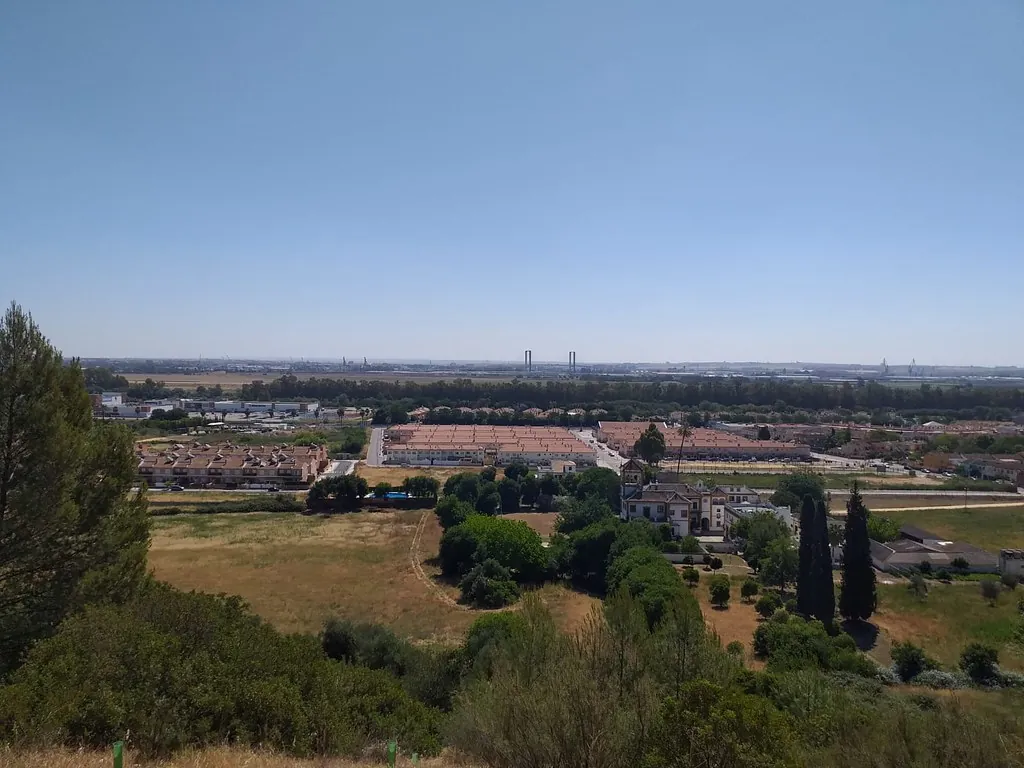
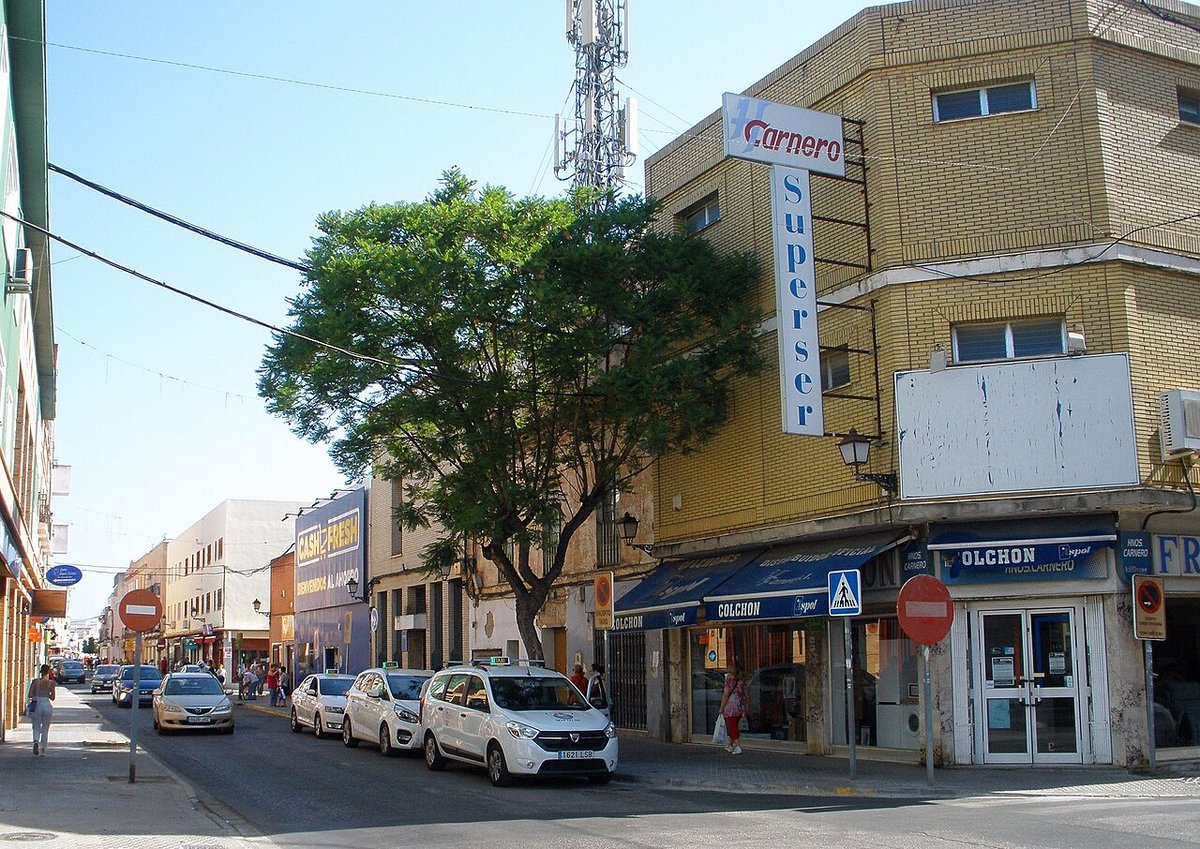
El pueblo está ahí, a unos minutos del ruido de la ciudad, encaramado en el Aljarafe. Tiene ese tamaño que se recorre andando sin darte cuenta. Unos 2.800 vecinos, calles tranquilas donde se oyen las conversaciones en los portales y una vista de la Giralda a lo lejos que te hace sentir lejos y cerca al mismo tiempo.
El palacio y el jardín dormido
Lo primero que llama la atención es el Palacio de los Guzmán. Te acercas y ves una fachada con historia, pero también con un aire de abandono que se nota. Es como si el edificio estuviera conteniendo la respiración, esperando una restauración que lleva décadas anunciándose.
Justo al lado están los Jardines de Forestier. Sí, el mismo paisajista francés que trabajó en el Parque de María Luisa. Aquí la teoría suena bien: un jardín histórico con vistas sobre la llanura. La práctica es otra: una verja cerrada desde hace mucho tiempo, árboles creciendo a su aire y un cartel oxidado. Los vecinos te lo comentan con una mezcla de resignación y esperanza. Saben lo que hay detrás del muro, pero no cuándo podrán volver a verlo.
Lo más importante está bajo tus pies
Esto es lo que casi nadie te cuenta y debería ser la razón principal para desviarte: estás caminando sobre uno de los yacimientos prehistóricos clave del sur de Europa. Forma parte del conjunto Valencina-Castilleja.
A tiro de piedra está el Dolmen de Montelirio, un sitio funerario con miles de años. No es un lugar con taquilla y horarios; es más bien un claro entre olivares marcado por piedras grandes. La gente pasa en coche sin imaginar las tumbas, los objetos de marfil y los hallazgos que han salido de aquí. Los romanos también estuvieron, claro. Esta zona era como la huerta y la residencia de verano de la antigua Hispalis.
El olor a guiso de domingo
No vengas buscando una calle llena de carteles de tapas. La mejor comida en Castilleja suele quedarse en las casas. Un domingo al mediodía, paseando por calles casi vacías, a veces pillas ese aroma a habas guisadas o a caldereta que se escapa por las ventanas entreabiertas.
Si quieres comer fuera, pregunta a alguien en la plaza principal o al dueño del colmado. Los sitios cambian, cierran unos y abren otros, y las recomendaciones funcionan aquí por transmisión oral, no por Google Maps.
Andar por los caminos del Aljarafe
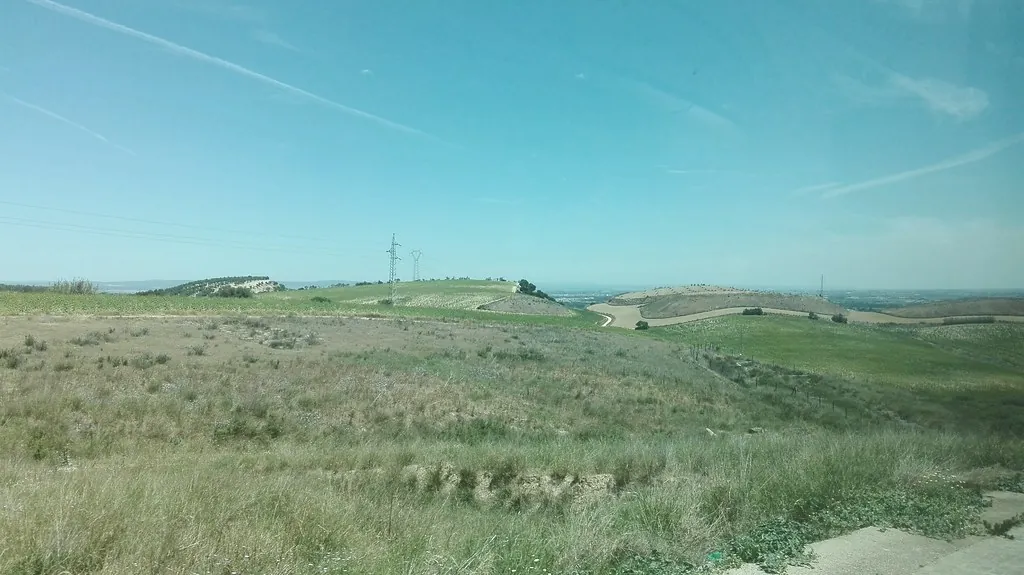
La forma honesta de entender este pueblo es salir andando hacia los campos. No hay senderos espectaculares ni miradores señalizados con paneles informativos. Hay caminos terrizos entre olivos que conectan con pueblos vecinos como Valencina o Salteras.
Caminas un rato, subes una cuesta suave y, cuando te das cuenta, tienes toda Sevilla desplegada en el horizonte bajo el cielo limpio del Aljarafe. Esa es la postal real: tu sombra alargada sobre la tierra roja y allá abajo, la ciudad bulliciosa desde la distancia silenciosa.
Mi consejo práctico
No vengas a Castilleja buscando un pueblo museo o una jornada turística completa. No es eso.
Ven si vas a Valencina a ver el dolmen y quieres completar la historia. Ven si huyes del gentío sevillano un domingo por la mañana y te apetece dar un paseo donde solo se oyen pájaros y tractores lejanos. Quédate lo justo para sentir ese cambio brusco entre la metrópoli y el campo, para entender las capas de historia apiladas bajo el asfalto moderno.
Luego sigue tu camino hacia otros pueblos del Aljarafe o vuelve a Sevilla para cenar. A veces los lugares más discretos son los que mejor explican todo lo demás