Full Article
about Castilleja de la Cuesta
Famous for its olive-oil tortas and as the place where Hernán Cortés died, with a long-standing pastry tradition.
Hide article Read full article
Where the Plain Meets the Plateau
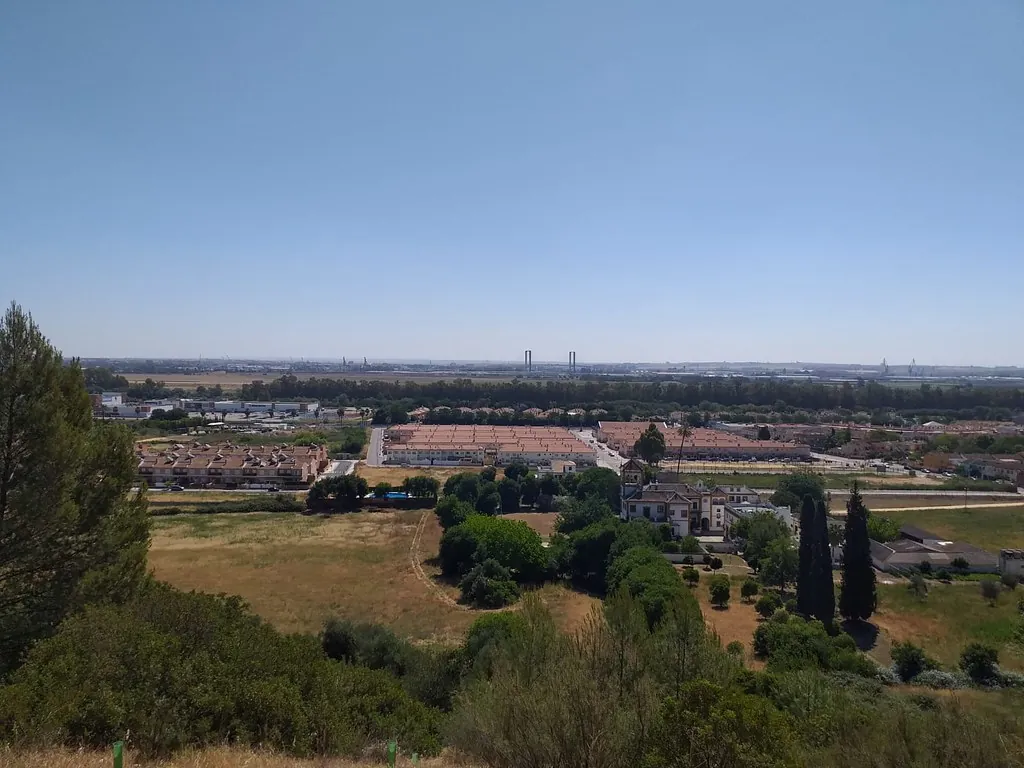
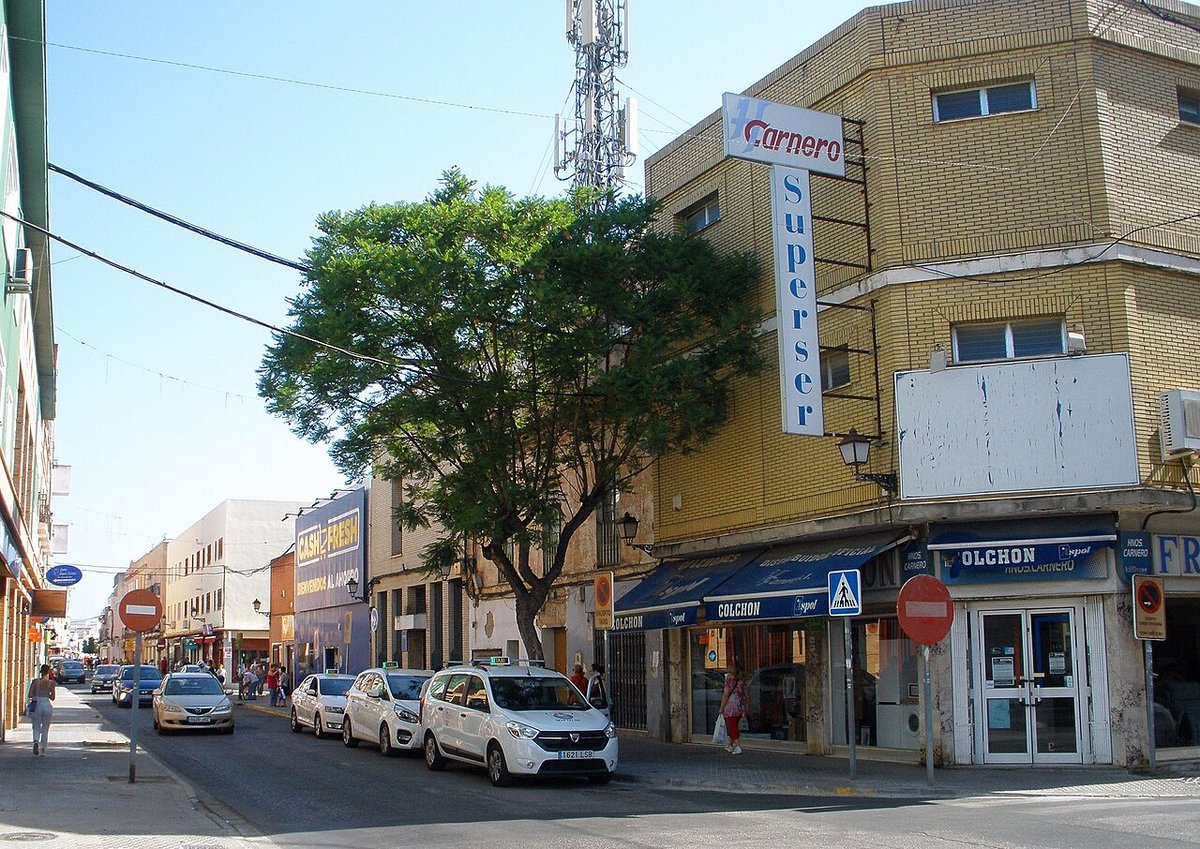
Castilleja de la Cuesta sits right on the edge of Seville, perched on the first rise of the Aljarafe. That modest step in the landscape explains much about the town’s history. Here the flatlands of the Guadalquivir come to an end and a gentle plateau begins, a position that for centuries offered greater safety from the river’s floods. Settlements naturally gathered along this slightly elevated strip, facing the city yet surrounded by land suitable for cultivation.
Approaching by road, there is often a sweet scent in the air, a blend of olive oil and aniseed drifting from a well-known tortas factory near the entrance to the town. This industrial presence has formed part of daily life for more than a century. Long before that, chroniclers described the Aljarafe as a sweep of olive groves and vineyards. The vines have almost entirely disappeared, but the olive tree still defines the agricultural character of the comarca.
Castilleja’s location reveals the logic behind its growth. Close enough to Seville to feel its pull, yet raised just enough to avoid the worst of the Guadalquivir’s moods, it occupied a strategic and practical position. That balance between town and countryside remains part of its identity.
A Castrum on the Aljarafe
The name Castilleja is often linked to a small Roman castrum, a fortification that once controlled the route climbing from the Guadalquivir valley towards the interior. Geographically, the idea makes sense. This edge of the Aljarafe offered a vantage point from which to watch the approaches to Hispalis, Roman Seville, while remaining beyond the reach of flooding.
Some scholars have attempted to identify the site with the ancient “Ucia” mentioned by Ptolemy. The theory appears from time to time in local historiography, although archaeological evidence has yet to provide firm confirmation.
What is clearly documented is the reorganisation of the territory after the Castilian conquest of Seville in the 13th century. By the end of that century, these lands were linked to the Order of Santiago, one of the military orders that played a central role in medieval Iberia. In time, control passed to nobility connected to the Sevillian court. During the 16th century, the Count of Olivares acquired jurisdiction here. In the 17th century, the construction of a Dominican convent was promoted, and its presence still shapes part of the town’s skyline.
These layers of authority, from military orders to aristocratic families, reflect how closely the Aljarafe was tied to Seville’s political and economic orbit.
Where Cortés Died
Castilleja de la Cuesta appears in many history books for a specific reason: Hernán Cortés died here in December 1547. The conqueror of Mexico spent his final days in a house associated with a noble family from the Seville area, living relatively withdrawn from public life.
The exact building has served different purposes over time and today forms part of the urban fabric in the centre. The reference can easily pass unnoticed by visitors who are not looking for it, yet it underlines how deeply the Aljarafe was connected to Seville during the period of American trade. Wealth, influence and personal networks radiated out from the city, and Castilleja lay within that sphere.
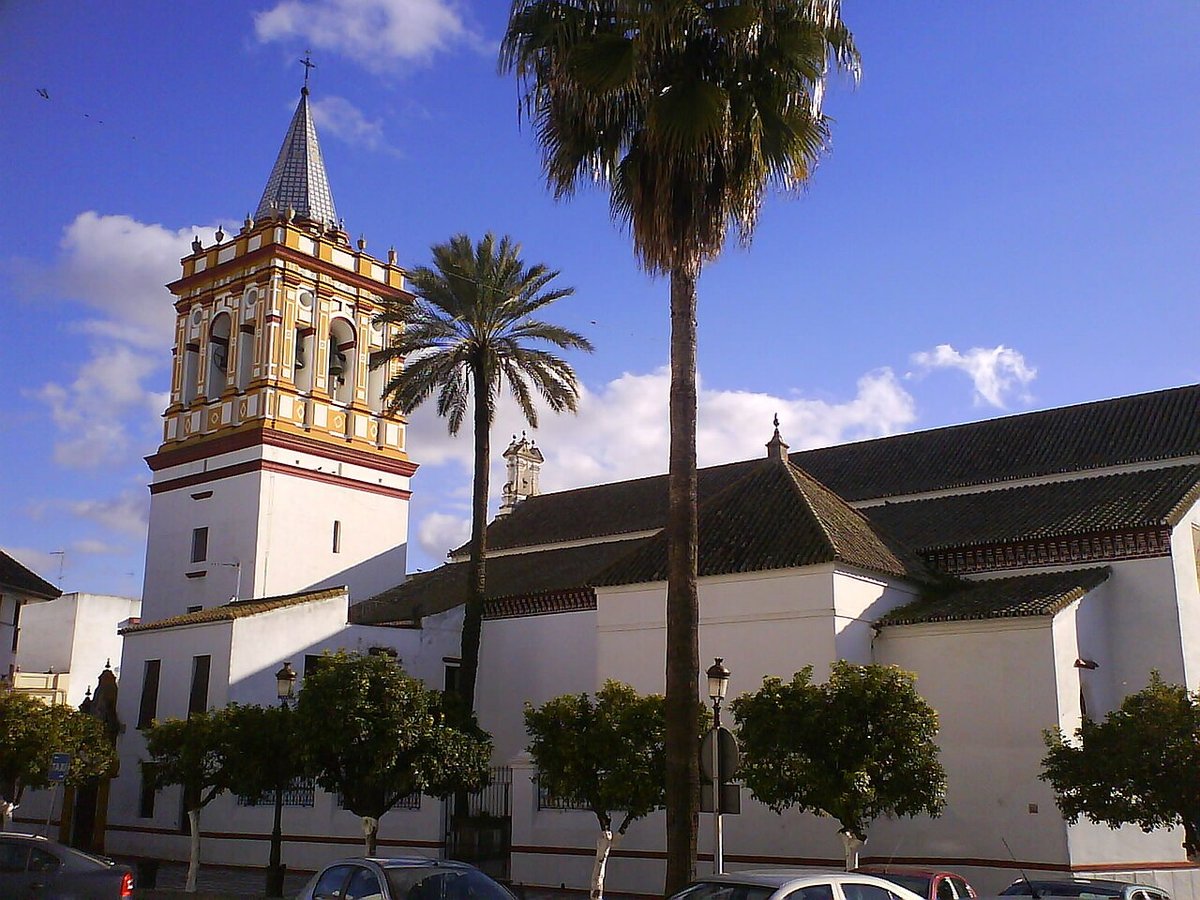
At the heart of the historic centre stands the church of Santiago Apóstol. The current structure largely reflects early modern reforms carried out on an earlier parish church. It is not a monumental building, but it helps explain how these settlements, established after the medieval repopulation, were organised: a church, a nearby square and a web of agricultural tracks linking the town to Seville and to the surrounding haciendas. The tower, visible from various points across the municipality, remains a landmark in a landscape once dominated by olive groves and now increasingly fragmented by urban expansion.
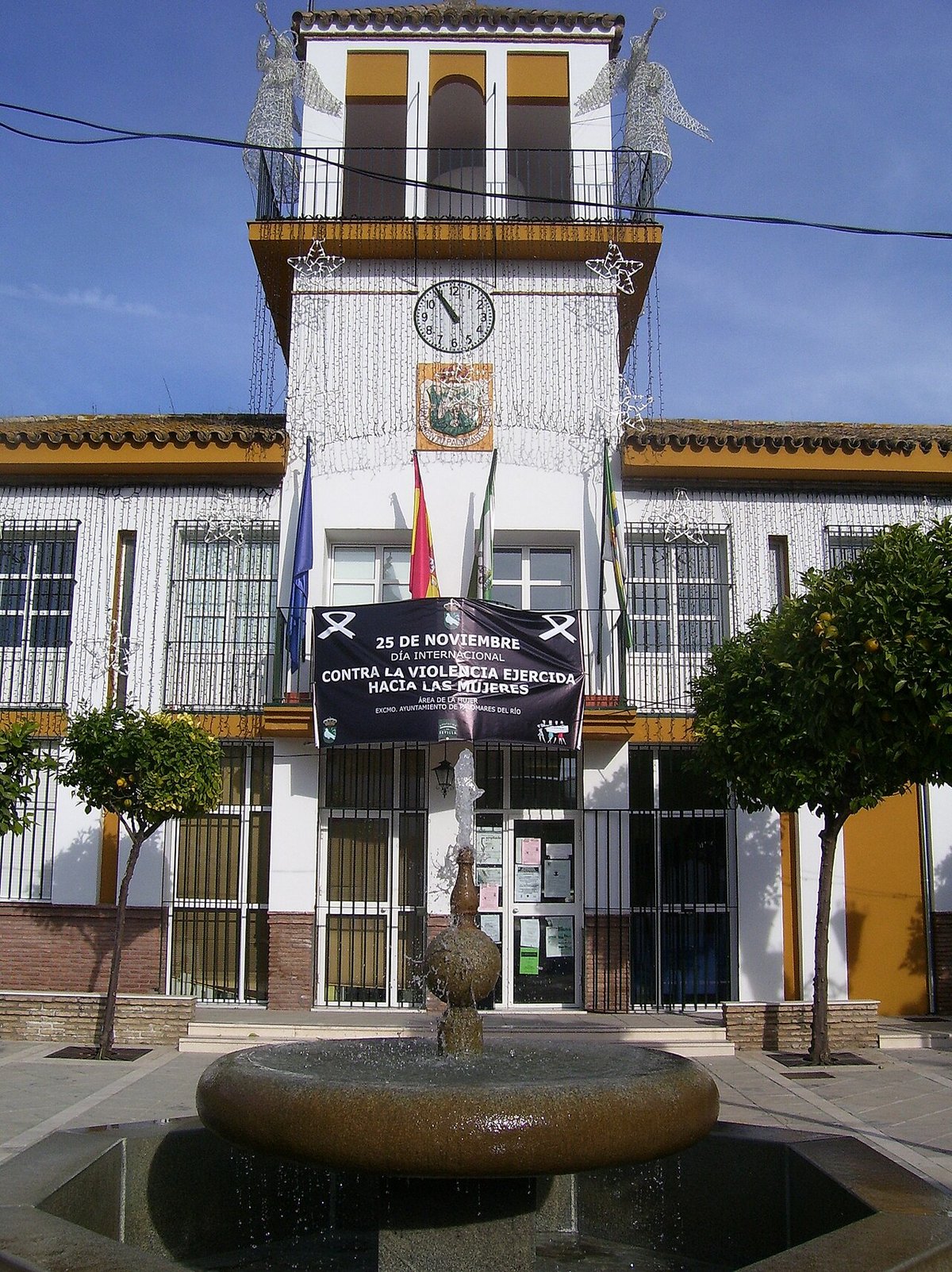
Walking through the centre, the scale feels local rather than grand. Streets connect quickly from one point to another, and the historic references are woven into everyday surroundings rather than set apart.
The Sweet Trade of the Aljarafe
For centuries, the local economy depended on what the land of the Aljarafe could produce: olive oil, cereals and, for a long period, wine. In the last hundred years, industrial production of the well-known tortas de aceite has been added to that list. These thin, crisp olive oil biscuits have been made here since the early 20th century. The factory occupies several blocks of the municipality and remains one of the most recognisable features of the town.
The aroma from the ovens evokes older domestic recipes. In many Aljarafe households it was customary to prepare fried or olive oil-based sweets at certain times of year, especially around Semana Santa, the Holy Week leading up to Easter that is so significant in Andalusia.
Something of that daily life can still be sensed in the municipal market. Stalls combine produce from the comarca with everyday groceries. When the heat intensifies, trays of porra fría are a common sight. This cold dish, made with plenty of bread and olive oil, is thicker than other Andalusian chilled soups and speaks directly of a cuisine shaped by agriculture and climate.
Food in Castilleja is less about display and more about continuity. The ingredients come from the same land that determined the town’s position centuries ago.
Between Haciendas and Convents
Although the centre of Castilleja can be covered in a short walk, understanding the municipality means looking towards the edges of the urban area. Across the Aljarafe, haciendas structured the territory for centuries. These large agricultural estates typically included work courtyards, olive mills or wine presses and often a small private chapel.
Several of these buildings remain standing on the outskirts of the town. Some have been converted into housing or public facilities. Others retain their traditional layout, though in varying states of preservation. Whitewashed walls and interior courtyards hint at a highly hierarchical agricultural system that dominated the comarca well into the 20th century.
The presence of convents and religious foundations added another layer to this landscape. Together with the haciendas, they shaped both the physical environment and the rhythms of local life.
Castilleja de la Cuesta is not defined by a single monument or dramatic viewpoint. Its interest lies in its position and its connections: to the Guadalquivir plain, to the rise of the Aljarafe, to Seville’s medieval reorganisation and its Atlantic ambitions, to olive oil and sweet pastries that still scent the air. The town occupies a threshold, geographically and historically, where city and countryside have long met.