Full Article
about Gelves
Riverside town with a marina on the Guadalquivir and birthplace of the bullfighter Joselito el Gallo
Hide article Read full article
There is a moment, just as the catamaran leaves the marina, when it is easy to forget how close you are to the centre of Seville. The Guadalquivir widens, the white houses of Gelves slip into the background, and suddenly the river feels calmer than you would expect so near a regional capital. It is a bit like discovering that the café on your own street has been serving the best coffee around for years without you noticing.
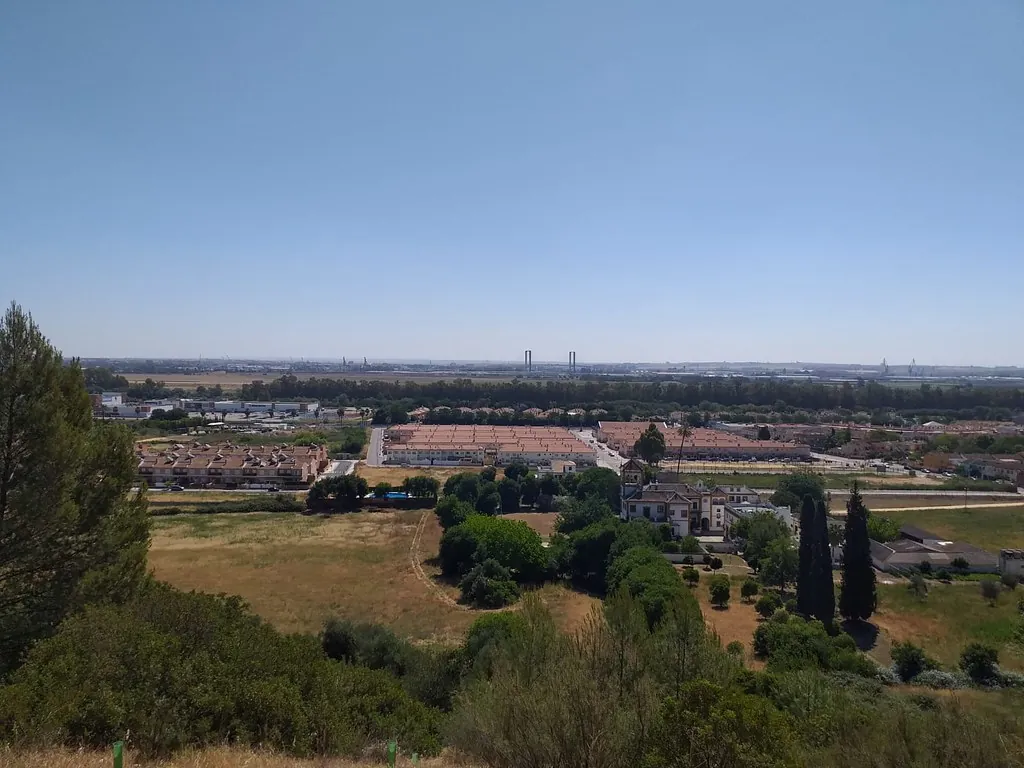
Gelves sits in the Aljarafe region of Andalusia, a short drive from Seville and quite literally just across a bridge. Yet it has managed to hold on to its own pace and personality.
A Town That Chose Not to Become a Suburb
With just over ten thousand residents and a small municipal area, everything in Gelves feels close at hand. There is none of the anonymous sprawl that can define parts of larger metropolitan belts. Instead, you find squares where people stop to talk, cars parked in their usual spots, and neighbours who still greet each other in the street.
Its history follows a familiar pattern for towns along the Guadalquivir valley. There were early settlements, then the Romans passed through, followed by the period of al‑Andalus under Muslim rule. In the 13th century, the area was taken during the Christian conquest.
For centuries Gelves was linked to a noble family, the Condes de Gelves. Tradition holds that they were related to the family of Christopher Columbus and that several members held the title of Admiral of the Indies. It is the sort of detail that invites the imagination to wander to long family lunches with such a résumé hovering over the table.
Despite its proximity to Seville, Gelves never fully dissolved into the city’s orbit. It remains a separate municipality, close enough to benefit from the capital yet distinct enough to keep its village rhythm.
A Marina on the Guadalquivir
The first thing that often surprises visitors is the marina. A port on a river is not what most people expect to find here.
Located on one of the banks of the Guadalquivir, it functions as a mooring point for leisure boats. Inland marinas of this kind are not common in Andalusia, and even less so this close to a major city. Seeing masts and sailing boats just a few kilometres from Seville feels slightly out of place, in the best way.
From here, on certain days, river routes head upstream. The journey is not especially long, but it shifts your perspective. Seville gradually recedes, greener banks come into view, and the Guadalquivir appears as what it was for centuries: a route of communication rather than an urban backdrop.
That shift matters. In Seville, the river often feels like scenery, framed by historic buildings and busy quaysides. Near Gelves, it becomes quieter and more expansive. The current, the vegetation along the banks, and the open stretches of water give a sense of space that contrasts with the city upriver.
The marina area also draws local life. It is part of the town’s everyday routine, not just an attraction. People stroll by the water, boats come and go, and the presence of the river shapes how Gelves sees itself.
Hearty Food with Deep Roots
The cooking in Gelves is the kind that was designed to make sure no one left the table hungry.
The dish most often mentioned by locals is cascote. It is essentially a stew of peas with rice, panceta and chorizo, finished with a splash of vinegar. The idea of vinegar in a stew might sound unusual at first, but it works. The result sits somewhere between a substantial stew and a thick soup, especially welcome when the weather turns cooler.
Another classic is ajo molinero, a humble recipe built around bread. Bread, garlic, paprika and water form the base. It began as a way of using what was available at home and over time settled into the local repertoire as a traditional dish.
On the sweet side, the focus is firmly domestic. Homemade magdalenas appear regularly, along with pestiños that in Gelves sometimes include a touch of brandy. These are the kinds of recipes that tend to come out during fiestas or family gatherings rather than sitting in shop windows. They belong to kitchens and celebrations, passed down and repeated without much fuss.
When the Virgin Reaches the River
If there is one date that stands out in Gelves, it is 16 July, the feast day of the Virgen del Carmen.
On that day, the image of the Virgin is carried down from the town to the river, ending in the area around the marina where a river procession takes place. Watching the patron saint embark on the Guadalquivir is an unusual sight. It blends maritime tradition with a landscape that is entirely inland.
The Virgen del Carmen is widely associated with sailors and coastal communities across Spain. In Gelves, that devotion meets the reality of a town whose link to the water comes through a river rather than the sea.
The marina fills with people, decorated boats and a lively atmosphere. Even those who are not especially drawn to religious processions often head down to the river that day, if only to experience the mood that forms along the water.
A Different Kind of Stop Near Seville
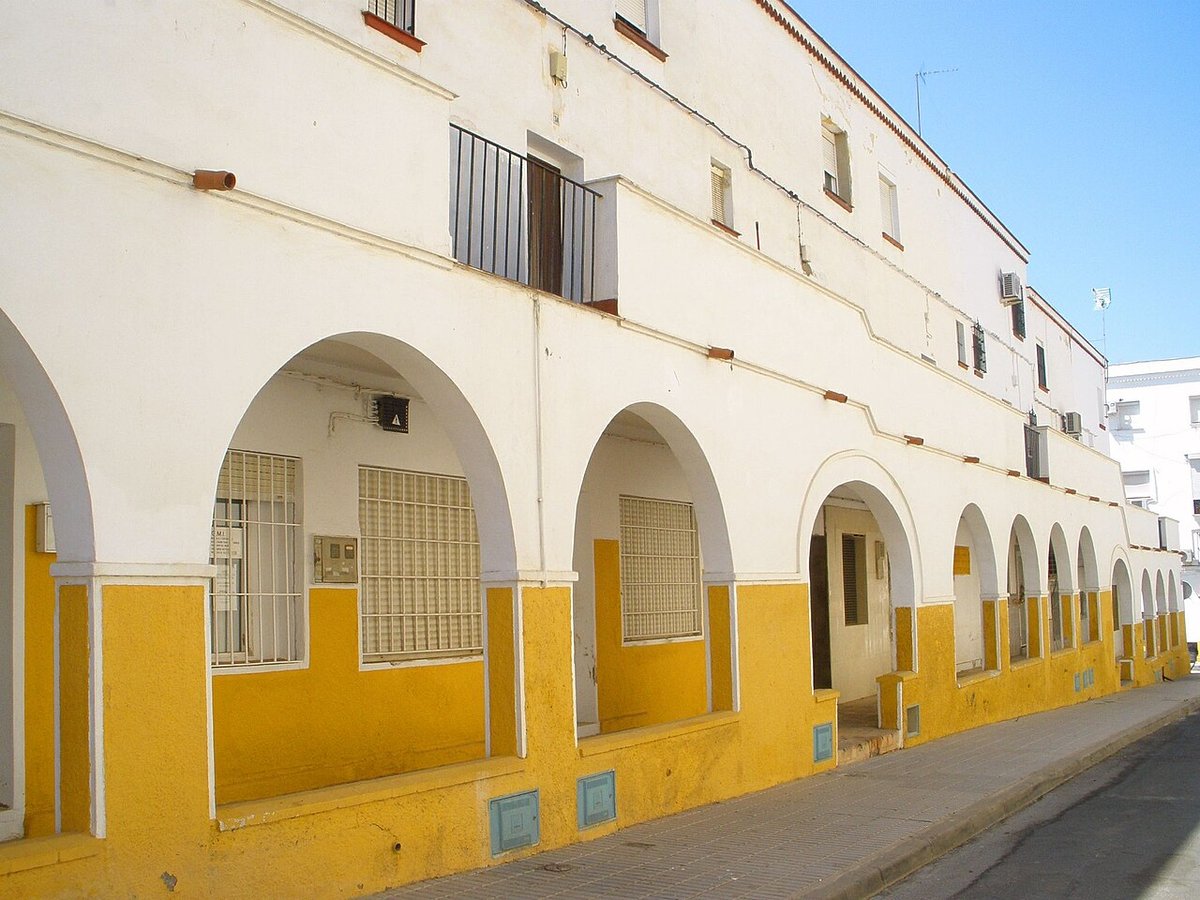
Gelves is not the archetypal Andalusian white village of postcards, all steep streets and mountain viewpoints. It plays a different role.
What stands out here is the combination of elements: an Aljarafe town attached to a large city yet still oriented towards the river. The marina, the walk along the bank and the day‑to‑day life of the municipality carry more weight than any single monument.
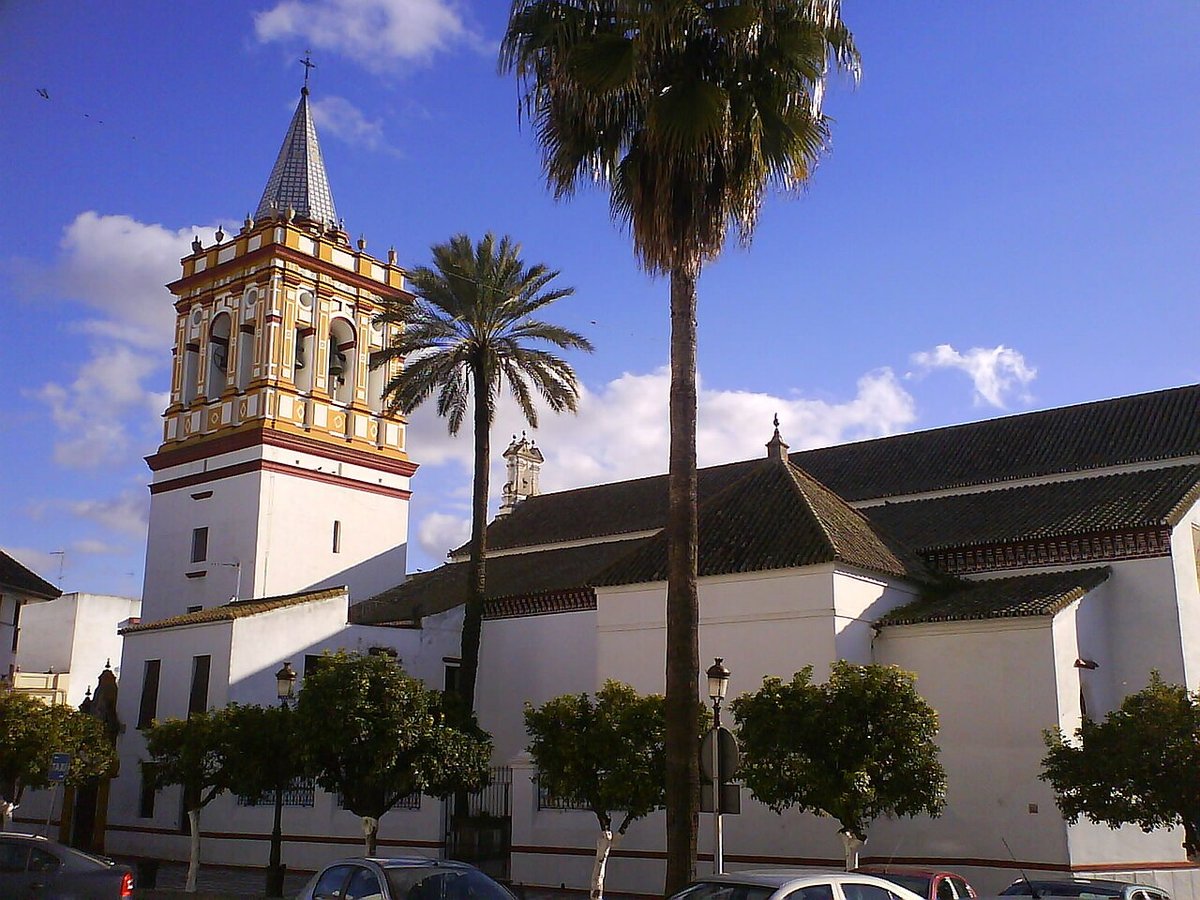
A simple plan works best. Park near the river, walk around the marina, then head up towards the town centre and the church of San Juan Bautista. From that area, it becomes clear how Gelves settled between the Aljarafe plateau and the Guadalquivir.
If the timing coincides with one of the boat routes, it is worth stepping aboard. It is not an epic expedition, but for a while the landscape shifts and it becomes surprisingly hard to believe that Seville is so close.
Gelves tends to work like that. Expectations are modest, the setting is straightforward, and then the river opens up and reframes everything. It is the sort of place that rewards unhurried curiosity, especially for those willing to look beyond the obvious when travelling around Seville.