Full Article
about Gines
Famous for its Rociera tradition and its annual Una Pará en Gines event that draws thousands of visitors.
Hide article Read full article
A village shaped by its land
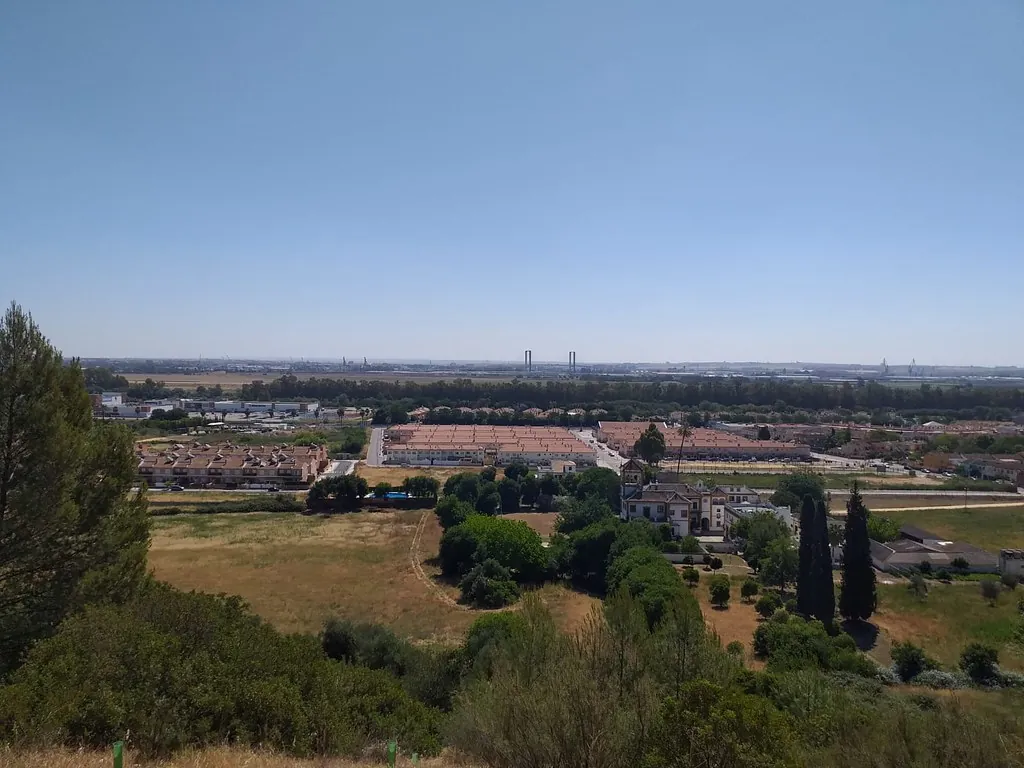
Tourism in Gines makes more sense when you begin with the setting. The town sits in the Aljarafe of Seville, a gently raised plateau to the west of the city that for centuries acted as its immediate larder. Just a few kilometres from Seville, Gines developed among olive groves, market gardens and agricultural estates that made the most of this fertile ground. That proximity explains much of what the place is today: its size, its largely residential character and the way certain customs remain closely tied to the countryside.
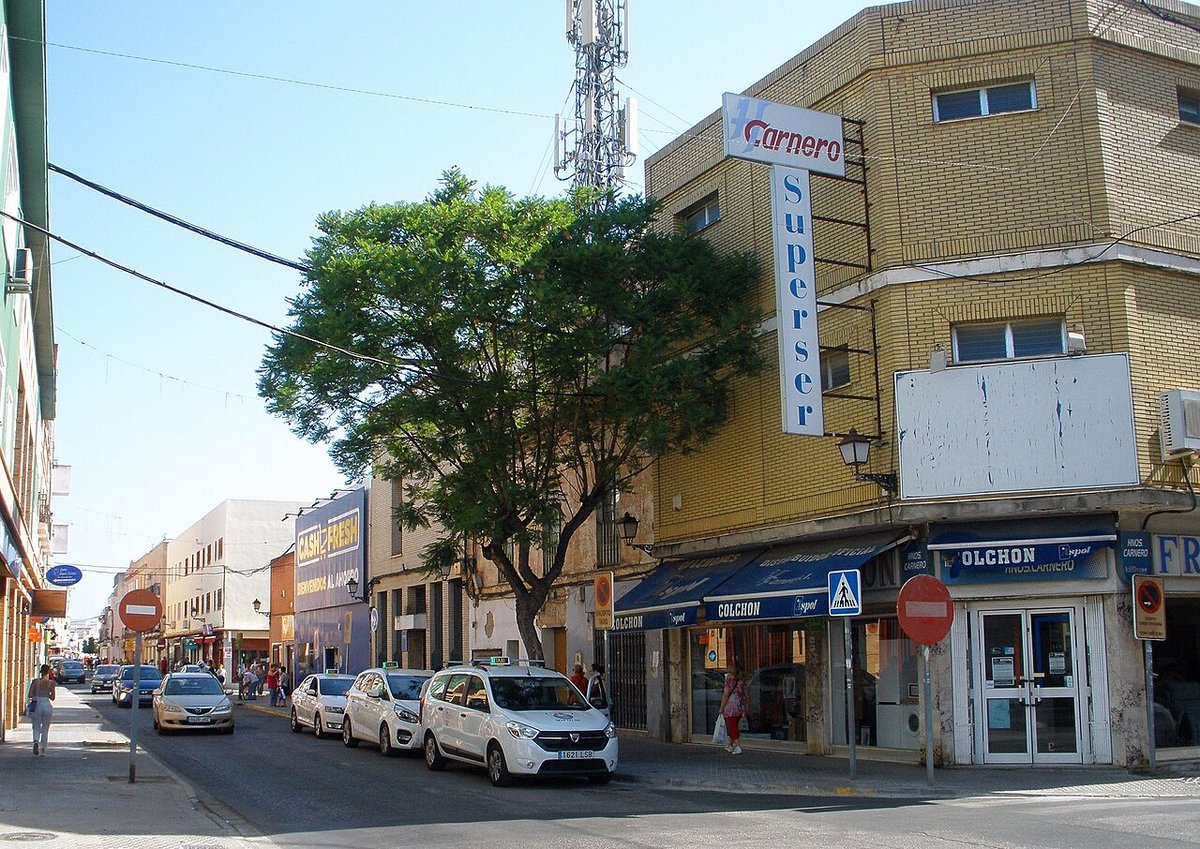
Early in the morning, some of that older rhythm is still visible. Along Calle Real, the traditional spine of the town, breakfast is often more substantial than a quick coffee. One typical dish is ropa vieja, a way of reusing the previous day’s cocido. It reflects a domestic logic that has never quite disappeared in the villages of the Aljarafe, where cooking and daily life have long been shaped by practicality and continuity.
Layers behind the name
The origin of the name Gines is not entirely clear. Some writers connect it to Roman-era names, though the evidence is fragmentary and not always conclusive. What appears more widely accepted is the Arabic imprint. For centuries this area formed part of the agricultural belt that supplied Isbiliya, the Islamic city of Seville.
Its position on a small plateau of the Aljarafe, close to routes linking the capital with western Andalusia, meant the settlement continued after the Christian conquest of Seville in the 13th century. As happened across much of the surrounding area, land was distributed among lineages connected to the Crown.
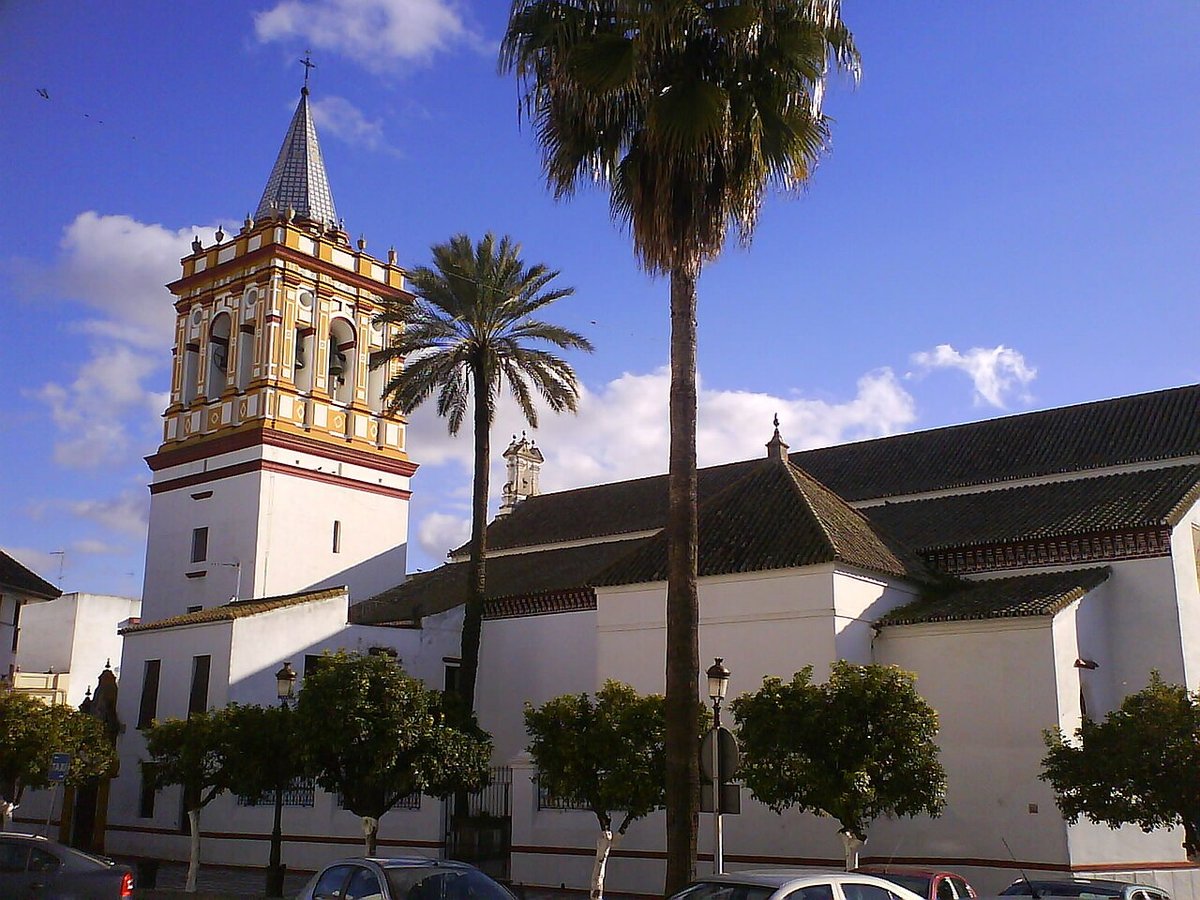
The parish church of Nuestra Señora de Belén reflects these historical layers. The building retains Mudejar elements in its structure, though it underwent later alterations, particularly during the Baroque period. More than its scale, what matters is its role as the centre of the old settlement. For centuries, daily life in Gines was organised around this church and the streets that spread out from it.
When El Rocío sets the pace
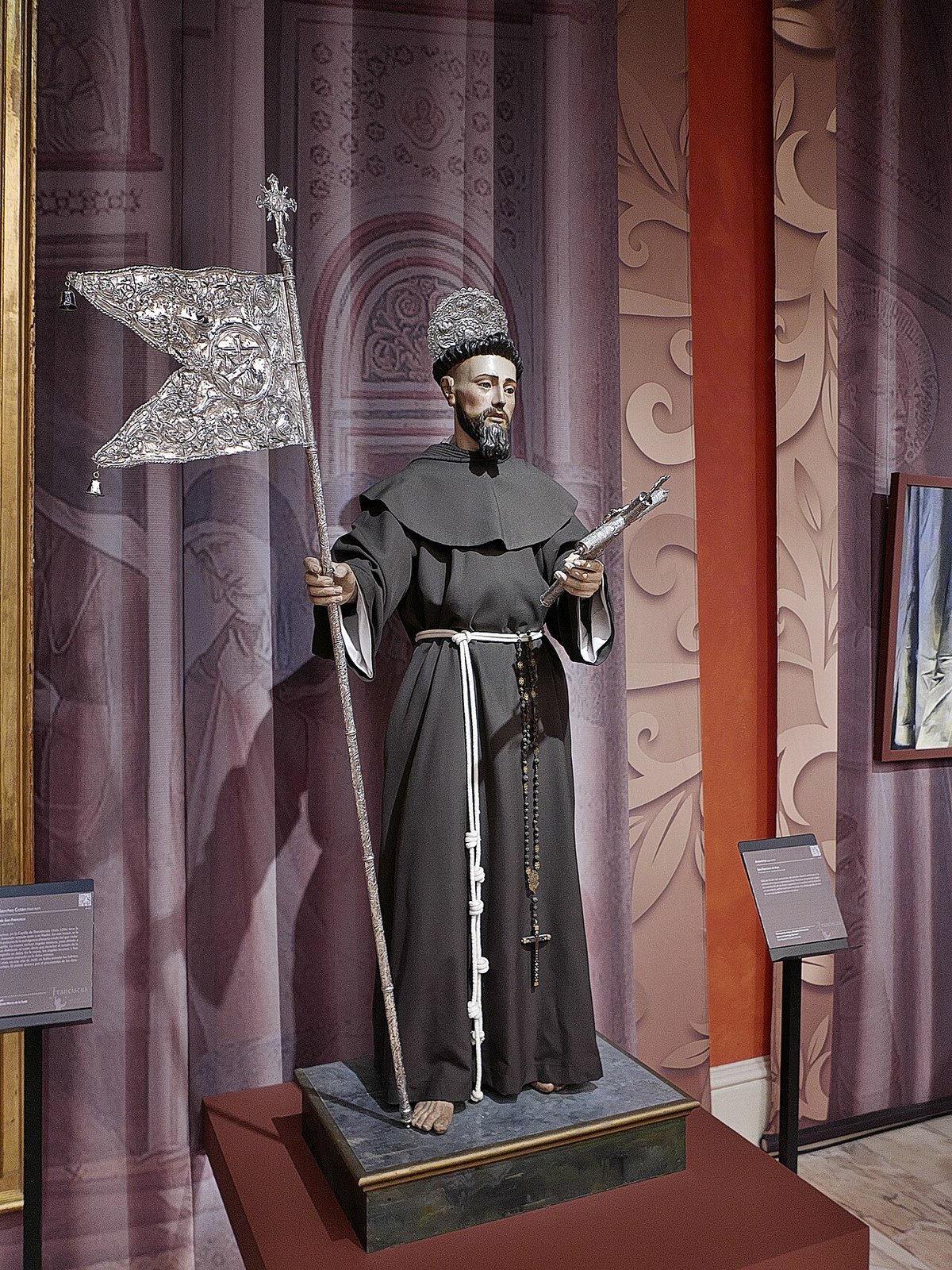
If one tradition defines the local calendar, it is the connection with the Romería del Rocío, a major pilgrimage in Andalusia. Gines has one of the best-known brotherhoods, or hermandades, in the province, and each spring the departure of the wagons transforms the town for several days.
Preparations begin well in advance. Houses are made ready, carriages and trailers are fitted out, and the yards where horses are kept regain an activity that recalls the town’s agricultural past. Although urban growth has changed much of the surrounding landscape, this annual departure still holds a strong place among residents.
The hermitage of Santa Rosalía forms part of this devotional landscape. Its origins are usually placed in the 18th century, linked to outbreaks of illness that affected the area. It is a small, simple building, constructed in brick and lime, yet its outline has long served as a visual reference point in a part of town that was once open countryside.
Cooking that wastes nothing
Ropa vieja, served in many local bars, is less a fixed recipe than a form of home cooking. It begins with leftover cocido, often made with berzas, a type of leafy green. The ingredients are shredded, lightly fried and bound with beaten egg. The result sits somewhere between a scramble and a thick omelette, and it is eaten with a spoon.
This way of cooking fits neatly with the rural culture of the Aljarafe, where for generations nothing was thrown away. In some homes it is still prepared on special occasions, especially during family gatherings or celebrations linked to local festivals.
Traditional baking also survives in local pastry shops and small workshops. These sweets tend to circulate among neighbours and rarely move beyond that everyday, local sphere, which gives them a distinctly domestic character.
Between old estates and new growth
Like other towns near Seville, Gines has expanded significantly in recent decades. New neighbourhoods and industrial areas now occupy land that was once cultivated. Even so, traces of the older landscape of haciendas, large agricultural estates typical of the Aljarafe, can still be found.
Some of these estates have disappeared or been converted into housing developments, but others retain recognisable features: working courtyards, water wheels, former wine cellars or sheds that once stored tools and animals. This combination of house, courtyard and agricultural buildings formed the basis of oil and wine production in the region for centuries.
Walking through the town centre, it is also possible to come across houses from the 19th and early 20th centuries. Many were linked to families who used Gines as a seasonal residence, drawn by a slightly cooler climate than the city offered during the summer months.
Getting there and moving around
Gines lies just a few kilometres from Seville and is easily reached via the motorway that connects the capital with western Andalusia. There are also regular metropolitan bus connections.
The town centre can be explored comfortably on foot. Distances are short, and much of what defines Gines is found in its streets, its everyday routines and the traces of a landscape that, despite change, still shapes how the place is lived.