Full Article
about Olivares
Baroque town tied to the Count-Duke of Olivares, with a beautifully preserved historic-artistic ensemble.
Hide article Read full article
A town shaped by a noble house
Tourism in Olivares makes more sense when seen through its past. The town grew around the influence of the Guzmán family, one of the major noble lineages connected to the Spanish Habsburg court. In the 17th century, Gaspar de Guzmán, Count-Duke of Olivares and royal favourite of Philip IV, held considerable power in Madrid. At the same time, his family continued to invest in this settlement in the Aljarafe region of Seville.
That influence is still visible today. The Colegiata and the former family palace form a clear axis in the centre of town. Their scale and position reflect who directed economic and political life here at the time. Even now, the layout of Olivares points back to that period, when decisions made far from the town still shaped its streets and buildings.
The weight of stone and memory
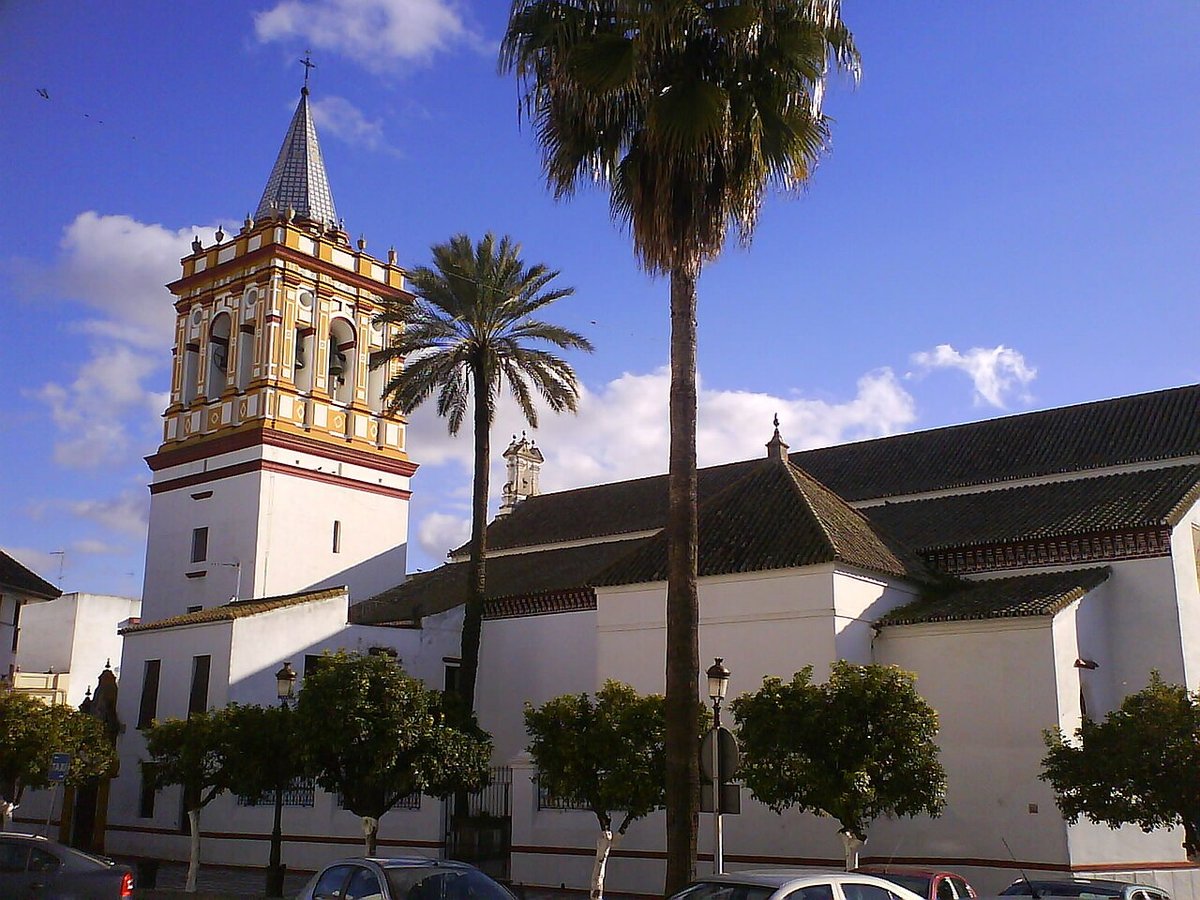
The Colegiata de Santa María de las Nieves defines the skyline of Olivares. Construction stretched across decades during the 17th century, part of an ambitious programme for a community whose economy relied largely on agriculture in the Aljarafe. Architects working in Seville took part in the project, and tradition often links the work to Vermondo Resta, who was also associated with Seville Cathedral.
Its size is partly explained by its funerary role. Several noble families from Seville purchased burial spaces within the church, something common at the time. The crypt and the side chapels reflect this purpose, turning the building into a place of remembrance for those connected to the Guzmán household.
Inside, there is a notable collection of relics gathered during the Baroque period. The reliquary, made with precious metals and glass, brings together devotional objects acquired over time through donations and purchases. The church is also associated with the painter Juan de Roelas, an important figure in early 17th-century Sevillian painting. His connection to Olivares is often mentioned in local tradition, linking the town to the broader artistic life of the period.
The palace and its changing role
Facing the colegiata stands the former palace of the count-dukes. The current building retains elements of its Renaissance structure, although it has undergone various alterations and changes in use. Like many noble residences in Andalusia, it functioned both as a family home and as an administrative centre for managing the estates tied to the title.
Parts of the original complex remain, including the main façade and several interior courtyards. Today, the building serves municipal purposes, which allows access to some areas. Exhibitions are occasionally held, often focused on the 17th century and the figure of the count-duke. These displays help explain why a relatively small town came to have buildings of such scale.
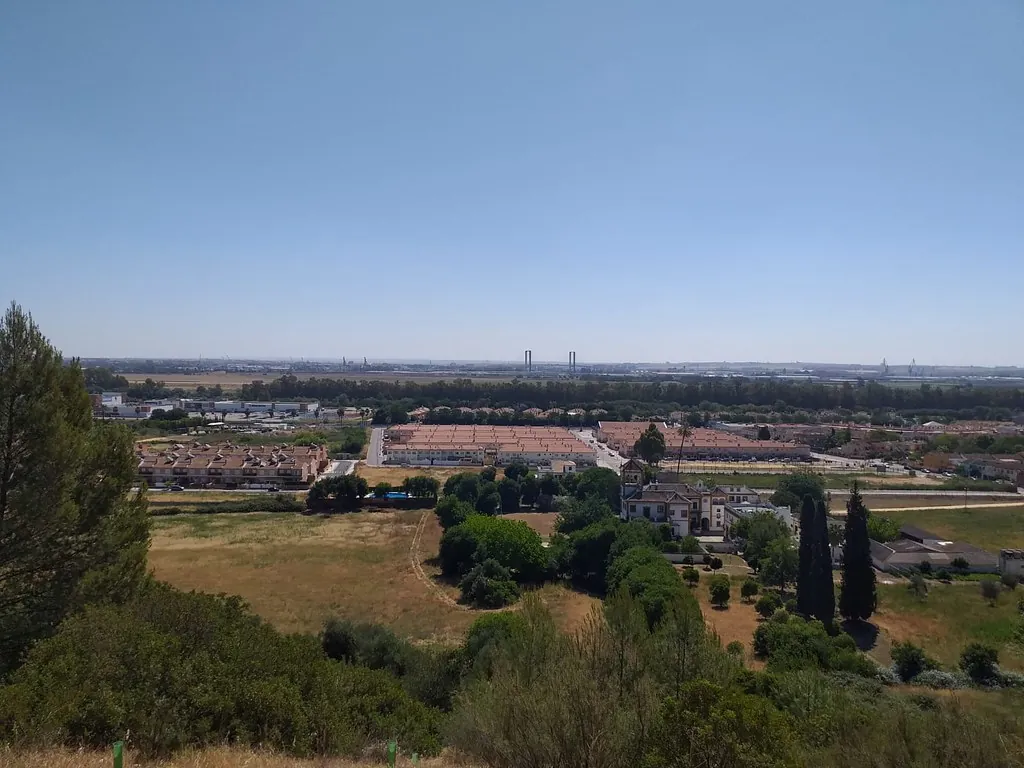
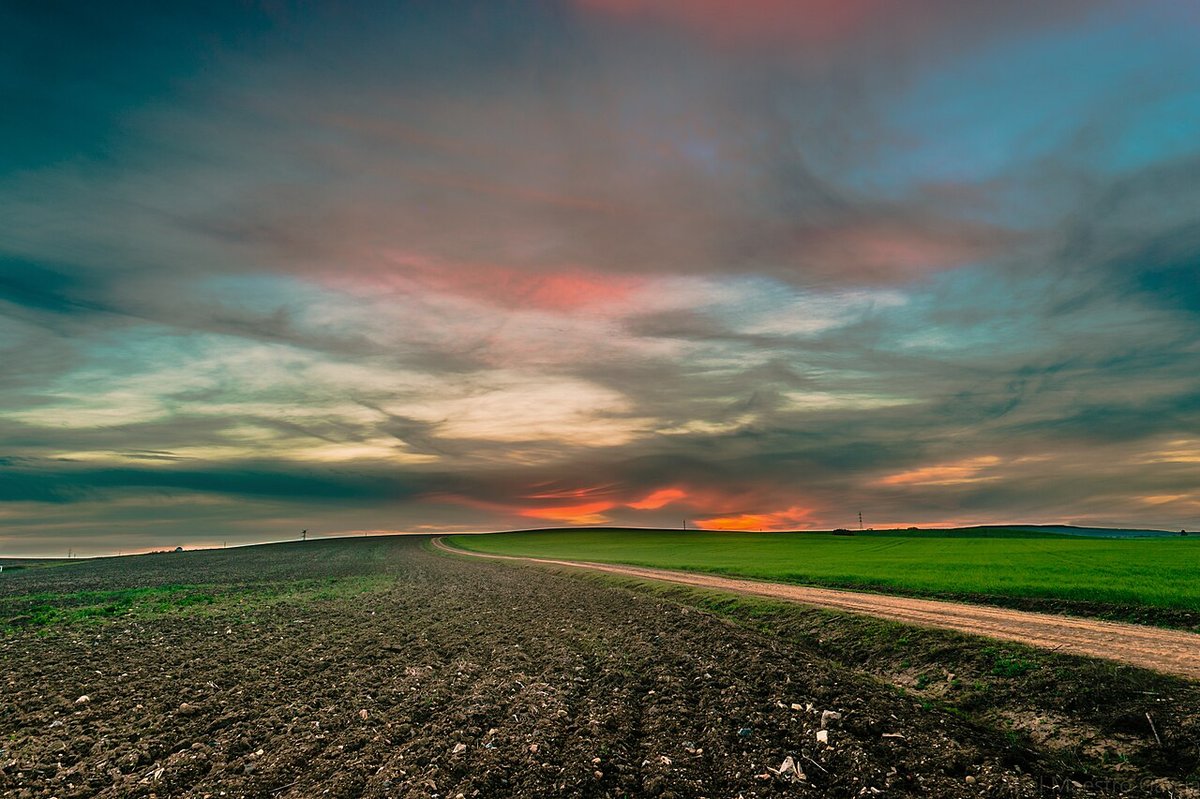
From the higher parts of the town centre, the surrounding geography becomes clear. The Aljarafe appears as a series of gentle hills looking out towards the valley of the Guadalquivir. Its position, not far from Seville, helps explain the long history of settlement in the area. For centuries, the land has been used for olive groves and vineyards, shaping both the economy and the appearance of the landscape.
Echoes of the Baroque in local life
Olivares still turns towards its 17th-century past at certain times of year. In autumn, a historical re-enactment usually takes place, centred on that period. Residents take part with period costumes, craft stalls and scenes inspired by local documents. The figure of the Count-Duke of Olivares naturally occupies a central role, as his name continues to define much of the town’s historical identity.
Holy Week, or Semana Santa, has a more restrained tone here. Some of the brotherhoods involved can trace their history back several centuries and follow routes that are firmly established within the town centre. These processions are closely tied to local life, with a quieter, more contained atmosphere than in larger cities.
Food shaped by the land
The local cuisine reflects the agricultural surroundings of Olivares. Olive oil, bread and seasonal produce have long been the basis of everyday meals. Breakfast often centres on toasted bread with olive oil, a simple combination that remains widely enjoyed.
In baking and confectionery, recipes linked to convents and traditional workshops appear frequently. Honey, nuts and dough prepared by frying or baking are common elements. These sweets are typical not only of Olivares but of the wider Aljarafe area and much of the province of Seville.
Finding your bearings
Olivares lies in the Aljarafe region, a short distance from the city of Seville and connected by road to the route linking Seville and Huelva. The historic centre is easy to explore on foot.
Most visits focus on the area around the colegiata and the former palace. From there, nearby streets reveal traditional Aljarafe houses, offering a sense of the town’s everyday character. Beyond the built-up area, agricultural paths lead into the surrounding countryside, where the connection between the town and its olive-growing landscape becomes clear.