Full Article
about Pilas
Industrial hub of El Aljarafe, known for table olives and its proximity to Doñana.
Hide article Read full article
A Sea of Olive Trees
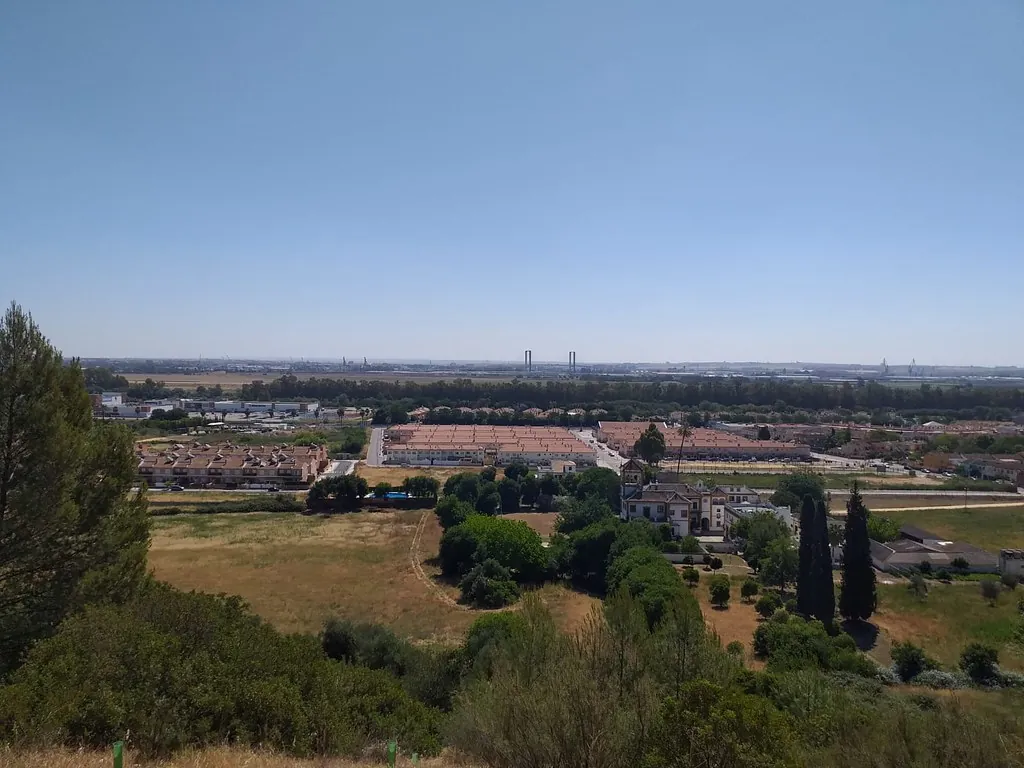
You know that feeling when you leave the city and the air just… changes? That’s the SE-30 ring road around Seville for you. One minute you’re in traffic, the next you’re surrounded by what looks like a giant, dark green carpet. That’s Pilas, right there. Thousands of hectares of table olives, not oil. The town sits in the middle like an island in a sea of silvery leaves.
It’s one of those places where Seville feels both close and very far away. The rhythm here is different. Slower. You can almost feel your shoulders dropping.
A Town That Doesn’t Sell Itself
Roll into Pilas on a Saturday around noon and it feels quiet. Too quiet. Then you remember: this is breakfast time in these parts. Everyone’s in the bars, not running errands. The centrepiece is Plaza Isabel II, which sounds grand but is really more of a big park with a couple of duck ponds.
I saw an older guy there, methodically tearing up bread for the ducks. He wasn’t a tourist attraction; he was just a guy on his weekend routine. That sets the tone.
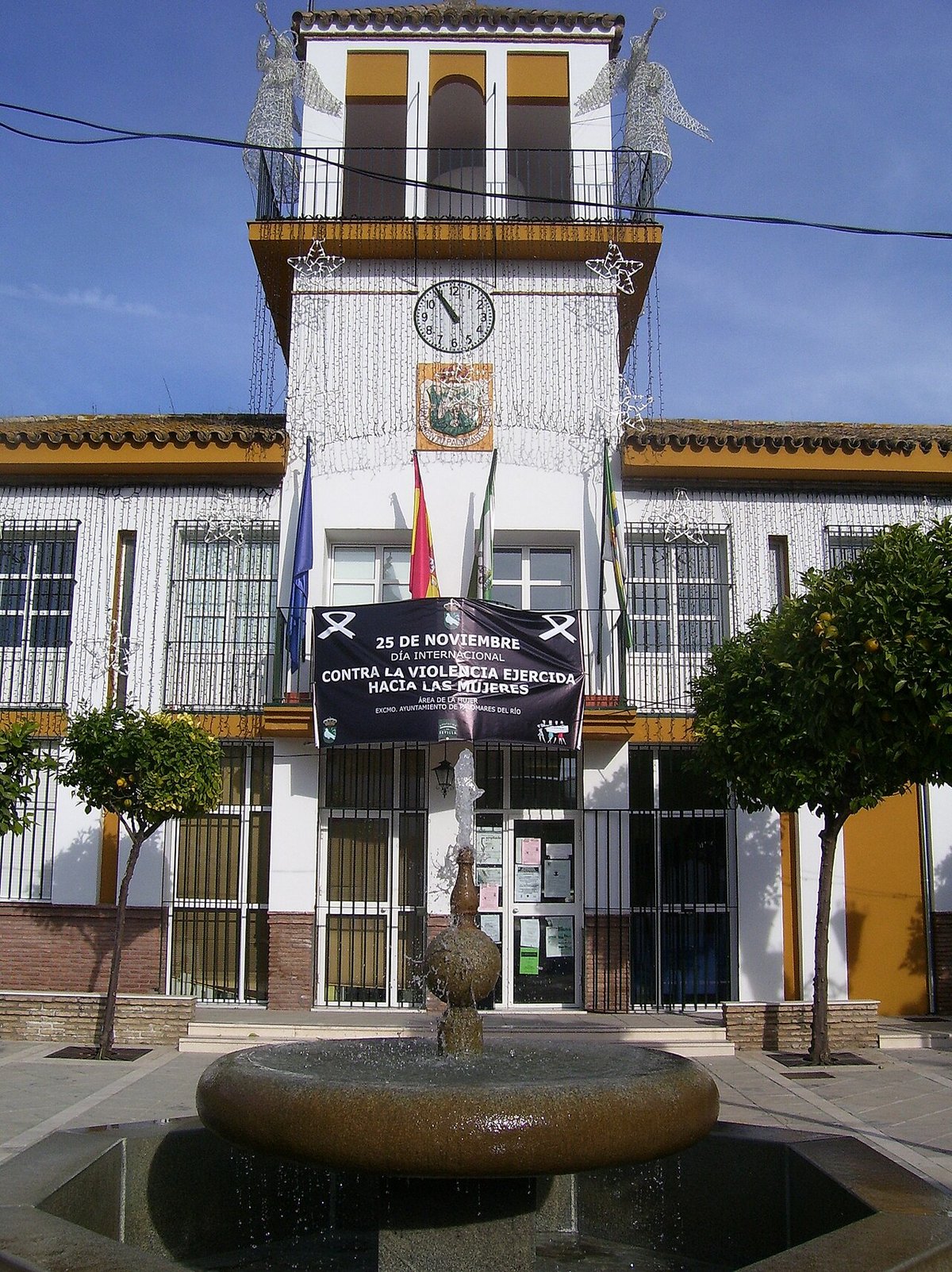
Don’t come looking for a perfect postcard old town. Pilas doesn’t have walls or a castle looming over it. It has quiet streets with low houses, shutters pulled halfway against the sun, and a town hall that looks like someone’s big family home. Nothing shouts for your attention.
Santa María la Blanca
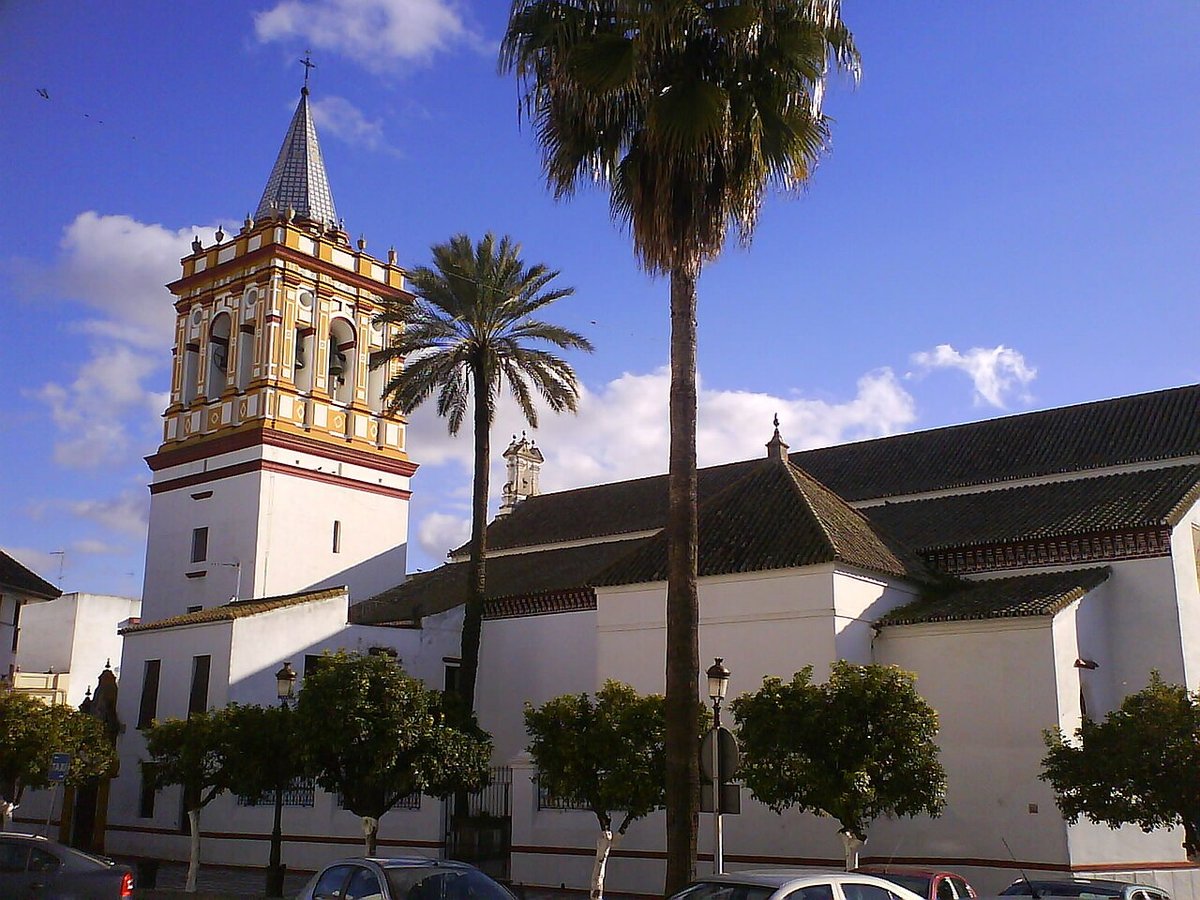
As you walk around, one building does pull your gaze: the Iglesia de Santa María la Blanca. It’s that classic 18th-century Andalusian mix of brick and whitewash that makes centuries blur together.
It sits on a slight rise, so the bell tower actually sticks up above the rooftops. It’s less a monument and more the town’s visual anchor.
Step inside and it smells like wax and quiet. No queues, no audio guides—you might just see someone setting up for mass or sweeping a corner. You don't need to spend an hour here. Five minutes is enough to get it.
Along the Arroyo de Pilas
The best thing about Pilas isn't really in Pilas. It's just outside, along the Corredor Ecológico del Arroyo de Pilas. This path follows the stream for a few kilometres into proper riverside woodland.
Let's be clear: this isn't some epic hiking trail. It's where locals walk their dogs, go for a run, or cut through on their way home from school. I passed a kid hopping across the stream on stones, using it as his daily shortcut. That tells you everything—this is part of someone's life, not a staged experience.
There are wooden bridges over the water and irrigation channels running alongside. In spring, the rosemary and rockrose are thick at the edges. It's simple, green, and completely unspectacular in the best way possible.
The Seminary’s Second Chapter
On your way out of town, you can't miss this huge building with palm trees in front. It was built as a Seminario Menor back in the late 50s but didn't last long as one.
Now? It's been given a second life as an events space for weddings and parties. Walking past its big gardens feels like looking at a plan from another era that just decided to adapt instead of vanish.
Simple Food, Proper Bread
Nobody in Pilas is going to sell you on their "world-famous" local dish. What you get is what people eat: pollo con arroz, maybe some tagarninas (those wild thistles) with eggs if they're in season, or a hearty potaje de acelga in winter.
I had a plate near the park—chicken, rice, chickpeas, some greens—the kind of food that fills you up without any fuss.
But let's talk about the bread for a second. It was proper bread here: crackly crust, soft middle, the kind you keep nibbling at until it's gone before your main dish is even half-finished. Your beer comes in a straight glass without fanfare because why would it? The menus aren't written for visitors; they're written for regulars.
Three Hours or a Lifetime
By late afternoon, with those long olive tree shadows stretching across the road back to Seville, Pilas feels exactly as it did when I arrived.
This isn't somewhere you build an entire weekend around unless you're visiting family or really need to disconnect from city noise (it's barely half an hour away). But if you've been ticking off bigger-name towns nearby and want to see somewhere that isn't trying at all? Pull off here for an afternoon.
Pilas isn't winning any awards for being Andalucía's prettiest or liveliest pueblo blanco. What it has is something harder to find: normality. And sometimes, after too many curated travel experiences, that feels like exactly what you need