Full Article
about Salteras
Known for its brass bands and grilled-meat cuisine in the Aljarafe.
Hide article Read full article
Where the light slows the day
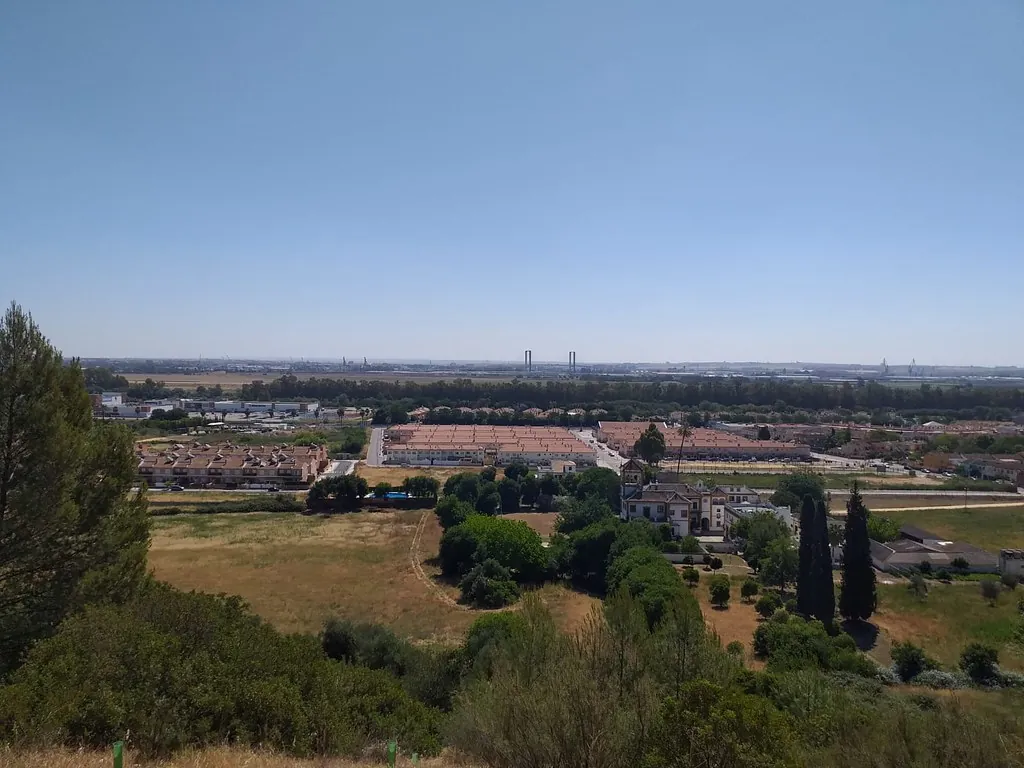
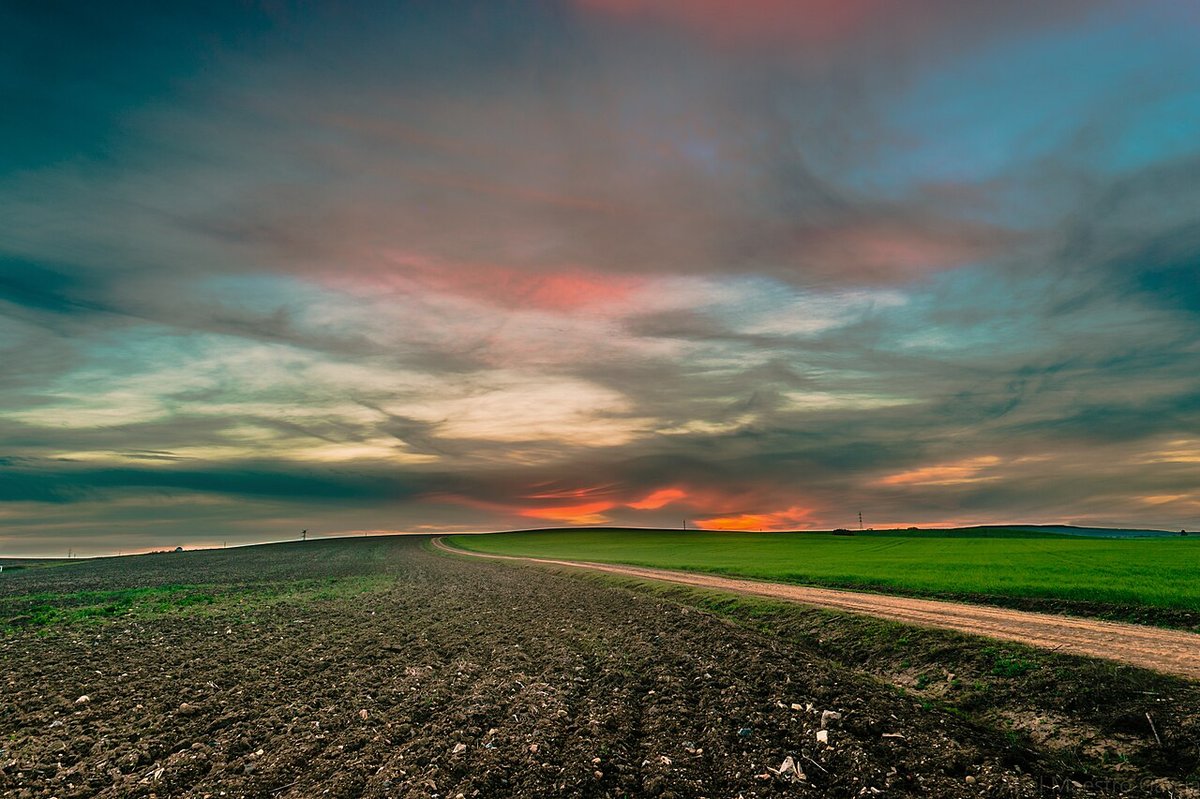
At around five in the afternoon, when the sun begins to dip over the Aljarafe, Salteras shifts gear. Olive tree shadows stretch along the roadside, and the air sometimes carries a mix of orange blossom and freshly baked bread. From the area known as the Cárcava del Chorrito, the Guadalquivir valley opens out wide, its farmland marked by circles and rectangles that change colour with the seasons.
It is a time of pause. The morning has already passed, but the evening has not quite begun. Streets feel quieter, as if the village is taking a breath before the rest of the day unfolds.
A church shaped over time
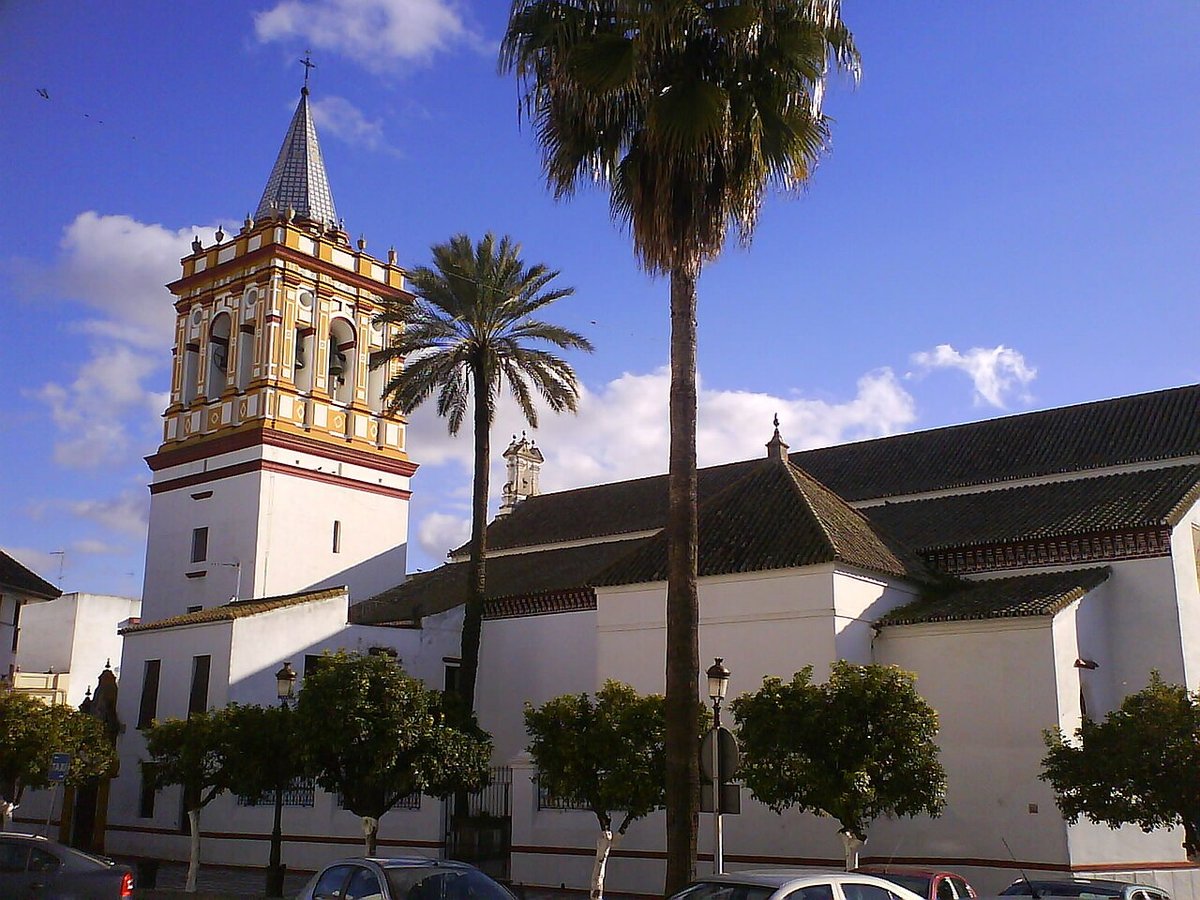
The tower of Santa María de la Oliva is visible from almost anywhere in the centre. Its upper tiles catch the light when the sun is low, making it a useful point of reference when moving through the streets.
The building seen today stands on earlier constructions and, like many churches in the Aljarafe region near Seville, it has been altered over the centuries. The Lisbon earthquake of 1755 is often mentioned as a moment when the church required major repairs. Inside, there are elements from different periods, with altarpieces, paintings and various pieces added or restored over time.
The floor also holds traces of earlier stages. Some stones have been reused and show worn inscriptions, softened by generations of footsteps. Their exact origin is not always clear, but they hint at a much longer history of occupation than the current structure alone suggests.
Clay, pottery and workshop memory
Salteras still recalls its connection to ceramics and earthenware linked to the wider Seville area. A small municipal exhibition space displays pieces tied to that tradition: plates, jugs, large bowls and tiles that reveal the uneven thickness typical of handmade work.
It is not a large or particularly modern venue. At times, old videos are shown featuring workers at the wheel or applying glaze with a brush. The footage has the muted tones of decades past. Low stools, stained aprons and quick-moving hands over wet clay give a sense of the pace and repetition involved.
Opening times can be limited, and they do not always align with weekends, so it is worth checking in advance before planning a visit.
When the bands rehearse
For a village of just over five thousand residents, the presence of two highly active music bands can feel unexpected. In Salteras, though, it is a normal part of life. During rehearsals, usually on weekday afternoons, the sound of brass and percussion spills out through the windows of the spaces where they practise.
What reaches the street comes in fragments. A pasodoble that stops halfway through, a drum roll repeated several times, trumpets warming up before the full piece begins. It is not a performance but a process. Musicians of different ages sit in rows, going over passages again and again until everything fits.
Later, these same bands take part in processions, local celebrations and performances beyond Andalucía. In Salteras itself, they blend into the everyday background, much like church bells or the steady traffic along the road that crosses the village.
What tends to appear on the table
There is no single dish that belongs only to Salteras, but many homes and bars in the Aljarafe share recipes passed down through generations. One of the most common is spinach with chickpeas. It carries the scent of cumin, with bread used to thicken the sauce and a touch of fresh mint.
Another familiar presence is wine flavoured with bitter orange peel, served in small glasses. It is less about formality and more about accompanying an unhurried conversation.
When the orange trees are in bloom, petals fall onto terrace tables without drawing much attention. It happens so often that it barely prompts comment.
Getting a sense of the place
Spring is usually the most comfortable time to walk around the surroundings of Salteras. The countryside of the Aljarafe turns green, and the scent of orange blossom appears in many corners of the village. Summer brings stronger heat, although a breeze often picks up later in the day.
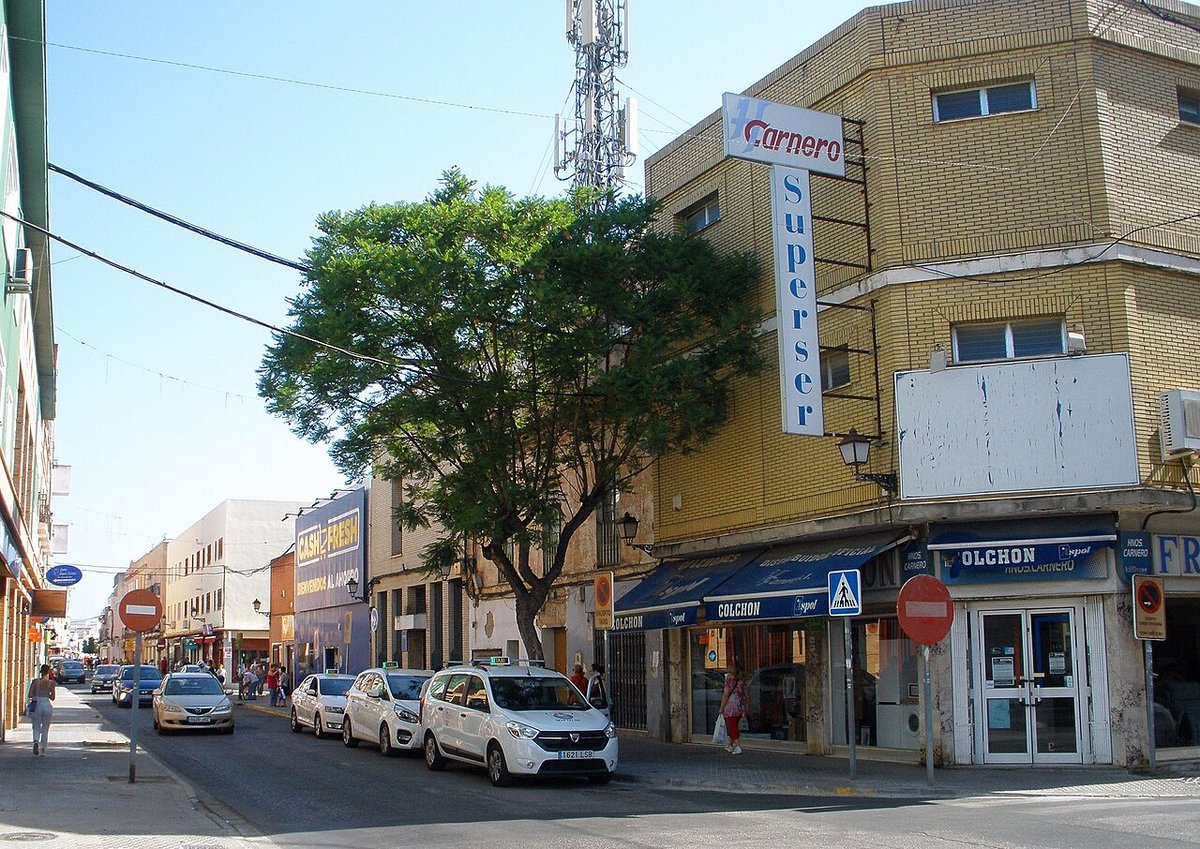
For those arriving by car at the weekend, it tends to be easier to leave it near sports areas or on streets a little further from the centre. The roads in the older part of the village are narrow, and finding a space can take longer than expected.
If heading to the Cárcava del Chorrito, midday is best avoided. There is very little shade, and the stone reflects the heat. Earlier in the morning or towards evening, the light changes the scene completely. The valley fills with long shadows, and the towns on the far side of the Guadalquivir become visible in the distance, almost suspended above the plain.