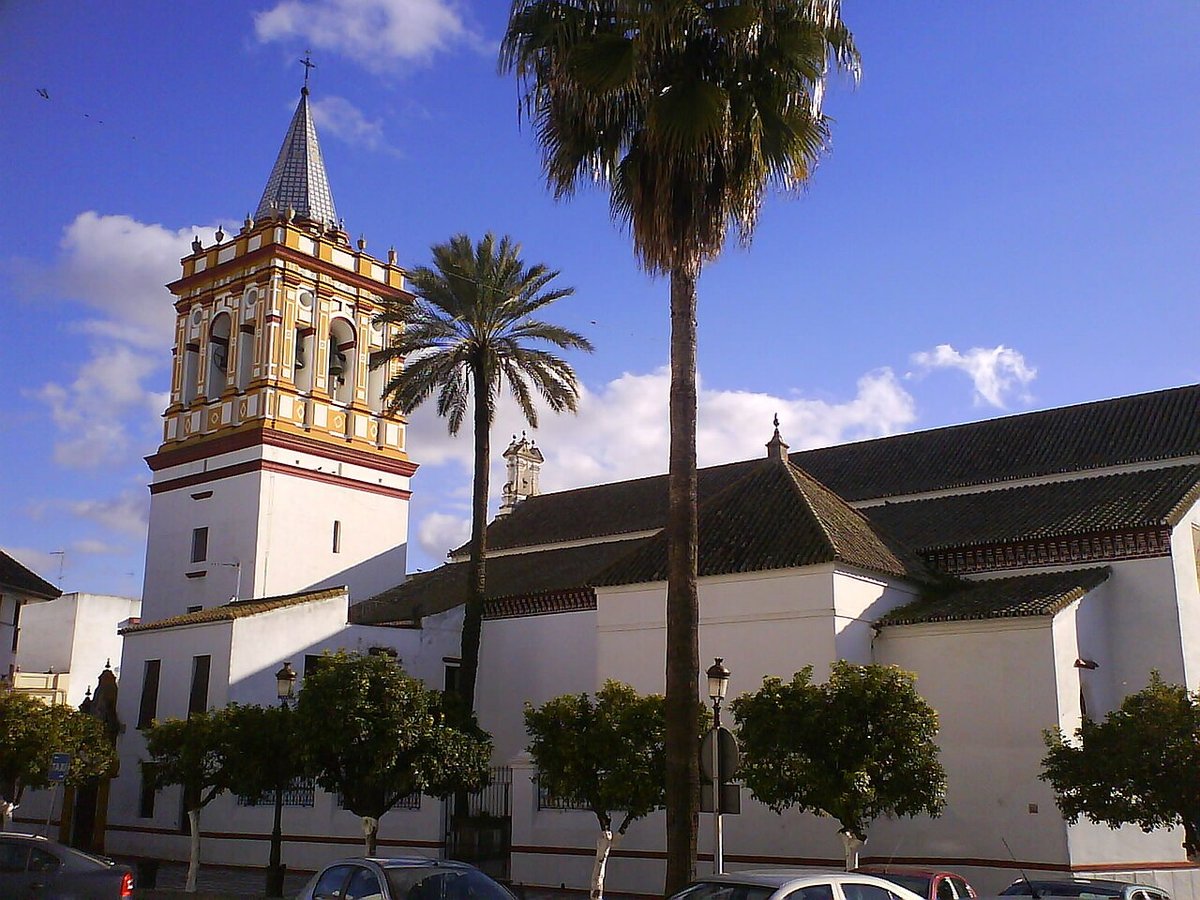
SANLUCAR LA MAYOR Iglesa Santa María 22-01-07.JPG
Andalucía · Passion & Soul

Sanlúcar la Mayor

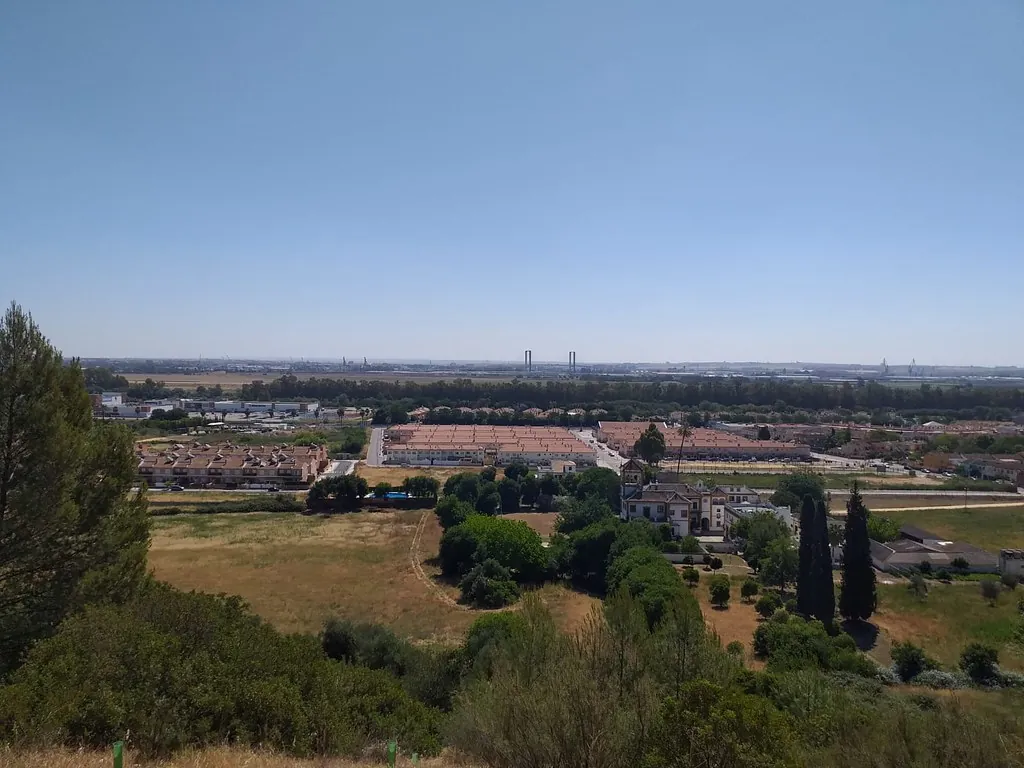
Stand on the edge of Sanlúcar la Mayor at dusk and the view explains the town’s real appeal long before any monument does. Below, the A-49 slips we...

14,648 inhabitants · INE 2025
148m Altitude

Why Visit

Church of Santa María Mudejar Route

Best Time to Visit

spring

May Fair (May) mayo

Things to See & Do
in Sanlúcar la Mayor

Heritage

  • Church of Santa María
  • Almohad walls
  • Solucar plant (views)

Activities

  • Mudejar Route
  • Guadiamar Green Corridor

Festivals
& & Traditions

Fecha mayo

Feria de Mayo (mayo), San Eustaquio (septiembre)

Las fiestas locales son el momento perfecto para vivir la autenticidad de Sanlúcar la Mayor.

Full Article
about Sanlúcar la Mayor

Head of the Aljarafe district, with Almohad walls and Mudéjar churches, and the Solucar solar plant.

Ocultar artículo Leer artículo completo

A balcony over the olive groves

Stand on the edge of Sanlúcar la Mayor at dusk and the view explains the town’s real appeal long before any monument does. Below, the A-49 slips westwards towards Huelva; beyond it, the Aljarafe plateau rolls out in scruffy olive squares that glow bronze under the low sun. Seville’s cathedral tower is a faint needle on the horizon, 23 kilometres east. Up here, 148 metres above sea level, the air is already two degrees cooler than in the capital, a fact the hotel receptionist will recite like a weather forecast every time she hands over a key card.

The town’s 14,000 inhabitants include a sizeable commuter colony who leave early, return late and treat the place as a quiet car park with a pool. That makes weekday mornings oddly hushed: shutters half-down, only the chemist and the pastry shop doing steady trade. By eleven the retired locals reclaim the benches in Plaza de la Constitución, and the village rhythm reasserts itself.

What passes for a centre

The historic core is five minutes from end to end. Calle Ancha, barely the width of a Range Rover, opens into the plaza where the Iglesia de San Eustaquio lifts its brick-baked tower. The church is a mash-up: Mudéjar brickwork at the base, Baroque add-ons higher up, a nineteenth-century clock that loses four minutes a week. Step inside and the temperature drops ten degrees; the stone floor is worn into shallow bowls by centuries of kneeling. No audio-guides, no gift shop, just a printed A4 sheet taped to a lectern asking visitors not to use flash.

Round the corner, the Palacio de los Duques de Montpensier keeps its gates firmly shut—private flats now, though the coat of arms still hangs above the door like a forgotten name tag. Walk the perimeter and you’ll spot the original carriage entrance, wide enough for a pair of horses but currently blocked by a resident’s Fiat 500. The palace gardens, glimpsed through iron railings, are mostly grass and dusty palms; nothing Versailles-like, yet the señorial façade is enough to remind you that this village once had skin in the aristocratic game.

Orange-blossom afternoons

Come late April the air changes. Irrigation channels from the Guadiamar river swell, and the 800 hectares of orange trees that ring the town release their perfume. It is not delicate: more like someone has emptied a bottle of neroli over the plateau. British drivers arriving from Faro airport—still 75 minutes away on the toll road—often wind down the windows and assume the scent is pumped from an air-freshener. By June the blossom has set into green fruit the size of ping-pong balls; by December the roadside stalls sell 5-kilo sacks for €3, cash only.

If you need exercise, the olive tracks south of town provide flat, shade-less circuits. Signage is erratic: a painted stone here, a ribbon round a trunk there. Locals follow the old railway line that once carried copper from the Riotinto mines to the river port; now it’s a dusty footpath where you’ll meet dog-walkers and the occasional cyclist in hi-vis. Allow an hour for the loop to the ruined station platform, another twenty minutes back to the municipal pool—open June to September, €2.50 entry, closed precisely at 21:00.

Eating, or at least refuelling

Hotel Leflet dominates the eastern approach road for the simple reason that nothing else exceeds three storeys. Its 24-hour reception is a lifeline for late Ryanair arrivals; the minibar contains two small bottles of Cruzcampo and a KitKat. Breakfast runs from 07:00 till 10:30: toast rubbed with tomato, a glass of sharp orange juice, coffee from a push-button machine. Ask nicely and the waitress will bring a saucer of local olive oil—fruity, peppery, nothing like the supermarket stuff back home.

Evening options are limited. Tu Punto Gallego, halfway down Calle Real, flies in seafood from the Atlantic: grilled prawns at €12 a portion, plain chicken breast for children who won’t touch gambas.Closer to the plaza, Bar La Unión does a decent pork solomillo with chips (€9) and will swap the obligatory white-bread roll for “pan de pueblo” if you ask before 21:30—after that the baker has gone home. Sunday supper is a dead zone; even the Chinese takeaway on Avenida de Andalucía closes at 21:00. Stock up at the SuperSol before 14:00 or you’ll be eating crisps for dinner.

Fiestas that don’t need a programme

San Eustaquio, the martyr saint who supposedly arrived with the Reconquista, is celebrated in the first week of September. The town hall erects a concrete fairground on the polígono industrial; the bumper cars thud until 04:00. During the day the plaza fills with plastic tables and paper napkins: grilled sardines, plastic cups of fino, children chasing balloons. Visitors are welcome but not announced—there is no tourist office, just a laminated poster taped to the church door.

May brings the Cruces de Mayo, when neighbours cover courtyard walls with carnations and compete for a crate of beer. The event is so low-key you could walk through town and mistake the flowers for early wedding décor. Holy Week is busier: three processions, one band, zero seats sold. Arrive an hour early, stand anywhere you like, leave when the incense runs out.

The practical bit without the bullet points

Most Brits arrive by hire car; the A-49 is a straight shot from Faro or Seville airport. Tolls total €7.45 from Portugal, exact change only. Without wheels you’re dependent on the M-170 bus—six a day to Seville, last return at 21:15, €2.10 each way. A taxi back after midnight costs €30 and must be booked; Uber barely exists this far west.

August is the cruel month: 40 °C by 14:00, hotel pool the only breathable space. May and late-September give you daylight without the furnace, though the church can feel chilly if the Levante wind sneaks across the plateau. Winter is mild—14 °C at midday—but the streets empty once the sun dips behind the palace wall.

Check-out is normally 12:00, but Leflet will store bags if you want one last walk. From the mirador beside the cemetery you can see the Sierra Norte turning blue in the distance, and the morning traffic crawling towards Seville like a line of ants. Then it’s back to the airport, past the orange groves, with the scent still clinging to the air-conditioning—an unadvertised souvenir that lingers longer than any fridge magnet.

Key Facts

Region
Andalucía
District
Aljarafe
INE Code
41087
Coast
No
Mountain
No
Season
spring

Livability & Services

Key data for living or remote work

2024
ConnectivityFiber + 5G
TransportTrain nearby
HealthcareHospital 11 km away
EducationHigh school & elementary
Housing~6€/m² rent · Affordable
CoastBeach 18 km away
Sources: INE, CNMC, Ministry of Health, AEMET

Official Data

Institutional records and open data (when available).

  • Hacienda de Benazuza u Hotel Hacienda de Benazuza
    bic Monumento ~0.4 km

Planning Your Visit?

Discover more villages in the Aljarafe.

View full region →

More villages in Aljarafe

Traveler Reviews