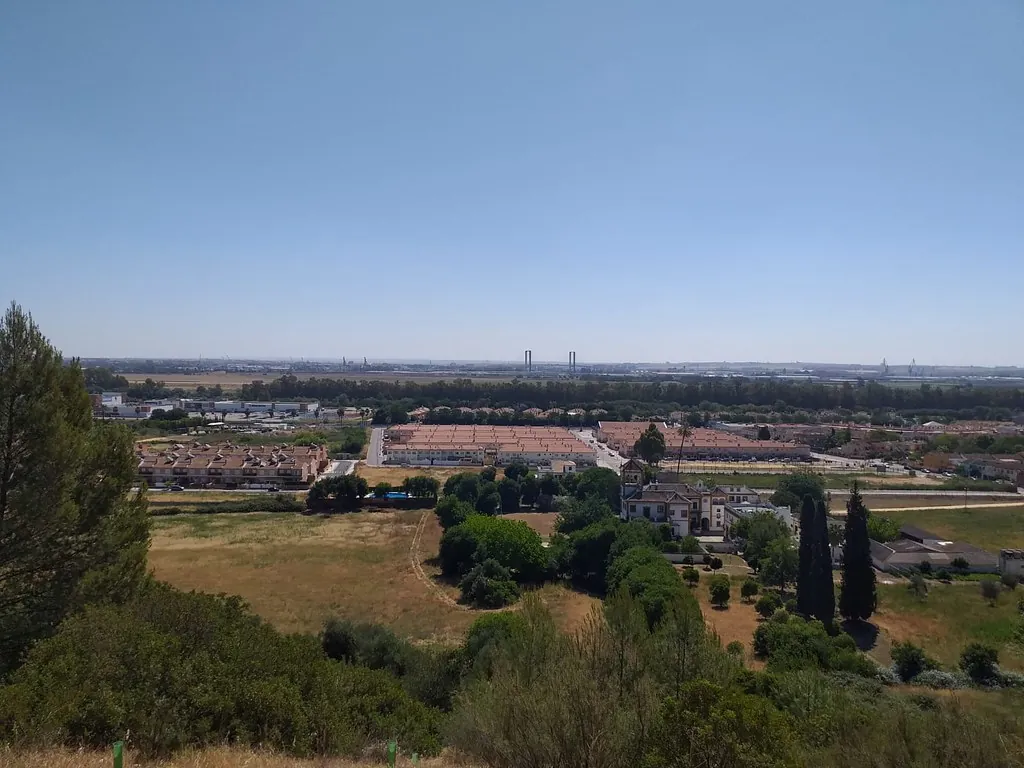
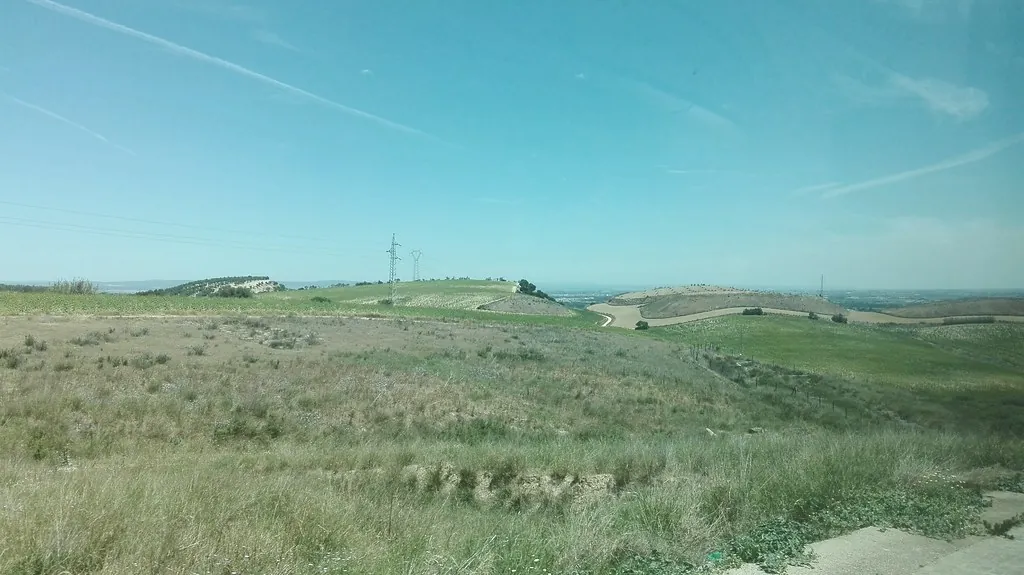
Vista aérea de Valencina de la Concepción
Instituto Geográfico Nacional · CC-BY 4.0 scne.es
Andalucía · Passion & Soul

Valencina de la Concepción

The burial chambers beneath Valencina de la Concepción predate Stonehenge by a millennium, yet most visitors drive straight past the turning on the...

8,050 inhabitants · INE 2025
153m Altitude

Why Visit

Dolmen de la Pastora Visit the Dolmens

Best Time to Visit

spring

Valencina Fair (September) Junio y Octubre

Things to See & Do
in Valencina de la Concepción

Heritage

  • Dolmen de la Pastora
  • Dolmen de Matarrubilla
  • Archaeological Museum

Activities

  • Visit the Dolmens
  • Archaeological hiking

Full Article
about Valencina de la Concepción

Known for its major prehistoric site with visitable dolmens of great value.

Ocultar artículo Leer artículo completo

The burial chambers beneath Valencina de la Concepción predate Stonehenge by a millennium, yet most visitors drive straight past the turning on the A-49. Seven kilometres west of Seville, this commuter village of 8,000 hides one of Europe's most significant prehistoric sites behind a petrol station and a row of 1970s apartment blocks.

At 153 metres above sea level, Valencina sits on the Aljarafe plateau, where olive groves roll towards the Guadalquivir valley. The altitude makes it fractionally cooler than Seville's furnace—welcome from April onwards—though summer still hits 38°C. Winter mornings bring mist that lingers until coffee time, and January nights drop to 4°C. Spring arrives earlier than Britain; almond blossom appears in February, making March the sweet spot for walking between dolmens without wilting.

Collecting the Key to 4,500 Years Ago

The dolmens aren't visible from the road. First, find the municipal museum on Plaza de España—a single room above the town hall. Bring your passport; they'll keep it as deposit while you borrow the heavy iron key to La Pastora. Opening hours defy British logic: closed Monday and Tuesday, plus siesta from 14:00 to 17:30. Arrive at 15:59 on Saturday and you'll join the queue of frustrated travellers who didn't check ahead.

The track to La Pastora dolmen is marked by a hand-painted sign that flaps in the wind. Park on the verge—free, no ticket machines—and walk 200 metres through scrubland. The chamber appears as a low stone doorway in a hillside; inside, corbelled walls rise to a roof stone the size of a family car. No ropes, no glass, just you and 4,500 years of Andalusian prehistory. The silence feels thick. Bring a torch; the interior passages run back twelve metres, and the interpretation boards inside are Spanish-only. Download the Junta de Andalucía's PDF guide before leaving Britain—phone signal is patchy at best.

Matarrubilla, the second dolmen, lies fifteen minutes' drive along a farm track. It's larger but less intact; vandals lit fires inside during the 1990s, leaving smoke stains on the ceiling stones. Both sites are unlocked only by the same single key, so plan a loop rather than backtracking. School coaches arrive around 11:30; if you hear chatter in the distance, finish your photographs quickly—the small chambers fill with thirty teenagers wielding selfie sticks.

What the Village Actually Looks Like

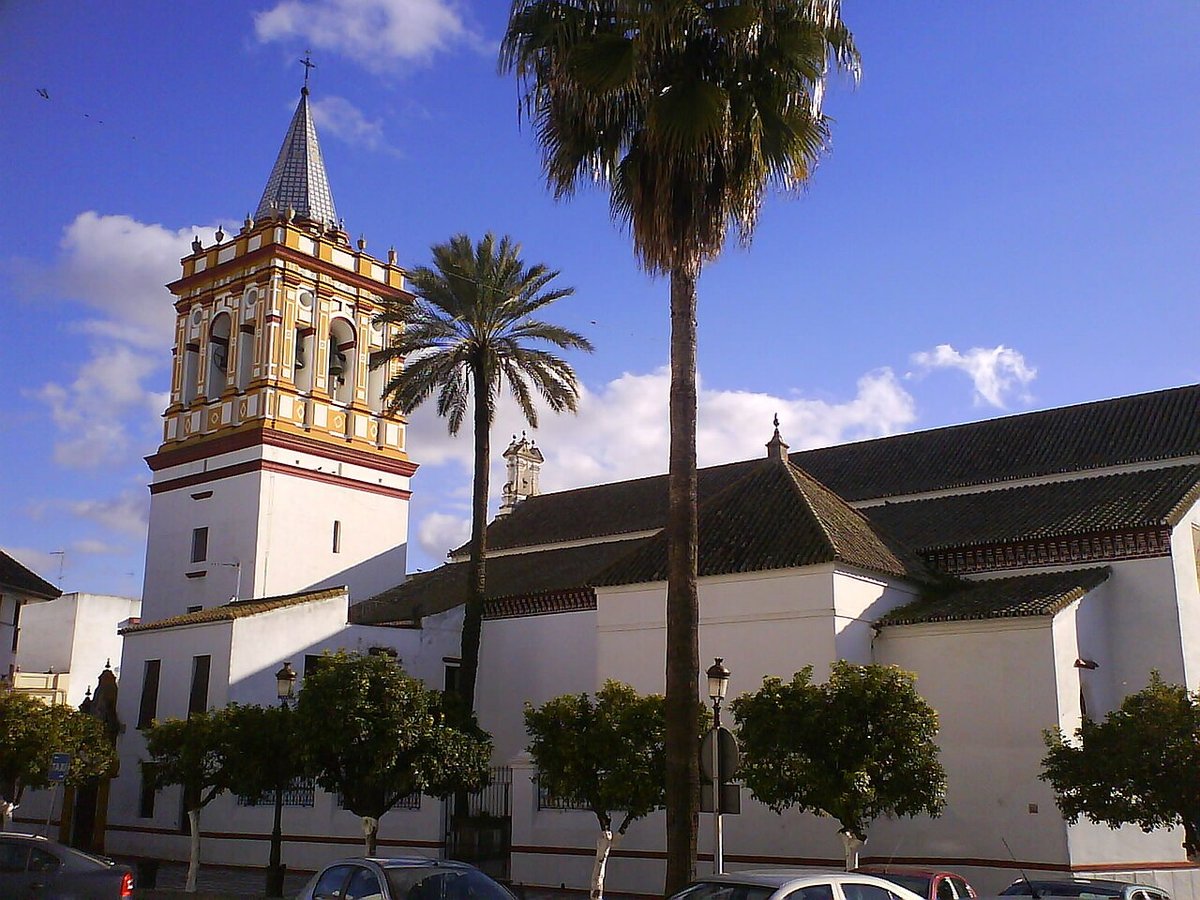
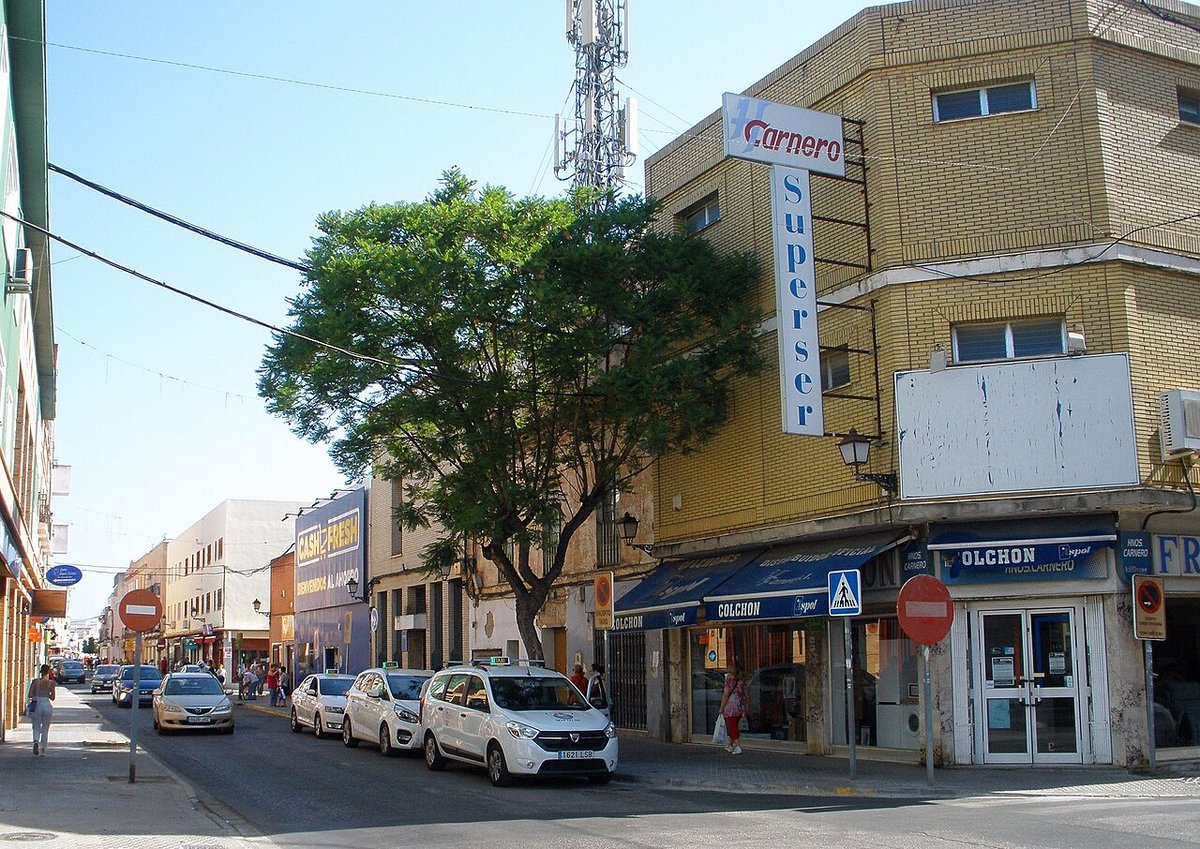
Expectations need recalibrating. Valencina's historic core consists of two streets and a sixteenth-century church tower. The rest is modern housing for Seville's overflow, plus a Lidl on the ring road. The plaza holds a few café tables under plane trees; elderly men play cards while mothers push buggies to the bread shop at 19:00 for the evening baguette run. It's pleasant, ordinary, lived-in—not a film set.

The church of the Immaculate Conception closes at lunch unless Mass is underway. Peek through the wrought-iron gates to see a single-nave interior painted dusty pink. Bell ringing practice happens Thursday evenings; the sound carries across the olive groves for miles, competing with the evening chorus of swifts that nest under the eaves.

Where to Eat Without Tourist Menu Fatigue

Mesón Navarro, fifty metres from the museum, serves grilled solomillo (pork fillet) that British visitors describe as "properly cooked, not swimming in oil". They'll happily split a portion if you're lunching lightly. House wine comes in 375 ml carafes—enough for two without afternoon drowsiness on the drive back.

Venta El Tropezón on the A-8008 offers a three-course menú del día for €12. Chicken in almond sauce tastes like a mild korma, useful if children insist on familiar flavours. Coffee is included; ask for it after pudding or they'll bring everything at once in Spanish fashion.

For picnic supplies, Abacería La Morada stocks local olives and almond-stuffed manchego. The owner speaks no English but will let you taste before buying—point and smile works fine. A 250 ml tin of extra-virgin oil from the Aljarafe cooperative costs €4; it fits in hand luggage if you're flying Ryanair and have space left after the duty-free gin.

Walking Between Olive Trees and Power Lines

The advertised "Ruta de los Dólmenes" is more concept than waymarked trail. Footpaths exist, but they cross agricultural land; farmers work on Sundays and don't expect hikers. OSMand or similar offline maps are essential—signage vanishes after the first kilometre. Spring brings poppies and wild asparagus along the verges; September smells of crushed grapes from small plots that still supply local wine co-ops.

A practical circuit: park at La Pastora, walk cross-country to Matarrubilla (2.5 km), then follow the farm lane back to the village for coffee. The gradient is gentle, but there's no shade—carry water even in April. Mid-summer walks are inadvisable; temperatures hit 40°C by 11 a.m., and the track offers no escape from the sun.

Timing Your Visit Around Spanish Hours

August feria fills the village with casetas and fairground rides—fun if you enjoy crowds, impossible if you want quiet contemplation of Neolithic tombs. December's fiesta patrona means processions and fireworks; accommodation within ten kilometres books up with returning relatives. Semana Santa brings solemn parades; roads close randomly, and the museum key system shuts down entirely on Holy Thursday.

Spring weekends remain civilised. Arrive Saturday morning, collect the key, see both dolmens before lunch, eat at Navarro, then drive on to the Roman ruins at Italica fifteen minutes away. Sunday adds the weekly market in Plaza de España—fruit, cheap underwear, and a single stall selling replica arrowheads that children love.

Getting There Without a Car

Bus M-151 leaves Seville's Plaza de Armas at 09:15 and 11:15, returning at 13:45 and 18:30. Journey time is twenty-five minutes; single fare €1.55. The bus drops you on the main road; the museum is a five-minute walk, but remember it closes at 14:00. A taxi from Seville costs €18–22 each way—worth considering if you're a group of three or more sharing.

Cycling is feasible for the energetic; the Camino de los Descubrimientos bike lane starts by the river in Seville and reaches Valencina in 40 minutes. Hire bikes at the Santa Justa train station; €15 per day includes helmet and lock. The route is flat until the final kilometre, when the road climbs 50 metres—enough to notice after Andalusian breakfast tostadas.

Honest Verdict

Valencina delivers precisely what it promises: two remarkable prehistoric tombs and a slice of ordinary Spanish village life. Stay longer than half a day and you'll run out of official sights, but the surrounding Aljarafe countryside rewards slow walkers and bird-watchers. Come for the dolmens, stay for lunch, leave before siesta—or linger and watch the light turn the olive groves silver while swallows dive overhead. Either way, you'll understand why locals never feel the need to boast about their backyard antiquities; they simply hand you the key and let the stones speak for themselves.

Key Facts

Region
Andalucía
District
Aljarafe
INE Code
41096
Coast
No
Mountain
No
Season
spring

Livability & Services

Key data for living or remote work

2024
ConnectivityFiber + 5G
TransportTrain station
HealthcareHospital
EducationHigh school & elementary
Housing~6€/m² rent · Affordable
CoastBeach nearby
Sources: INE, CNMC, Ministry of Health, AEMET

Official Data

Institutional records and open data (when available).

  • Hacienda Torrijos
    bic Monumento ~0.9 km

Planning Your Visit?

Discover more villages in the Aljarafe.

View full region →

More villages in Aljarafe

Traveler Reviews