Full Article
about Alboloduy
Located in the lower Alpujarra beside the Río Nacimiento; noted for its wines and semi-desert landscape.
Hide article Read full article
Alboloduy, or the Art of the Detour
You know that feeling when you’re driving through the Alpujarra Almeriense, ticking off villages, and you pull into one thinking it’ll be a five-minute photo stop? Alboloduy is the place that messes up that plan. You get out, wander past a first corner, and suddenly you’re following a street just to see where it goes. It doesn’t shout for your attention. It just quietly derails your schedule.
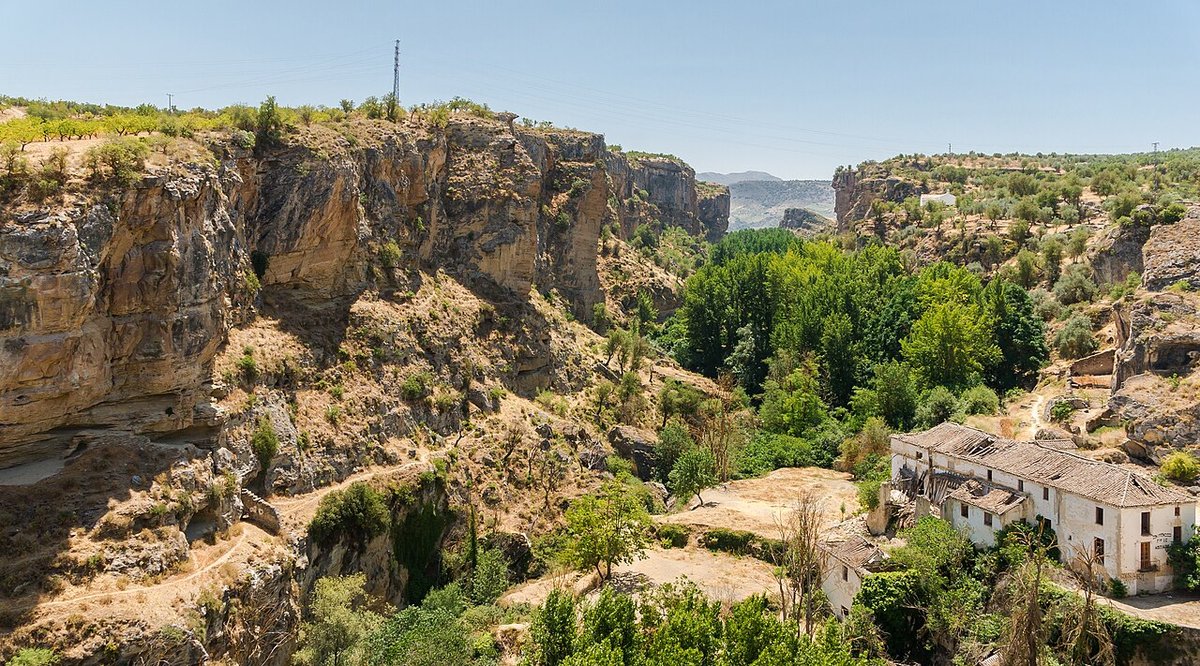
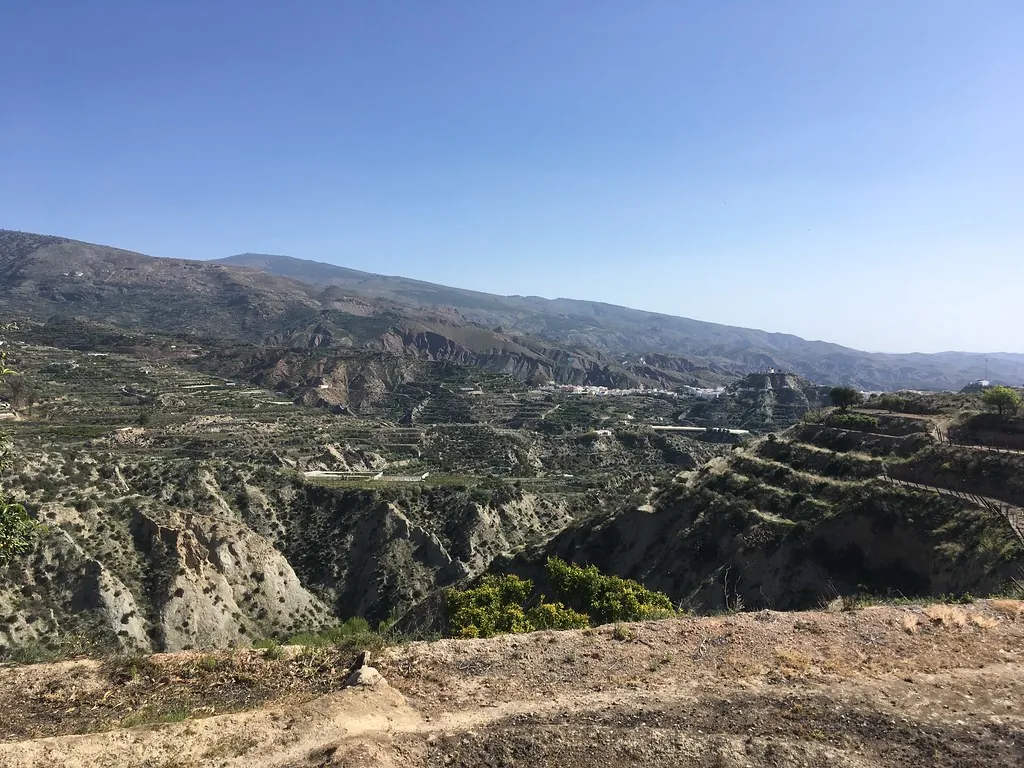
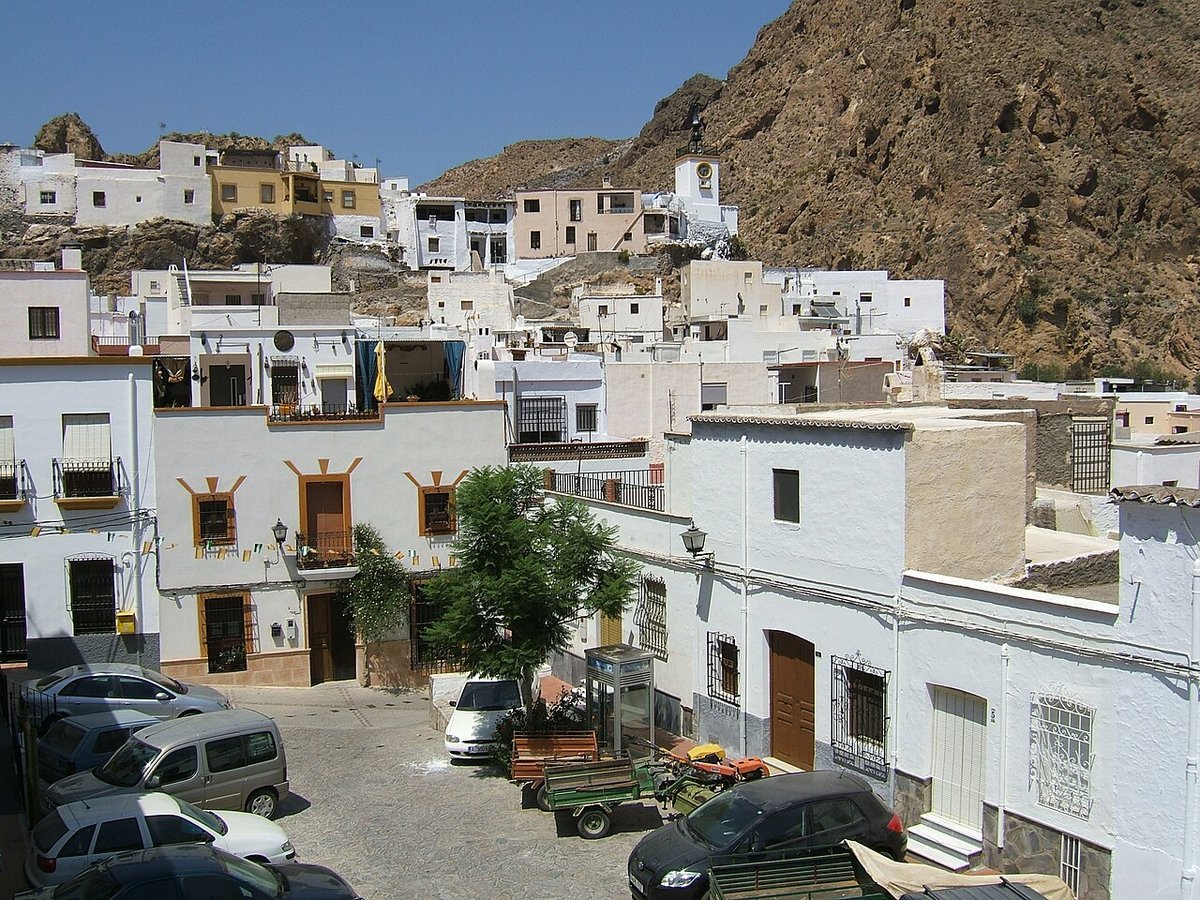
Perched at about 377 metres on a hillside above the Andarax valley, the village feels assembled piece by piece. White houses stack up the slope like uneven steps. Down below, the valley is a patchwork of olive groves and almond trees, the kind of view you get used to here, until you actually stop and look at it. The north is framed by the sierras, which in winter can get a dusting of snow that looks almost painted on.
This isn’t decorative landscaping. It’s working land. Every terrace, every narrow track between bancales, every solitary cortijo on a distant hill tells you exactly what people have been doing here for generations: getting a living from a dry slope.
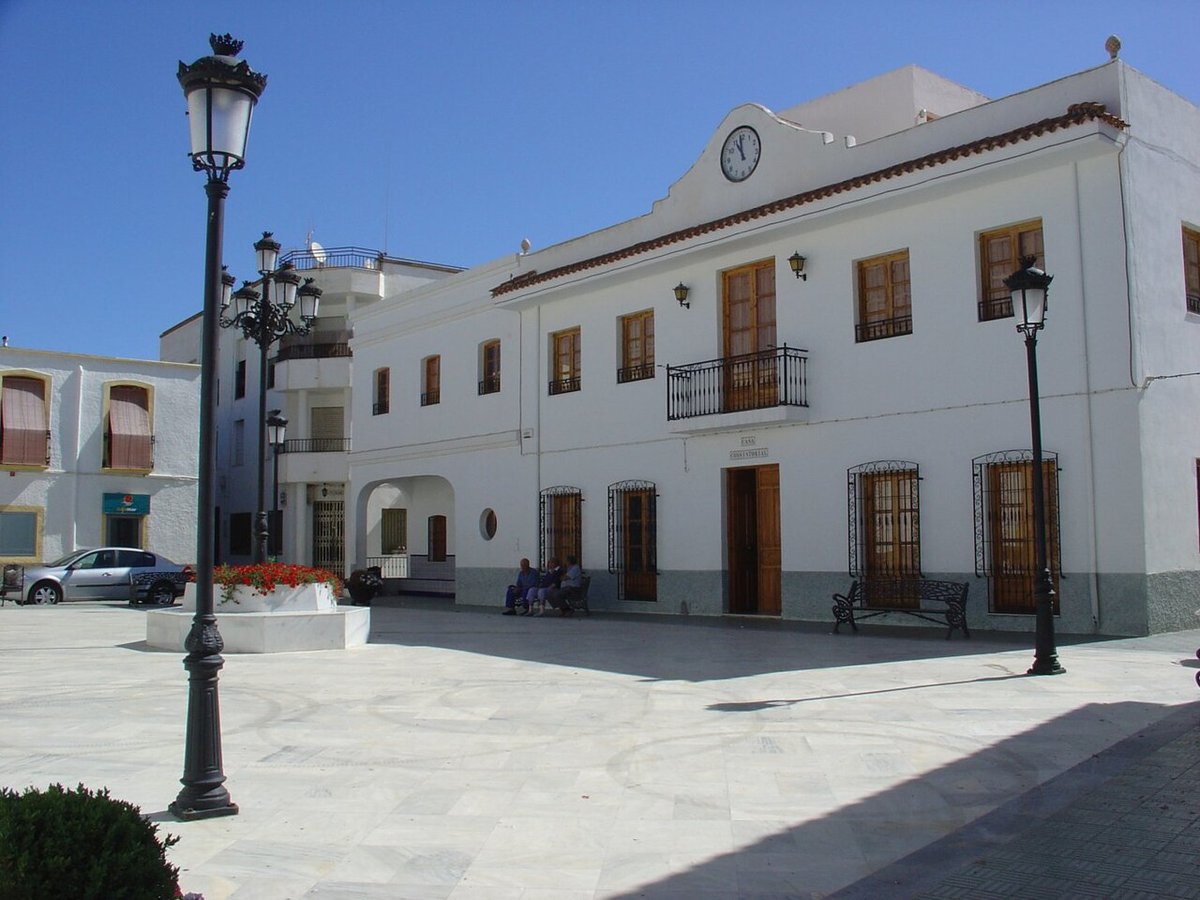
The village centre has no grand plaza or cathedral. What it has are clues. A weathered wooden door with iron studs. A courtyard hiding giant clay tinajas, the kind your grandparents might have used for oil. Streets that twist unexpectedly because the hill said so. It’s functional architecture, built for shade, for uneven ground, and for coming home from the fields.
A Church That Blends In
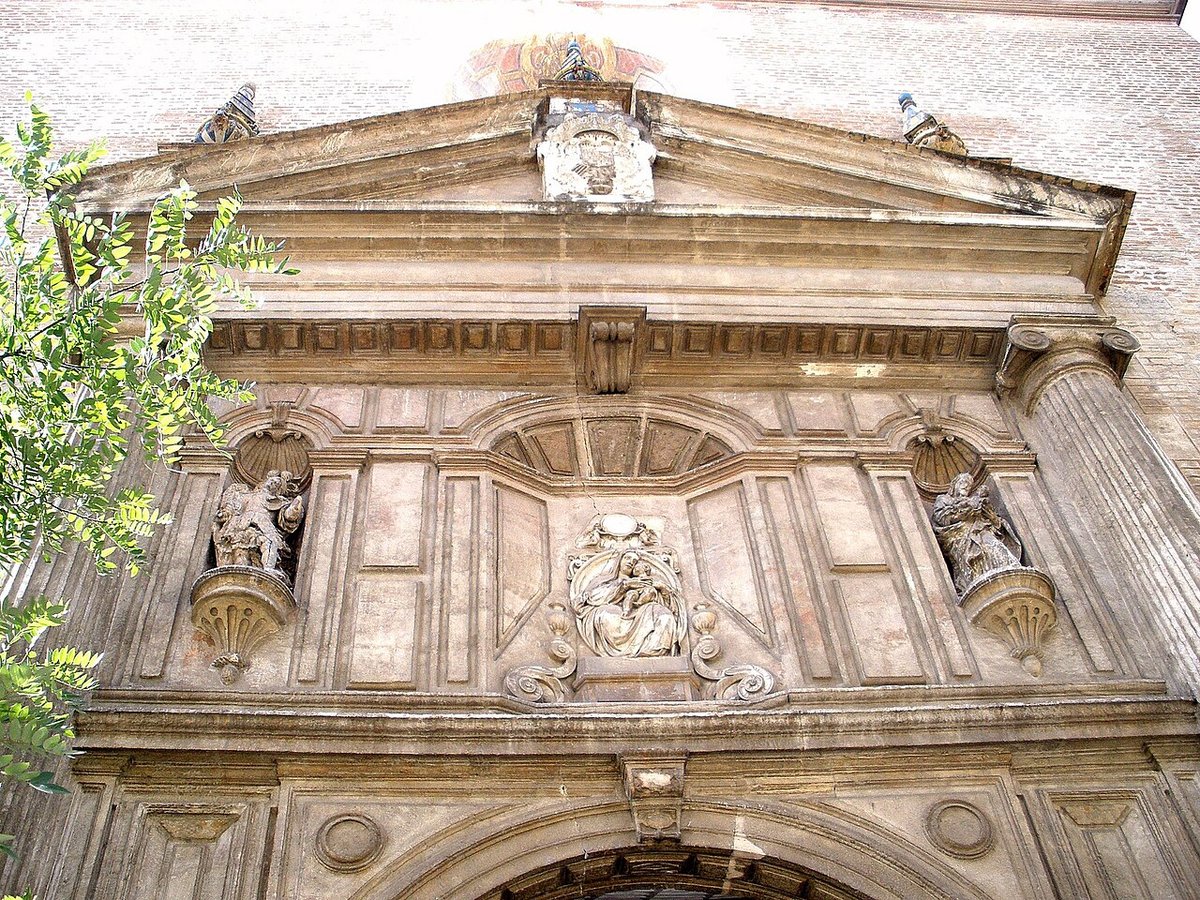
The main religious building is the Iglesia de la Encarnación. They say it’s from the 16th century, built over a mosque like so many around here. But forget soaring Gothic drama. From the outside, it’s austere. Pale walls, a simple shape. It fits in so well it almost disappears into the fabric of the village.
The small square around it functions as the living room. You’ll see neighbours chatting here, not tourists milling about. The oldest streets spider out from this point. Walking them, you pass houses with thick walls and low doorways designed for a different climate and century. Keep an eye out; in some nooks you can still spot old wine presses or more of those huge tinajas, leftovers from when every household was its own little production unit.
Nothing feels grid-planned. The streets follow the hill’s logic, bending and narrowing where they must. Exploring is a gentle exercise in following the terrain.
Where the Streets Open Up
A simple truth about Alboloduy: walk uphill for five minutes and you’re rewarded. The houses part ways and the whole Andarax valley lays itself out at your feet.
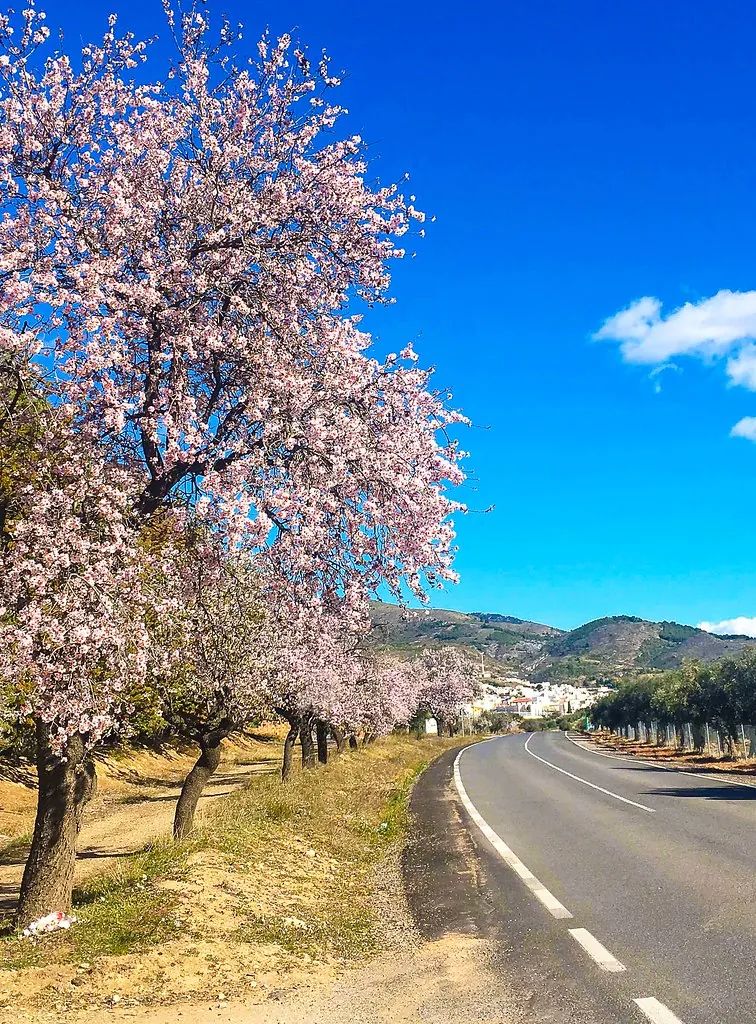
Those terraced fields become clear geometric lines across the hillsides. Come in late winter or very early spring and you might catch the almond blossom—a fleeting wash of white and pink over the slopes that makes the dry earth seem softer for about two weeks. It’s a calendar event, not a guaranteed tourist spectacle.
From these vantage points, you can also trace the ramblas, those dry riverbeds that are harmless gullies most of the year but turn into furious torrents after a rare heavy rain. These aren’t official miradores. They’re just spots where someone didn’t build a house, so you get the view for free.
Following Paths With Purpose
The walking around here isn’t about epic mountain conquests. It’s about following paths that were made for work.
A common route heads up to the Cerro de la Cruz. Yes, there’s an uphill climb—this is still hill country—but it’s manageable if you take it slow. The payoff is a panoramic view back over Alboloduy’ rooftops and across miles of valley.
On these walks, you start noticing old infrastructure: mossy stone channels (acequias) cutting across fields, ruins of watermills (molinos hidráulicos) by long-dry streams.They feel archaeological but were purely practical not long ago.They show how life here was engineered around capturing every drop of water.
Go quietly in morning or late afternoon,and wildlife appears.Birds of prey ride thermals overhead,and if you're lucky,a group of ibex might pick their way across a rocky outcrop in distance.It's subtle stuff.You have to earn it by being still.
The Village Calendar
Life in Alboloduy moves to an agricultural rhythm.Olive harvest,winter pruning,the brief frenzy of almond picking.You'll see people on terraces or hear a tractor long before you see another visitor.The dominant sound is usually silence,punctured by distant dog or passing car.
That rhythm shifts with seasons.The almond blossom in late winter is visual reset button,a soft spectacle entirely dependent on weather.August brings different change.Families return,the population swells,and evening air fills with sounds of verbena music from summer festivals.For few weeks,tempo changes completely.
But for most of year pace remains measured.Alboloduy doesn't offer checklist attractions.Its appeal is in wandering those adaptive streets,watching light move across valley terraces,and understanding how landscape dictates everything.It's place best felt not through sights,but through slow ambling detour it forces you to take