Full Article
about Alcolea
Alpujarra village surrounded by centuries-old olive trees; known for its high-quality olive oil
Ocultar artículo Leer artículo completo
Dawn above the Andarax
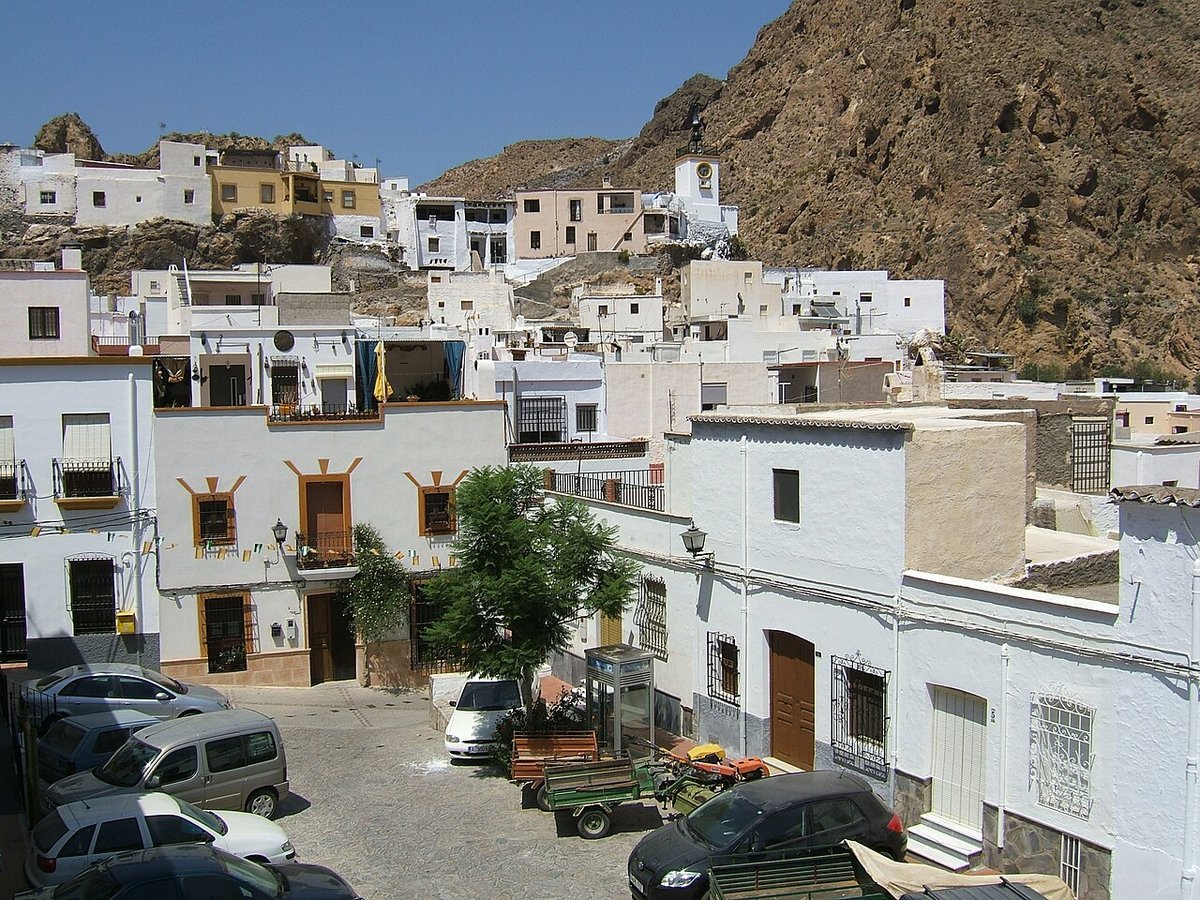
At 7.30 a.m. in late March the only sound on Calle San Sebastián is the slap of irrigation water hitting stone. The channel runs ankle-deep, fed overnight by snowmelt from the 3 000-metre ridge you can see if you look east between the roofs. By eight the first sunray tops the Sierra Nevada and the village’s white walls turn the colour of pale butter; by nine the older men have claimed the bench outside the panadería and the day’s first cigarette smoke hangs in a thin ribbon. Alcolea never shouts—this is the Alpujarra at half-volume.
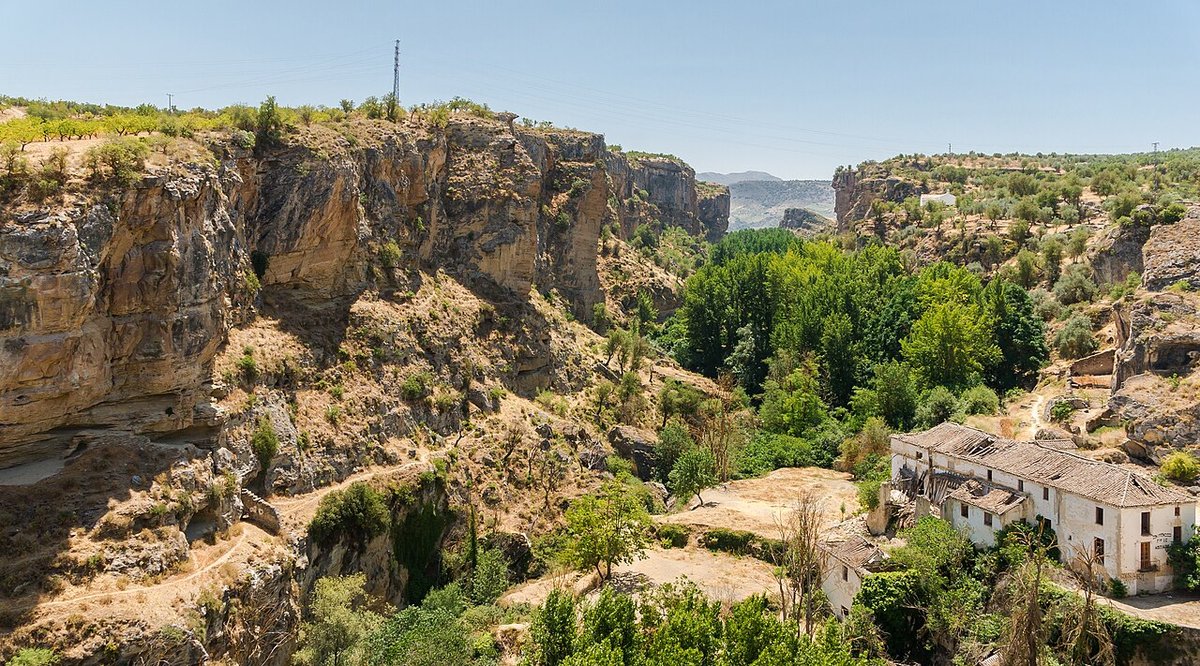
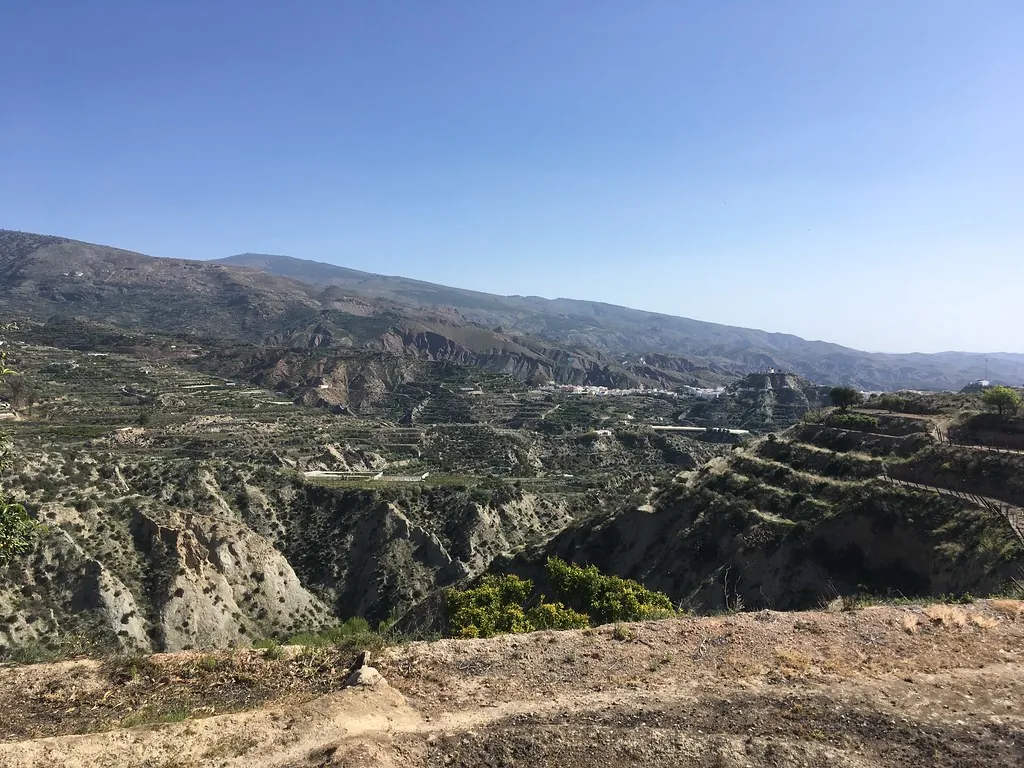
Elevation is the first thing a visitor feels. At 736 m the air is thinner than on the coast 45 km away, and nights stay cool even when Malaga swelters. The thermometer can drop 15 °C after dark, so that light fleece you packed for “southern Spain” suddenly makes sense. The village climbs a south-facing fold of land; every street tilts, every house has one wall taller than the other, and level ground is so scarce that the football pitch sits on a narrow terrace hacked from the slope, goalposts almost touching the almond trees.
What the Moors left behind
There is no ticket office, no audioguide, and that is rather the point. The layout is the monument: alleys barely two metres wide, sudden tunnel-like tinaos that pass under upper rooms, flat roofs staggered so each catches the rainwater that runs into the communal channel. The system still works—look for the tiny brass plates on doorways that record the hour each household may open its sluice. Fridays belong to the huerta below the cemetery; Tuesdays to the olives above the church.
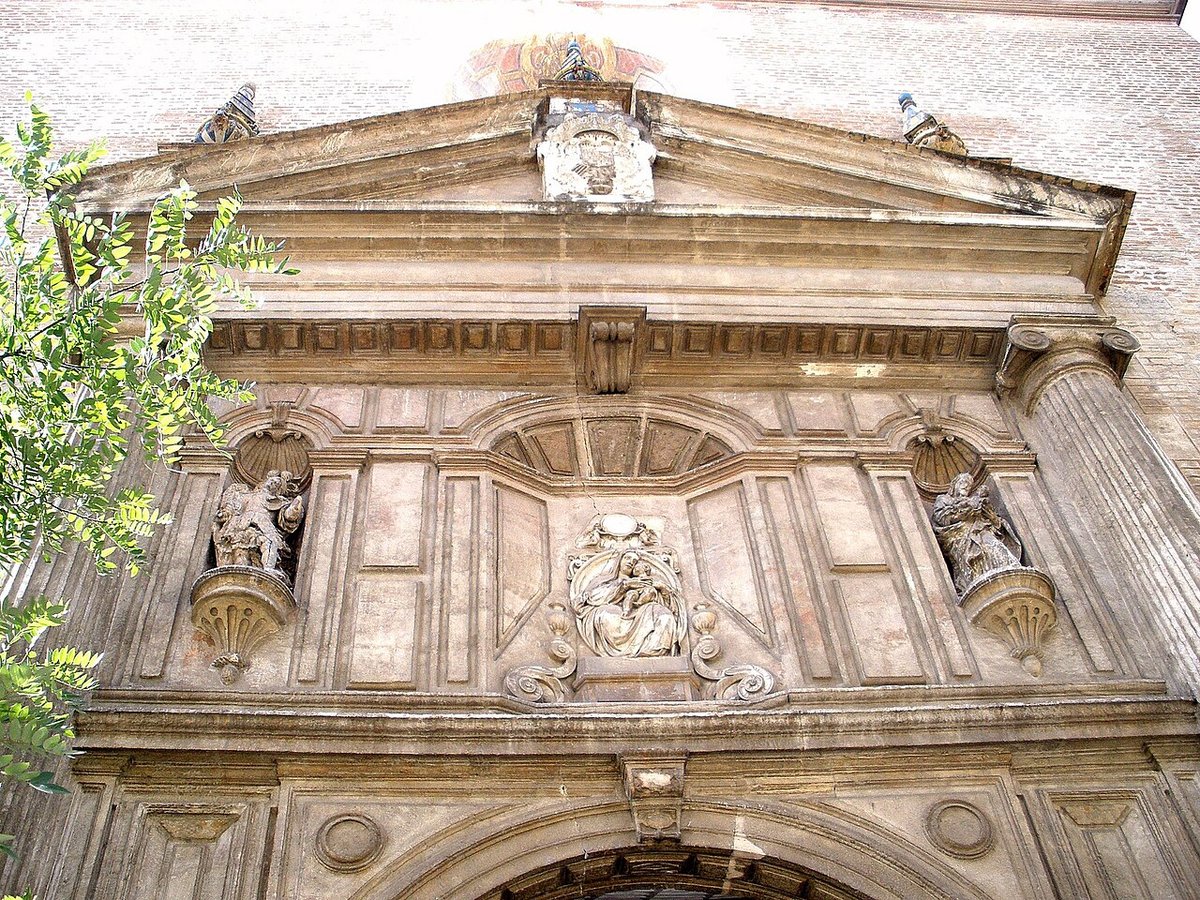
The Iglesia de la Encarnación, rebuilt in the sixteenth century on mosque foundations, keeps its bell-tower minaret shape but asks no entrance fee. Inside, a single bulb dangles above Mudéjar trusses; the smell is of candlewax and mountain damp. Mass is Sunday at 11, weddings Saturday at six, and if the door is locked the key hangs on a nail in the house opposite—knock twice.
Walk ten minutes upstream along the concrete irrigation lane and the settlement thins to scattered cortijos. Stone terraces, no higher than a knee, hold back soil that has been cultivated since the Nasrid era. You will probably meet Felipe leading his mule; he sells bags of almonds for €4 and enjoys practising the English word “organic”, which he pronounces “or-gan-ick” with hard pride.
Trails that still smell of mule sweat
Alcolea is a waystation on the old silk-road footpath that once linked Granada to the coast. The signed stretch west to Alsodux is 7 km of easy going—two hours if you dawdle to photograph wild rosemary—ending at a hamlet with one bar and three dogs. Eastwards the route climbs more boldly towards Bentarique, passing through stands of Aleppo pine where wild boar root for chestnuts; in May the air is thick with broom so fragrant it makes walkers sneeze.
Summer hikers need to start early. By 11 a.m. the sun is punitive and shade patchy; carry a litre of water per hour and do not trust phone maps—Vodafone and Three fade to zero in the barrancos. Offline OSM tiles or, better, the 1:40 000 Alpujarra almeriense leaflet sold in Berja for €8, are worth their weight.
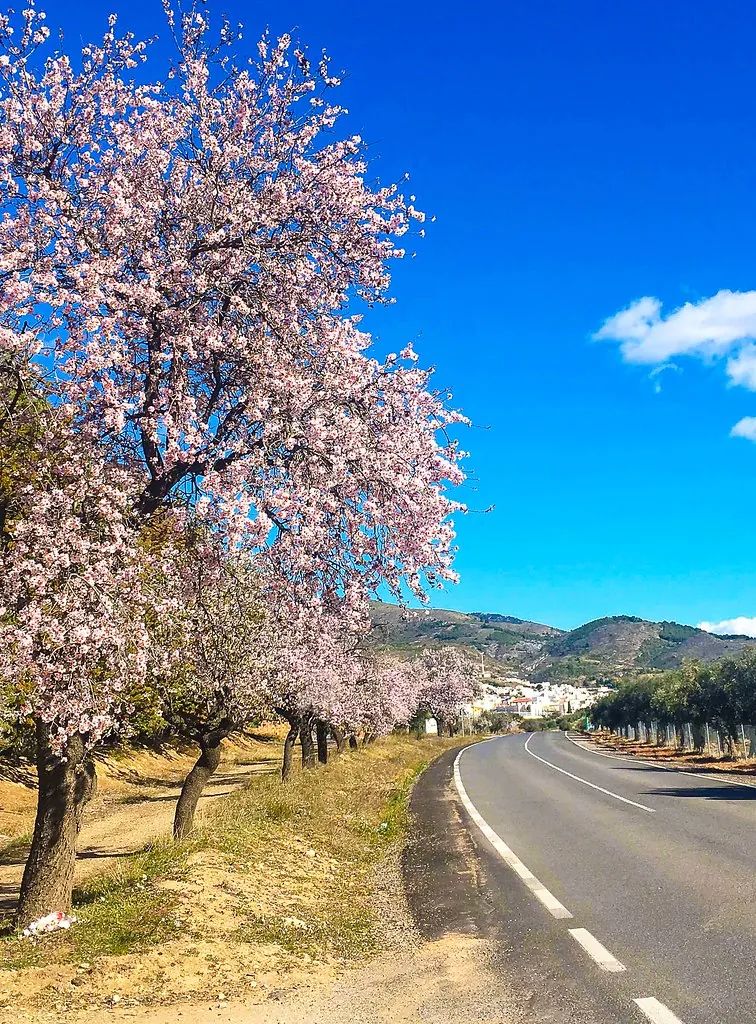
Cyclists arrive too, though the tarmac from the A-348 is steep enough (8 % average, 14 % pinch) that even fit legs think twice about a second beer at lunchtime. Mountain-bike hire is possible in Laujar de Andarax, 18 km away, but must be booked a day ahead—WhatsApp works better than email.
A menu that changes with the acequia
There are two places to eat in the village itself, both on the small plaza where cars perform an eleven-point turn. Mesón La Solana opens at 13:30 sharp; if the door is still shuttered at five past, locals shrug and say “mañana mismo”. The owner, Mari-Carmen, writes the day’s menu on a paper napkin taped to the wall. Expect choto al ajillo—kid stewed in mountain garlic—served in a clay bowl that retains heat so well you will still burn your tongue on the third spoonful. A half ration (plenty for most British appetites) costs €9; bread and ali-oli add another €1.80.
The second option is Bar La Parada, really a café where truckers stop for coffee, but José will grill a plate of migas—fried breadcrumbs laced with pancetta and grapes—if you ask before noon. British visitors compare the texture to savoury granola; children usually approve once they get past the idea of “fried bread”.
Vegetarians do better at lunch than dinner. Winter gazpacho is tomato-free: a thick paprika broth with beans and spinach, filling without meat. Ask for “suave” olive oil if the local peppery grind is too fierce; it arrives in an unlabelled glass bottle that once held gin.
Thursday brings the weekly market: eight stalls, done by 13:00. Fruit is cheap—€1.50 will buy a kilo of loquats—but do not expect artisan sourdough. Bring cash; the nearest ATM is 17 km away in Berja and the village shop does not do cashback.
When the village turns the volume up
For fifty-one weeks of the year Alcolea is as quiet as a library car park, but the last weekend of August is different. The fiestas patronales honour the Virgen de la Encarnación with a procession that starts at the church, detours to the cemetery so the saint can bless the dead, then returns for fireworks launched from a wooden platform wedged between almond trees. Visitors are welcome, beds are not: every cousin who left for Barcelona or Madrid comes home, sofas are claimed months ahead, and the single guesthouse (four rooms, €45 with shared bath) has been booked since Easter.
The other date to note is the Romería in May, when half the province drives up for a picnic. What is normally a traffic-free lane becomes a tailback of hatchbacks; if you wanted silence, arrive mid-week instead.
Getting here, getting out
You need wheels. The village sits 40 km north of Almería airport, 90 minutes from Granada. Car hire at either terminal is straightforward; a compact will cope, but the final 6 km from the A-348 wriggle enough that queasy passengers should sit forward. There is no petrol station in Alcolea—fill up in Berja or Laujar.
Buses exist on paper: one morning service from Almería, one back at dusk, neither aligned with UK flight times. A taxi from the airport is €70 pre-booked; Uber does not operate here.
Leave time for the coast if you must, but the Mediterranean 45 minutes south feels like another country. In Alcolea you trade sand for altitude, seafood for kid stew, nightlife for the soft clack of irrigation sluices closing at bedtime. Pack a fleece, download the map, and bring cash—then enjoy the rare sensation of a Spanish village that has not reorganised itself around your holiday.