Full Article
about Alhama de Almería
Known as the gateway to La Alpujarra; famous for its thermal waters and historic spa.
Hide article Read full article
Alhama de Almería: un pueblo que mira desde arriba
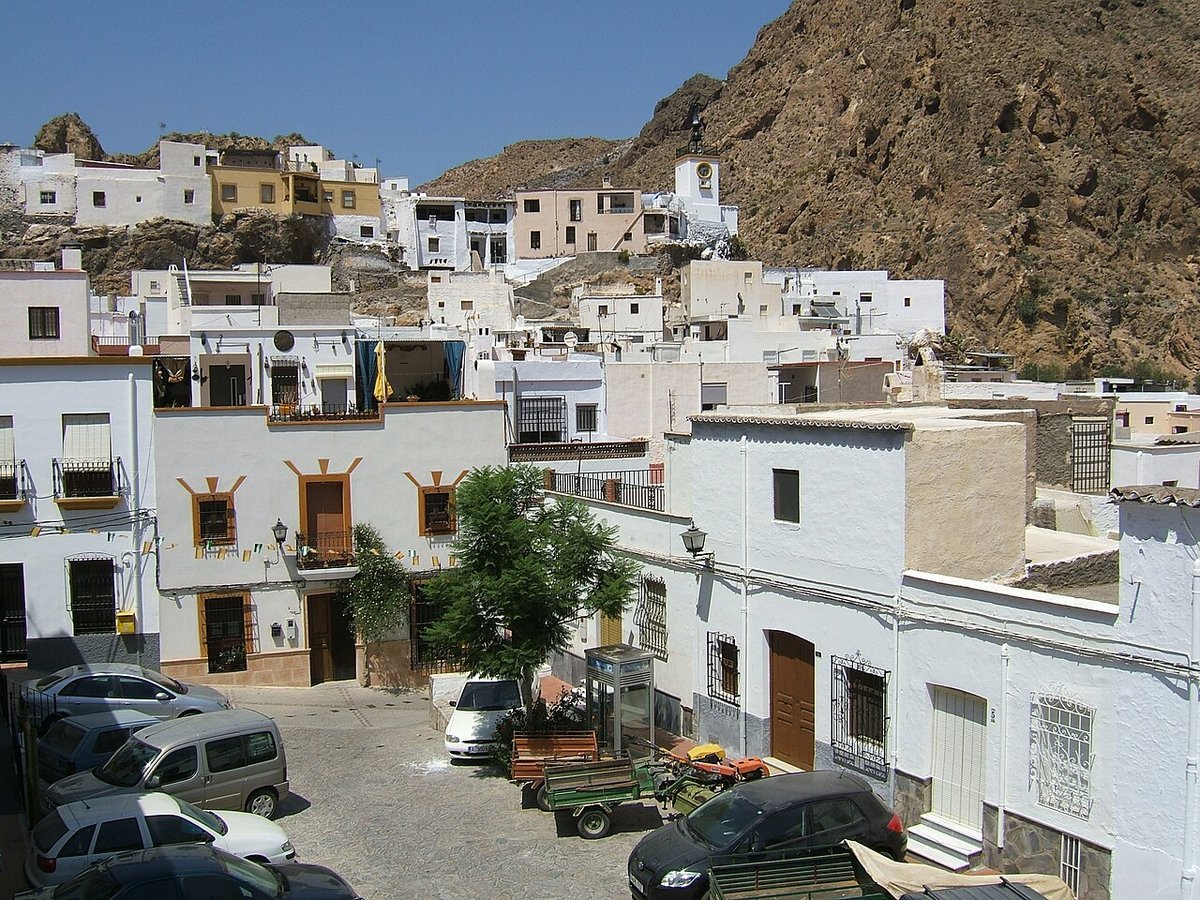
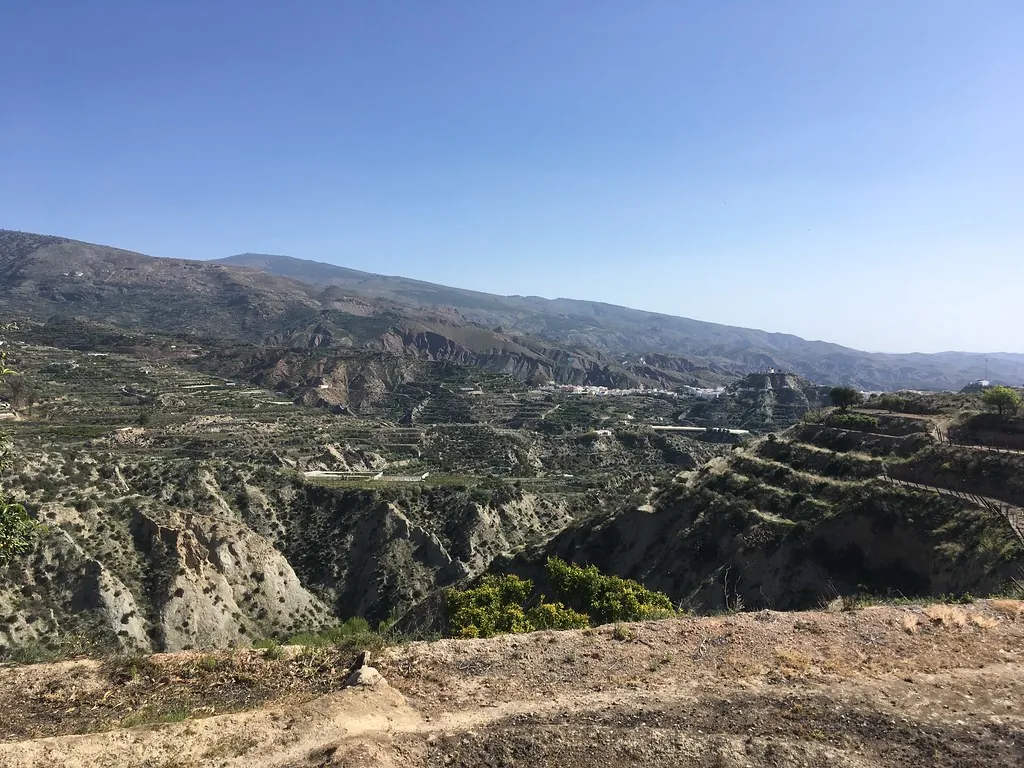
Alhama de Almería es ese tipo de pueblo que ves desde la carretera y piensas: "ahí arriba debe hacer frío en invierno". Se encarama sobre el valle del Andarax con una determinación que no es casual. Llegar implica esas curvas de la Alpujarra Almeriense que parecen interminables, las que te hacen reconsiderar si realmente necesitas ir al baño o solo es nerviosismo. Pero cuando aparcas y pisas la calle principal, entiendes por qué se asentaron aquí: la vista lo explica todo.
Un balneario con carácter (no un spa de diseño)
Olvídate de albornoces blancos y música ambiental. El balneario de Alhama es la versión real de esos sitios que tu abuela llamaba "tomar las aguas". El edificio tiene ese aire decimonónico serio, de piedra y galerías, donde parece que el tiempo se ralentizó hace unas décadas.
El agua sale caliente de verdad y huele ligeramente a azufre, ese olor a huevo cocido que te confirma que esto no es un jacuzzi municipal. Te metes y notas cómo se te afloja la espalda después del viaje. No es un lugar para Instagram, es para eso: para estar una hora en silencio, flotando en una piscina que los romanos ya usaban. Te sales relajado, pero también con la curiosidad de quién más habrá pasado por ahí antes.
Comer como si estuvieras en una casa (porque probablemente lo estés)
Aquí no verás cartas con fotos plastificadas. La cocina sigue siendo la de siempre. Si ves choto al ajo cabañil en algún sitio, pruébalo. Es carne de cabrito con mucho ajo, contundente, del plato que pides para compartir y al final te lo comes tú solo porque está demasiado bueno para dejar media ración.
Los embutidos son los de la zona, curados como se ha hecho siempre, sin prisas. Y luego están las gachas saladas. Su nombre no ayuda, lo sé. Parece algo que darías a los cerdos. En realidad es una crema espesa hecha con harina, pimiento y tomate, a la que le echan lo que haya. Es comida de trabajar en el campo, sencilla y que llena. Pídela sin miedo; es como un abrazo caliente para el estómago.
Subir al Castillejo para sentirse dueño del valle
Desde la plaza principal sale un camino hacia arriba. No está mal señalizado, pero basta con seguir cuesta arriba hasta donde ya no se pueda. Llegas a un cerro llamado El Castillejo, donde quedan los restos de una fortaleza musulmana.
Quedan piedras y algún tramo de murria, nada espectacular arquitectónicamente. Pero te plantas allí y entiendes todo: controlas visualmente todo el valle del Andarax, los bancales de naranjos, la carretera serpenteante… Sabes cuando un lugar fue estratégico solo con ver las vistas. Los paneles informativos hablan del periodo nazarí, pero tu espalda sudada y el viento te dan una lección más directa de historia.
Un paseo digestivo junto al río
Si después de comer necesitas mover las piernas pero no te apetece una ruta épica, baja hacia el río Andarax. Hay un sendero fácil que parte cerca del balneario.
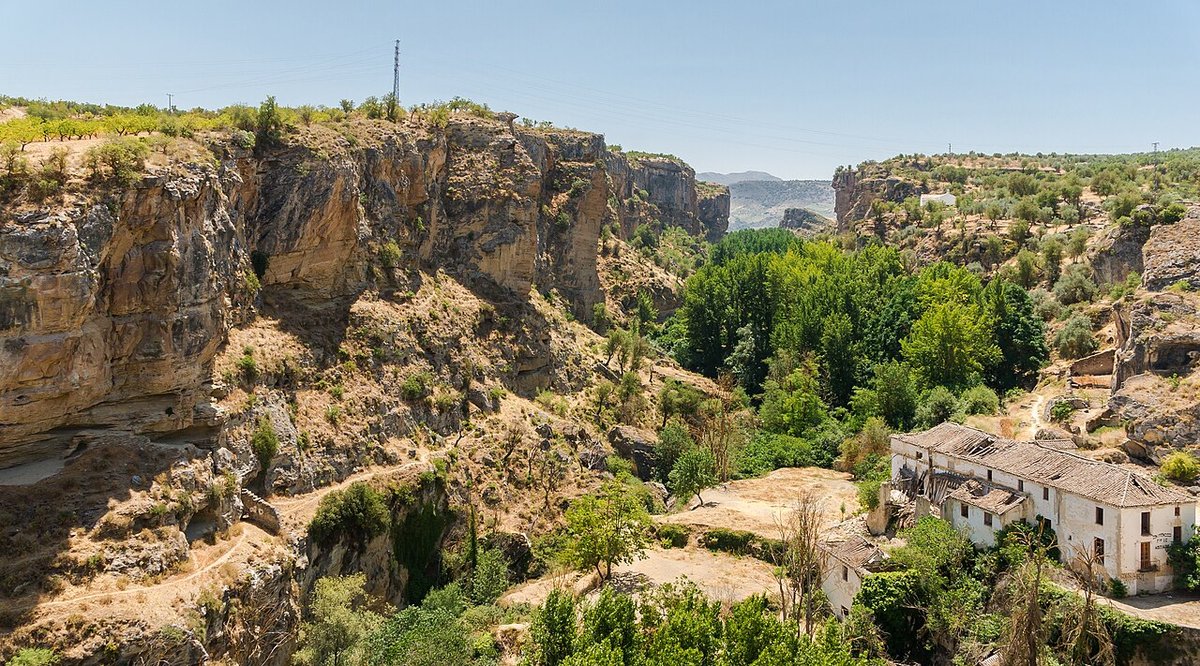
Es plano, agradable, entre árboles y algún huerto. Se camina sin más objetivo que escuchar el agua y ver cómo la luz de la tarde va tiñendo las laderas. Si te animas y buscas un poco por los caminos cercanos a la Loma de Galera, encontrarás algo inesperado: una necrópolis megalítica. Son unas pocas tumbas prehistóricas hechas con losas grandes en medio del campo. Verlas ahí, tan antiguas y tan simples, le da otra dimensión al valle; te das cuenta de que esto lleva habitándose milenios.
El ritmo (o la falta de él)
Alhama no tiene temporada alta o baja definida. En invierno se agradece el agua caliente del balneario con el aire fresco fuera; en primavera el valle está verde; en verano hace calor durante el día pero por la noche se vive en la calle.
Pero su verdadero ritmo es diario: el de las conversaciones en la plaza mayor, el vecino que tarda diez minutos en cruzar cien metros porque va saludando a todos, el horario comercial impredecible… Es un pueblo funcional donde viven casi cuatro mil personas, no un decorado.
No vengas buscando tiendas de souvenirs o espectáculo. Viene bien para pasar un día completo: llegas, subes al castillo, comes bien (y barato), das un paseo por el río y terminas en las aguas termales. Sales habiendo entendido por qué este pueblo mira desde arriba: no por soberbia, sino porque desde allí se ve venir todo