Full Article
about Alsodux
Quiet village in the Andarax valley, ringed by orange groves and traditional vegetable plots.
Ocultar artículo Leer artículo completo
The irrigation channel runs straight through the middle of the lane, its concrete lip shin-high, water glinting like a knife blade. Step over it and you’ve entered Alsodux, population 146, a place that refuses to audition for the Andalusian cliché reel. No geranium-draped balconies, no flamenco soundtrack, no coach park. Just the smell of wet soil, a dog barking two roofs away, and the knowledge that if you want lunch you’d better have brought cash because the village has no cash machine and the only bar opens when the owner feels like it.
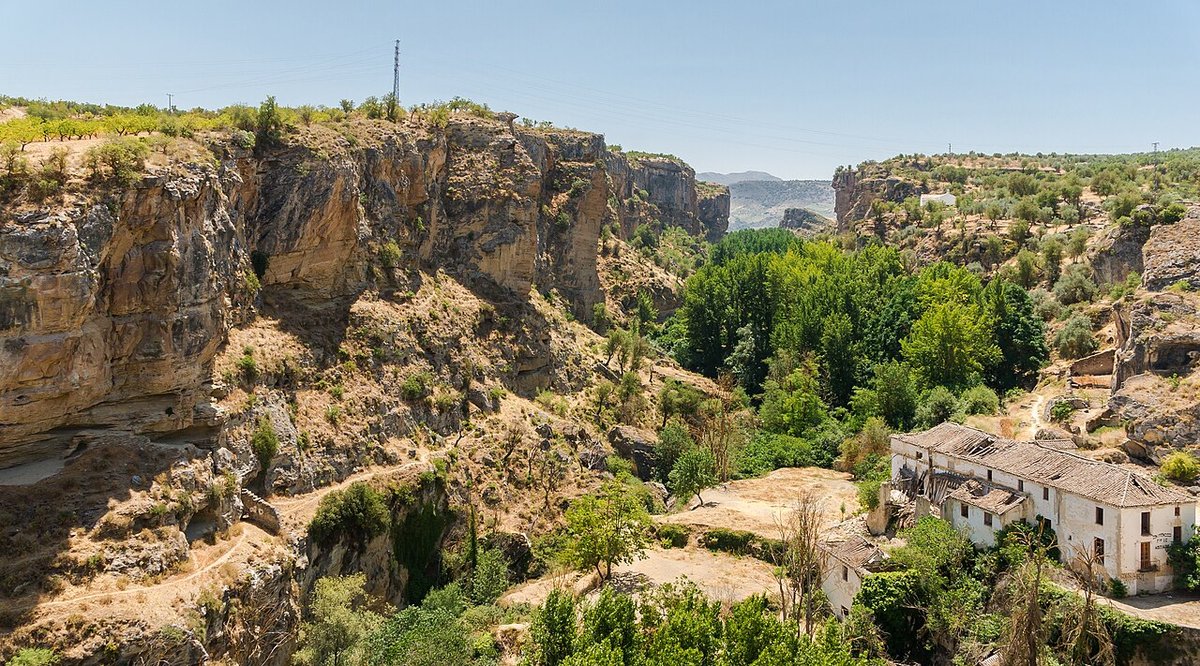
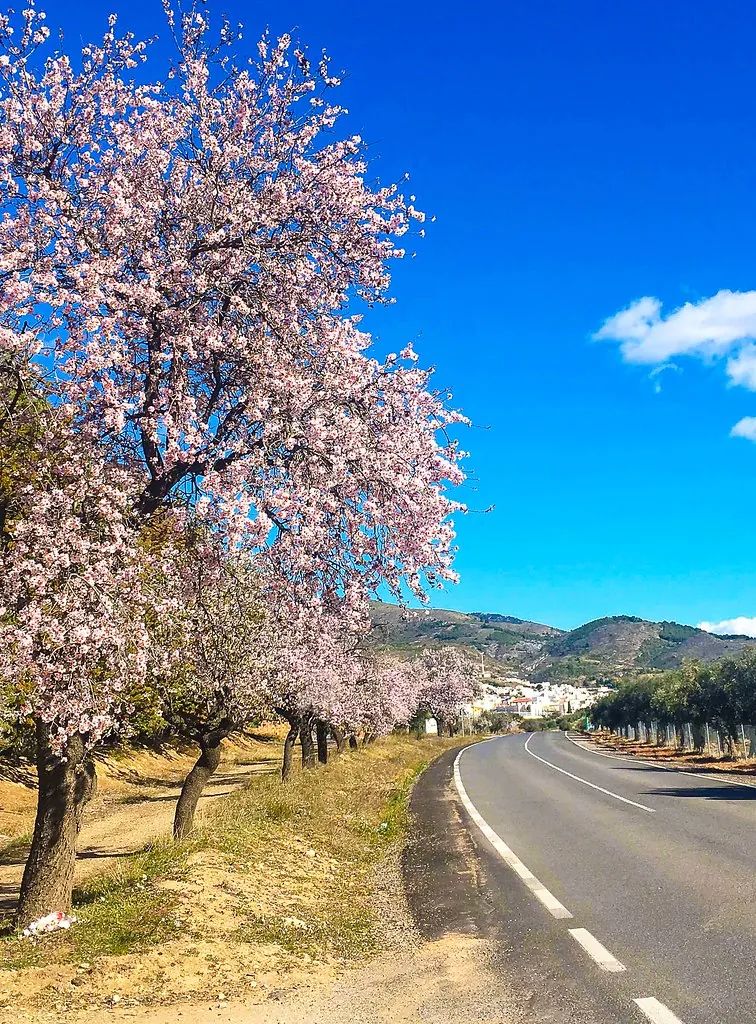
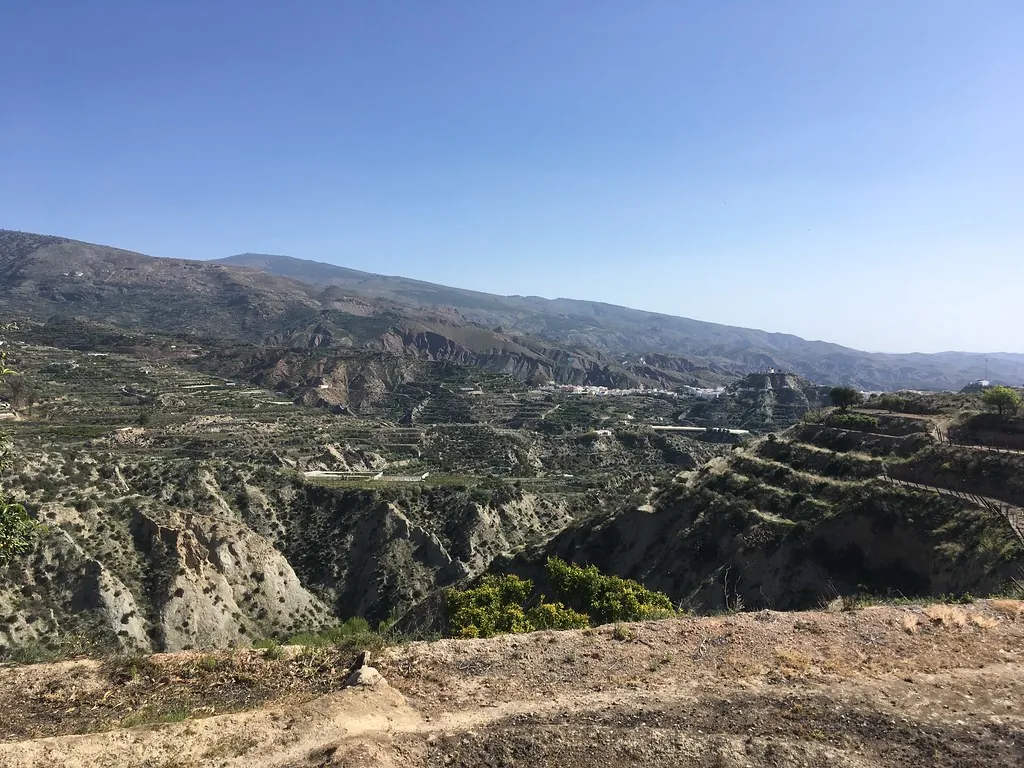
Alsodux sits at 550 m on the southern lip of the Andarax valley, low enough for almonds to outnumber olives yet high enough that the night air carries a nip even in July. From the last terraced field the land drops away in biscuit-coloured folds towards the sea at Almería, 50 km south; behind you, Sierra Nevada keeps its snow longer than you’d expect at this latitude. The setting is practical rather than theatrical: the Moors cut channels to coax melt-water sideways along the contour, and every house still faces the slope that feeds it. The system works, so nobody has bothered to tart it up for visitors.
What passes for a centre
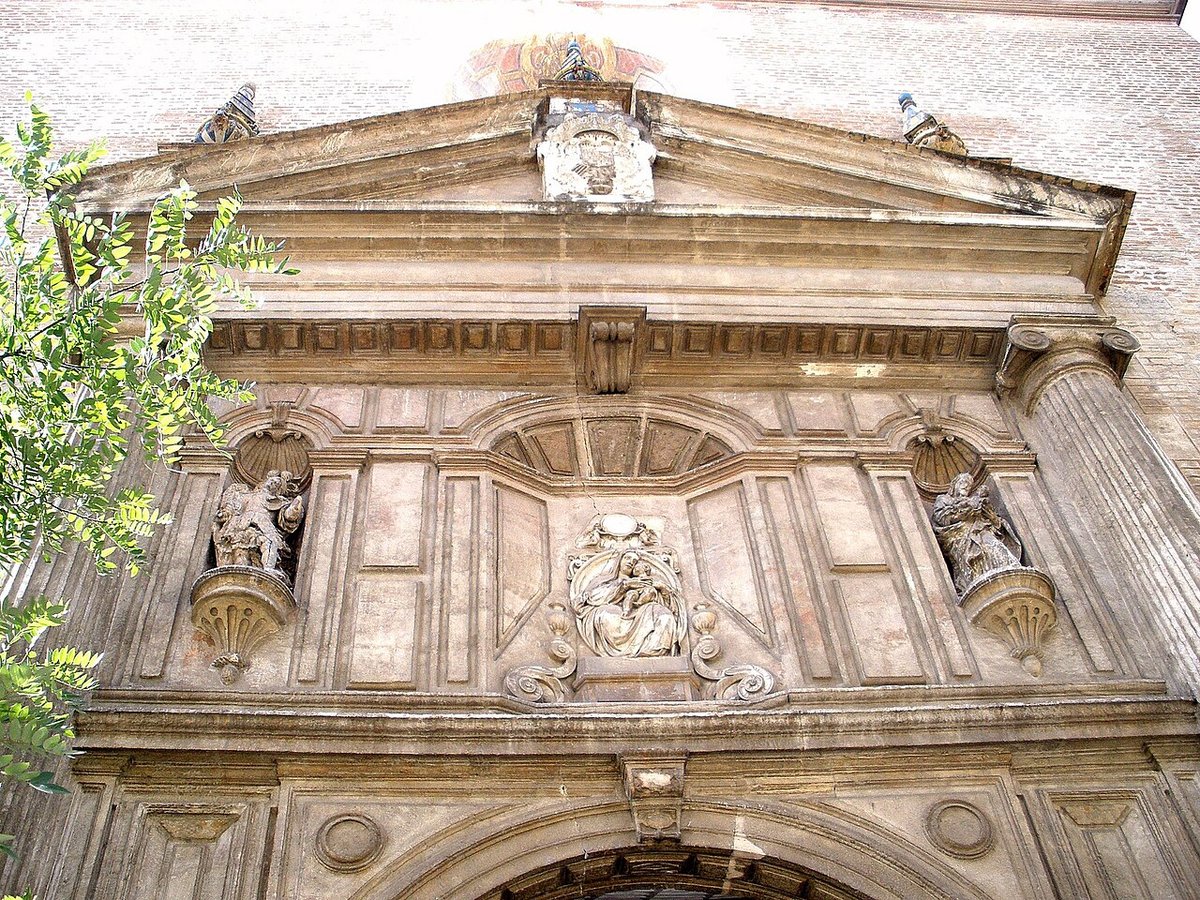
The single-track A-348 squeezes past the village like an after-thought; park where the verge widens and walk. Within five minutes you have circumnavigated everything: the parish church, the fountain with the green tap, the locked-up cultural centre that doubles as the electoral roll on voting day. The church of Nuestra Señora del Rosario is small enough that its bell tower could be mistaken for a farm silo. Inside, the nave smells of beeswax and the floor slopes 10 cm towards the altar, the result of four centuries of modest earthquakes. Look up and you’ll spot a 17th-century panel painting of the Virgin whose gilt is wearing thin; look down and you’ll see the brass plaque listing the men who left for Barcelona in 1957 to build the metro. Both artefacts carry equal weight in local memory.
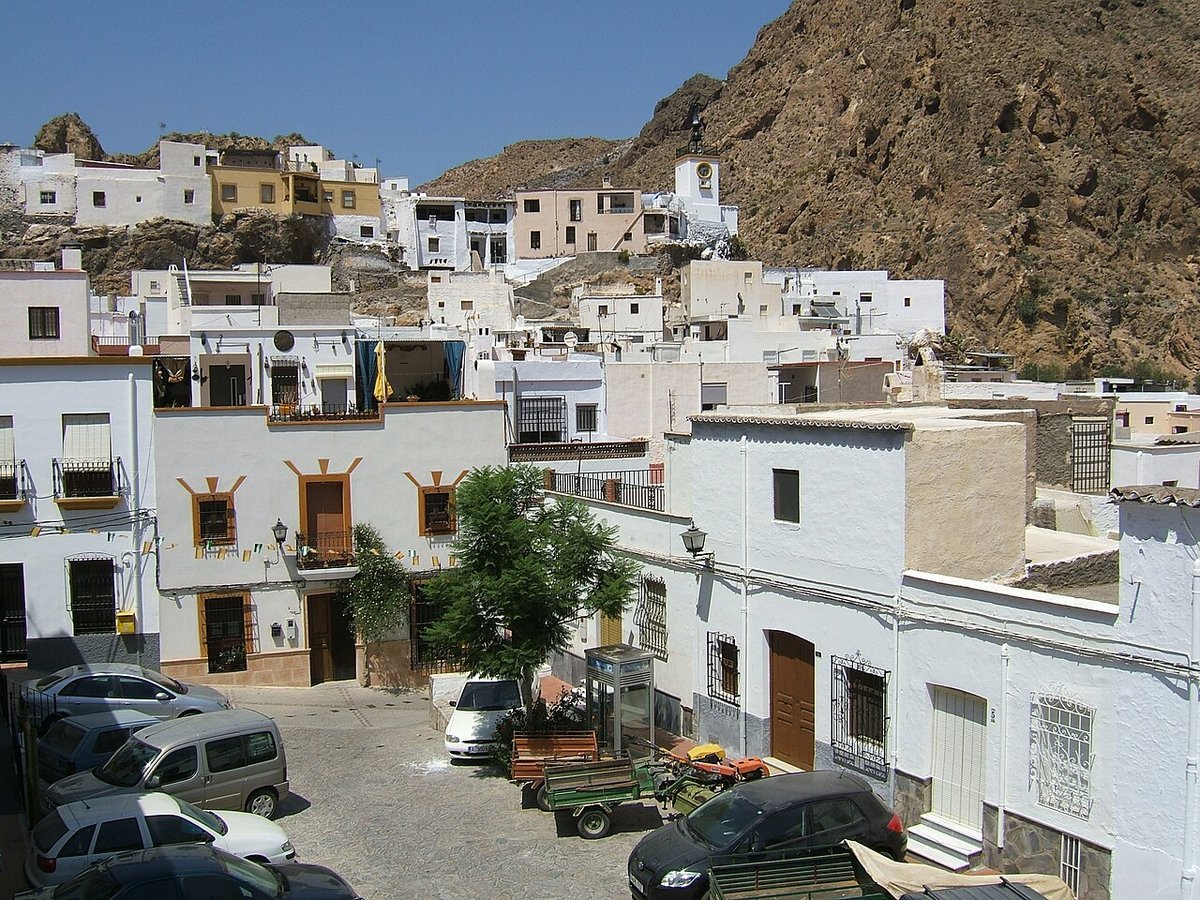
Beyond the stone portal the lanes shrink to shoulder width. Flat roofs, lime wash the colour of diluted yoghurt, doors low enough to bang your head: this is North-African DNA surviving in Europe. Some houses have added a plastic porch or a satellite dish the size of a wagon wheel; no one apologises. The village is alive, not pickled. Washing flaps, a scooter lies on its side outside a house where teenagers listen to Reggaeton, and an elderly man in carpet slippers hoses the dust off the street because he always has. If you want permission to photograph, ask; most residents will shrug and carry on.
Walking without the fanfare
Alsodux makes no claim to be a hiker’s headquarters, yet it is threaded by old bridle paths that join the dots between abandoned cortijos. The easiest outing is the 4 km loop signed (in hand-painted tiles) as Sendero de los Bancales. It tops out on a ridge where the only sound is bees working rosemary and the view stretches across the valley to the opposing hamlet of Alhabia, its white houses clinging like limpets. Take water: there is no kiosk, no honesty fridge, and summer temperatures touch 42 °C. The path surface is coarse gravel mixed with almond shells; trainers suffice, but open sandals will be punished.
Longer routes follow the river upstream towards the ruined flour mills of Bentarique or climb south to the ghost village of Fuente la Merced, abandoned after the 1956 flood. These walks are not way-marked to British Standard; instead you rely on cairns, instinct, and the habit of greeting every shepherd in case he turns out to be the path. Mobile signal flickers in the gullies—download an offline map before you set off and tell someone where you’re going. The reward is silence thick enough to taste and the realisation that the Sierra Nevada skyline still has snow on it while you’re sweating through a T-shirt.
Eating what the day provides
The village’s only bar, Casa Manolo, opens at 09:00 for coffee and keeps going until the cook goes home. There is no printed menu; ask what there is. On a good day you’ll get migas—fried breadcrumbs, garlic, scraps of chorizo and a handful of sweet grapes that burst against the salt. A plate costs €7 and feeds two if you order salad on the side. Lamb appears in spring when the local choto is slaughtered; it arrives simmered in garlic and bay, the meat mild, the sauce mellow rather than fiery. The house wine comes in a plain glass, drawn from a five-litre plastic cube behind the counter; it is light, vaguely fruity and costs €1.50. Vegetarians can usually negotiate an omelette, but vegans should pack sandwiches.
If you prefer to self-cater, the mini-market opens 10:00–13:00, closed Monday. Stock is basic: tinned tuna, rubbery tomatoes, local raisins so sweet they make Sainsbury’s taste like acid. Buy them—the grapes are grown on the valley floor and sun-dried on straw mats you’ll see in neighbouring fields. Pair with a packet of picos (breadsticks) and you have the cheapest Alpujarran lunch going.
Night skies and other quiet thrills
Street lighting is deliberately feeble so as not to drown the stars. Walk 200 m beyond the last house and the Milky Way snaps into focus like someone adjusted the lens. August nights are popular with amateur astronomers from Almería city who bring telescopes and share views of Saturn’s rings with anyone who shows interest. Even without equipment you can track Jupiter crossing the sky while the village murmurs behind you and a distant dog argues with the echo. Take a fleece: at 550 m the temperature can drop fifteen degrees once the sun disappears.
October brings the fiesta patronal, the one week when Alsodux doubles in population. A modest fairground ride appears in the plaza, the church bell rings until dawn, and ex-villagers who now work in Barcelona or Germany return to argue about football and inheritances. Accommodation within the village does not exist—rooms are offered sofa-to-sofa, family style. If you’re not related, book early in Alboloduy, ten minutes down the road, or accept that you’ll be camping in the dry river bed with the astronomy club.
Getting here, getting out
Almería airport receives easyJet from Gatwick and Manchester between March and October. Hire a car—public transport involves a regional bus that reaches Alhabia on Tuesdays and alternate Fridays, then a 5 km hitch. From the airport take the A-7 east for 20 min, peel off onto the A-348 towards Órgiva, and watch for the brown sign so small you’ll swear you imagined it. Petrol stations are scarce after kilometre 25; fill up at the airport or risk turning back. The final 3 km climb to the village is paved but single-track; pull in at passing places and remember that uphill traffic has right of way unless you fancy reversing round a hairpin above a 200 m drop.
Where to sleep? Alsodux itself has no hotels, hostals, or legal campsites. The closest beds are in Alboloduy at Casa de los Naranjos, a three-room rural house run by a retired teacher who speaks fluent Yorkshire after twenty years in Leeds. Failing that, the cave houses of Guadix are 35 min away and reliably cool when the valley floor is frying eggs. Book anything in May or September—British walking groups have already discovered the weather sweet spot.
Leave before eleven on a summer morning and the thermometer will still make you gasp. That’s the moment to understand Alsodux’s chief virtue: it asks nothing of you except presence. No gift shop, no audio guide, no compulsory cultural performance. Just the sound of water sliding downhill and the sight of an elderly woman sweeping her threshold because that is what she has done every day since 1954. Stay long enough and you’ll start to wonder who is really watching whom.