Full Article
about Bayárcal
The highest municipality in the province, located on the border with Granada in the heart of the Sierra Nevada.
Ocultar artículo Leer artículo completo
At 1,258 metres, Bayárcal's church bell tolls across empty streets while the Mediterranean glints faintly on the horizon. This is Spain's rooftop – a village where laundry flaps above cloud level and winter arrives early enough to dust the flat roofs white. Forty minutes from the Costa de Almería's beaches, yet feeling half a lifetime away, the settlement clings to a ridge that once marked the edge of the last Muslim kingdom.
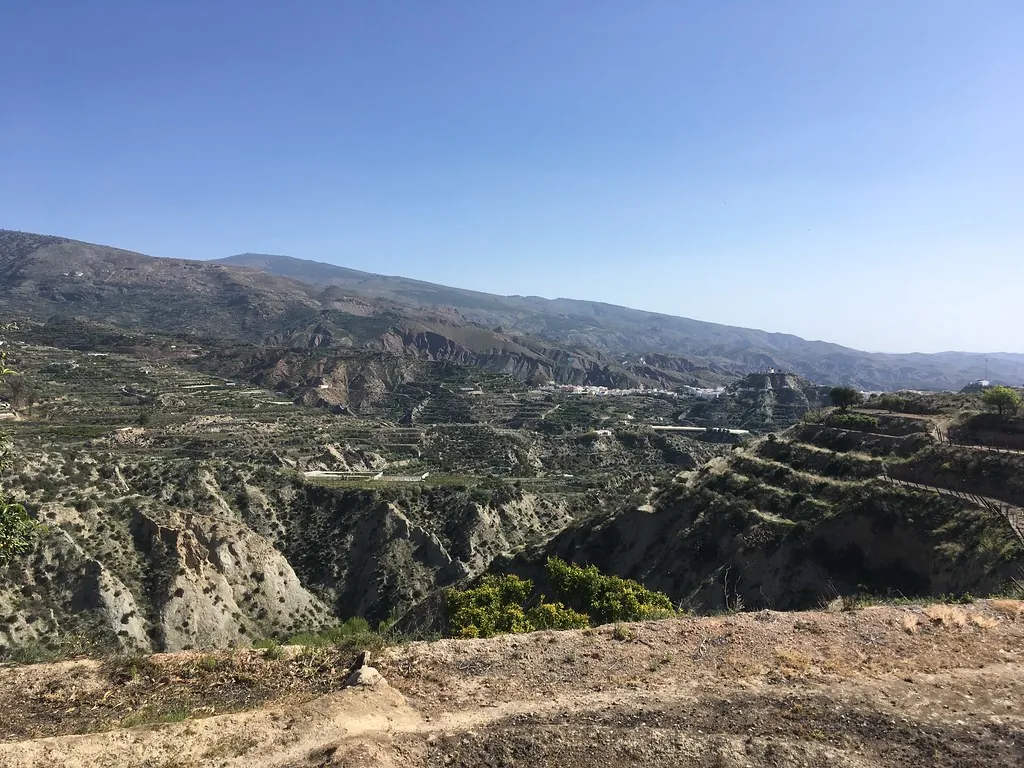
The approach says everything. After Ugíjar the A-4132 narrows, climbs and twists until stone houses appear like a white scar against dark pine. Meeting a delivery van means reversing fifty metres to the nearest passing place – easier once you realise the locals know every bend and will usually back up first. First-time visitors grip the wheel; repeat offenders simply enjoy the view back towards the Contraviesa vineyards shrinking below.
What makes the village tick
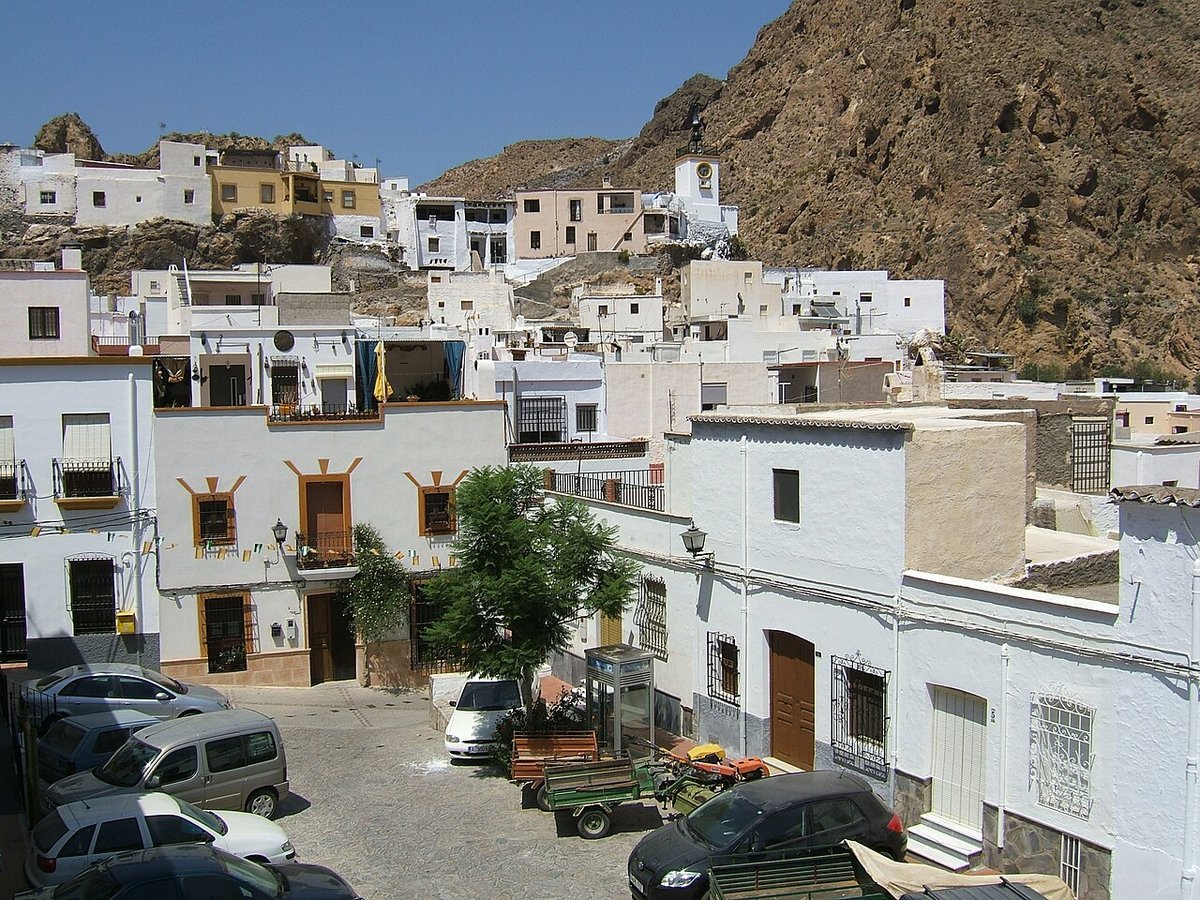
Bayárcal's 326 residents live in dwellings designed for altitude. Flat roofs channel sparse rainfall into cisterns, while cylindrical chimneys – the signature of La Alpujarra – poke up like miniature watchtowers. Many façades still use the old Berber technique: ochre clay mixed with straw that weathers to the colour of toasted almonds. Peek through an open door and you'll spot firewood stacked to ceiling height; winters here bite hard enough for the village to keep its small ski depot at the ayuntamiento, lending out equipment when snow blocks the road.
The centre takes fifteen minutes to cross, but the gradients demand longer. Calle Real tilts at 18% in places; elderly residents pause at the stone bench outside the panadería, exchanging greetings while catching breath. There's no supermarket, just a single ultramarinos that opens at nine, closes at two, and might reopen at five if the owner feels like it. Bread arrives from Laujar on Tuesdays and Fridays; arrive late and you'll be eating packaged sliced for the week.
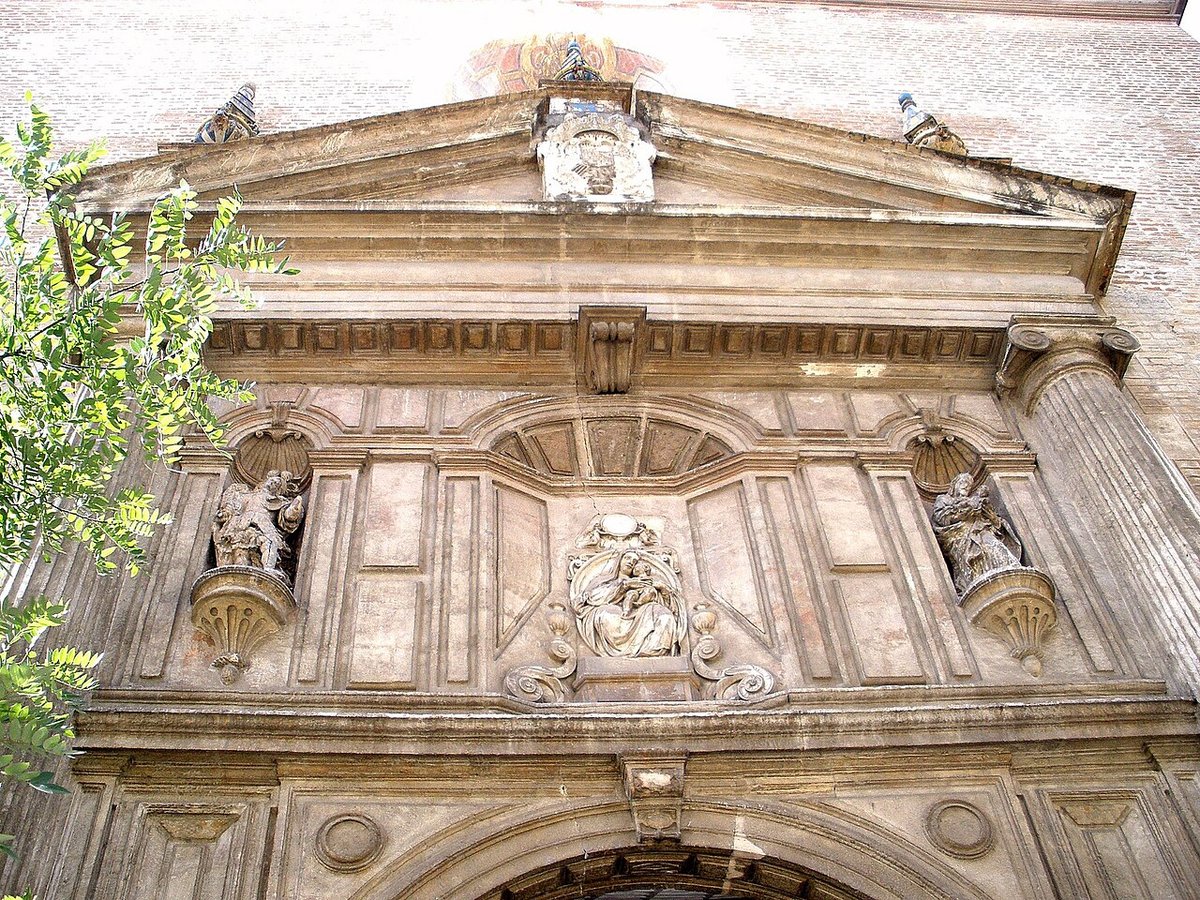
San Francisco de Asís church squats at the top, built over the village mosque after the 1570 Morisco rebellion. Inside, the altar is plain pine, the walls limewashed yearly. What catches the eye is the Mudejar ceiling: cedar beams interlaced in eight-pointed stars, craftsmen hedging their bets between crescent and cross. Mass is Sunday at noon; visitors are welcome but the priest delivers his sermon in rapid Andalusian Spanish, the consonants dropped like hot coals.
Walking into empty country
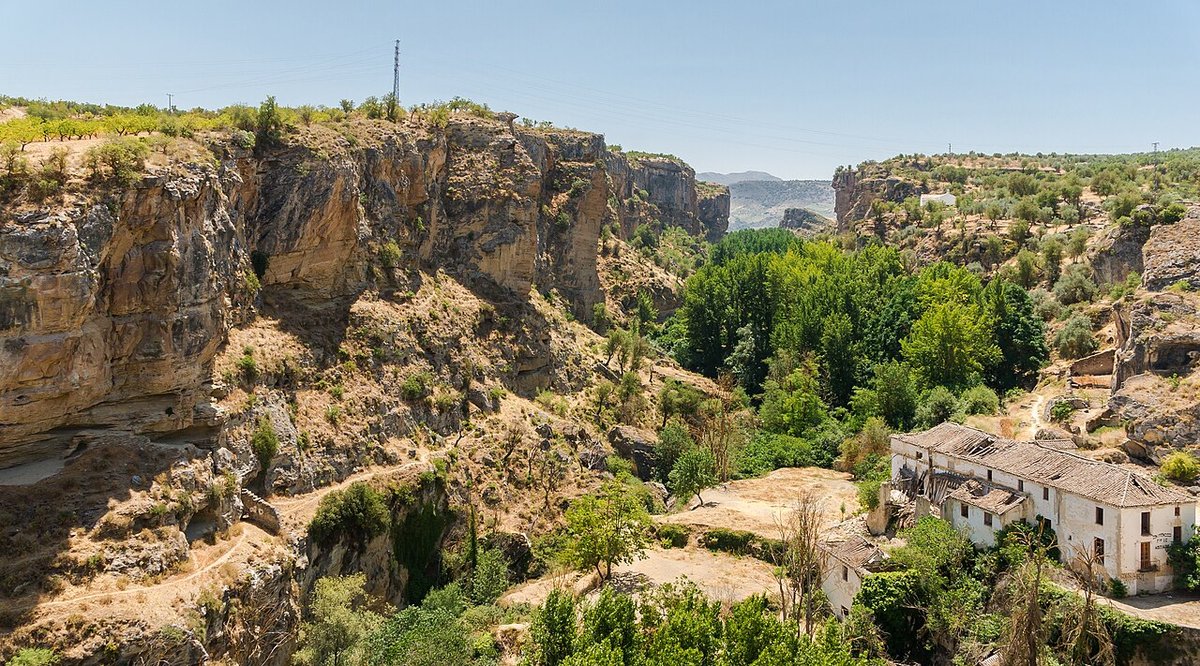
Stride past the last house and you're immediately in Sierra Nevada National Park. The PR-A 213 heads east towards Paterna del Río, contouring through abandoned chestnut terraces where wild boar root for chestnuts. After 90 minutes the path drops into the Río Bayárcal gorge; water flows year-round here, rare on the south face. In October the canyon flames gold – maple, ash and walnut planted by Moorish farmers nine centuries ago.
For a half-day outing, follow the acequia route west to the ruined hamlet of El Chapparal. The irrigation channel, hacked into the cliff in the 13th century, still carries melt-water to vegetable plots. Walk quietly and alpine accentors flit between boulders; look up to see crimson-winged choughs riding thermals. The return climbs 350 m through pine and juniper – enough ascent to remind you that the altitude equals Ben Nevis's summit.
Serious walkers use Bayárcal as a launch pad for three-thousanders. The full traverse to Trevélez (17 km, 1,400 m ascent) is a demanding day requiring dawn starts and head for heights. Snow patches linger on north-facing slopes until June; after heavy winter falls the Guardia Civil sometimes close the track. Check at the ayuntamiento before setting off – mountain rescue here is voluntary and the helicopter flies from Almería, an hour away.
Eating (and drinking) like a local
Hospitality is thin but genuine. Bar Casa Paco serves lunch from a single blackboard: migas – fried breadcrumbs with garlic, pepper and chorizo topped by a runny egg – costs €7 and arrives in a portion sized for a muleteer. Ask for the homemade almond cake; it's moist, grainy and naturally gluten-free, the sort of pudding that makes coeliacs weep with relief.
Evening options reduce to one taberna open until eleven. Order a plate of Trevélez ham: cured at 1,700 m in the next valley, it's milder than Italian prosciutto, the mountain air filtering salt. Locals drink Laujar wine – garnacha tinta grown at 1,000 m that tastes of sun-baked slate. A glass is €1.80; they’ll refill it until you place your hand over the top.
For self-caterers, the Saturday market in Ugíjar sells local walnuts, chestnuts and rosemary honey. Stock up; Bayárcal's shop stocks only basics and the nearest supermarket is 25 minutes down the mountain. A word on water: the village supply is excellent, drawn from a high spring, but let the tap run ten seconds first thing – overnight sediment colours it rusty brown.
When to come – and when to stay away
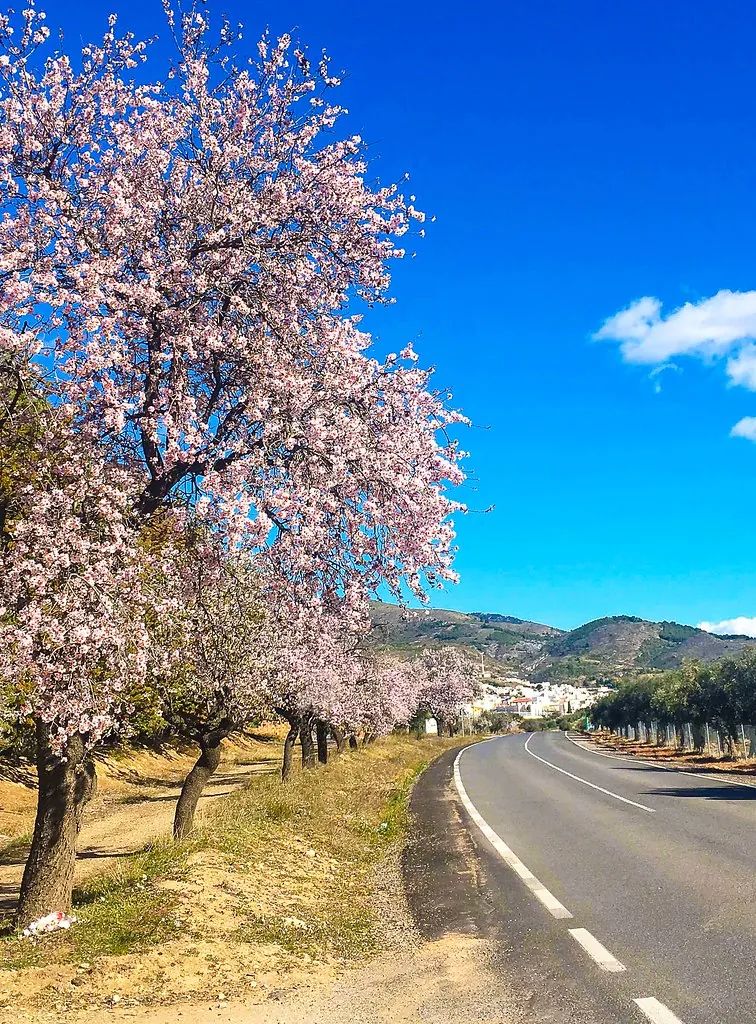
April brings almond blossom and daytime highs of 18°C; nights still drop to 4°C, so pack fleece. May turns the surrounding hills emerald before the drought sets in. October is arguably perfect: stable 22°C afternoons, cool starlit evenings and the chestnut harvest in full swing. British half-term coincides with Spanish puente, meaning the two guesthouses fill quickly – book ahead.
Winter is spectacular but serious. Snow can fall from November; the access road is gritted yet remains treacherous after dusk. Electricity cuts are routine when gales whip the cables. If you relish silence, wood smoke and possible white-out, you'll love it. If you need constant Wi-Fi and central heating, wait for spring.
August is the surprise enemy. The village sits above the coastal cauldron, yet thermometers still reach 34°C at midday. More importantly, the local fiestas bring returning families, amplified flamenco and late-night firecrackers. Light sleepers should avoid the second weekend when the plaza thumps until 4 am.
Beds for the night
Posada de los Arrieros occupies a 17th-century muleteer's house on Calle La Fuente. Six rooms cluster round a slate patio; wood-burners keep things toasty when Atlantic storms roll in. English-speaking owners Chris and Merche serve sourdough toast and local jam for breakfast, then lend OS-style hiking maps annotated with their own routes. Doubles from €70, including parking in the tiny municipal lot they reserve for guests.
El Castañuelo offers self-catering opposite the church bell tower. The roof terrace faces south-west, perfect for gin-and-tonic sunsets over the Contraviesa. Washing machine, Wi-Fi that actually works, and a fireplace stacked with olive logs make it popular with longer-stay walkers. Weekly rate €420 in low season, Saturday-to-Saturday changeover.
Last call
Bayárcal won't entertain you. There are no souvenir shops, no Sunday craft market, no flamenco tablaos. What it offers instead is altitude, space and a front-row seat to one of Europe's last quiet mountain regions. Come prepared – download maps, fill the tank, carry cash – and the village repays with empty trails, star-drilled nights and the sort of silence that makes your ears ring. Just remember the golden rule: when the church lights go out at midnight, the day is officially over. Adapt to that rhythm and you might finally understand why some Brits sell up and stay.