Full Article
about Beires
Village clinging to the Sierra Nevada slope; known as the Almanzora's balcony for its views.
Hide article Read full article
A Long Road to a Small Place
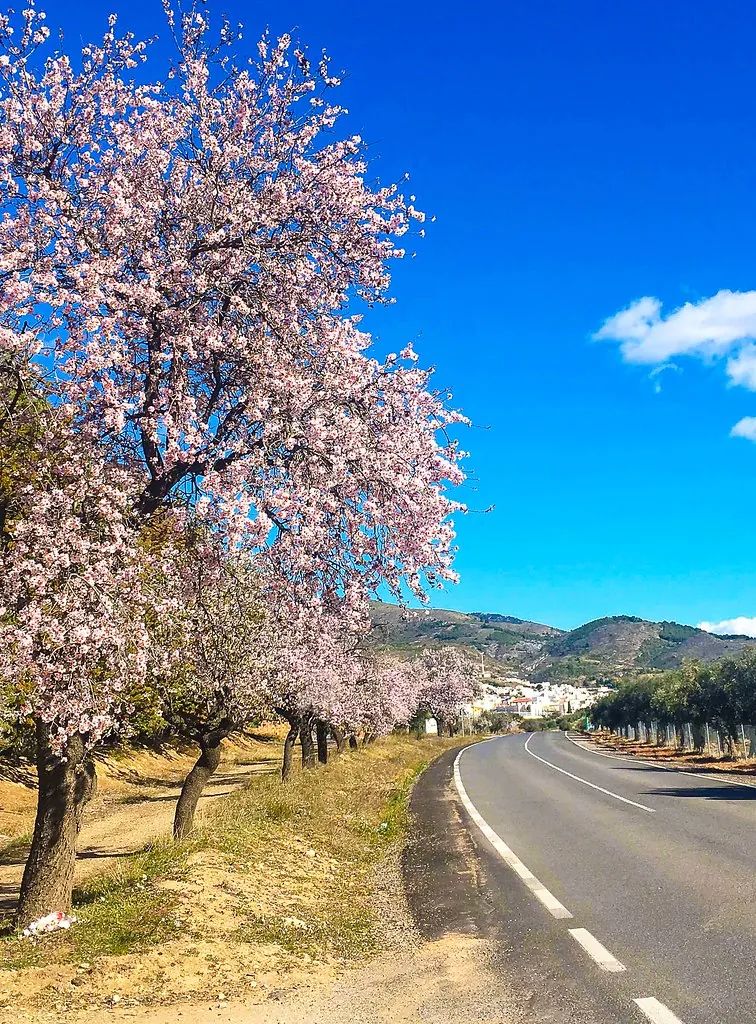
Beires is small and quick to see, but getting there takes time. From Almería it is roughly an hour and a half by car, and the final stretch is along a winding mountain road. It is not especially difficult to drive, yet it is narrow and demands attention. This is a journey best made in daylight and without rushing.
On arrival, the simplest option is to leave the car at the entrance to the village and continue on foot. The historic centre is compact and the streets were not designed for heavy traffic. Once parked, everything is within easy walking distance.
Beires does not present itself as a destination packed with sights. It is a lived-in place, and that shapes the experience. The appeal lies less in ticking off attractions and more in observing how the village sits within its landscape and how daily life continues at an unhurried pace.
The Village Itself
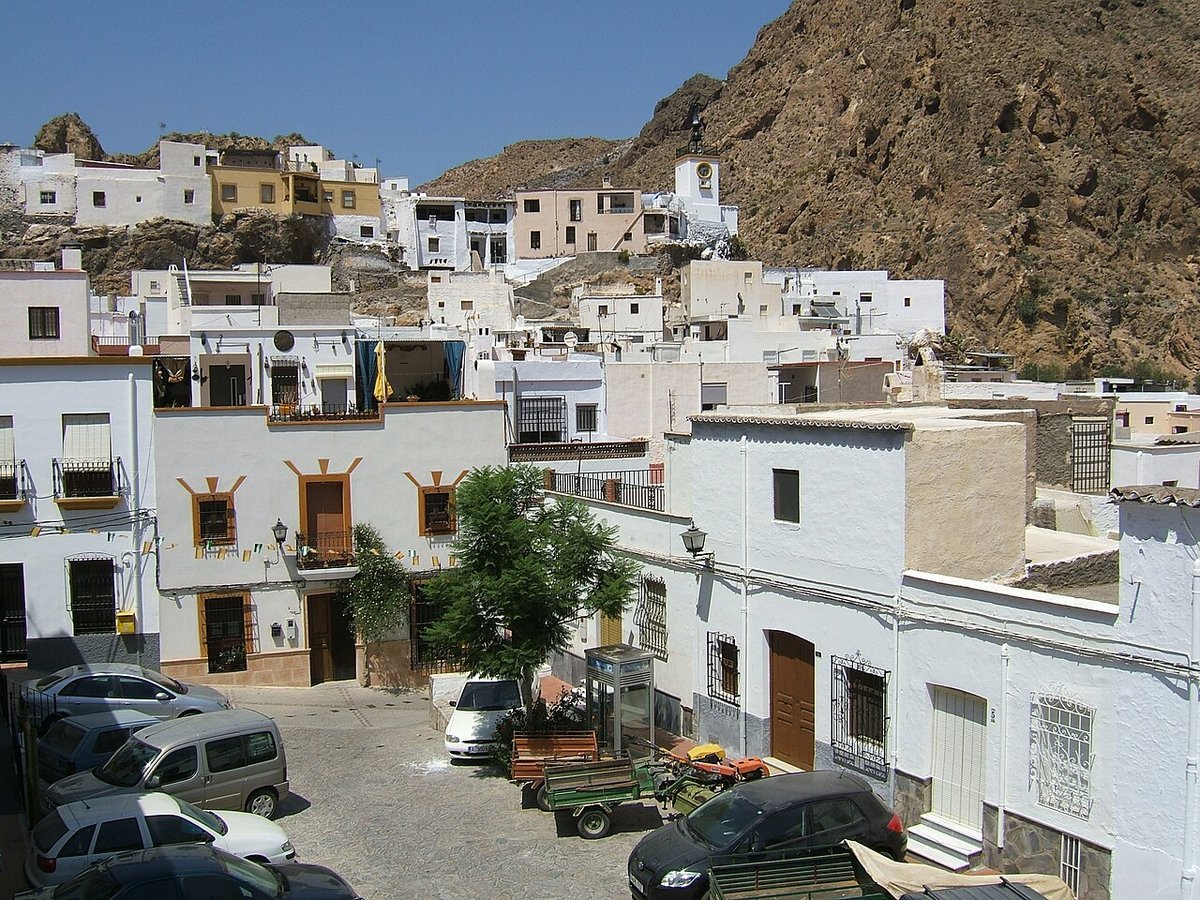
The main street slopes down towards the square. It is cobbled and there are few side turnings, so finding your way around is straightforward. There is no need for a map once inside the village.
The houses follow the typical Alpujarra style: two storeys, whitewashed façades, flat roofs covered with launa, and distinctive truncated cone chimneys. Launa is a traditional clay-based material used in the Alpujarra to waterproof flat roofs, a practical solution shaped by the local climate and building traditions. Many of the houses are still family homes, or former family houses that remain in local hands.
There are no museums or interpretation centres. There is no curated narrative explaining the past. What stands out instead is the continuity of ordinary life. Doors open onto the street, and the scale of the buildings reflects a community built around agriculture and close ties rather than tourism.
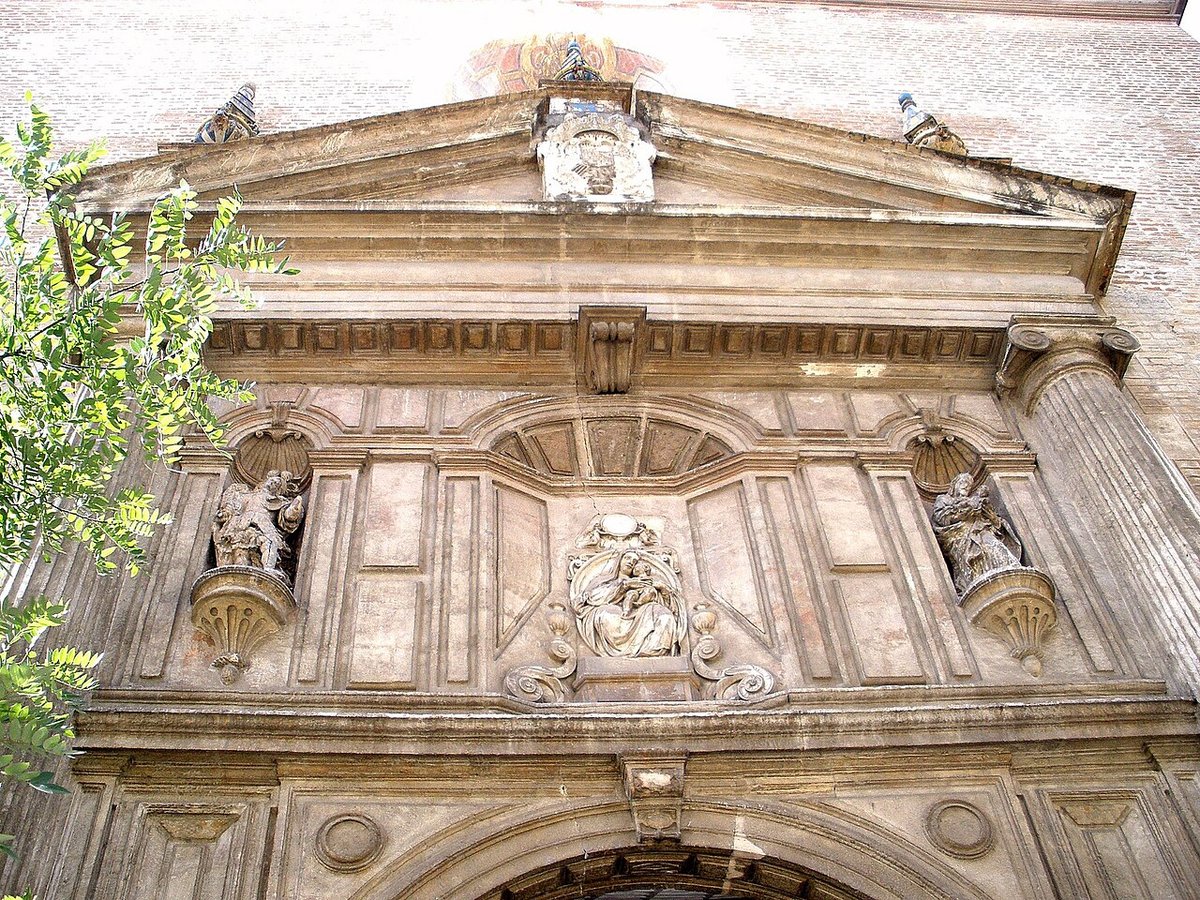
The most visible building is the church of San Roque. Constructed between the 16th and 17th centuries, it has a restrained exterior. The walls are of masonry and the tower carries a subtle Mudéjar feel, a reminder of the blend of Christian and Islamic artistic influences that shaped much of Andalusia after the Reconquista. Inside, the decoration is simple, without major artistic pieces. It is a parish church that serves its community rather than a monument designed to impress.
Open Views and Agricultural Traces
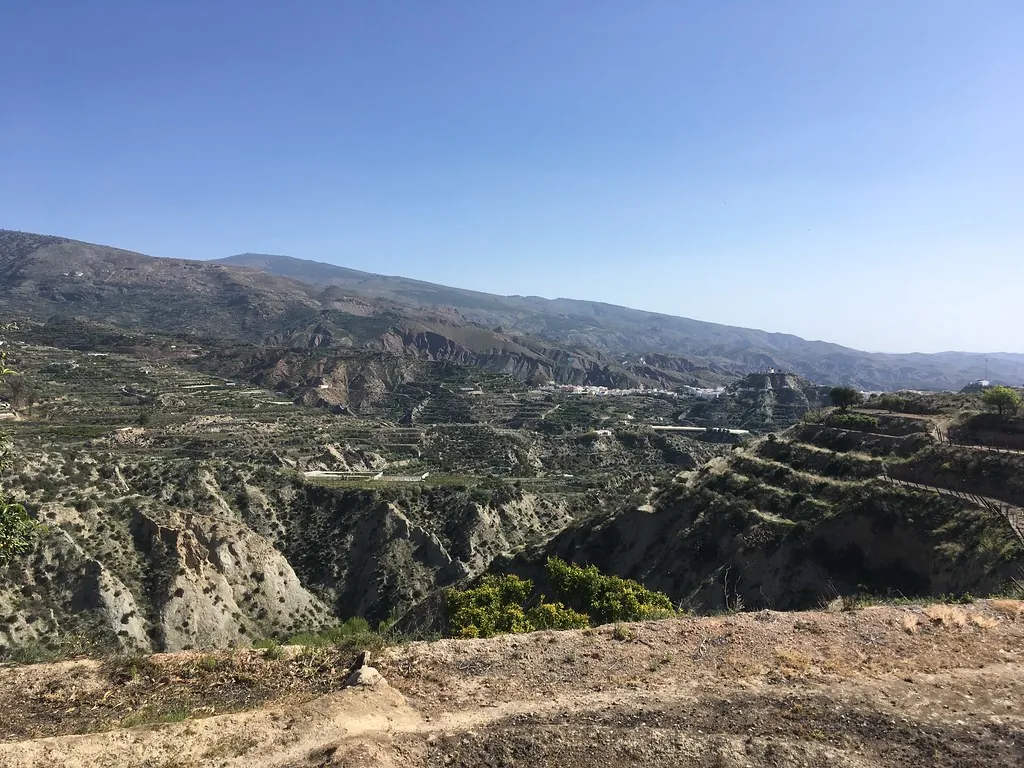
From various points in the village, the landscape opens out towards Sierra Nevada. In the opposite direction rise the sierras of Gádor and Alhamilla. There are no formal viewpoints with railings or information panels. To take in the view, it is enough to pause at any street that looks out over the valley.
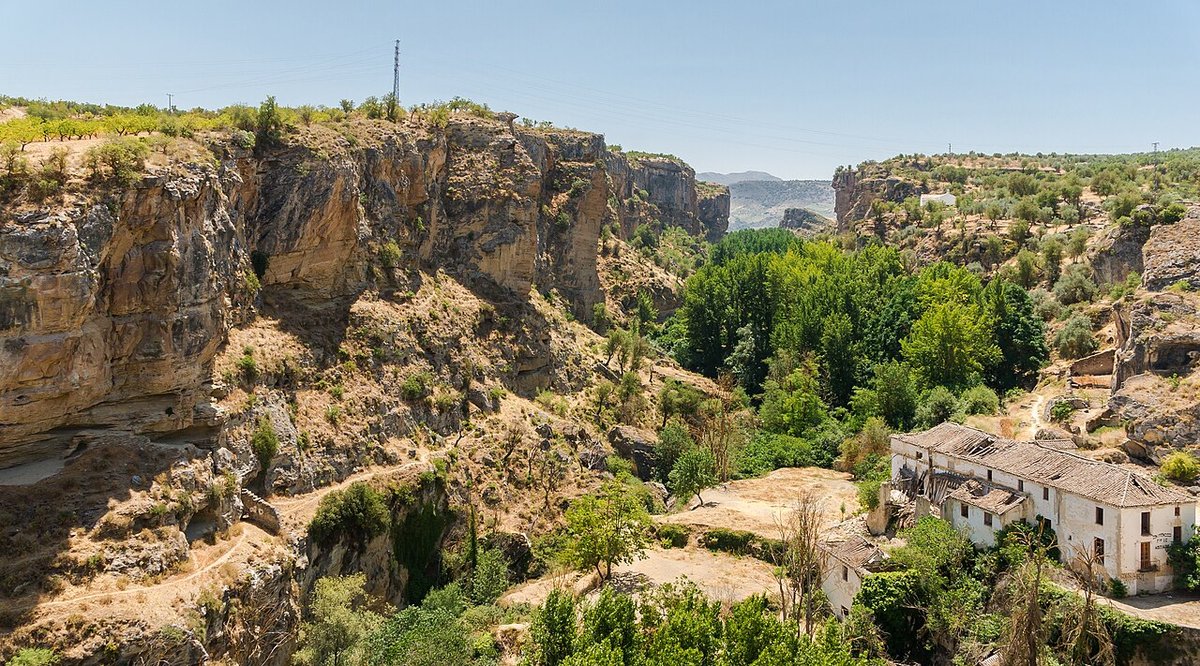
Around Beires lie numerous old terraces, known locally as bancales. Some are still cultivated with almond trees, olive trees or fig trees. Others are partly abandoned. From higher up in the village, the agricultural mosaic remains easy to read: stepped plots following the contours of the hills, shaped by generations who worked this land.
Irrigation channels, or acequias, are still visible, along with dry stone walls and the remains of agricultural buildings. Nothing is signposted or explained. Anyone interested in this landscape will need to walk and look carefully. The details are there, but they do not announce themselves.
The overall impression is of a rural system that has thinned out but not disappeared. A few plots are still productive. Others show the slow return of scrub and wild growth. The contrast between tended terraces and those left to time is part of what defines the surroundings of Beires.
Walking Beyond the Streets
Close to Beires runs the so-called Sendero de la Hidroeléctrica. This path descends through terraces and scrubland towards the ruins of an old power station. The route is uneven in places, with loose stones and unpaved sections. It is not suitable for delicate footwear.
Signage in the area is limited. The clearer paths can be followed without much difficulty, but straying from them makes it useful to carry a map or have a route downloaded on a mobile phone. This is countryside that has not been adapted for mass walking tourism. It retains a certain roughness.
The walk itself is less about reaching a single highlight and more about moving through the layered landscape: terraces above, channels cutting across slopes, and the remnants of small-scale infrastructure that once supported local industry. The ruins of the hydroelectric plant are a reminder that even small villages were once connected to broader efforts to harness natural resources.
Those who choose to spend more than an hour in Beires will likely do so outside the streets, exploring these surrounding paths. That is where the village’s relationship with its terrain becomes most apparent.
Food and Local Produce
The cooking in Beires follows long-established local traditions. Dishes are hearty and designed for rural life. Migas alpujarreñas, made from fried breadcrumbs and typically served with accompaniments, are a staple in the wider Alpujarra area. Choto al ajillo, kid goat cooked with garlic, is another classic. In winter, stews such as the olla de San Antón appear, substantial meals suited to colder months.
It is also common to find small-scale honey production, particularly rosemary or thyme honey. These products often come from family homes or small holdings within the comarca. They are part of an economy that remains closely tied to the land.
There is no elaborate culinary scene. The food reflects what has been cooked here for generations, shaped by available ingredients and seasonal rhythms.
Dark Skies and Local Festivities
At night, Beires becomes very dark. Street lighting is limited and there is little around the village in terms of larger settlements. Anyone interested in the night sky only needs to step a short distance beyond the built-up area to find clear views. The absence of strong artificial light is noticeable.
Local celebrations are simple and typical of a small village. Festivities usually revolve around San Roque in summer. In winter, San Antón is marked, and there are modest events during Semana Santa. In autumn, once the agricultural campaign has ended, a castañada is sometimes organised, centred on roasting chestnuts.
These are not large-scale productions with extensive programmes. They are community occasions, tied to the calendar and to local religious traditions.
Practical Notes for the Journey
From Almería, the usual route is along the A‑348 towards the Alpujarra, followed by secondary roads that lead to Beires. The final kilometres involve bends and a narrow carriageway.
The simplest advice is to arrive calmly, park at the entrance and explore on foot. In less than an hour, the main features of the village can be seen. Staying longer makes sense if the aim is to walk among the terraces and look closely at the surrounding landscape. That is where Beires reveals most about itself.