Full Article
about Bentarique
Small village in the Andarax valley; it keeps the charm of Andalusia’s white towns.
Ocultar artículo Leer artículo completo
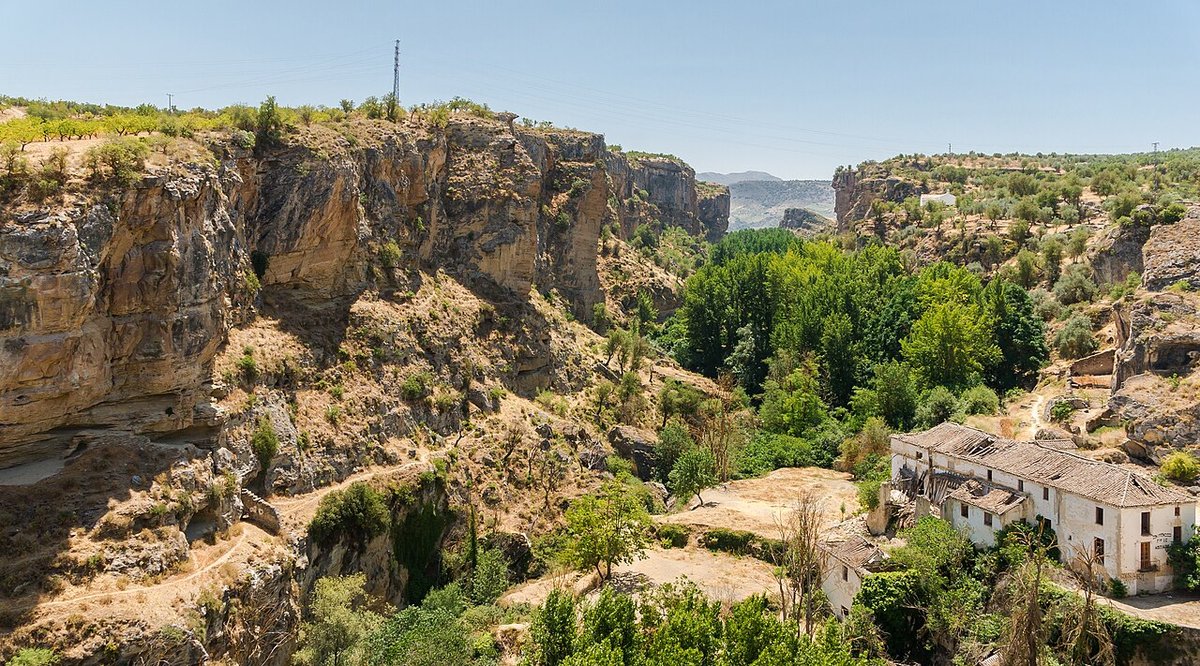
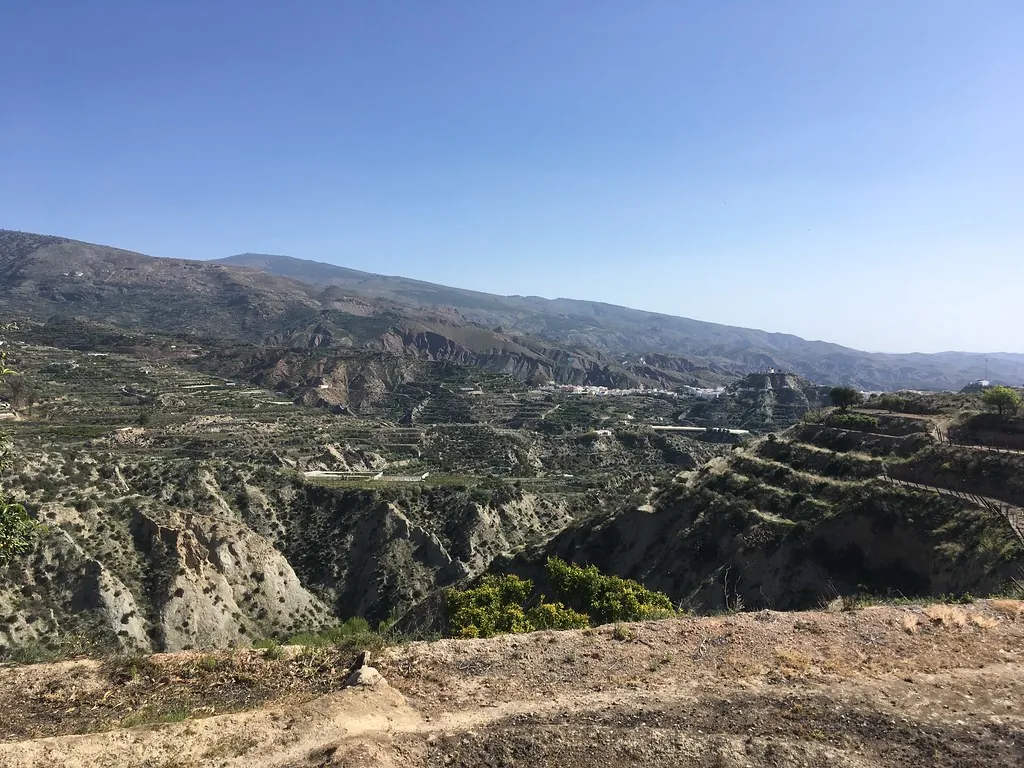
The morning mist clings to the almond terraces as a farmer starts his tractor at first light. From Bentarique's highest lane, you can watch the machine crawl between the white-blossomed trees like a toy, three hundred metres below. This is how days begin in one of Andalucía's least-known villages – not with tour buses or camera clicks, but with engines that haven't missed a harvest since the 1950s.
A village that never quite left the 20th century
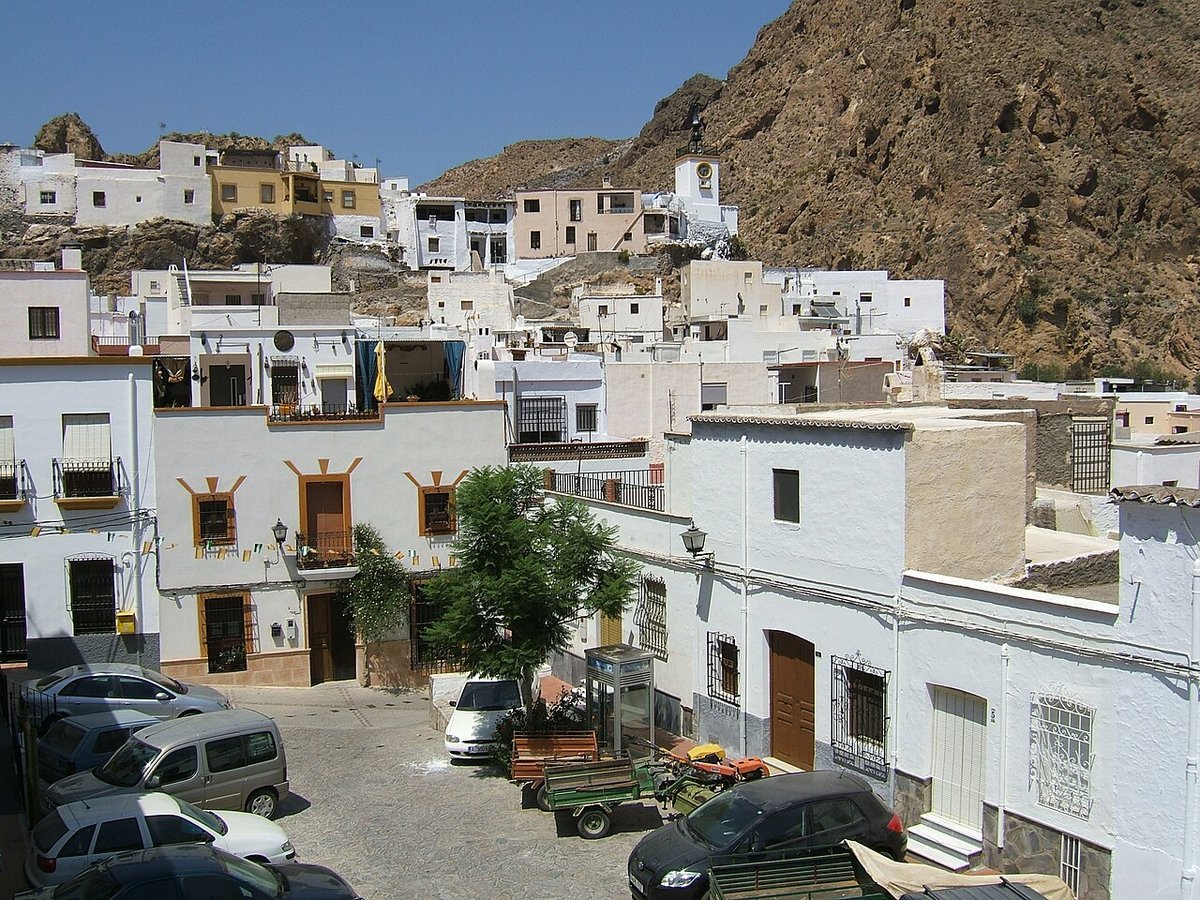
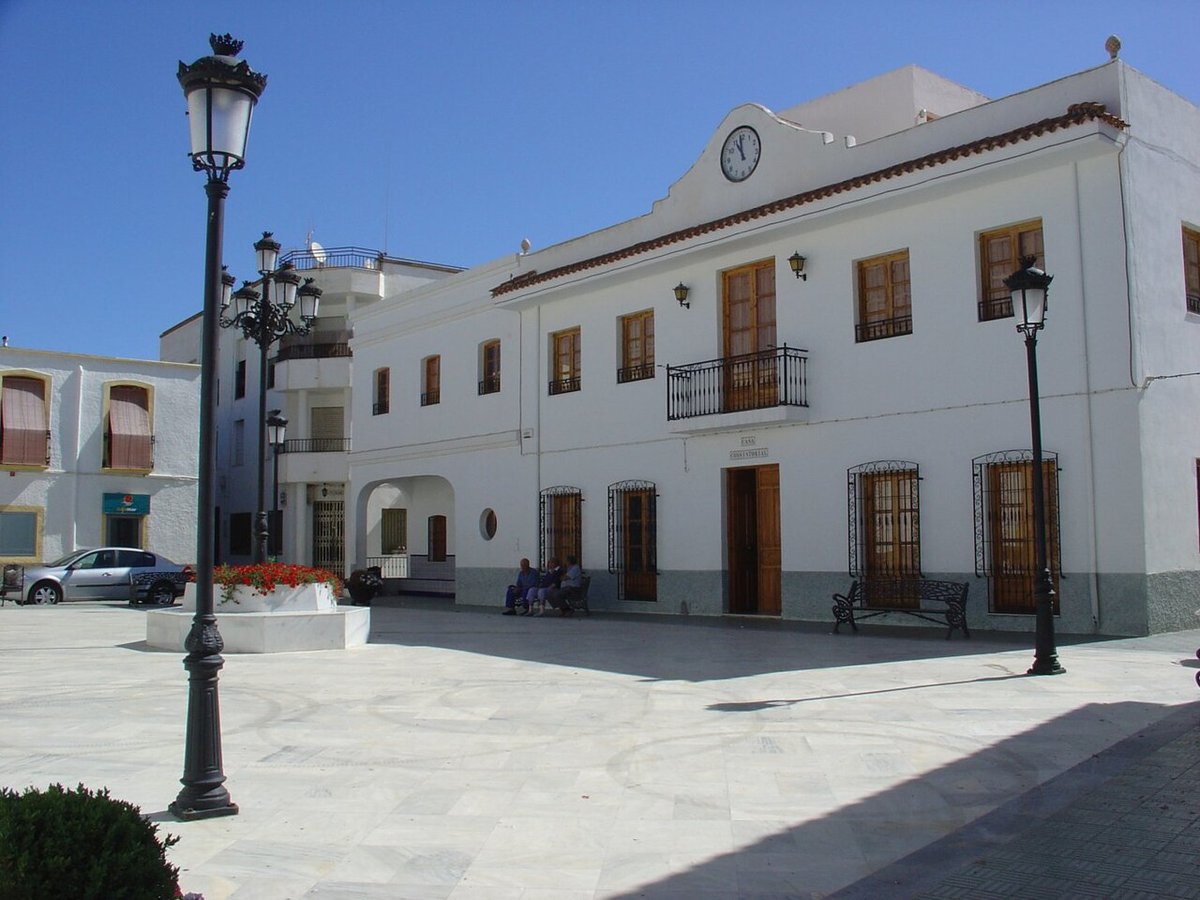
Bentarique sits at 324 m on the southern flank of Sierra Nevada, where the range dissolves into the fertile Andarax valley. Two hundred-odd residents remain, enough to fill the bar on Plaza de la Constitución but not enough to keep the village shop open all year. Houses stack up the slope in the classic Alpujarra style: flat roofs of grey launa clay, walls thick enough to swallow summer heat, and those cylindrical chimneys that look like miniature watchtowers. Passageways called tinaos still bridge the narrow lanes, giving shade in July and shelter in March when the Levante wind spits rain across the terraces.
Walk uphill for five minutes and the streets simply stop. Beyond the last cottage a dirt track continues, bordered by dry-stone walls and irrigation channels that the Moors laid out a thousand years ago. No ticket office, no interpretation board – just almonds, olives and the occasional plot of tomatoes staked against the breeze. The boundary between village and field is invisible, and that is rather the point.
What passes for sights – and why they matter
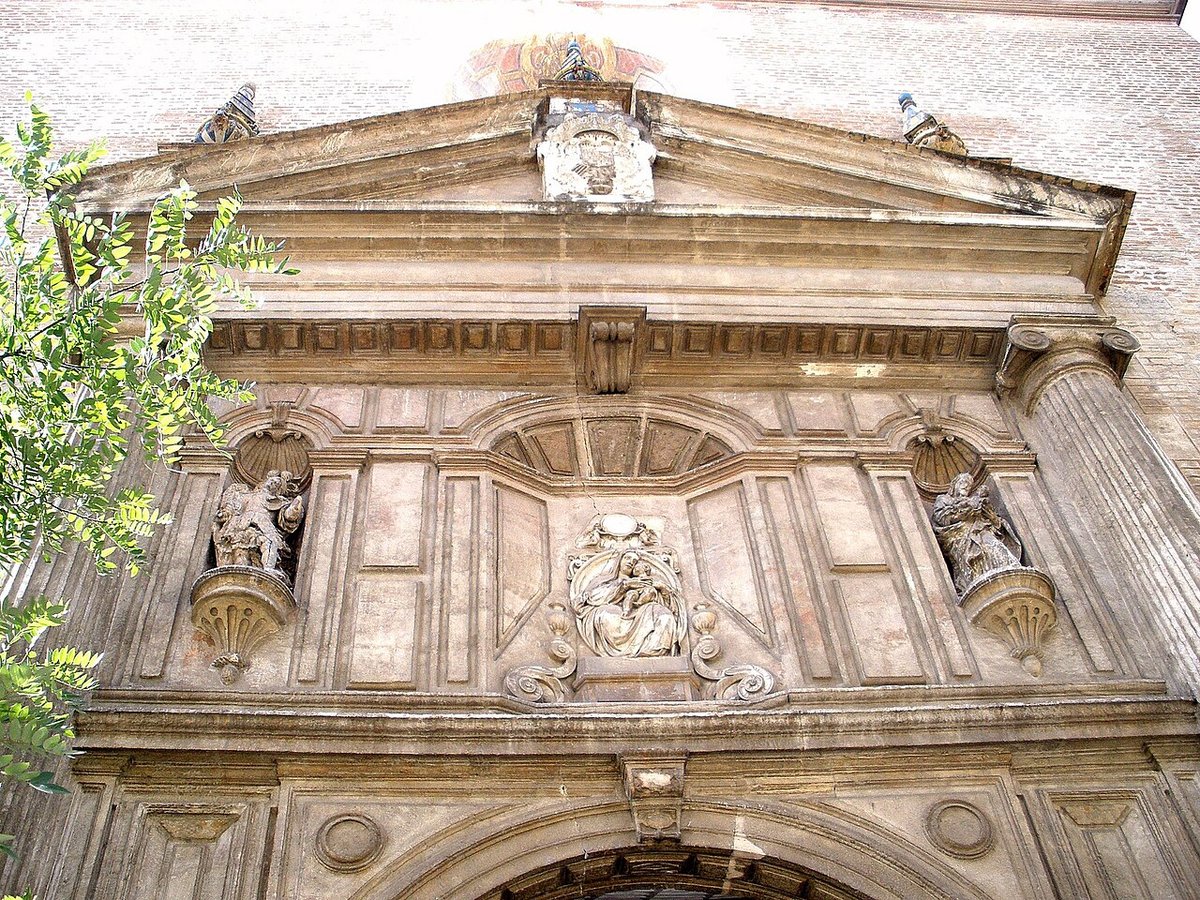
The 16th-century church of San José squats at the centre, built squarely over the footprint of the former mosque. Its single-aisle interior is plain to the point of austerity: no gilded retablo, only a modest baroque altar and the faint smell of candle wax mixed with stone. Step outside and the tower's brickwork betrays its mudéjar builders, each course slightly offset like a lazy staircase. Nothing here competes with the cathedrals of Granada or Seville, yet the building tells the familiar Spanish story of conquest and recycling in twenty quiet minutes.
Below the plaza, a lane tunnels under two tinaos and emerges beside the old laundry trough, fed by a spring that runs even in August. Local women rinsed clothes here until the 1970s; today it is a favourite spot for photographers who like their rusticity undiluted. Early evening light bounces off the white walls and turns the water the colour of pale sherry. Bring a wide-angle lens and patience – passing residents will want to know what you find so interesting about a sink.
Walking tracks that explain the landscape
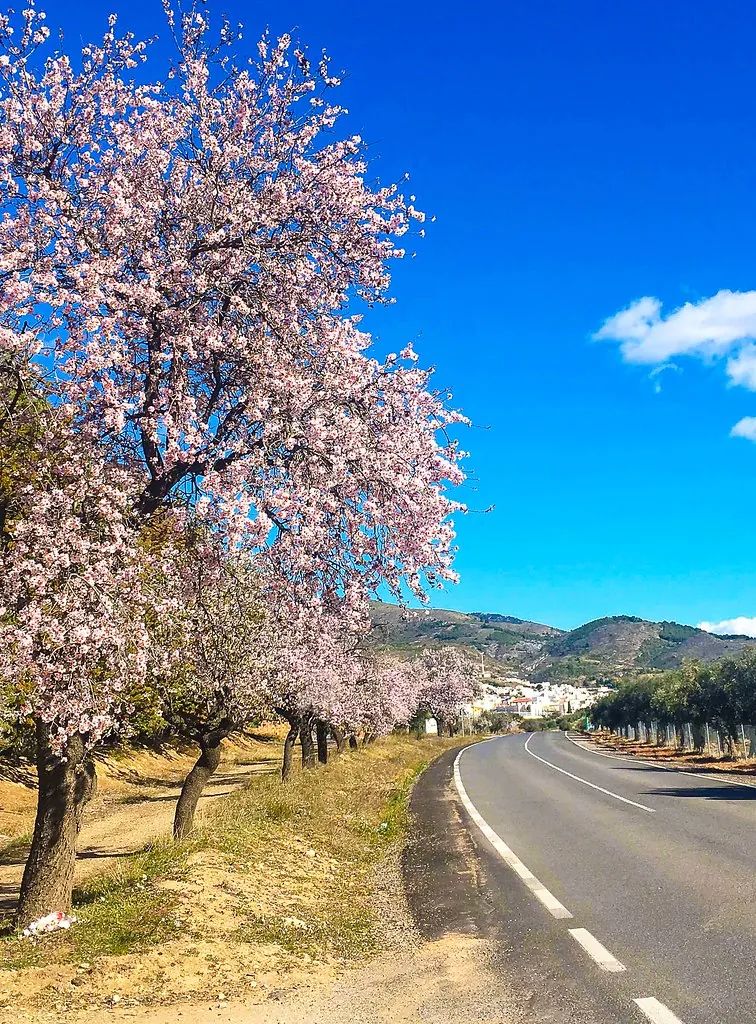
Bentarique works best as a staging post rather than a destination. A way-marked path heads east to Terque (4 km, 90 min), contouring around almond terraces and crossing the concrete irrigation road that doubles as a racetrack for agricultural quads. In February the blossom is so thick you walk through drifts of white petals; by late May the trees bear green almonds the size of grapes, tempting until you bite one and remember they contain cyanide.
Fit walkers can continue from Terque up to Fondón, gaining another 350 m of altitude and entering proper mountain country of Aleppo pines and abandoned cortijos. The full circuit back to Bentarique is 14 km and needs 4½ hours; carry more water than you think necessary because the only bar en route keeps erratic hours.
For something gentler, drop into the valley bottom and follow the acequia (irrigation channel) westwards. The path is barely two feet wide, with the water rushing along a hand's depth below the path. After 2 km you reach a pumping station and have to double back, but by then you've seen how every terrace is fed, measured and, in drought years, rationed.
Eating – and the lack of choice
There is one restaurant, Casa Paco, open weekends year-round and most evenings in July–August. The menu is printed on a single laminated sheet and hasn't changed since 2018. Order the cabrito en caldo – kid stewed with almonds and saffron – or the migas fried with peppers and liver if you want the full field-hand experience. Expect to pay €12–14 for a main, another €2 for a caña of Alhambra beer. Mid-week visitors should phone ahead; if the cook's tractor is still in the fields, the door stays locked.
The alternative is to self-cater from the weekly van that parks on the plaza every Thursday at 11 a.m. Inside you'll find decent jamón, local goat's cheese wrapped in chestnut leaves, and tomatoes that actually taste of tomatoes. Buy early – stock runs out by noon and the vendor heads downhill to Órgiva once the last lemon is sold.
When to come, and when to stay away
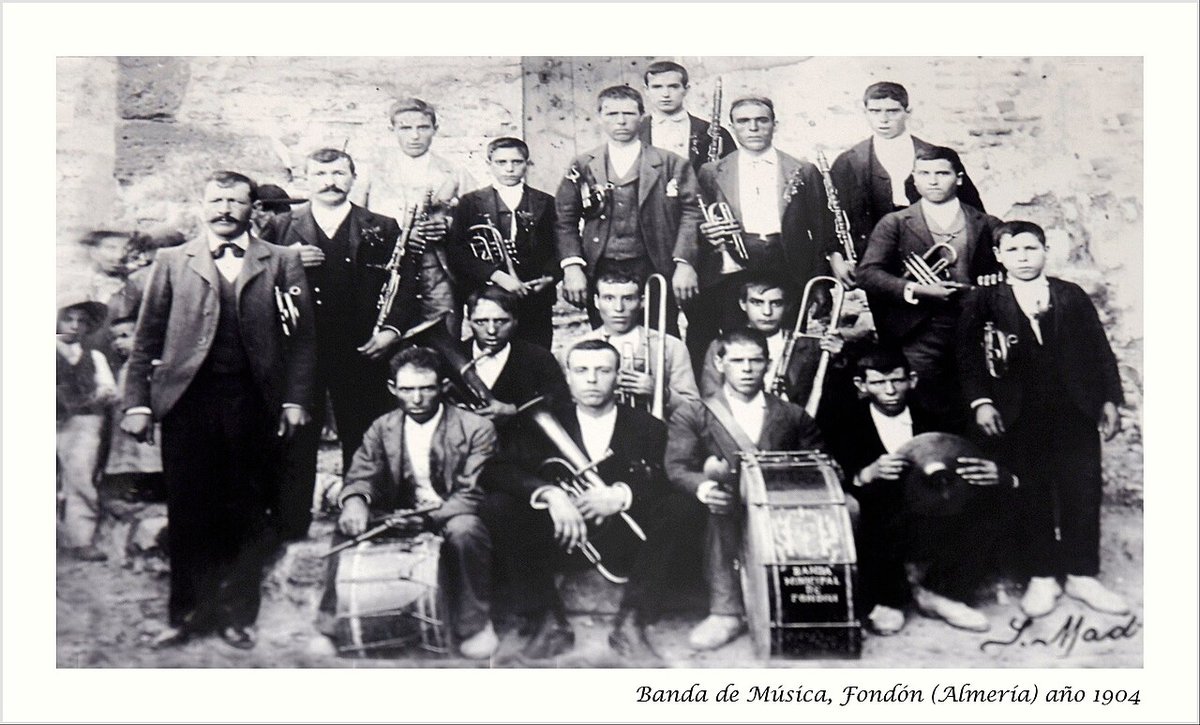
Late February to mid-March is prime time: midday temperatures hover round 17 °C, the almond blossom is at its peak and you can still park wherever you like. May brings wild fennel along the tracks and the fiesta de las cruces, when inhabitants cover makeshift crosses with paper flowers and parade them through the lanes to a soundtrack of brass bands and free-flowing mosto.
July and August are hot – properly hot. Daytime 38 °C is routine, the air is still by nine in the morning and even the geckos look irritable. Nights cool to 22 °C, so bring a light jacket for the terrace but don't expect air-conditioning; most rooms rely on thick walls and ceiling fans that clack like metronomes.
Winter is quiet, occasionally bleak. When the levante wind funnels up the valley, rain lashes the south-facing slopes and the dirt paths turn to chocolate mousse. On clear days you can see the snowline of Sierra Nevada just 25 km away, but the sun drops behind the ridge at 4 p.m. and the temperature follows fast.
Getting here without the drama
From Almería airport, take the A-348 towards Laujar de Andarax. After 42 km, turn left onto the AL-5405; Bentarique appears 6 km later, signed only with a small white tile. The road is smooth but narrow – if you meet a lorry carrying irrigation pipe, one of you has to reverse. Allow 55 minutes from the airport, longer if you stop to photograph the valley each time it bends.
There is no bus on Sundays. Weekdays, a single service leaves Almería at 14:15 and returns at 07:00 next morning, timed for agricultural workers rather than tourists. Car hire is effectively compulsory unless you fancy a 12 km walk from the nearest railhead at Guadix.
Accommodation is limited to three village houses rented out by their owners. Expect stone floors, wood-burning stoves and Wi-Fi that falters whenever the microwave is on. Prices sit around €70 a night for two, with a minimum stay of two nights in blossom season. Book by telephone – the mayor's wife handles reservations and likes to vet guests in rapid-fire Spanish. Mention you can drive; it helps.
A parting piece of honesty
Bentarique will not change your life. You will not tick off world-class art, nor boast about secret coves when you get home. What you get is a slice of rural Andalucía that still runs on neighbourly greetings, irrigation timetables and the certainty that, come late August, every almond will be gathered in. If that sounds like enough, come before the rest of Britain realises the blossom season beats Japan's sakura – and costs roughly the price of a Manchester return ticket.