Full Article
about Canjáyar
Heart of the Alpujarra Almeriense; long-time grower of table grapes and wine
Ocultar artículo Leer artículo completo
At 06:45 the bakery on Calle Real is already three-deep in farm boots. A woman in a plastic apron hands over warm half-moon rolls, the till drawer snaps shut, and the working day in Canjayar begins with the smell of crust and strong coffee. No-one is taking photos; they are buying breakfast before the sun climbs the 618-metre shelf on which the village sits and the thermometer starts its springtime sprint towards 30°C.
Between Desert and Snow
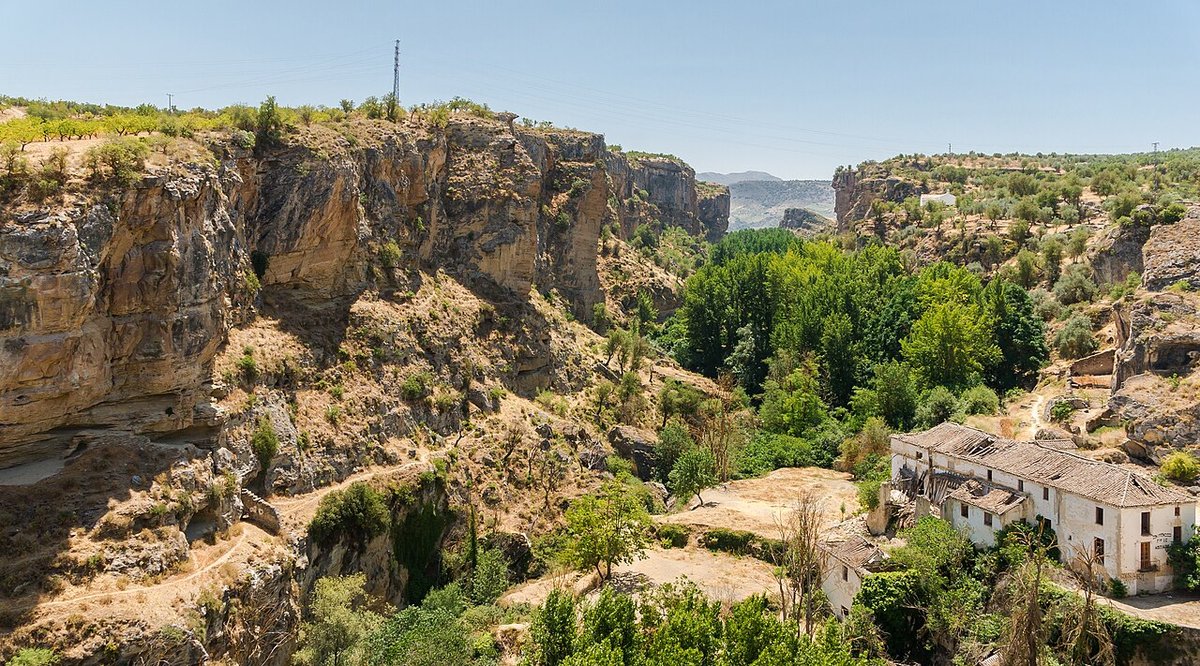
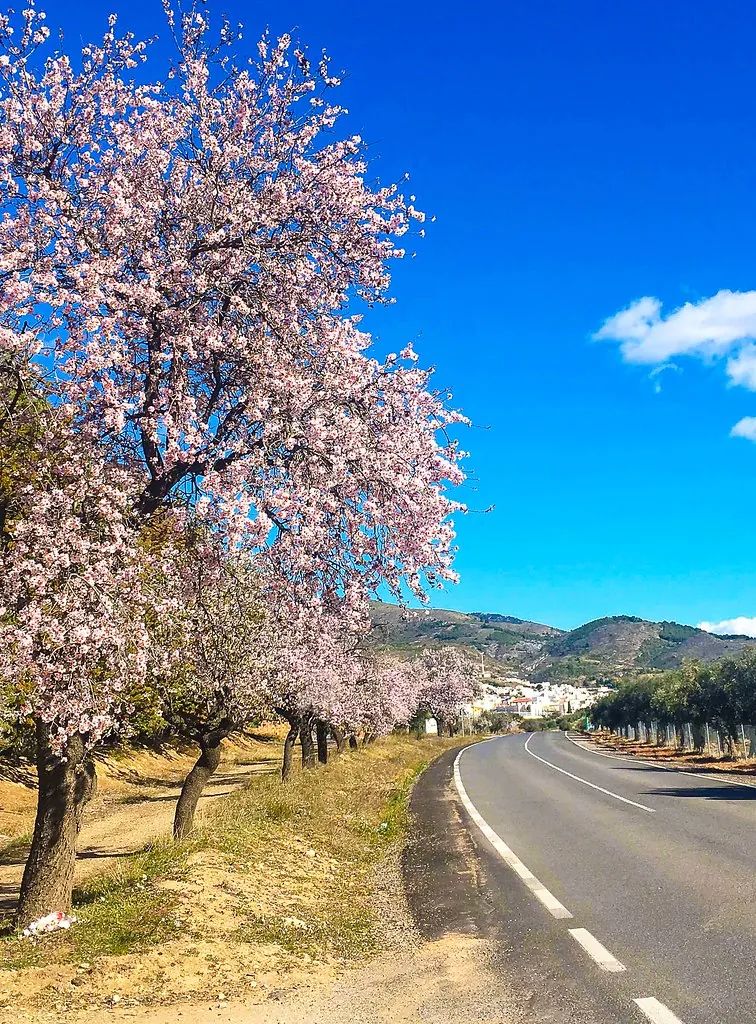
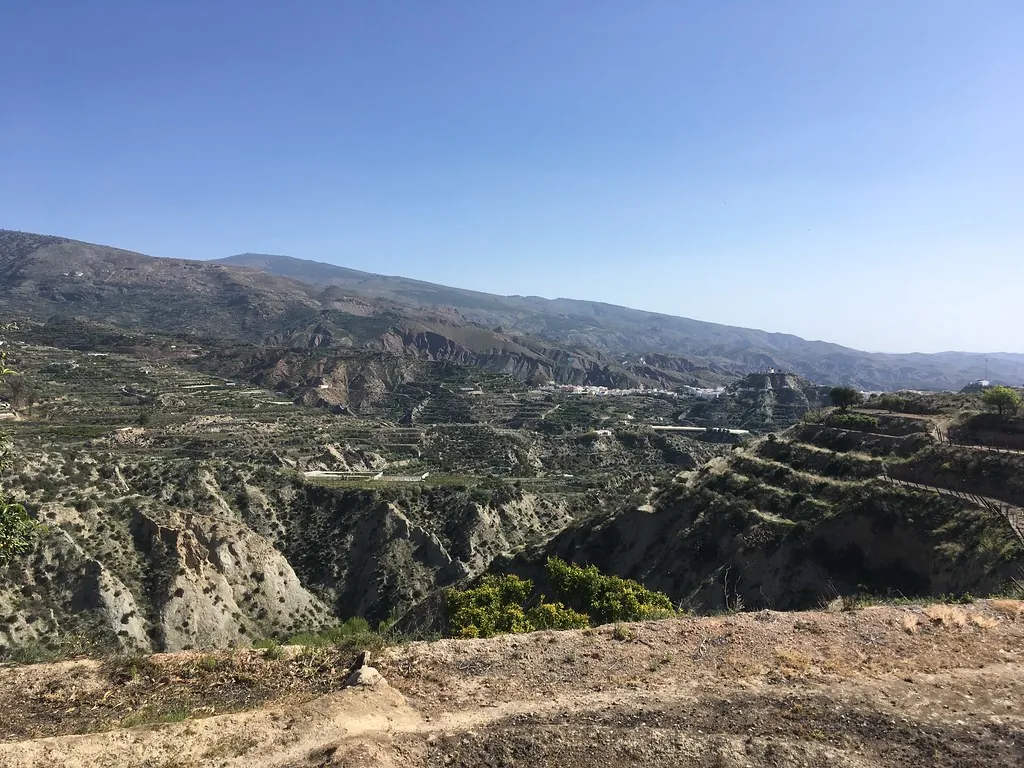
The village lies where the Sierra Nevada stops flexing its muscles and lets the Mediterranean exhale. Drive north-east for an hour and you are on Almería’s coastal flats, half-way to the plastic-greenhouse sea that supplies UK supermarkets with winter tomatoes. Head south-west for forty minutes and the tarmac rises to Trevélez, the highest village in Spain, where hams hang in roofs that see snow until April. Canjayar itself occupies a gentler fold of the Andarax valley: olive and almond terraces stitched together by irrigation ditches first laid out in Moorish times. The view from the upper streets is not dramatic; it is practical—an agricultural basin that still pays its way.
That practicality shapes the rhythm. Tractors rumble through the centre at walking pace; elderly men in flat caps measure out the morning with small glasses of brandy; shops shut from 14:00 to 17:00 because no-one expects you to browse while the sun is brutal. August fiestas apart, the village never feels crowded, partly because coach parties turn left at Órgiva for the prettier, deeper villages of La Alpujarra Granadina. Canjayar is the place you stop when you need cash, a pharmacy and a loaf before pushing on.
What You Actually See
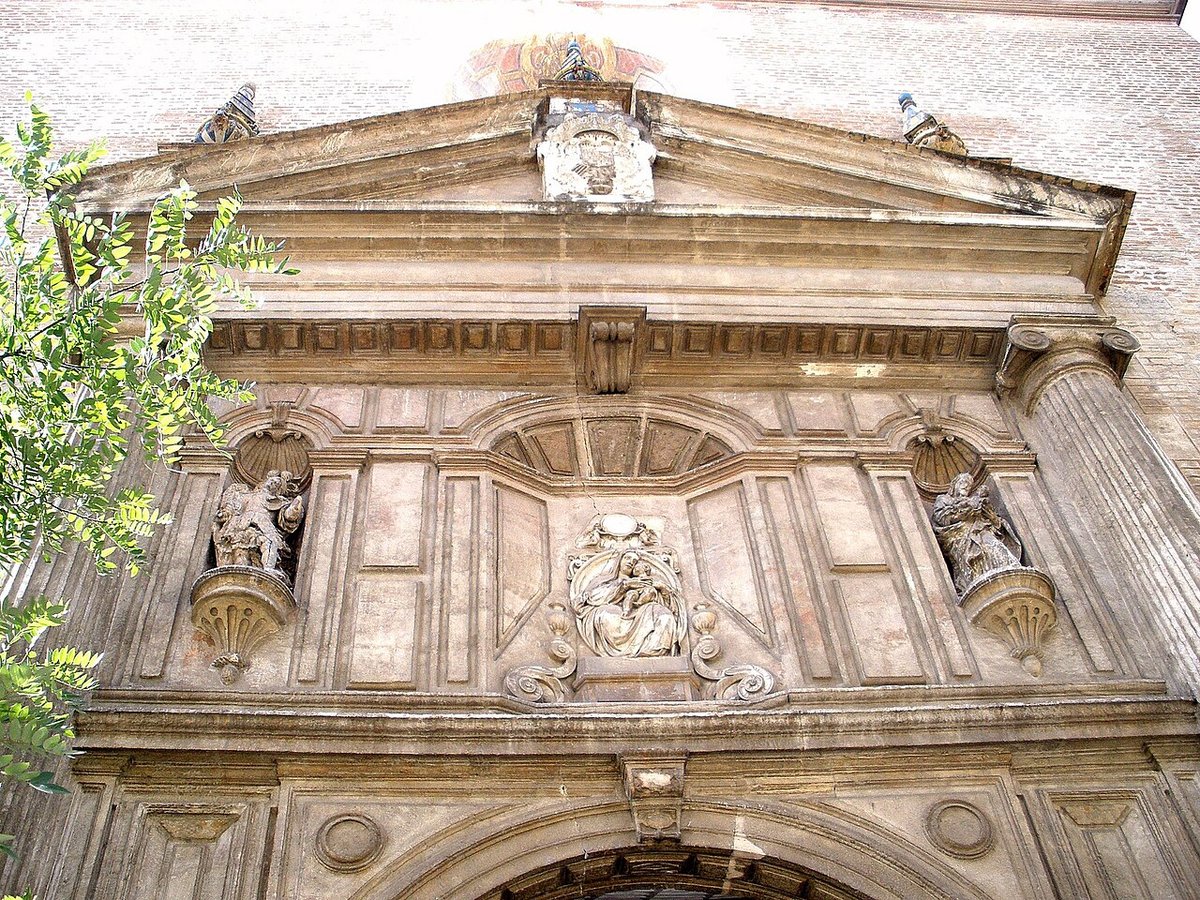
The sixteenth-century Iglesia de la Encarnación squats on the main square like a stout referee, its plain stone belfry keeping watch over the betting-shop crowd inside Bar Central. The building went up on the foundations of a mosque, but only the floor plan hints at earlier faiths; the interior is pure Counter-Reformation—gilded wood, a virgin in a frock of brocade, and the faint tang of incense that says Semana Santa is only ever three months away.
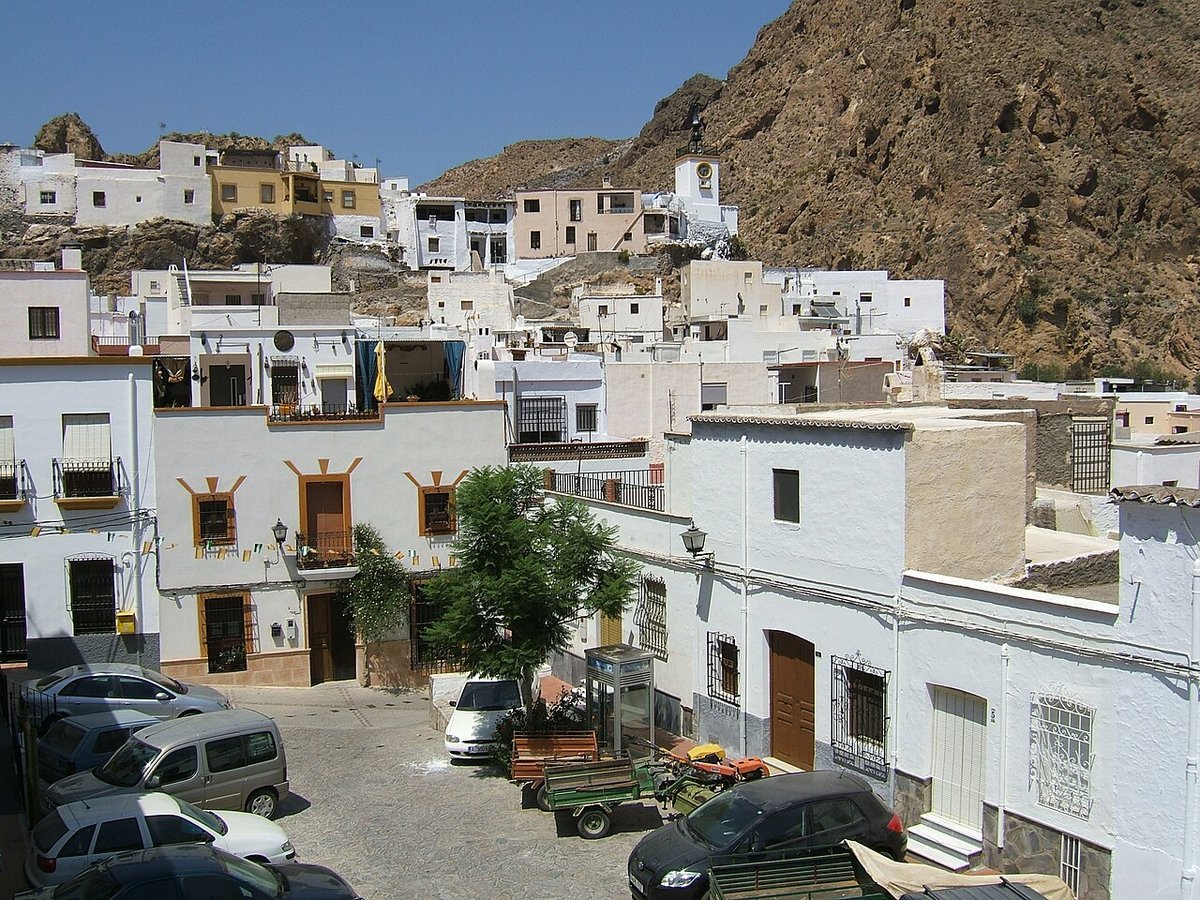
Behind the church a lattice of wider-than-expected streets follows the old irrigation lines. Houses are whitewashed, yes, but not sugar-cube perfect: satellite dishes sprout like grey mushrooms, green paint peels from a second-floor balcony, someone’s dog barks from a roof terrace. The tinaos—covered passageways that throw shade across the lanes—are intact enough to keep photographers happy, yet too ordinary for postcards. Halfway down Calle San Sebastián the restored public wash-house still smells of damp stone; inside, a printed sign explains how women queued to rinse sheets on Monday mornings until the 1970s. No ticket desk, no audio guide, just a cold echo and a reminder that running water arrived late here.
If you want the obligatory panorama, walk five minutes up the cement track signed “Ermita Vieja”. The chapel itself is locked, but the saddle behind it delivers the valley in Cinemascope: green stripes of citrus, the silver thread of the Andarax, and beyond it the badlands where spaghetti westerns were shot when dollars were scarce and desert cheap.
Eating Without the Show
Canjayar does not do haute tapas. What it does is fill you up for €9 before you drive into the hills. At Bar La Alpujarra the chalkboard lists migas del pastor—fried breadcrumbs laced with garlic, pepper and bits of pancetta. The serving is vast; ask for a media ración unless you have ploughed a field first. Choto al ajillo (kid stewed in smoky paprika and half a head of garlic) tastes like a milder lamb casserole and arrives with a dented tin of cutlery so you can gnaw bones politely. Vegetarians get a plate of berenjenas con miel—deep-fried aubergine sticks drizzled with cane honey that set like toffee on contact with cold beer.
Pudding is usually bought across the square at Pastelería Canjayar. Try the rosquetes de vino, brittle anise-scented biscuits that snap rather than crumble, or the local merengues the size of a fist and light enough to blow off the table in a strong breeze. If you are self-catering, pick up a bottle of extra-virgin oil from the Almazara cooperative on the road out; it costs €6 and tastes of green almonds.
Evening options are limited. Most kitchens close at 21:00; after that you will drink with the same men who were in the bakery at dawn, now arguing over football instead of fertilizer prices.
Moving Your Legs (and Car)
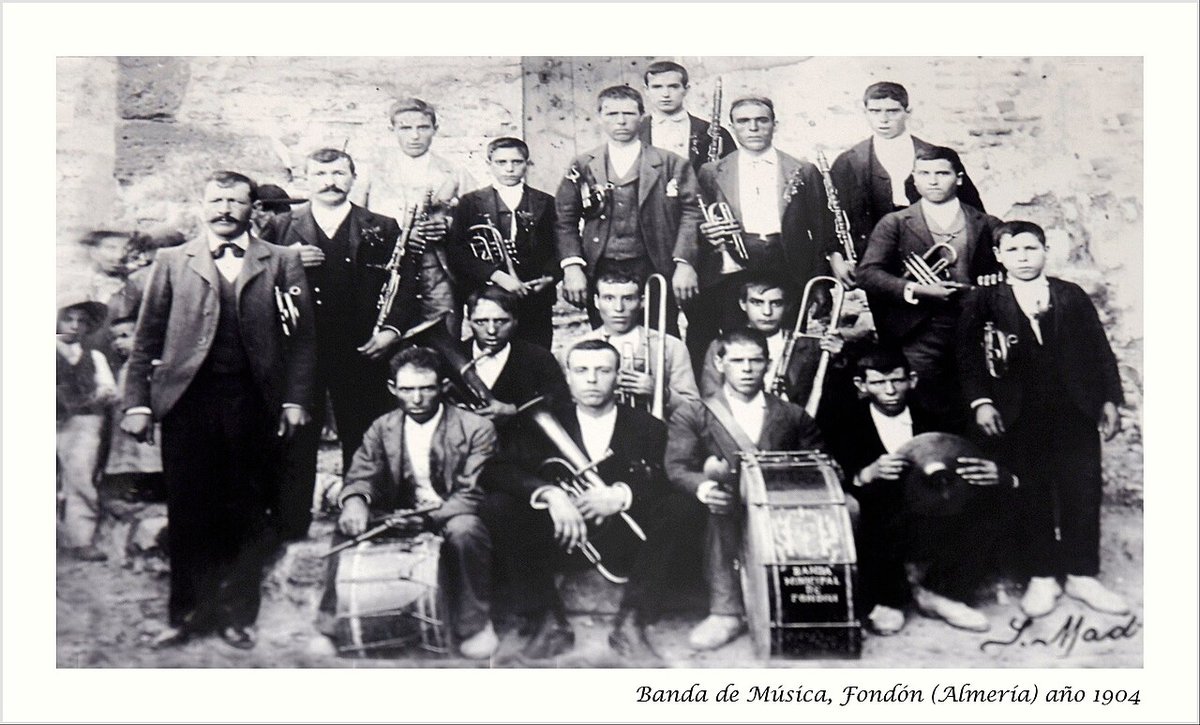
Spring and autumn mornings are the window for walking. A way-marked path heads north to Fondón (7 km, two hours) through terraces of old vines and new drip-irrigated oranges. The route is easy—200 m of ascent—but carry water; shade is whichever side of the valley the sun hasn’t reached yet. For something steeper, drive 15 minutes to the village of Alhama and pick up the Ruta de los Molinos, a five-kilometre loop past ruined watermills that once ground chestnuts.
In summer the sensible activity is to start at 07:00, finish by 11:00 and spend the middle of the day reading in the municipal pool (€2, open June–September, ring the bell if the attendant is asleep). Winter brings sharp, sunny days—T-shirt weather at midday, jumper weather after 16:00—and the knowledge that you can ski at Sol y Nieve above Granada in the morning and be back for an outdoor beer by 15:00, though that involves 200 km of mountain road and a certain amount of bravado.
When the Village Lets Its Hair Down
Fiestas are loud, family-based and impossible to ignore. From 6–10 August the Virgen de la Encarnación is carried through streets carpeted with coloured sawdust while brass bands compete for decibel supremacy. A fairground occupies the football pitch, teenage Brits-of-Almería province return to show off new tattoos, and every household seems to host an open-door party. Accommodation sells out in July; book or stay elsewhere and bus in.
January’s San Antón is smaller but photogenic: bonfires in the plaza, free plates of stew for anyone holding a glass, and dogs, horses and the occasional tractor blessed with holy water flicked from a bundle of rosemary. Semana Santa is serious: four processions, no microphones, and costaleros who rest every fifty metres because the streets tilt at 12 per cent. Visitors are welcome if they dress modestly and keep quiet when the drums stop.
Getting There, Getting Fed Up
Almería airport receives direct flights from London-Stansted and Manchester three times a week in summer, daily if you change in Madrid. Hire a car: the A-348 winds 50 km uphill through olive plantations and truck traffic that hugs the bends. Allow an hour and keep an eye out for the Guardia Civil speed trap just before the village sign. Without wheels, five daily buses leave Almería’s Estación Intermodal at civilised times; the journey is 75 minutes and costs €5.30, but the last return departs at 18:00, so day-trippers need to set an alarm.
Parking is the single biggest irritation. The centre is a grid designed for donkeys, not Discoveries. Locals abandon vehicles outside the chemist with the hazards on; visitors should leave the car on Avenida de la Estación and walk in. Everything you need—cash machine, small supermarket, bakery—is within four minutes of the square.
Accommodation is limited to four guesthouses and a handful of rural cottages on the outskirts. Rooms are clean, tiled and about €55 a night including toast-and-coffee breakfast. Do not expect minibars or room service; do expect the church bells to chime the quarters until midnight and the first delivery lorry to reverse under your window at 07:00.
Worth It?
Canjayar will not change your life. It will, however, give you an unfiltered shot of rural Andalucía before the region becomes a theme park of itself. Come for one night on the way to somewhere higher, buy bread that was kneaded while it was still dark, walk an irrigation path that has functioned for a thousand years, and leave with oil on your shoes and garlic on your breath. That is probably enough.