Full Article
about Fondón
Heart of the Alpujarra almeriense; historic town with stately homes and a privileged natural setting
Hide article Read full article
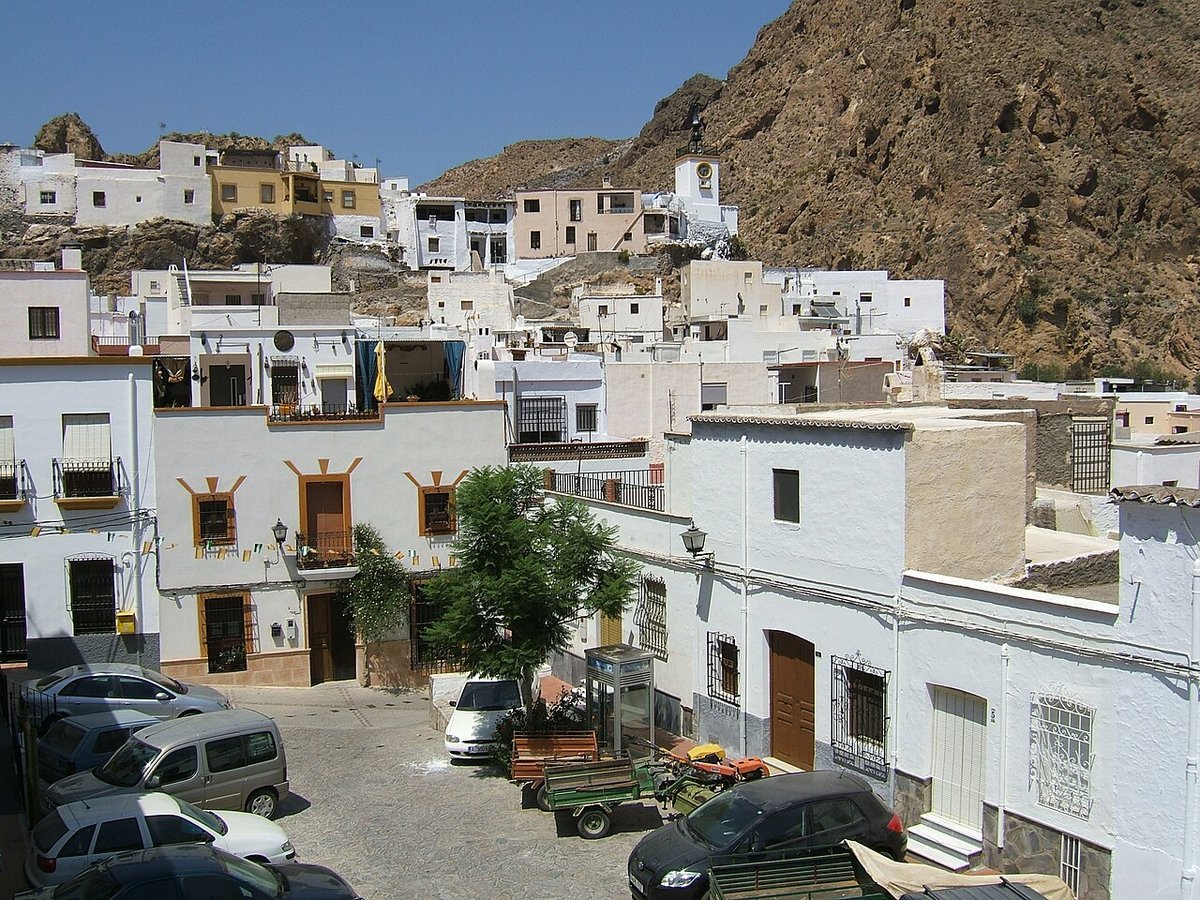
Some places slow you down as soon as you arrive. Fondón does exactly that. The road through the Andarax valley brings you in with views of white houses clinging to the hillside, and the rhythm of the day becomes clear straight away: walk slowly, look around, and accept that nothing here happens in a hurry.
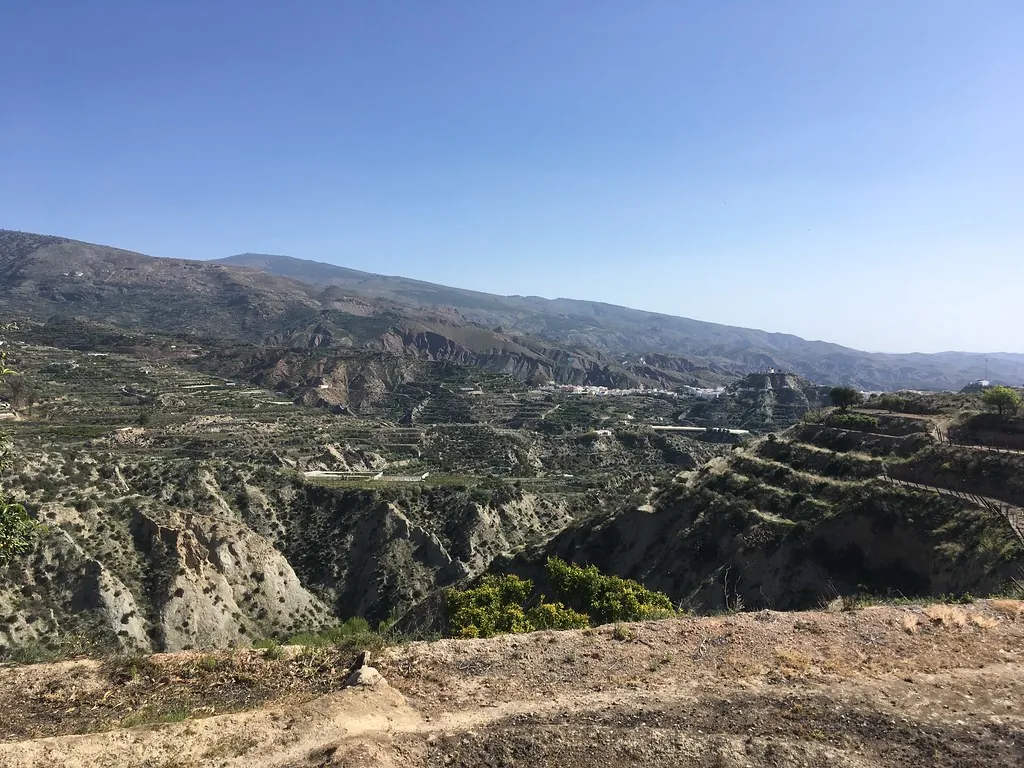
Tourism in Fondón does not revolve around major monuments or a long checklist of sights. The village has just over a thousand residents, and daily life still stays close to the land. What matters here is understanding how people have lived between the mountains and the terraced fields.
The streets rise and fall without much apparent logic. Whitewashed houses, thick walls, flat roofs and those conical chimneys typical of the Alpujarra define the look of the place. At times it feels as though the village has grown bit by bit, as needed, much like a family home that gains new rooms over the years.
Wandering the old streets
The best way to begin is simple: leave the car behind and start walking.
The old quarter is not large, yet its layout encourages you to drift without a fixed plan. Narrow streets twist and shift in level, occasionally opening into small squares where the space briefly widens. Look up and you will almost always spot the church tower, which acts as a useful point of reference.
Beyond the cluster of houses, small plots of cultivated land continue to appear. These are not decorative. Many are still worked, tying the village closely to its agricultural roots.
The church and traces of the Moorish past
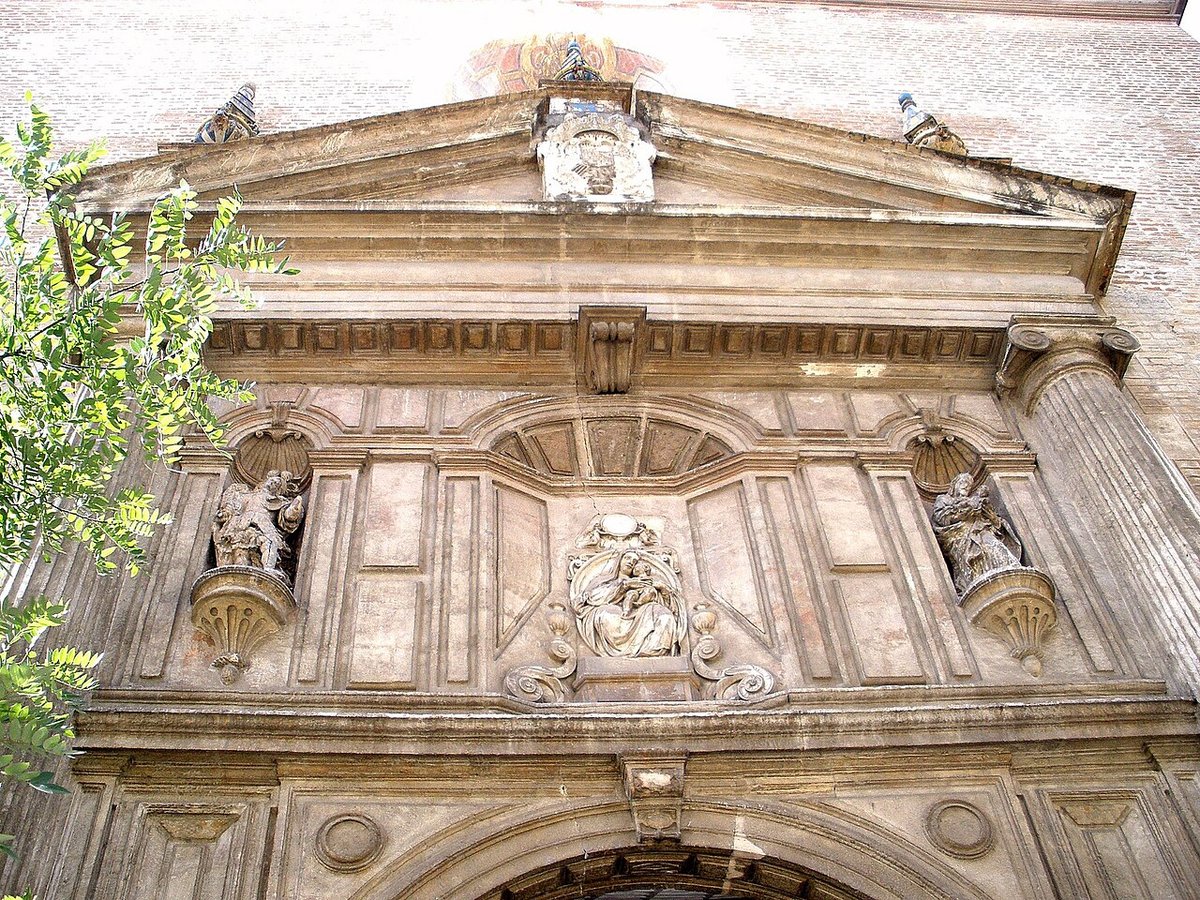
The Iglesia de San Andrés is the building that stands out most clearly. It was built in the 16th century on the site of an earlier mosque, something that became common in this part of the Alpujarra after the Christian conquest.
Its tower is visible from many points across the village. Lose your bearings among the streets and it will guide you back.
On a small nearby rise, there are remains of a fortification from the Andalusí period, the era of Muslim rule in parts of Spain. Do not expect a complete castle or imposing walls. What survives amounts to fragments of stonework and little more. Even so, the short walk up is worthwhile for the views across the valley and towards the Sierra de Gádor.
Acequias and terraces: shaping the land
Step just outside the centre and one of the most interesting features of the area begins to appear: the traditional acequias.
These irrigation channels carry water down from the mountains, distributing it across small खेत and plots. In some places they run almost hidden beside paths. In others, they cross over small stone structures that help control the flow.
This system has been in use for centuries. It has allowed cultivation to continue on land that at first glance seems too dry and too steep.
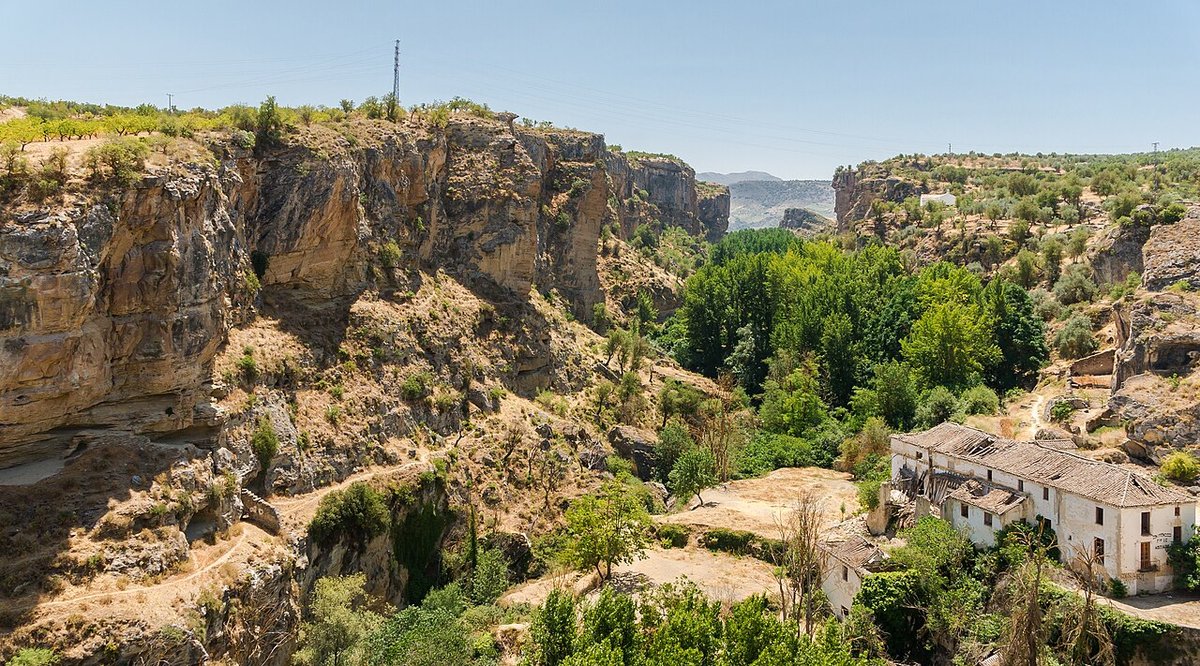
The terraces around Fondón tell a similar story. Stone platforms carved into the hillside create usable ground where there would otherwise be none. Seen from a distance, they reveal the scale of the effort that has gone into shaping this landscape.
Walking beyond the village
The surroundings invite you to keep moving on foot. Agricultural tracks and footpaths connect Fondón with other settlements in the Alpujarra of Almería.
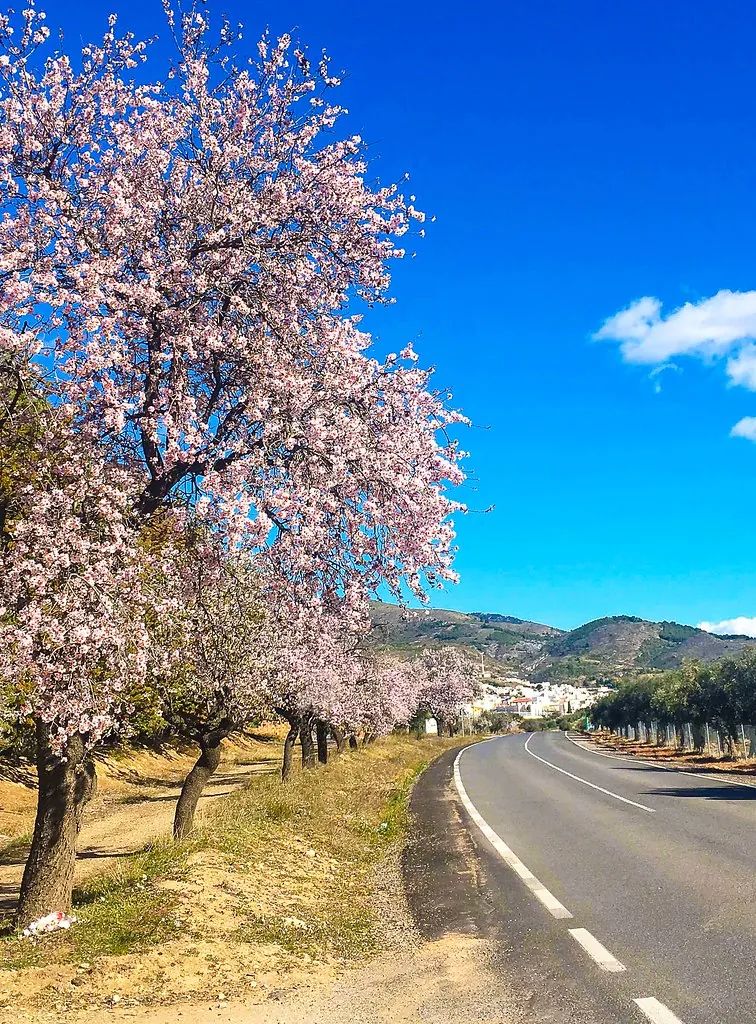
There is no need to plan a long route. A short walk along one of the paths that pass between vegetable plots and almond trees is often enough. Within minutes, the village drops behind and the valley begins to open out.
Cycling is also an option, though the terrain sets the tone. Slopes tend to be short but steep, and many stretches are stony. A relaxed pace makes the experience far more enjoyable.
Food and drink rooted in tradition
Local cooking remains closely tied to what the land provides. Many households still prepare simple stews based on vegetables from nearby plots and dried pulses.
Cured meats produced in the area are easy to come across, along with wines made in a largely traditional way. Viticulture has played an important role in the Andarax valley for generations, and that continues to shape what you find today.
At certain times of year, honey from nearby hives appears, along with almonds from the trees that surround the village.
Celebrations that belong to the community
Fondón’s calendar of festivities stays closely linked to local life.
The feast of San Andrés, the patron saint of the municipality, brings together a large part of the village through religious events and gatherings in the streets. There is also a summer fair, when many residents who live elsewhere return.
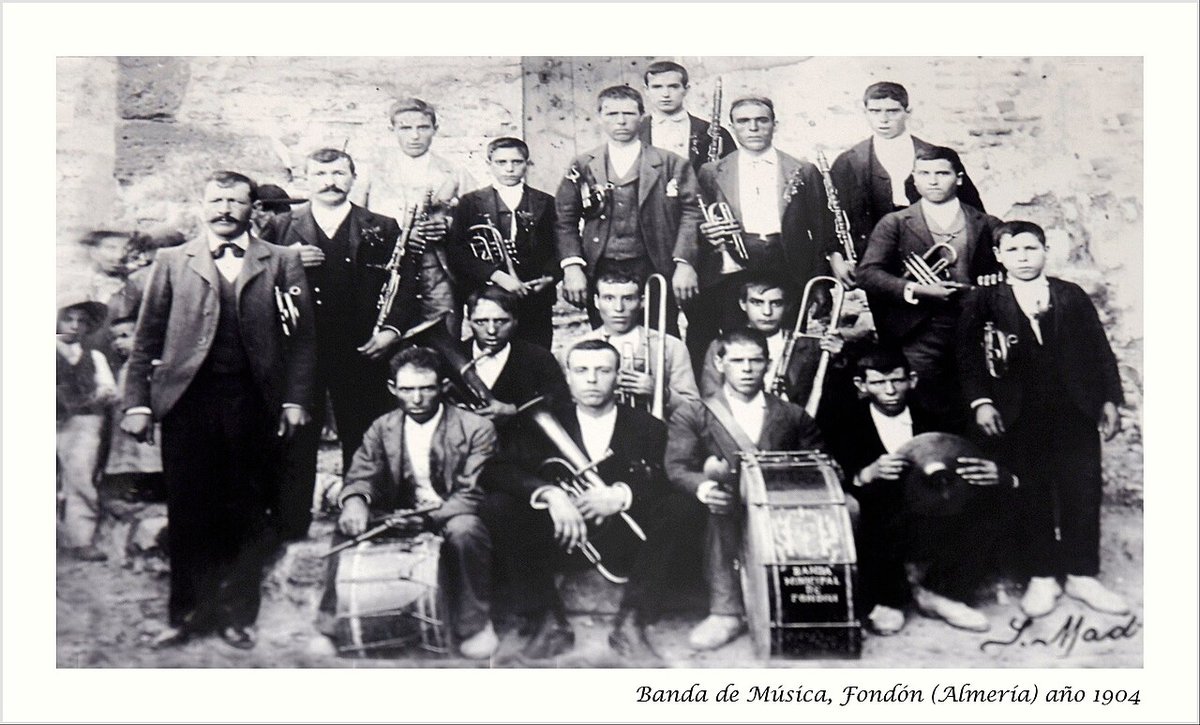
When the grape harvest arrives, wine once again takes centre stage. It is one of those moments that makes it clear that tradition here is not staged for visitors. It is simply how things have been done over generations.
Fondón does not rely on big attractions. It is the sort of place you might reach out of curiosity and then linger longer than planned, walking unhurriedly through white streets and watching how the valley stretches towards the mountains. Sometimes that is all that is needed.