Full Article
about Huécija
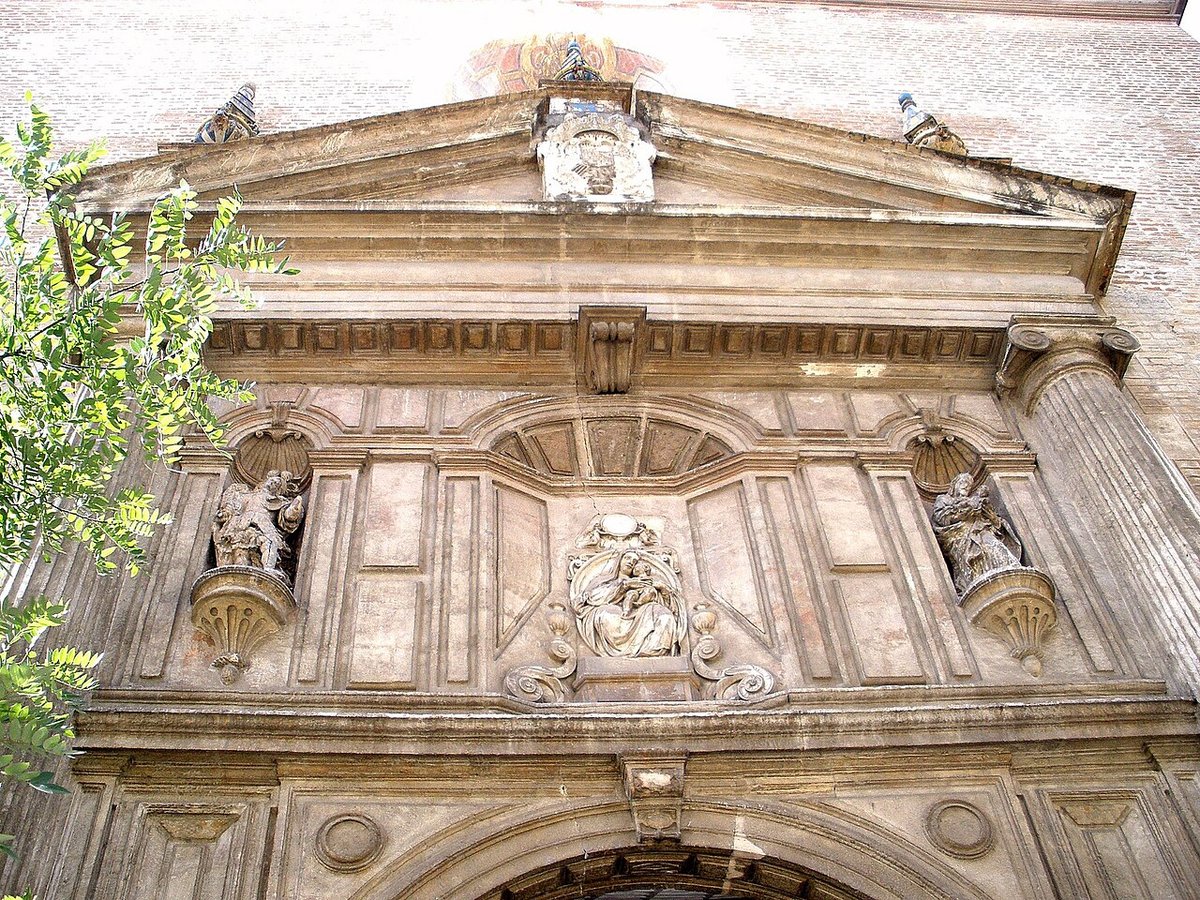
Known as the town of convents; it preserves a significant Baroque religious heritage.
Hide article Read full article
Between Sierra Nevada and the Mediterranean
On the southern side of the Alpujarra of Almería, in the valley of the Andarax River, sits Huecija. It is a small municipality with just over five hundred inhabitants, part of a strip of villages that look towards Sierra Nevada while already feeling the pull of the Mediterranean. This in-between setting shapes both the landscape and daily life.
For centuries, dry farming has defined the area. Almond trees and olive groves dominate, with a few irrigated plots where water allows. The result is a terrain that feels worked rather than ornamental, shaped by necessity and long familiarity with the land.
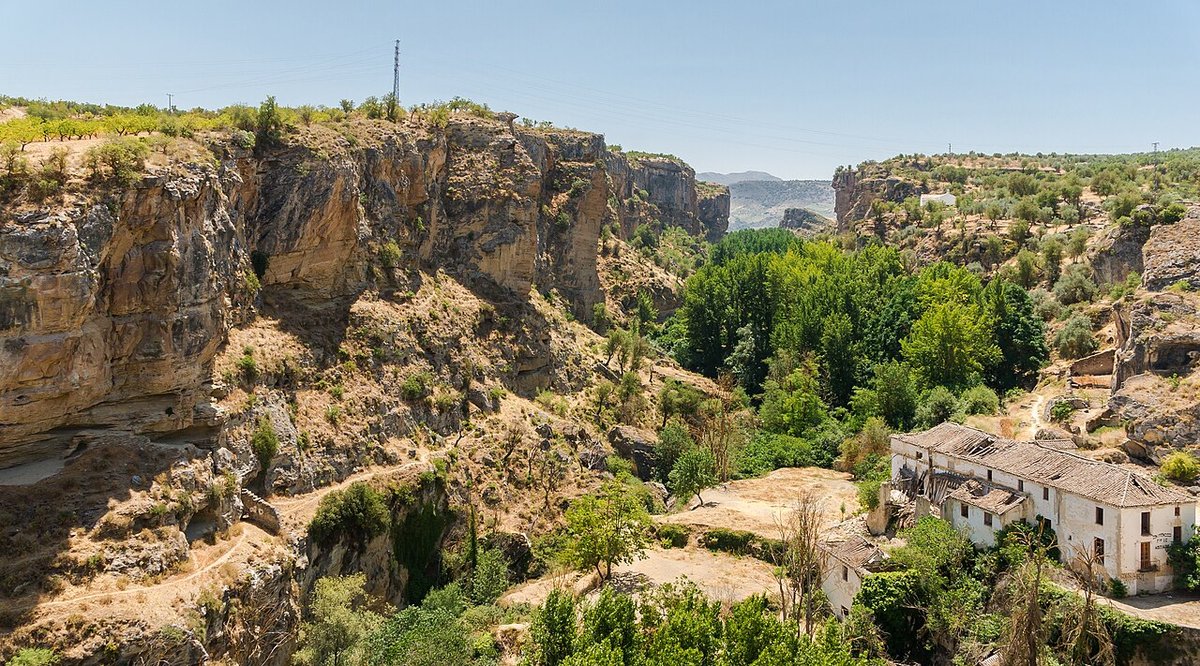
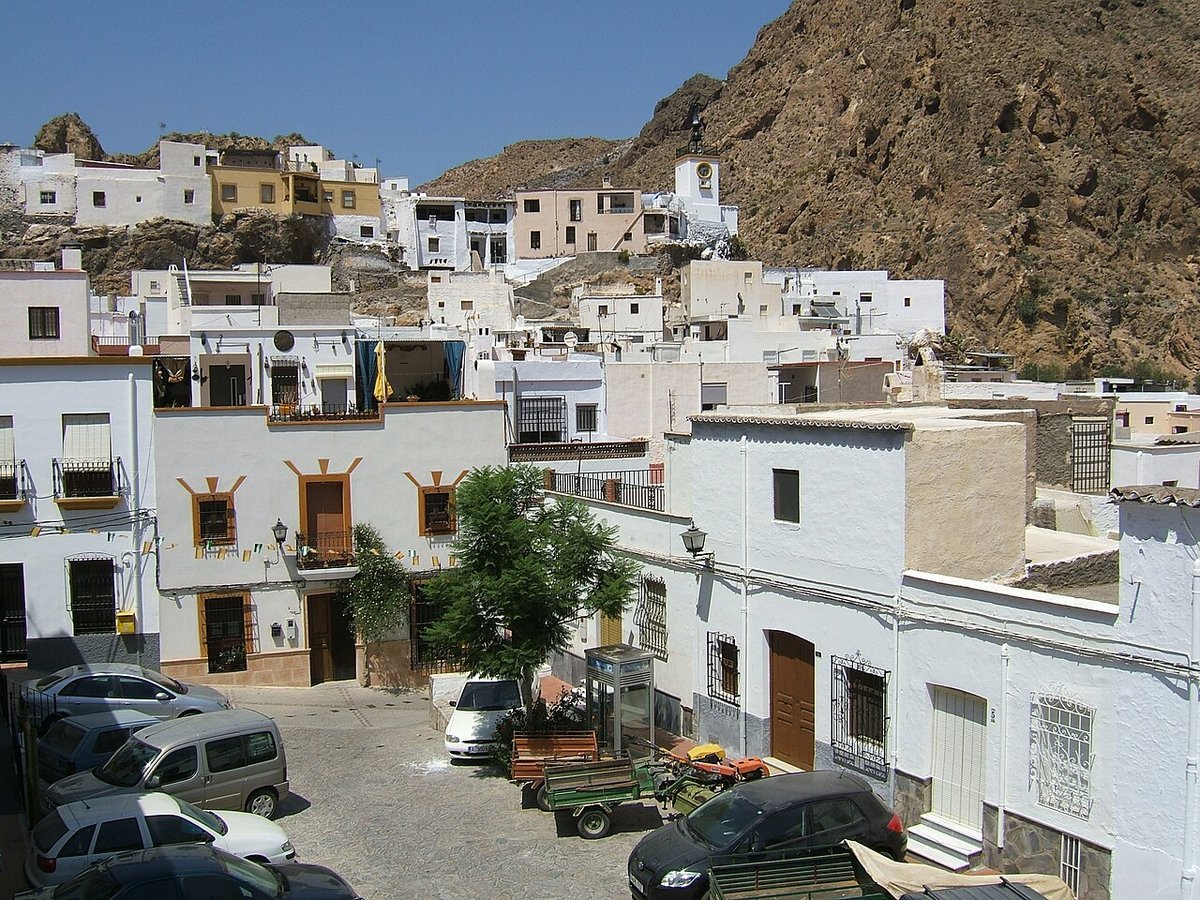
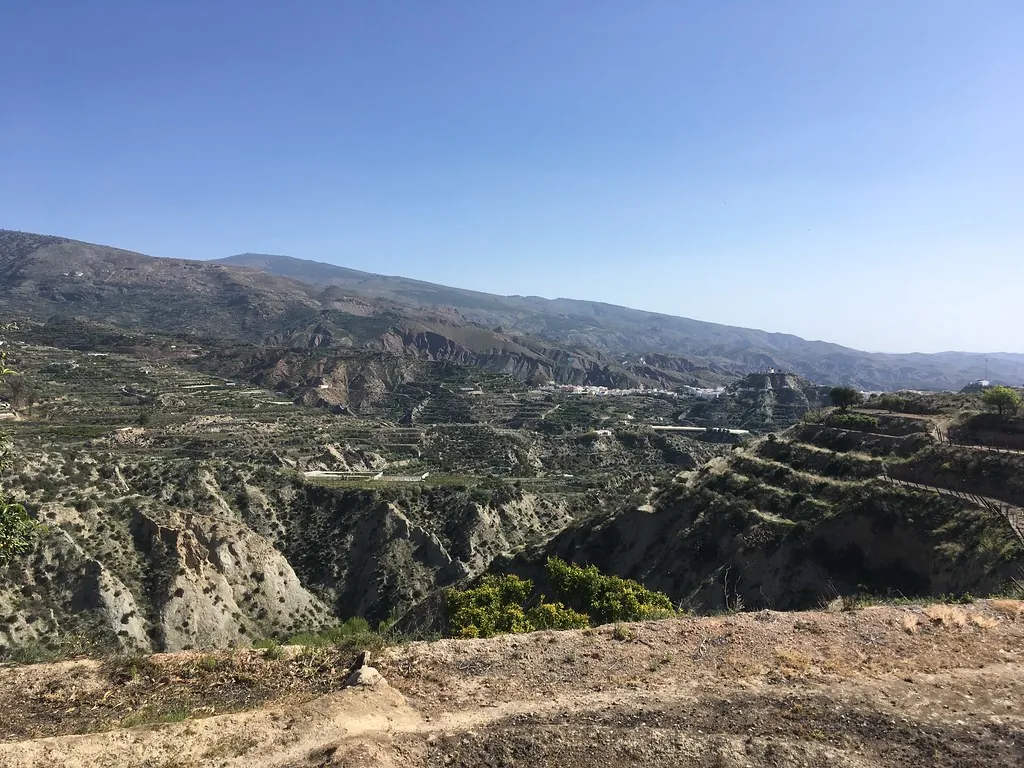
Huecija lies at around 400 metres above sea level. Agricultural terraces step down towards the valley floor, giving structure to the slopes. The name of the village is usually linked to the Andalusí period, as is common across the Alpujarra. Although the current layout of the village dates from later periods, its adaptation to the terrain follows a consistent logic seen throughout this part of Almería: narrow streets, uneven levels, and whitewashed houses with thick walls that help keep interiors cool while making the most of limited space.
The Shape of the Village
The village is organised around the parish church of San José. The present building dates from the 18th century, part of a broader phase of reconstruction that affected many Alpujarra settlements after earlier conflicts. Its exterior is restrained, in keeping with rural religious architecture in the region.
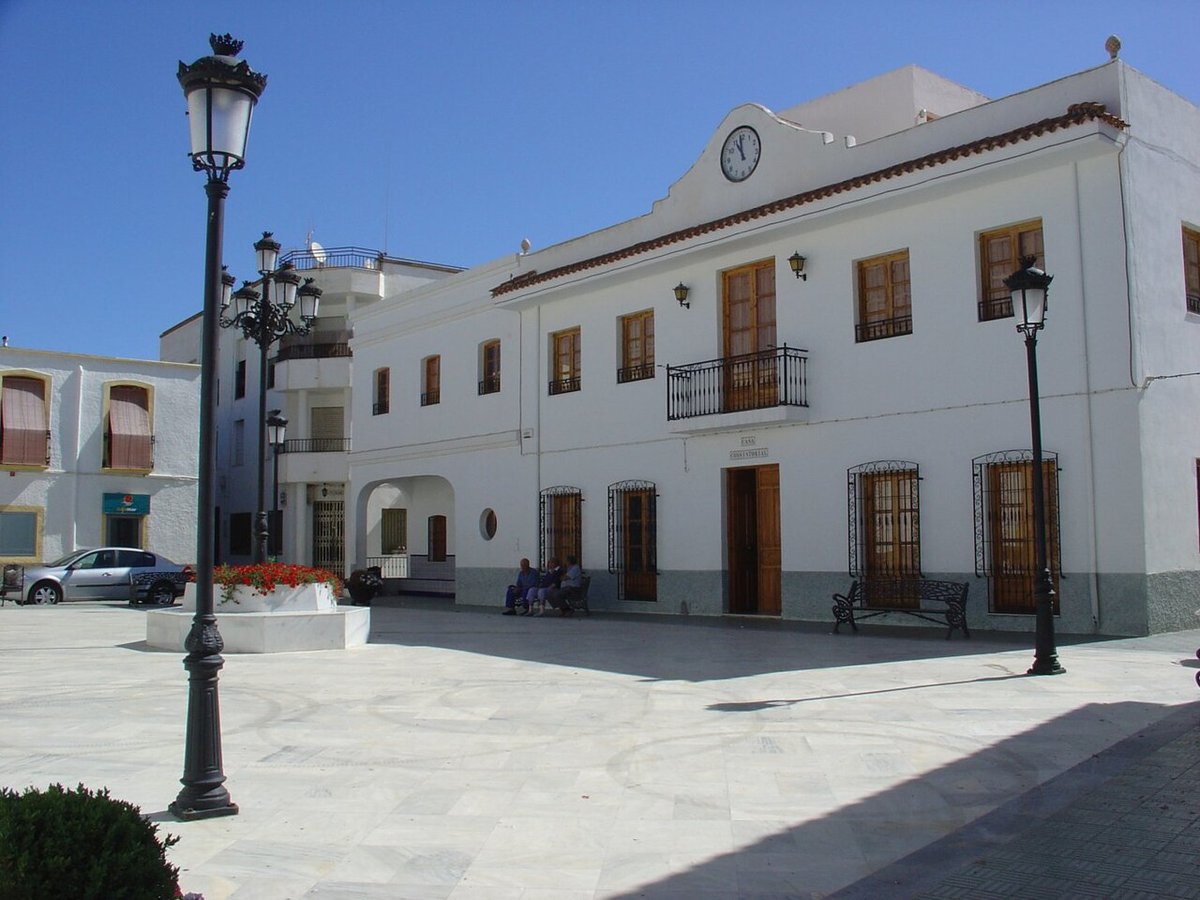
In front of the church lies the main square, still the central meeting point for residents. From here, several streets branch out across the village, some of them steep. Their names reflect a straightforward, traditional logic. Calle Real marks the main route, while Calle Alta leads upwards towards higher ground.
The houses follow practical patterns suited to the climate. Whitewashed walls reflect the sun, roofs are covered with traditional curved tiles, and interior courtyards help maintain cooler temperatures during summer. In some of these patios, small fountains or stone basins remain, linked to older domestic water systems that once played a key role in everyday life.
Terraces, Water and a Worked Landscape
The surroundings of Huecija are inseparable from the terraces that encircle it. These stepped plots are supported by dry-stone walls, allowing cultivation on slopes that would otherwise be difficult to use. This kind of agricultural landscape is typical of the Andarax valley.
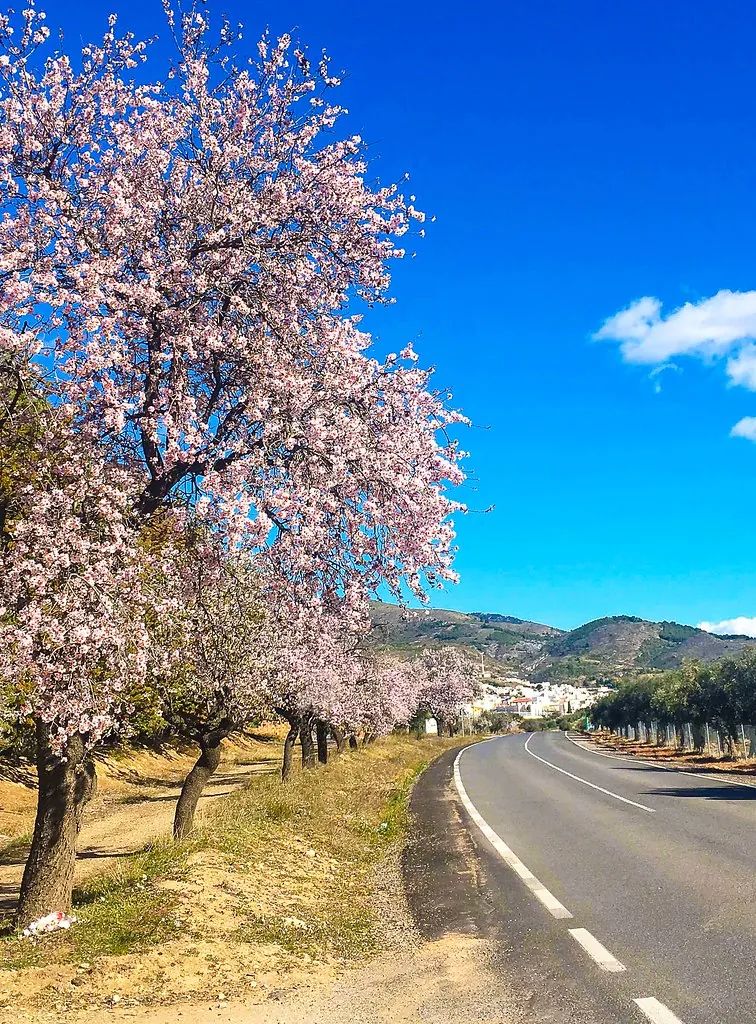
Almond trees cover much of these hillsides. At the end of winter, when they come into blossom, the valley briefly changes character. The white of the flowers stands out against the earth tones of the terrain, creating a contrast that lasts only a few weeks each year.
Water has always been scarce in this area, which explains the importance of irrigation channels known as acequias, along with small public fountains. Some of these channels are still in use, carrying water to nearby vegetable plots. Higher up in the village, old washhouses can still be found. They belong to a time when water was shared carefully and used collectively, reflecting a way of life shaped by limitation rather than abundance.
Paths and Views Around Huecija
The area around Huecija is well suited to walking, provided you are comfortable on uneven ground. Old agricultural paths link the village with terraces, small dry streambeds, and cultivated areas that are still in use today.
Gaining a little height brings wider views of the Andarax valley and the surrounding sierras. To the north, on clear days, the outline of Sierra Nevada becomes visible. To the south, the land gradually slopes down towards the coast of Almería. The sea itself is not always visible from the village, but its presence is felt in the changing light and the broader geography.
Rather than marked trails, what exists here is a network of traditional routes. These paths have been used for generations, connecting homes with fields and forming part of the daily rhythm of rural life.
Food Rooted in the Land
Cooking in Huecija reflects what the land provides and what can be stored easily over time. Migas remains a familiar dish, especially during colder months and at family gatherings. It is typically served with simple accompaniments such as fried peppers or local cured meats, depending on what is available.
Vegetables from local plots, including tomatoes, courgettes, and peppers, appear regularly in everyday meals. Pulses have also played an important role in traditional diets, valued for their ability to be kept for long periods without spoiling.
This is not elaborate cuisine but practical, shaped by seasonality and by the need to make the most of limited resources.
Festivities and the Rural Calendar
The main celebrations in Huecija tend to take place during the summer. This is when many people who live elsewhere return to the village for a few days, bringing a temporary increase in activity and social life.
The patron saint festivities in honour of San José are held in August. They include processions and events organised by the local community itself. These gatherings reinforce ties between residents and those who maintain a connection to the village from afar.
Holy Week is observed in a much quieter way than in larger Andalusian cities. Religious acts take place within the parish, without the scale or spectacle seen elsewhere.
In autumn, the almond harvest still involves many local families. Although agriculture no longer employs as many people as it once did, this seasonal work continues to shape the rhythm of the year and remains part of the village’s identity.
Getting There and Moving Around
Huecija lies along the A-348 road, which runs through much of the Alpujarra of Almería. This route connects a series of villages across the valley and provides access to the surrounding area. Within the village itself, movement is on foot along its sloping streets and connecting paths, in keeping with its compact layout and terrain.