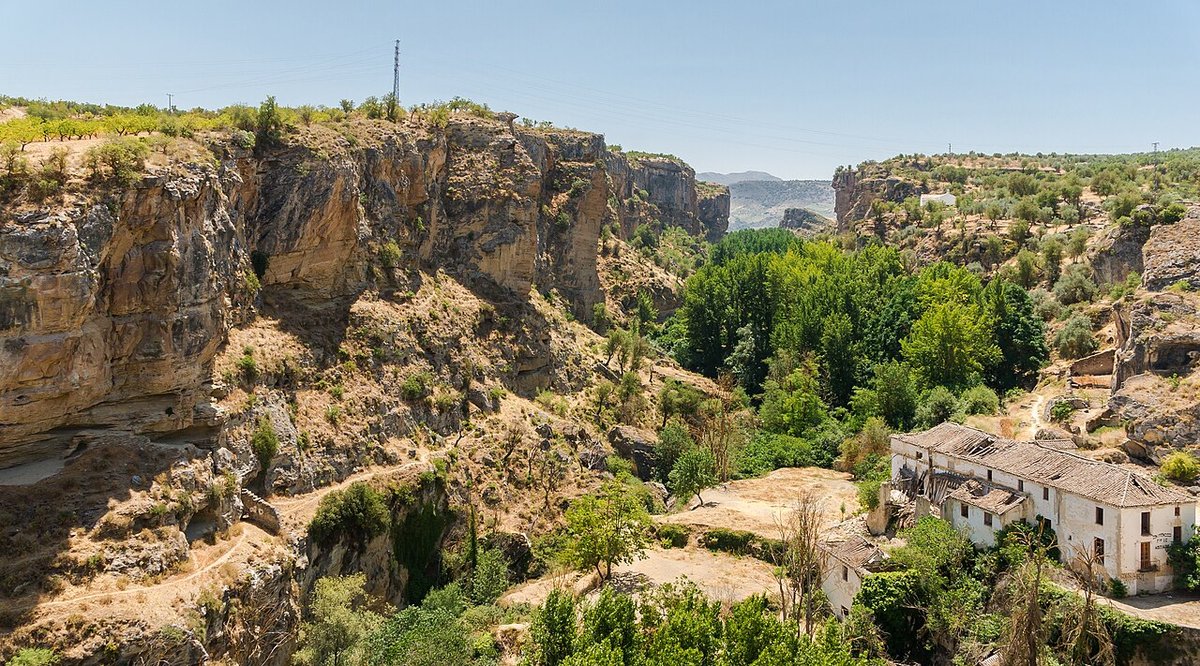
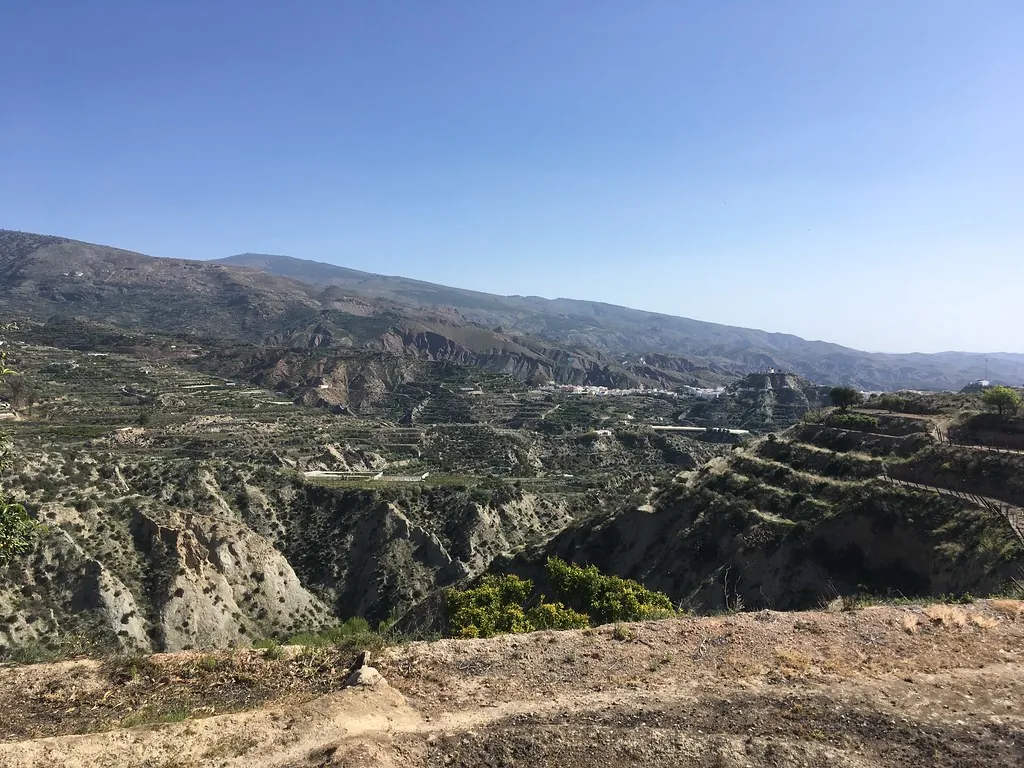
Vista aérea de Illar
Instituto Geográfico Nacional · CC-BY 4.0 scne.es
Andalucía · Passion & Soul

Illar

The only traffic jam in Illar happens at 9:30 sharp on Tuesdays, when half the village queues for the single-lane bridge out towards Alhama. Everyo...

492 inhabitants · INE 2025
425m Altitude

Why Visit

Church of Santa Ana Nature walks

Best Time to Visit

spring

Santa Ana festivities (July) julio

Things to See & Do
in Illar

Heritage

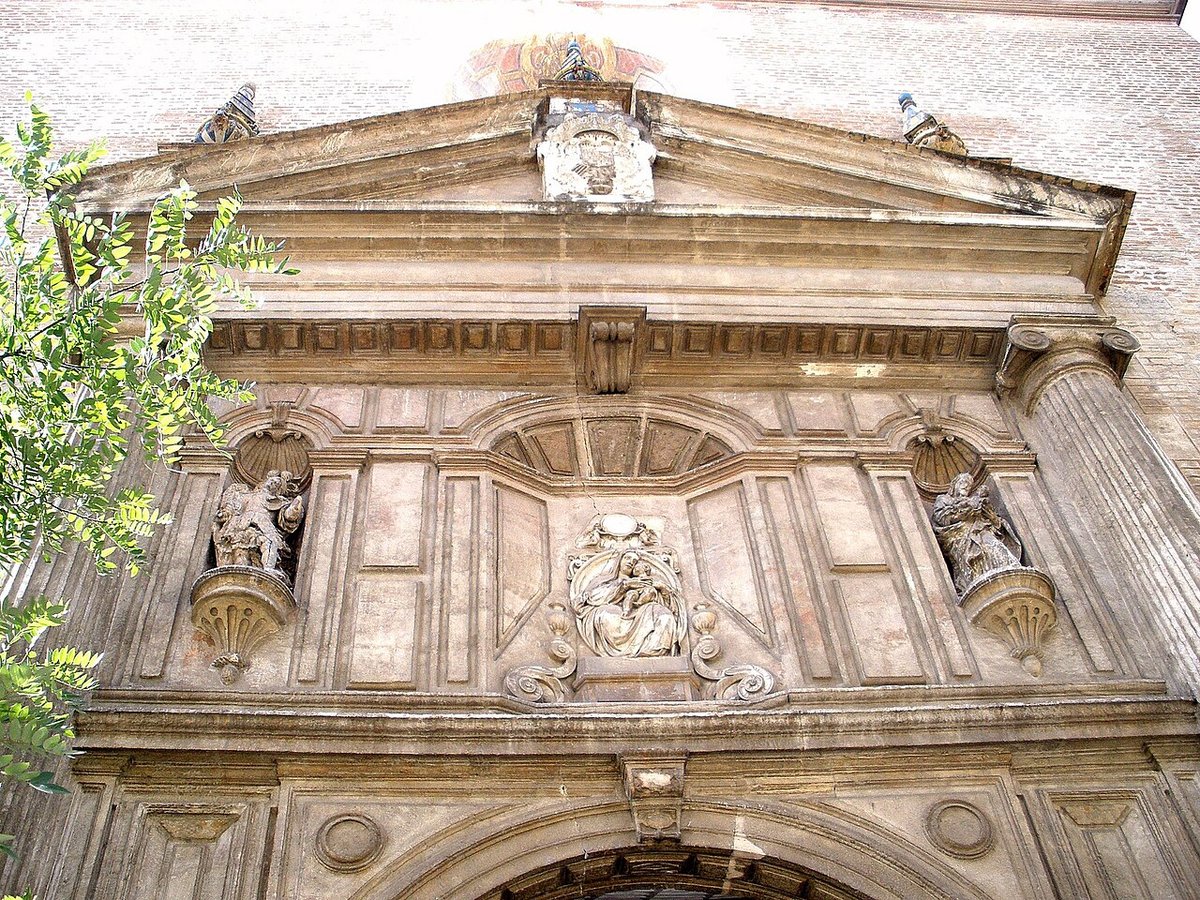
  • Church of Santa Ana
  • Illar Fountain
  • Washhouse

Activities

  • Nature walks
  • Water trails
  • Rural relaxation

Festivals
& & Traditions

Fecha julio

Fiestas de Santa Ana (julio), San Antón (enero)

Las fiestas locales son el momento perfecto para vivir la autenticidad de Illar.

Full Article
about Illar

Small town in the Andarax valley; known for its spring and rural quiet.

Ocultar artículo Leer artículo completo

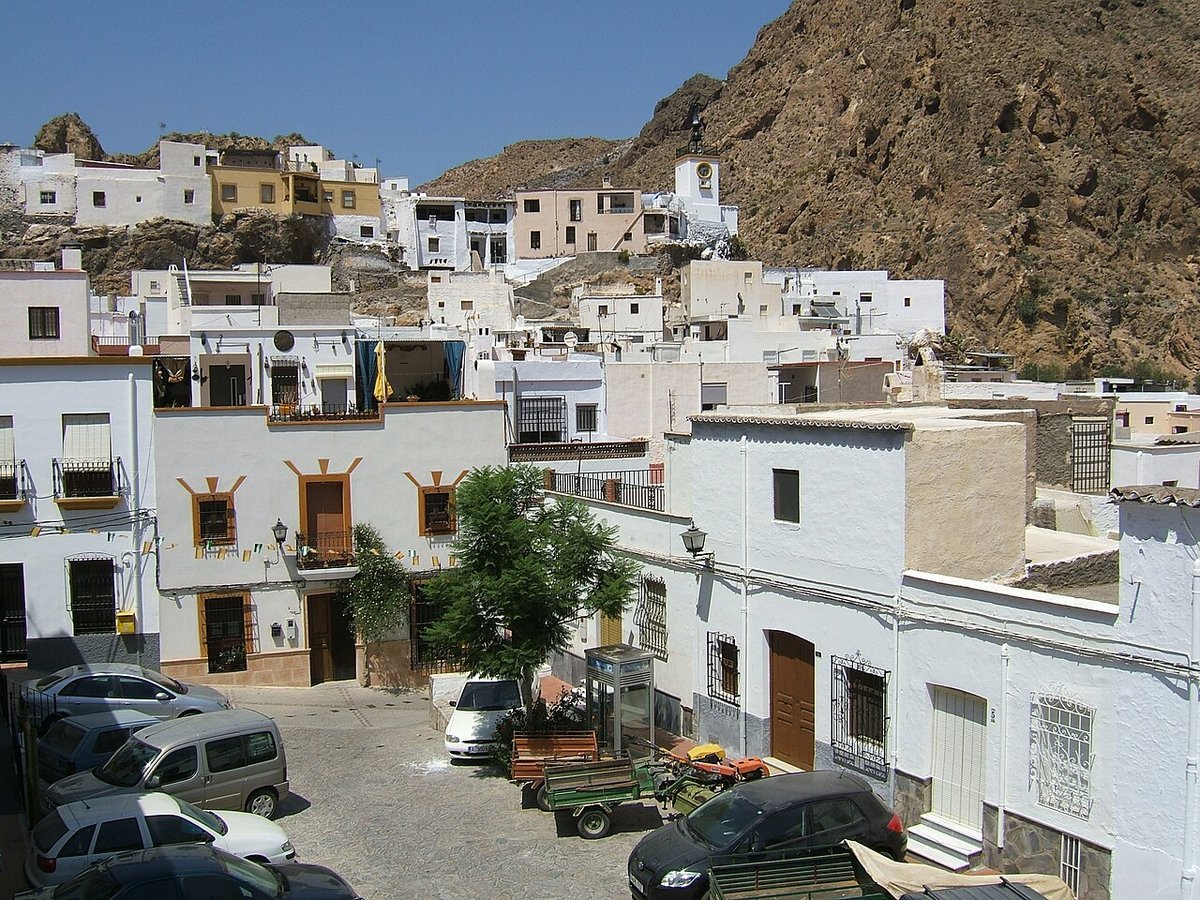
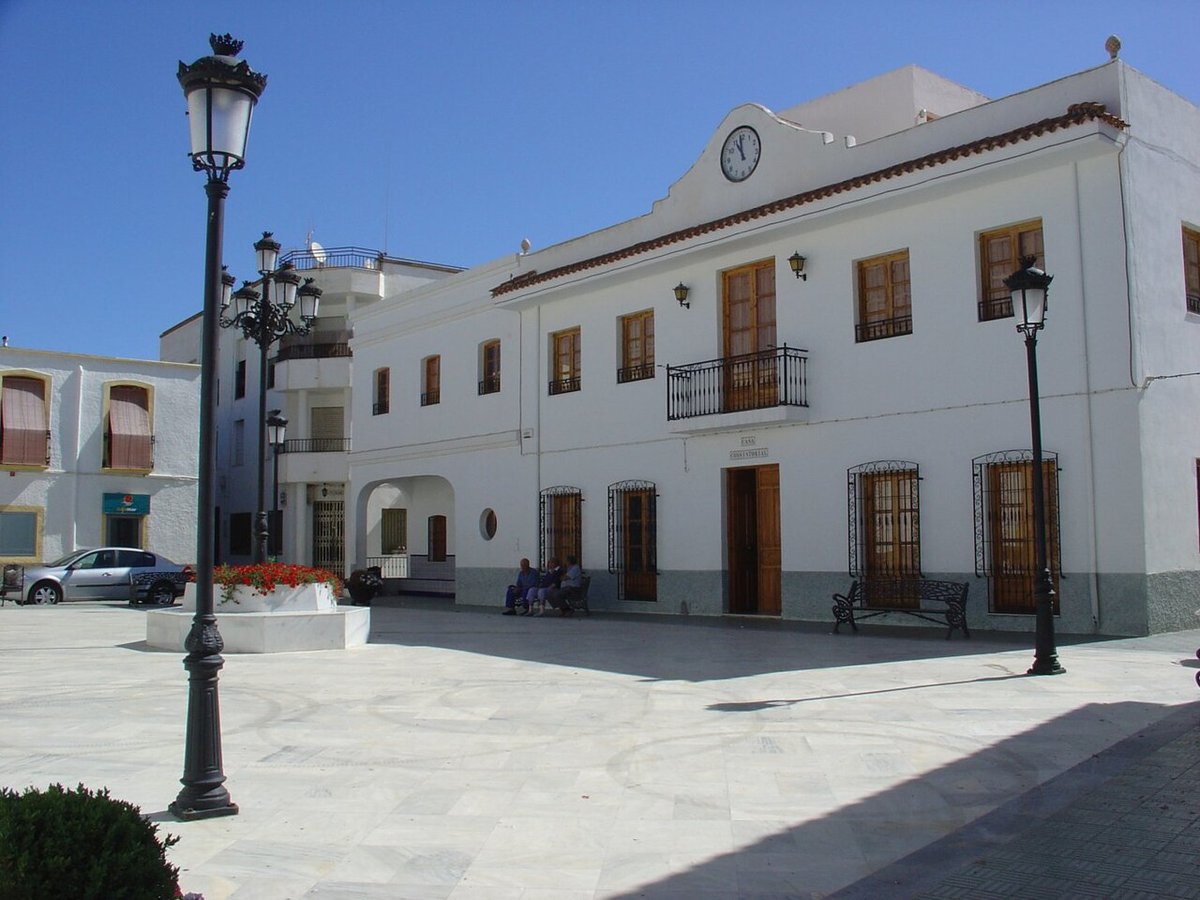
The only traffic jam in Illar happens at 9:30 sharp on Tuesdays, when half the village queues for the single-lane bridge out towards Alhama. Everyone's heading to the weekly market, leaving behind a clutch of whitewashed houses, three streets of silence, and the scent of orange blossom drifting down from somebody's patio.

At 425 metres above sea level, this Alpujarran outpost sits low enough to avoid winter snow yet high enough to catch the Levante breeze. The result is a climate that British gardeners would kill for—almonds in flower by February, tomatoes worth eating by June, and none of the coastal humidity that turns Costa papers limp. Come July the valley thermometer nudges 40 °C by noon; sensible visitors shift their body clocks two hours forward and treat siesta as non-negotiable.

Morning: The Sound of Water You Haven't Paid For

Start early, before the sun clears the ridge. The village's acequias—Moorish irrigation channels still functioning after eight centuries—run fast and cold, fed by snowmelt from the Sierra Nevada forty kilometres inland. Follow the main channel upstream and you'll pass huertos no bigger than a Plymouth allotment, each crammed with runner beans, peppers and lemon trees whose fruit glows improbably against the white walls. Nobody minds if you pick up windfall oranges; the owners are usually inside frying migas for breakfast.

The single bakery on Calle Real sells out by ten. Get there before nine and you can still buy a rosquilla the size of a cricket ball—slightly sweet, faintly aniseed, perfect for dunking in the thick coffee served at the bar opposite. That bar doubles as village noticeboard: handwritten cards advertise second-hand rotovators, guitar lessons, and the occasional spare room for fiestas. Don't expect Wi-Fi; the owner keeps the router unplugged on principle.

Mid-day: Uphill and No Apologies

Illar rewards those who climb. Streets tilt at angles that would give a Bristol surveyor palpitations; handrails are considered an architectural afterthought. Keep going past the Iglesia de la Encarnación—its sixteenth-century bell tower rebuilt after the Morisco rebellion—and the cobbles eventually give way to a signed footpath known locally as the Coto track.

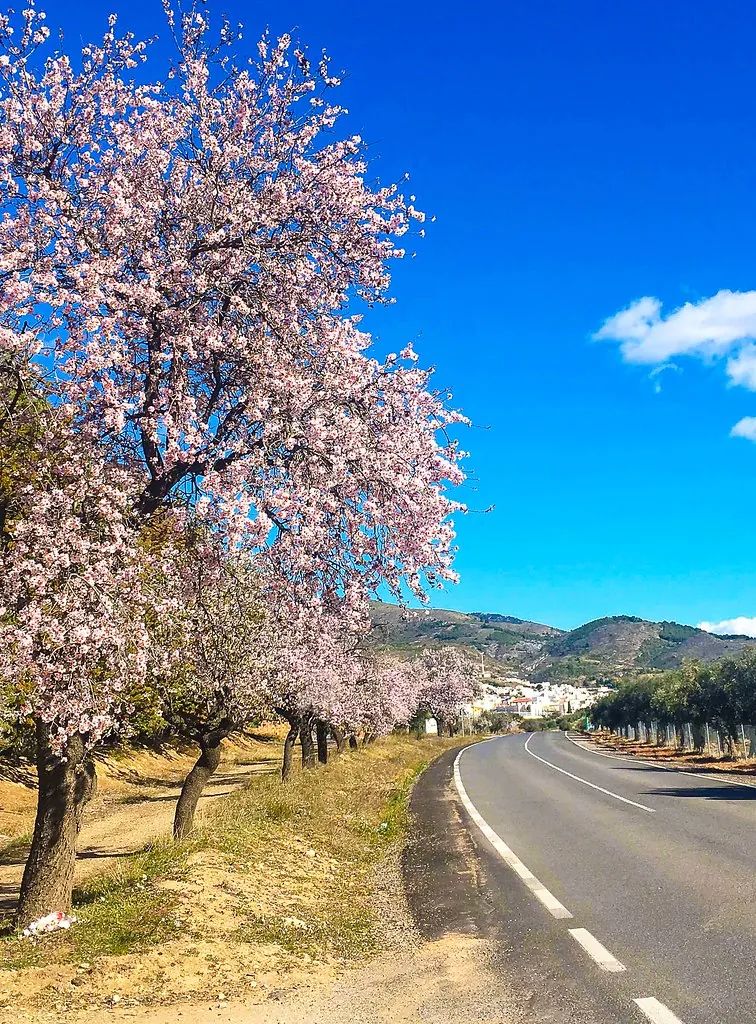
The first twenty minutes are calf-burning, but the gradient eases once you reach the almond terraces. Between February and early March these turn into a pale-pink snowstorm; photographers arrive from Granada with tripods and neutral-density filters, only to discover the village has no hotel beds. Pack water—there's no kiosk on the hill—and consider a trekking pole; the surface is compacted gravel that turns skiddy after rain. At the summit (650 m) the Mediterranean glints on the horizon, forty kilometres distant as the griffon vulture flies. If the air is clear you can pick out the container ships threading the Alborán Sea, but more often a heat haze erases everything beyond the next ridge.

Afternoon: Calories Earned, Calories Returned

Back in the village the lunch menu hasn't changed much since 1987. The only restaurant—really the front room of a house with extra tables—offers a three-course menú del día for €12. Expect soup thick enough to stand a spoon in, followed by choto al ajillo (kid stewed with garlic and bay) or a slab of tortilla that overhangs the plate. Vegetarians can usually negotiate an omelette stuffed with whatever the garden produced that morning; vegans should probably keep walking.

Wash it down with house red poured from an unlabelled bottle. The grapes come off the slope you just walked; the altitude keeps the alcohol moderate, around 12%, so you can still navigate the downhill stretch to your car afterwards. If you're driving, stick to the bottled water—Guardia Civil patrols appear without warning on the AL-3404.

Evening: When the Valley Turns to Copper

Illar's best light happens forty minutes before sunset. The sun drops behind the Sierra Gádor, bouncing copper reflections off the irrigation ponds and turning the terraced walls the colour of Cotswold stone. Photographers position themselves by the ruined threshing floor on the western edge; everyone else simply leans against a wall and watches the temperature fall ten degrees in as many minutes.

Nightlife is whatever you bring with you. The bar reopens at eight for cañas and card games; buy a round and you'll be expected to join in a hand of mus, the Basque game that has somehow become the Alpujarra's favourite pastime. Losers pay for the next round, so pace yourself—the local brandy costs €2 a shot and tastes like liquid Christmas pudding.

The Practical Bits No One Mentions

There is no cash machine. None. Fill your wallet in Alhama de Almería (eight kilometres east) or resign yourself to washing dishes. Mobile coverage is patchy on Vodafone and O2; EE fares slightly better. If you need fuel after 8 p.m. you'll be driving to the 24-hour Repsol on the A-92, twenty-five minutes away.

Accommodation is thin on the ground. Two village houses offer rooms on Airbnb, both booked solid for the August fiestas by early July. Otherwise the nearest beds are in an olive-oil estate near Alhama—rooms from €90, pool included, breakfast heavy enough to postpone lunch. Campers can pitch at the municipal area by the river, but bring earplugs: the irrigation pump starts at 6 a.m. sharp.

When to Bother—and When Not To

Mid-March equals almond blossom and comfortable 18 °C days; book early because half of Granada arrives at weekends. May and October deliver 24 °C, empty terraces, and wild herbs along the footpaths—ideal for walkers who don't fancy a heatstroke souvenir. July and August are furnace-hot; unless you enjoy 36 °C shade temperatures, treat Illar as an early-morning stop en route to the coast.

Winter is a mixed bag. Daytime can hit 15 °C and the light is razor-sharp, but nights drop to 3 °C and most restaurants close. The village keeps one bar open for the 23 permanent British residents who have bought ruined fincas and are slowly rebuilding them with lime mortar and Yorkshire determination.

Leaving: The One-Lane Bridge Again

Check out on a Tuesday and you'll queue with the locals again, boots dusty, camera full of blossom shots, and the smell of wood-smoke in your hair. Behind you Illar returns to its default setting: water running, someone sweeping a doorstep, and the church bell striking quarters that nobody rushes to meet. It's not dramatic, Instagrammable, or even particularly convenient—but for a few days your body clock runs on sunlight, bread baked that morning, and the novel realisation that nothing urgent is happening at all.

Key Facts

Region
Andalucía
District
Alpujarra Almeriense
INE Code
04054
Coast
No
Mountain
No
Season
spring

Livability & Services

Key data for living or remote work

2024
ConnectivityFiber + 5G
TransportTrain 14 km away
HealthcareHospital 23 km away
EducationElementary school
Housing~5€/m² rent · Affordable
CoastBeach 20 km away
Sources: INE, CNMC, Ministry of Health, AEMET

Planning Your Visit?

Discover more villages in the Alpujarra Almeriense.

View full region →

More villages in Alpujarra Almeriense

Traveler Reviews