Full Article
about Instinción
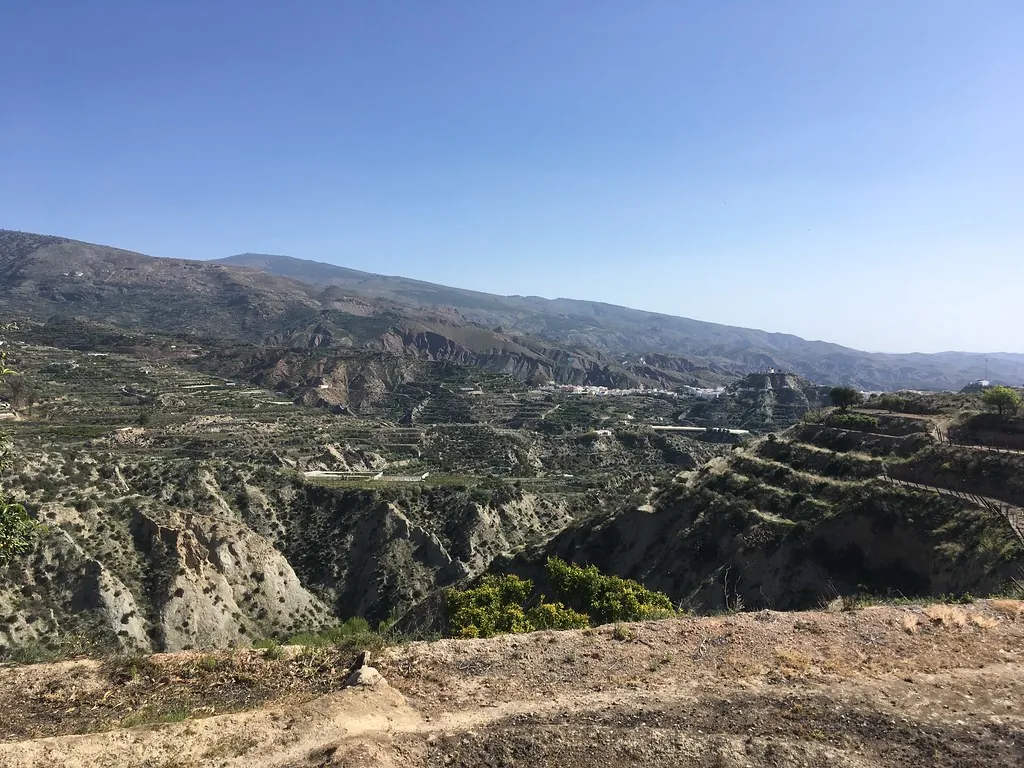
Alpujarra village of steep streets; offers panoramic views of the Andarax valley.
Ocultar artículo Leer artículo completo
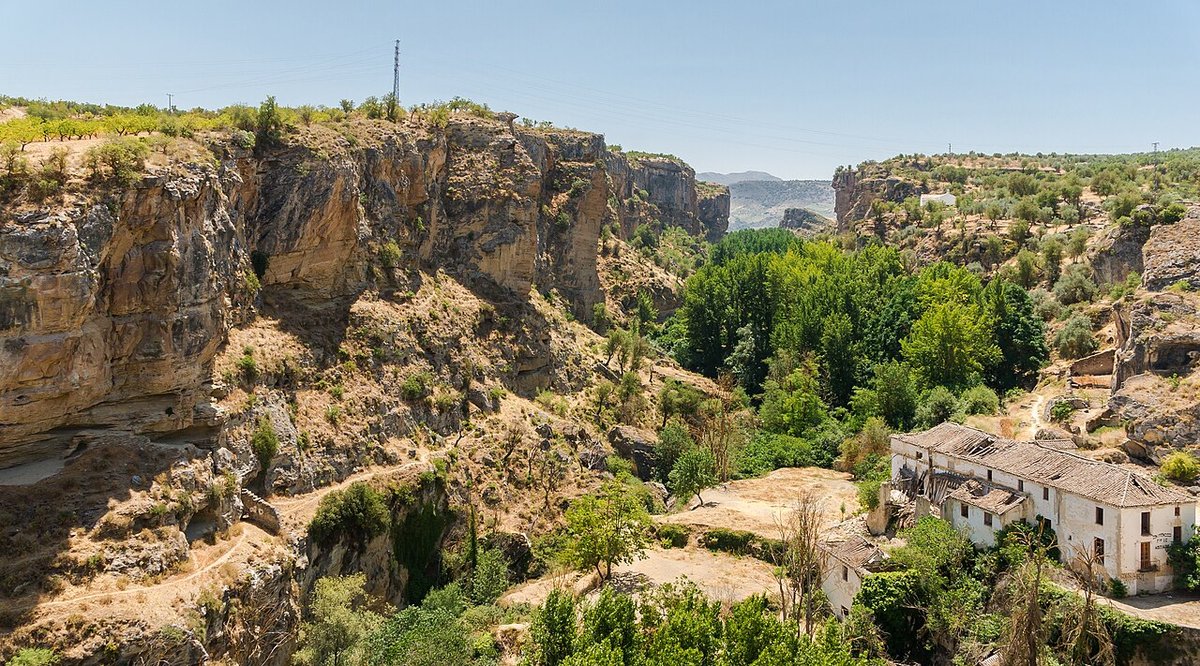
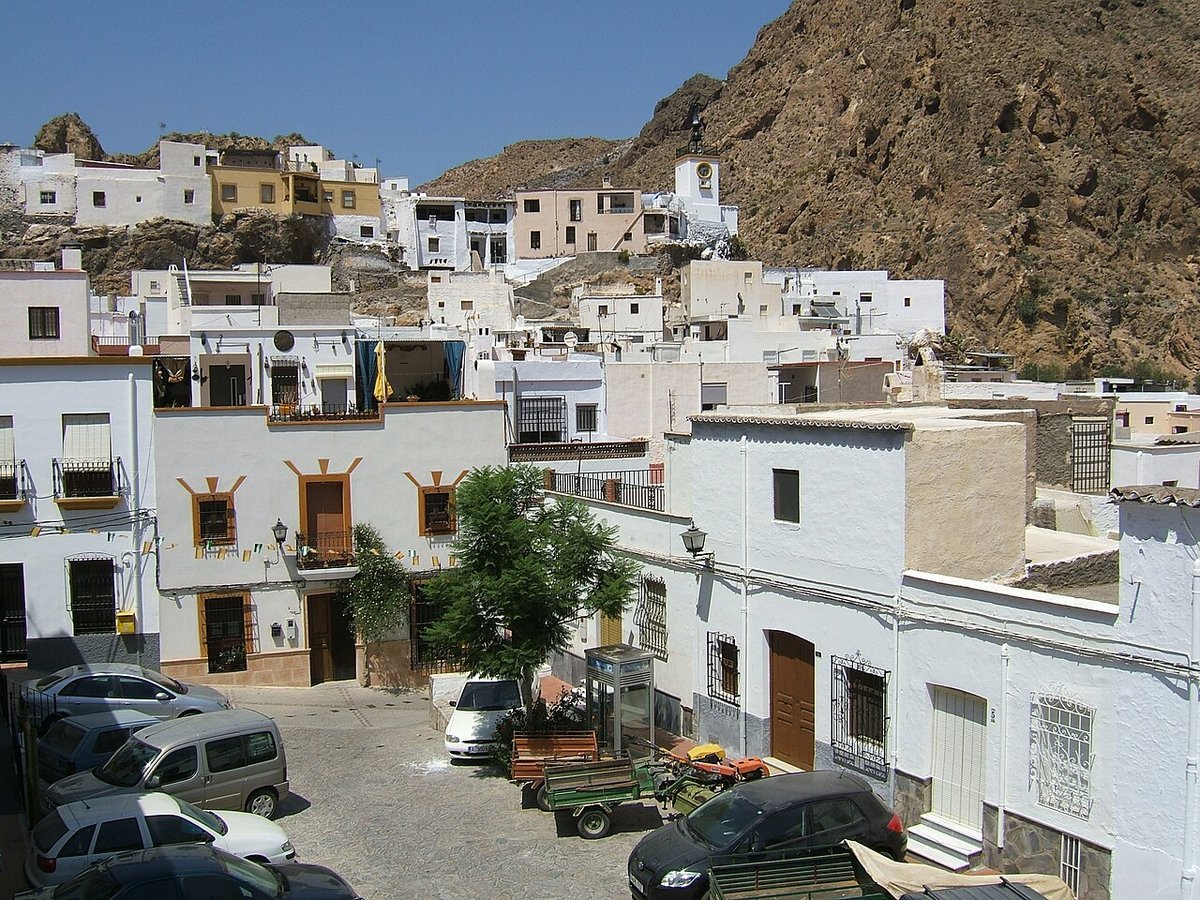
The morning mist lifts from the Andarax valley to reveal Instinción clinging to the hillside, its white-washed houses stacked like sugar cubes against the terraced slopes. At 431 metres above sea level, this village of 467 souls sits precisely where Sierra Nevada's final ridges surrender to the semi-arid plains of Almería, creating a landscape that shifts from green almond groves to ochre badlands within the space of a single glance.
The Architecture of Survival
Wandering through Instinción's labyrinthine streets reveals a masterclass in practical adaptation. The cylindrical chimneys perched atop flat roofs aren't decorative flourishes—they're the village's response to centuries of scorching summers and sudden mountain downpours. These same terraces double as evening gathering spots, where neighbours share the day's gossip whilst watching the sun burnish the opposite hillside gold.
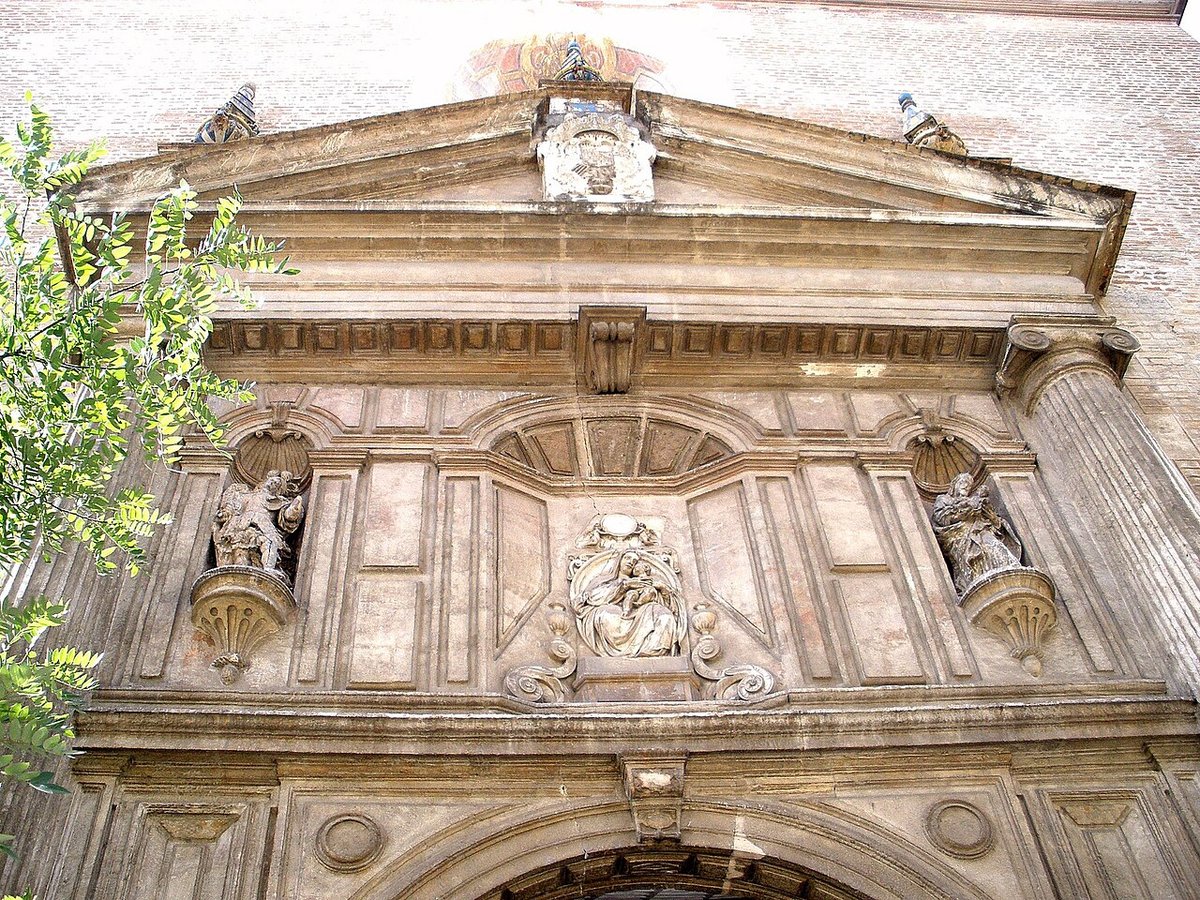
The tinados—covered passageways connecting houses—create natural cooling corridors through the village. Duck into one during August's furnace-like heat and you'll understand why this architectural feature survived when grander monuments crumbled. Near the plaza, the 16th-century Iglesia de San Roque stands as testament to modest ambition: simple stone walls, minimal ornamentation, perfectly proportioned to serve a community that has never numbered more than a few hundred souls.
Look closer at the water channels threading between houses. These acequias, many dating from Moorish times, still irrigate the surrounding terraces. They're living infrastructure, not heritage features—respect the gates and channels you encounter, as turning the wrong tap could flood someone's vegetable patch downstream.
Working the Impossible Slope
The real miracle of Instinción lies beyond the village proper. Follow any path downwards and you'll encounter the bancales—agricultural terraces carved into slopes that would make a Swiss farmer blanch. These dry-stone walls, built without mortar over centuries, create a mosaic of microclimates. Almond trees dominate, their roots somehow finding purchase in soil barely deeper than a dinner plate. Between them, olive groves and occasional fig trees eke out existence, watered by the same gravity-fed system that sustained Islamic farmers eight centuries ago.
Visit during August's almond harvest and the valley rings with the clatter of traditional bendegas—long poles used to knock nuts onto waiting nets. The work starts before dawn, when temperatures remain bearable. Local families welcome respectful visitors who ask permission to observe, though don't expect demonstrations—this is agricultural labour, not folk performance. The harvested almonds travel to cooperative presses in nearby Órgiva, returning as oil that flavours every kitchen in the village.
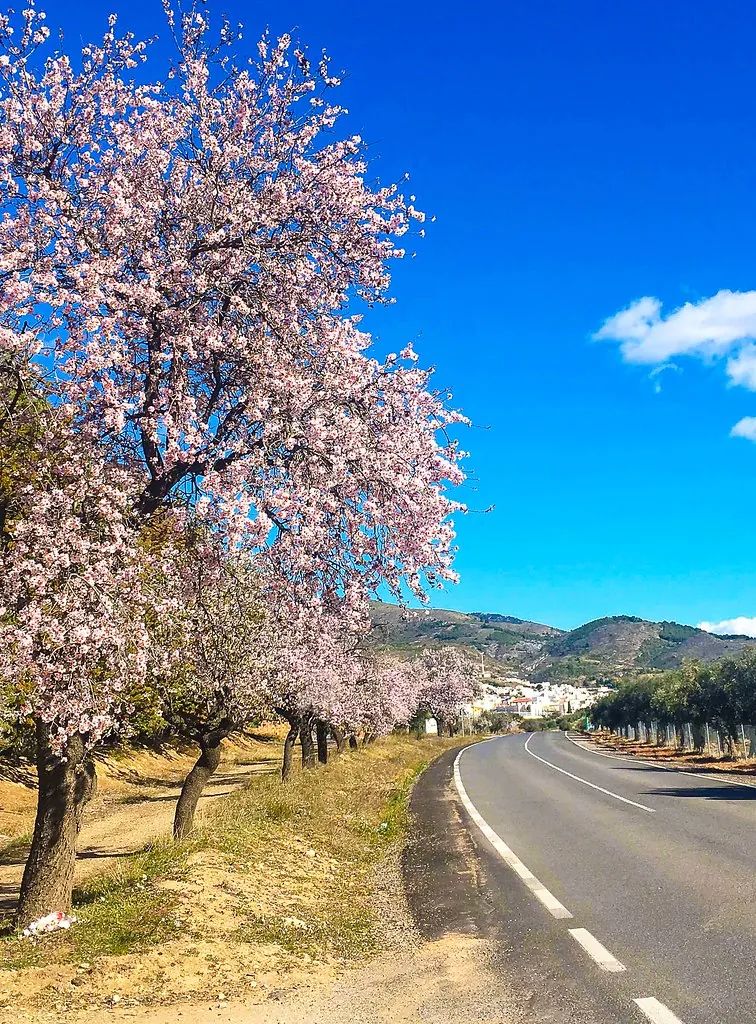
Spring offers gentler rewards. From late February through April, the almond blossom creates fleeting clouds of white and pink against the stone terraces. Photographers arrive in droves during March weekends; visit midweek for solitary communion with the groves. The blossom period varies by altitude—even within Instinción's small municipality, trees at 500 metres bloom two weeks later than those at 350 metres.
Walking Through Layered Time
Instinción serves as an excellent base for exploring the western Alpujarras without the tour-bus crowds plaguing more famous villages. The Camino de los Bancales circular route starts from the village fountain, following ancient agricultural paths for roughly 8 kilometres. The walk passes abandoned cortijos—farmsteads whose stone walls now shelter wild asparagus and rosemary—before climbing through pine-scented gullies to reach natural viewpoints over the Andarax valley.
More ambitious hikers can tackle the old mule track to Alboloduy, three hours west through the Barranco de la Sangre. The name—Blood Ravine—commemorates medieval bandit attacks rather than recent incidents, though the path demands sturdy footwear and water reserves. Summer walkers should start before 7 am; temperatures regularly exceed 40°C by midday, and shade remains theoretical rather than actual along exposed ridges.
Winter transforms the landscape entirely. Sierra Nevada's snowcaps create a dramatic backdrop, whilst the village itself enjoys crisp, clear days perfect for walking. Night temperatures occasionally drop below freezing—those flat-roofed houses suddenly make sense, as accumulated snow slides off rather than collapsing structures. Access remains reliable; the A-348 from Almería stays open except during rare heavy snow events.
Beyond the Expected
Instinción's culinary offerings reflect agricultural reality rather than tourist expectation. The village bar serves migas alpujarreñas—fried breadcrumbs with garlic and chorizo—every Sunday morning, accompanied by local wine that costs €1.50 per glass. Don't anticipate Michelin-starred presentation; anticipate proper portions designed for workers heading to the fields.
The Día de la Cruz celebrations on 3rd May see villagers create elaborate floral crosses displayed in doorways and plazas. Unlike larger towns where competitions drive increasingly baroque displays, Instinción's crosses maintain humble charm—wild flowers, herbs from kitchen gardens, children's drawings pinned amongst the blooms. The accompanying rosquetes (wine doughnuts) appear in every household, their aniseed scent drifting through the streets.
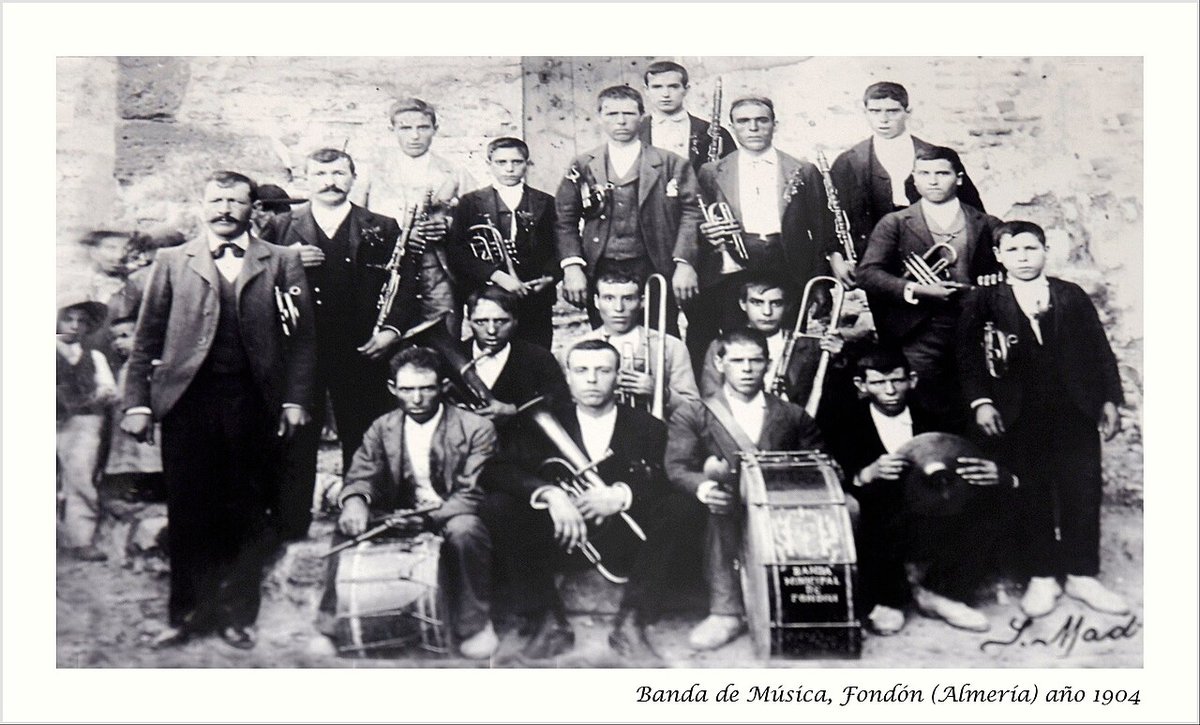
August's feria honours San Roque with three days of processions, brass bands, and communal meals. The village population swells to perhaps double its normal size as emigrants return from Barcelona and Madrid. Book accommodation well ahead—options remain limited to two rural houses and a handful of rooms in neighbouring Alhabia, four kilometres distant.
Practical Realities
Reaching Instinción requires commitment. From Almería's airport, hire cars prove essential—public transport involves infrequent buses to Alhama de Almería followed by expensive taxis. The final 12 kilometres of the A-348 twist through the gorge, spectacular but demanding concentration. Parking within the village itself involves narrow streets and minimal spaces; leave larger vehicles in the small lot near the cemetery.
The village shop opens sporadically—stock up in Órgiva (25 minutes drive) if self-catering. Mobile phone coverage remains patchy; Vodafone works reasonably, Orange less so. The single ATM frequently runs out of cash during fiesta weekends—bring euros.
Weather surprises visitors. Summer brings fierce heat tempered by mountain breezes; winter nights drop to 5°C despite daytime temperatures reaching 18°C. Spring and autumn provide the sweet spot, though sudden storms can arrive from the Sierra without warning. Those flat roofs channel water efficiently—carry a waterproof even during apparently settled weather.
Instinción offers no postcards, no souvenir shops, no curated experiences. Instead, it provides something increasingly rare: a functioning agricultural village adapting to modernity at its own pace. Visit without expectations of entertainment, arrive prepared to observe rather than consume, and you'll witness daily life that has persisted, with variations, for centuries. The reward lies not in ticking boxes but in understanding how human ingenuity can transform an apparently hostile mountainside into a sustainable home—one almond harvest at a time.