Full Article
about Laujar de Andarax
Historic capital of La Alpujarra and final home of Boabdil; known for its springs and wines.
Hide article Read full article
A village that wakes gently
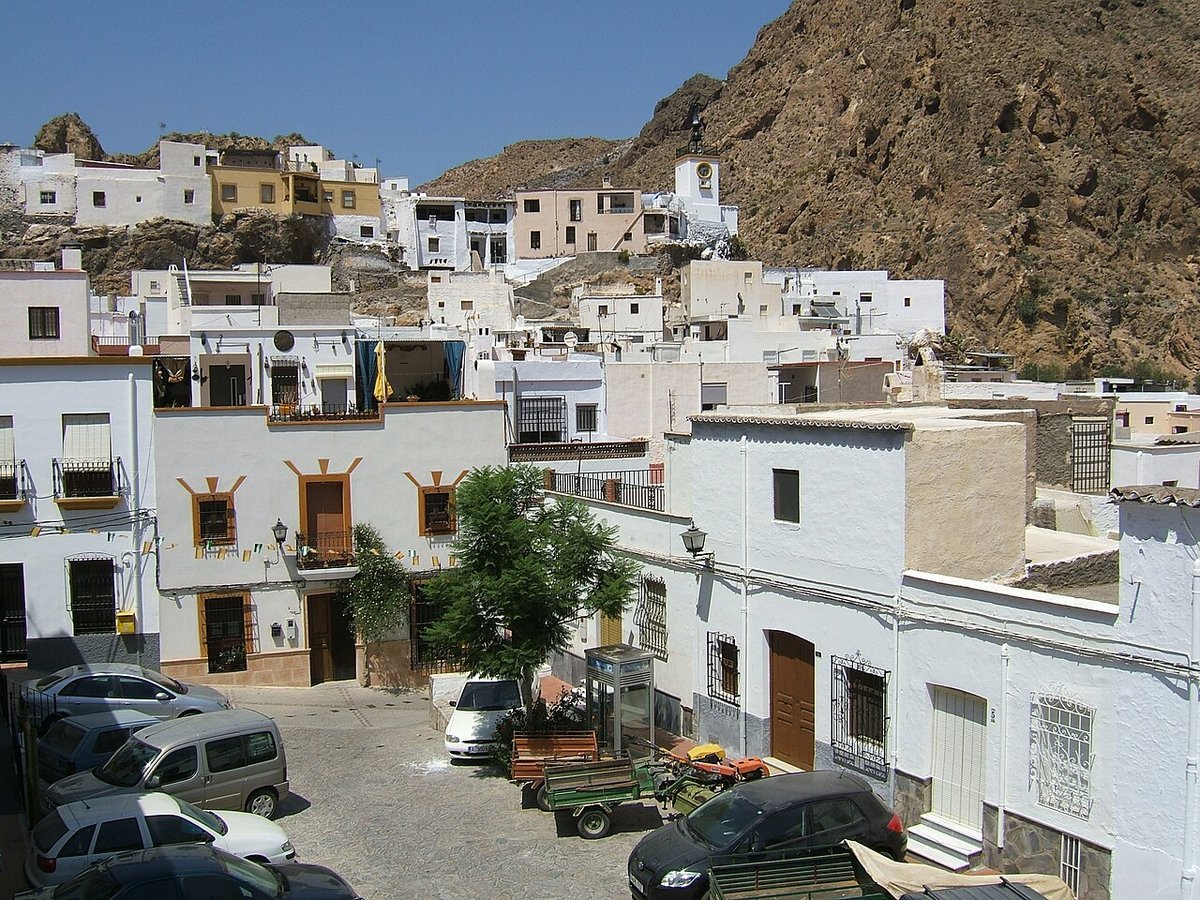
At eleven in the morning, the light in Laujar de Andarax falls hard against the whitewashed façades. It has a dry, almost rough quality, sharpening edges and flattening shadows. In some corners, water can be heard before it comes into view: small spouts, irrigation channels and fountains where people pause briefly, then carry on. The mountains sit very close, and that shows in the cool air that slips down through the streets.
At that hour, the village is still moving at an unhurried pace. A shutter lifts, a door opens, footsteps echo lightly over the cobbles. Nothing feels staged or arranged. It simply unfolds.
The old quarter keeps the familiar blend found across the Alpujarra, a region on the southern slopes of Sierra Nevada: traces of its Moorish past in the street layout, combined with buildings raised after the Christian conquest. The narrow streets bend and shift rather than follow straight lines, creating small pockets of shade and sudden openings.
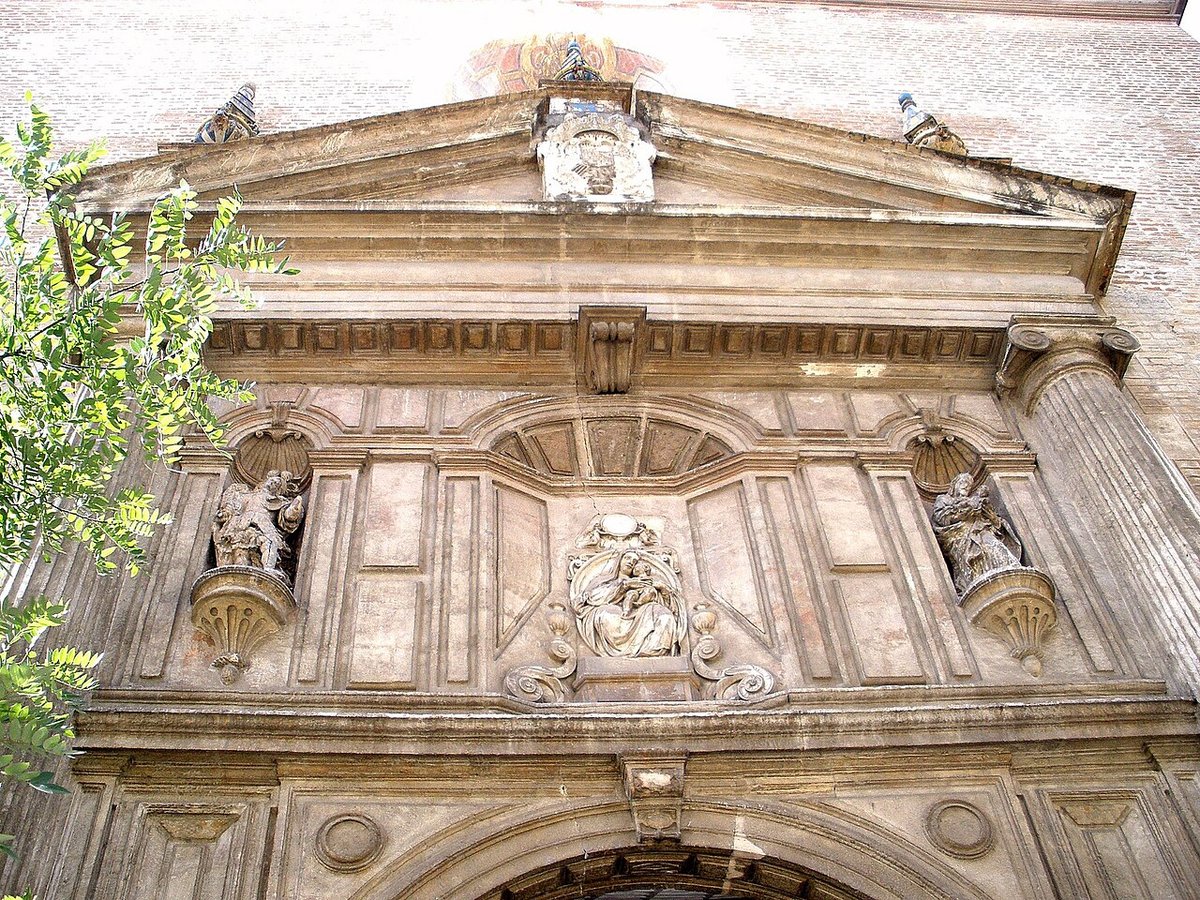
The Iglesia de la Encarnación, built in the 16th century, stands on the site of a former mosque. Its brick tower, with a clear Mudéjar influence, can be seen from several points in the village. Inside, the cool dimness offers relief even in summer. A handful of religious artworks hint at how beliefs and practices have shifted over time, without needing much explanation.
The centre and the way out
The Plaza Mayor works more as a meeting point than a picture-perfect square. The fountain with its eighteen spouts runs constantly in the background, a steady presence rather than a feature to admire and move on from. On one side, the town hall, built in pale stone, gives the space a sense of structure.
By mid-morning, there are usually neighbours talking in the shade. Later in the day, the rhythm returns. People sit for a while, children cross the square, and the sound of water continues without interruption.
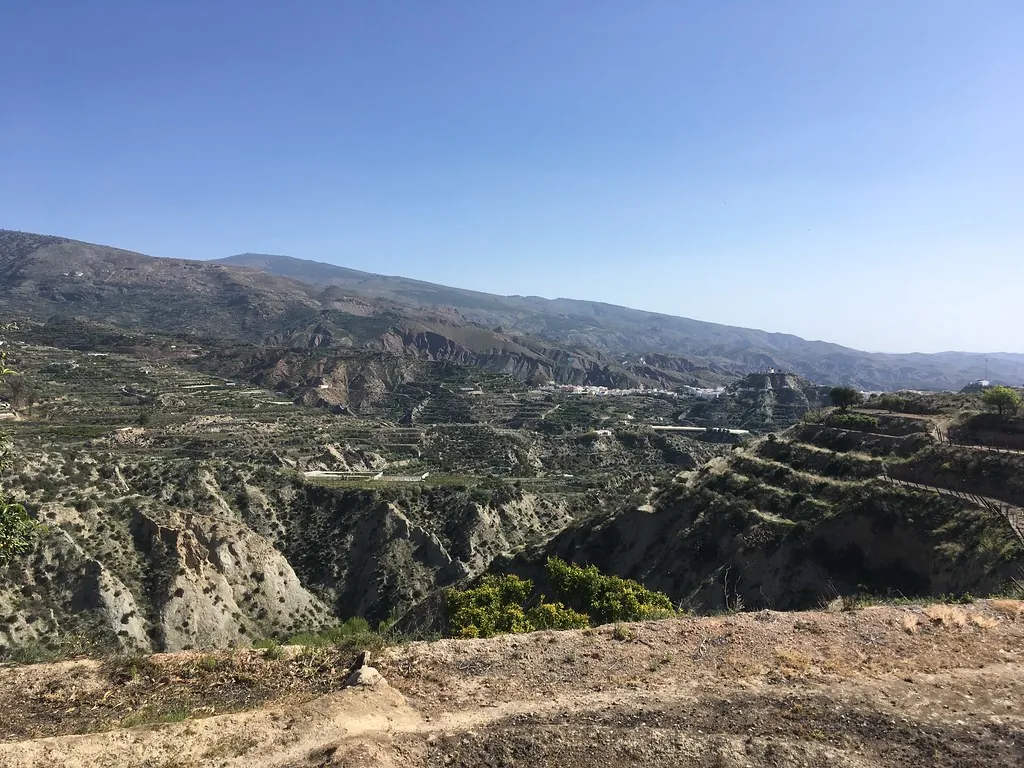
From here, narrow streets stretch out and weave between white houses. Some end in small patios filled with plant pots. Others rise gradually towards viewpoints where the Andarax valley opens up. On very clear days, the cultivated slopes stand out in detail, and to the north the presence of Sierra Nevada becomes unmistakable.
The landscape shifts with the seasons. Vineyards, chestnut trees and small plots of land form a patchwork that changes colour over the year. Nothing feels fixed for long.
Paths into the sierra
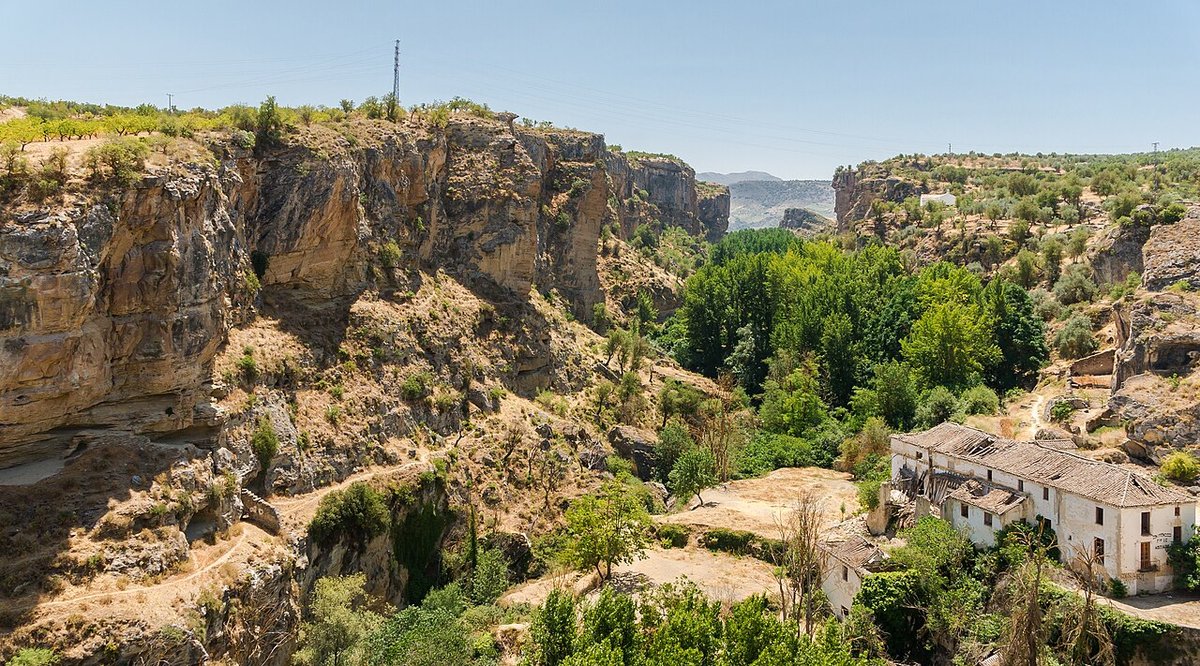
Around Laujar, the terrain begins to climb almost immediately. Several marked paths lead into what is considered one of the wetter parts of the Alpujarra in Almería province. The change is noticeable: more shade, more vegetation, and the constant presence of water.
One of the best known routes is the Ruta de los Castaños Centenarios. It passes through a forest of old chestnut trees with thick, twisted trunks and dark bark that seems to absorb the light. In autumn, the ground is covered with leaves and spiky chestnut husks. After rain, some sections can be slippery, so proper footwear makes a difference.
Another commonly followed path is the sendero de la Hidroeléctrica. This route traces old water channels connected to small 20th-century hydroelectric installations. Along the way, there are irrigation channels, small waterfalls and stone walls partly covered in moss. It is not a difficult walk, although after wet weather some stretches can become muddy.
Beyond these marked trails, agricultural paths lead out from the village into the fertile plain known as the vega. The small farms here are still active. On the nearby slopes, vineyards adapt to the altitude and conditions.
Wine has a long tradition in this part of the Alpujarra. Some producers continue to work with local grape varieties. When visits are organised, they offer a clearer sense of how cultivation works in this setting, shaped by cold winters and dry summers.
When the place feels different
Spring brings a strong shift in colour. The vega around Laujar turns intensely green, and water runs more forcefully through channels and ravines after the winter months. The paths carry the smell of damp earth, making it a good time for walking before the heat sets in.
Autumn has a slower rhythm. The chestnut trees change colour, and many mornings begin with low mist sitting in the valley. By mid-morning, the sky often clears, and light filters through the forest in tones of yellow and red.
Summer is marked by strong midday sun, although the heat is usually more manageable than along the coast. Walking is easier early in the day or towards evening. In winter, nights are cold and frost is not unusual. During the day, when the sky clears, the air feels clean and dry.
Beyond the postcard image
Laujar does not present itself as a backdrop. It is a working village with its own pace: people tending fields, cars parked where space allows, long conversations unfolding in the square. Visitors sometimes arrive expecting a polished version of the Alpujarra and instead find something more ordinary and more real.
The atmosphere changes noticeably depending on the time of year. In August, there is more movement and the central streets become livelier. On some winter days, the village can feel almost silent.
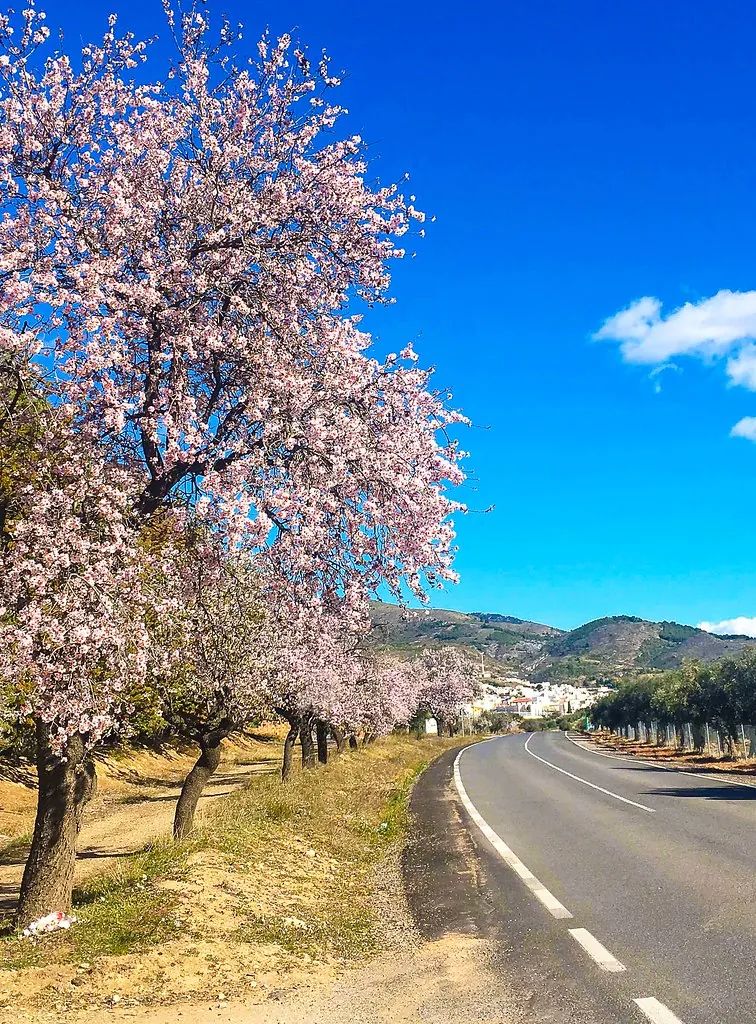
The road leading up from the Andarax valley has plenty of bends, which is typical in this part of the mountains. It encourages a slower approach. The landscape begins to open just as the village comes into view, set among vineyards and chestnut trees, without any dramatic reveal. It simply appears, as if it has always been there.