Full Article
about Ohanes
Europe’s first ecological village; set on a Sierra Nevada slope overlooking the valley
Hide article Read full article
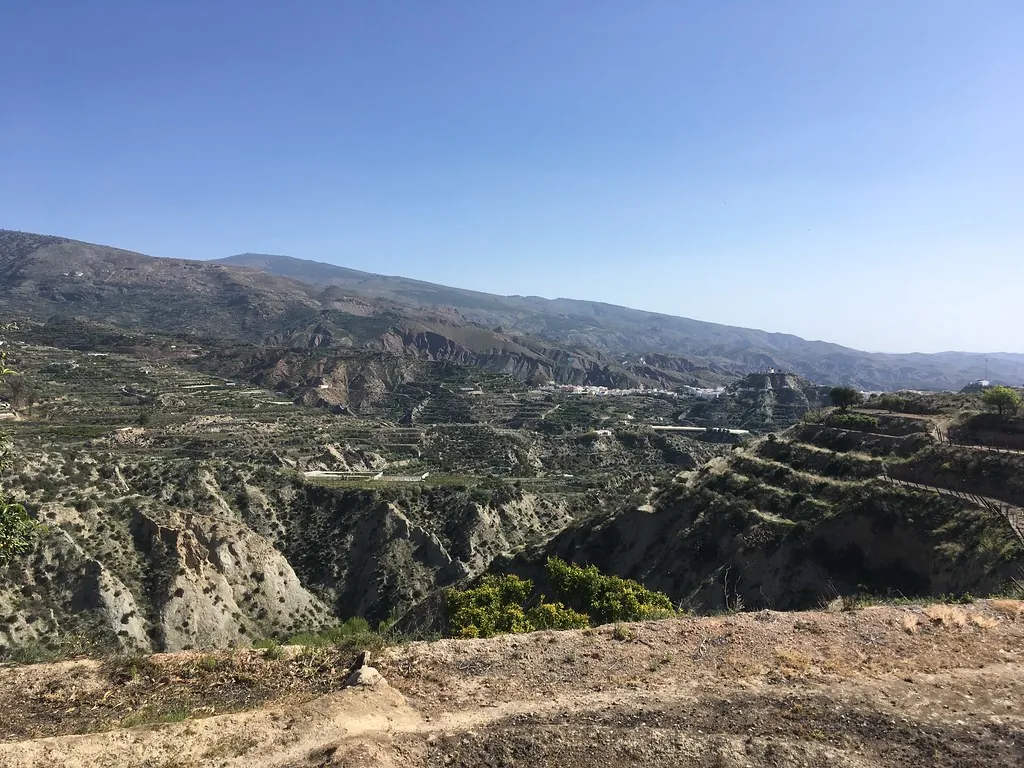
There is a stretch of the Contraviesa road where it feels as though the car might give up before you do. The climb goes on for kilometres, with bends that make you ease off the accelerator, and then suddenly Ohanes appears. It has that abrupt quality, like switching on a light in a dark room, except here the glow comes from a village perched on a mountainside.
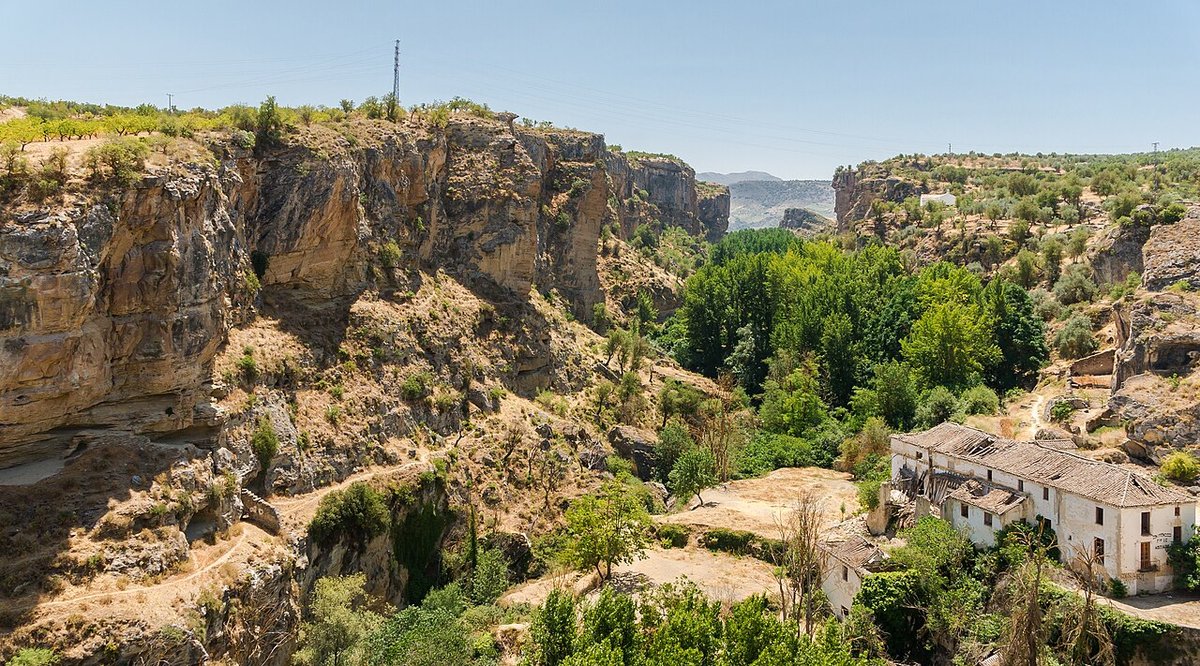
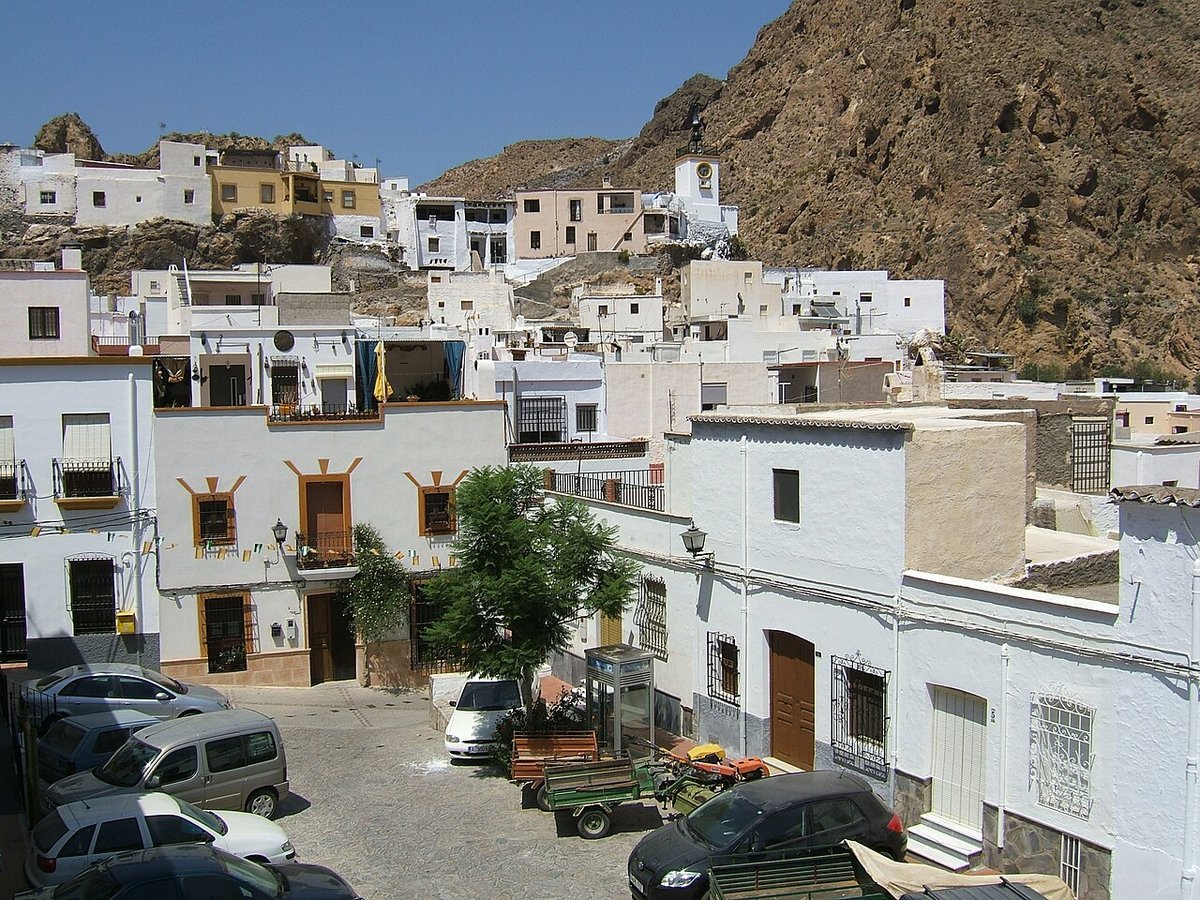
Ohanes sits at more than 1,000 metres above sea level and has just over 500 residents. It belongs to the Alpujarra almeriense, the eastern side of the Alpujarra region in the province of Almería. The altitude, the slopes and the sense of enclosure shape everything, from the layout of the streets to the way people have made a living here.
A village that embraced “ecological” before it was fashionable
When people talk about tourism in Ohanes, one fact comes up repeatedly. In the late 1990s the municipality declared itself ecological and for years presented itself as the first in Europe to carry that label. Rather than sounding like a modern marketing move, in Ohanes it feels like mountain logic. In a small community at this height, there is little room for error. Either what you have is cared for, or it is lost.
The village’s Arabic name, “Wahhans”, is often translated as “place of water”. The name fits. Irrigation channels run beneath the streets like hidden veins. If you look closely at the cobbled paving, it is clear that it was not laid at random. Rounded stones were set in place so that pack animals would not slip while climbing uphill with loads on their backs. In an agricultural village, a mule falling was not an amusing mishap but a serious problem.
These details speak of a place shaped by farming and by the practical demands of mountain life. Nothing feels decorative for the sake of it. The streets, the water systems and the steep access routes all reflect a community that depended on careful use of resources.
La iglesia de la Anunciación and a story that reaches Manila
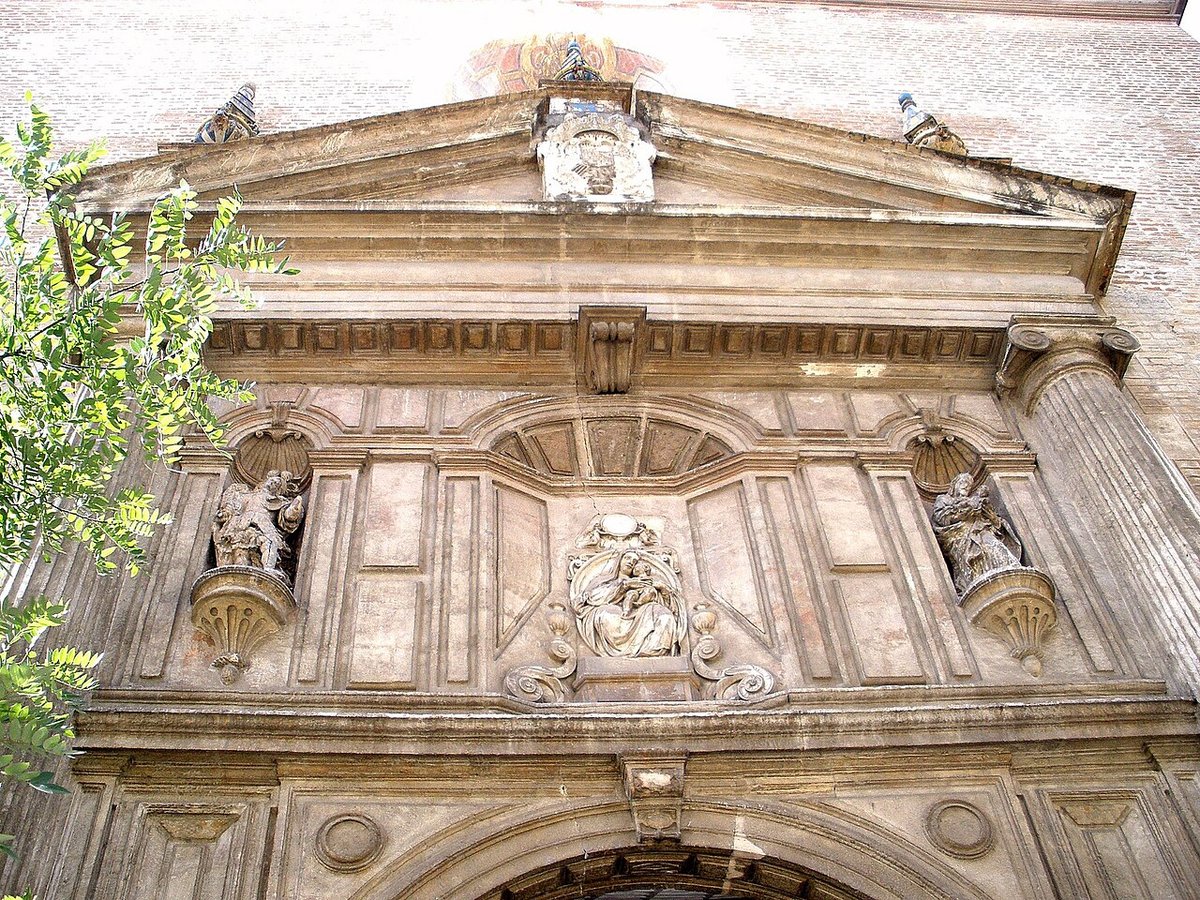
La iglesia de la Anunciación carries a layered history that echoes that of many villages in the Alpujarra. The original church was built during the Nasrid period, when the area formed part of the last Muslim-ruled kingdom in Spain. During the Morisco rebellion of the 16th century it was burned down. Reconstruction took years and the building changed over time.
Centuries later, an unexpected figure entered the story: Diego Martínez de Araque. He became regent of the Audiencia of Manila, a high judicial body in the Spanish colonial administration in the Philippines. In the 18th century he returned to Ohanes and ordered the construction of what is known as the Casa de la Torre.
The contrast is striking. A man who had lived in Manila came back to a small mountain village in the Alpujarra and built a stately home there. It has the feel of someone who, after a global career, chooses to return to their birthplace and make a mark on it.
Inside La iglesia de la Anunciación there are images that are especially venerated by the people of Ohanes. Their importance becomes most visible on 25 April, during the fiestas of San Marcos. On that day the village changes pace. Residents who live elsewhere return for the celebrations, and in a place this size the difference is immediate. The main square can shift from quiet to lively within hours.
Arrocillo, correas and the grape that travelled far
The local cooking in Ohanes follows the pattern of many mountain villages: dishes created from what was available nearby and from the need to waste nothing.
One of the best known is arrocillo. It combines rice with meat, often rabbit, and vegetables from the surrounding area. Traditionally it was cooked over a wood fire. There is nothing elaborate about it. The appeal lies in the slow preparation and the sort of flavour that suits a day spent walking in the hills.
Another dish that appears in local conversation is correas, a pork stew associated with the time of the matanza, the traditional pig slaughter that supplied families for months. The name raises eyebrows, yet it refers to parts of the animal that had to be used when throwing food away was not an option.
Then there is the grape. The so-called uva de Ohanes, also known as “de embarque”, was for a long time one of the main economic drivers of the area. From the 19th century it was shipped out through the port of Almería to other countries. The idea still feels slightly surreal: bunches grown in a mountain village travelling across borders and ending up on tables in other parts of Europe. For Ohanes, the grape connected a high, rural settlement with international trade.
Walking routes in the sierra
The landscape around Ohanes invites exploration on foot. Several marked paths head out into the sierra and show how closely the village is tied to its surroundings.
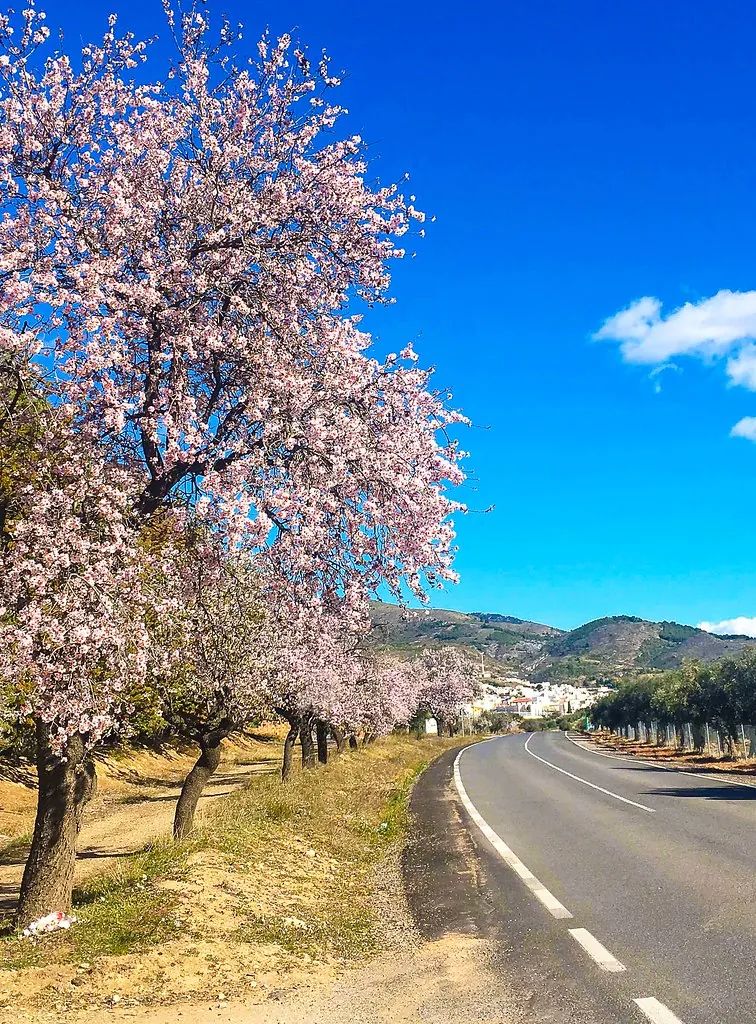
One of the best known is the PR-A 248, called the Camino de la Sierra. It covers around 8 kilometres and involves significant changes in elevation. The route passes through almond groves, agricultural terraces and the remains of cortijos, the rural farmhouses that once supported life in these hills. It is not a technical trail, but it does underline a basic truth about the Alpujarra: here you are usually going uphill or downhill.
The PR-A 249 follows the valley of the Río Chico. It is shorter and generally more manageable. Along the way you pass areas where, according to local accounts, one of the first hydroelectric installations in the region provided electricity in the early 20th century. Ohanes has at times been nicknamed “los americanos de la Alpujarra” because it is said to have enjoyed electric lighting unusually early for the period. The name hints at a reputation for being slightly ahead of the curve.
The romería of Tices
On the first Sunday of May many residents make their way up to the hermitage of the Virgen de Tices. The romería, a traditional pilgrimage, is done on foot and the climb is demanding. The views from the top help explain why the site became a gathering point.
It is a family-oriented occasion. Blankets are spread on the ground. Food emerges from rucksacks and baskets. Wine is passed from hand to hand. Conversations stretch out over hours. The day begins with a walk and ends with a long, relaxed meal in the open air.
A quiet stop in the Alpujarra almeriense
Tourism in Ohanes makes most sense as part of a wider journey through the Alpujarra almeriense rather than as a base for an extended stay. The appeal lies in its scale and in the way its history, food and footpaths fit together without fuss.
Ohanes does not overwhelm with grand monuments or packed schedules. Instead, it offers steep streets shaped by water channels, a church marked by centuries of change, a grape that once travelled far beyond these hills, and mountain routes that remind you where you are. In a region defined by altitude and effort, that feels entirely in character.