Full Article
about Padules
Alpujarra village known for its historical reenactment of the Paz de las Alpujarras and its wines.
Ocultar artículo Leer artículo completo
Padules wakes before the sun hits the valley floor. By seven the irrigation channels already chatter, fed by overnight melt-water from the Sierra Nevada, and the first wood-smoke drifts across flat roofs still wet with dew. At this hour the village smells of earth and almonds rather than sunscreen; the only traffic is a single van delivering bread from Canjáyar, horn beeping twice outside Barroso bar.
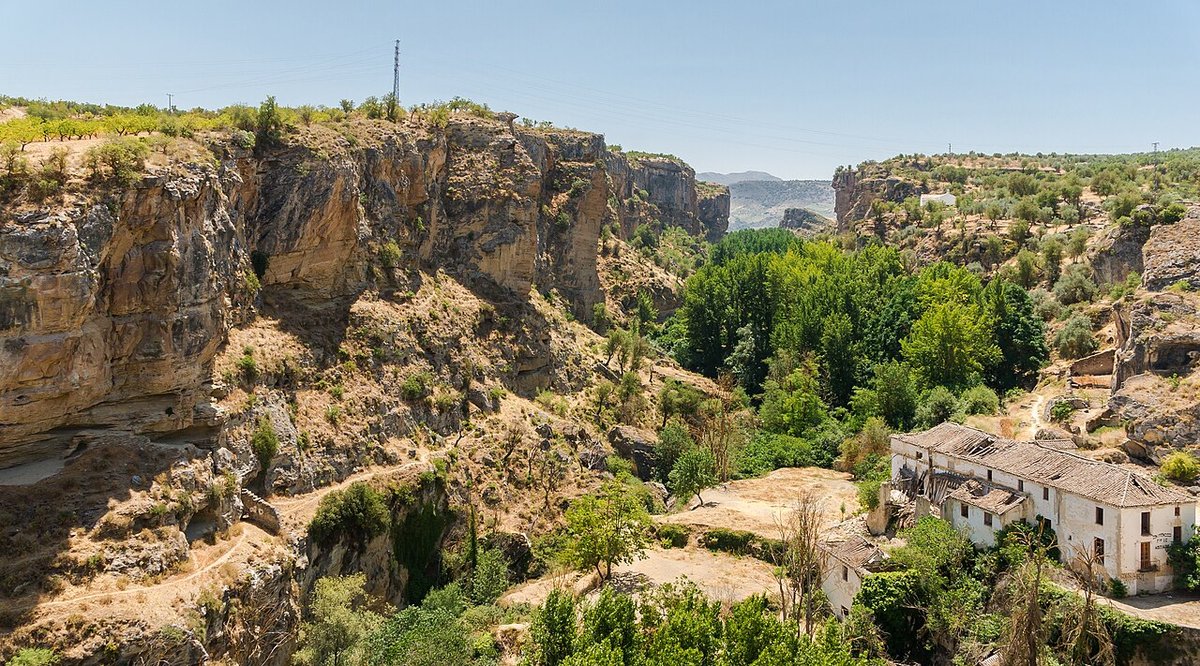
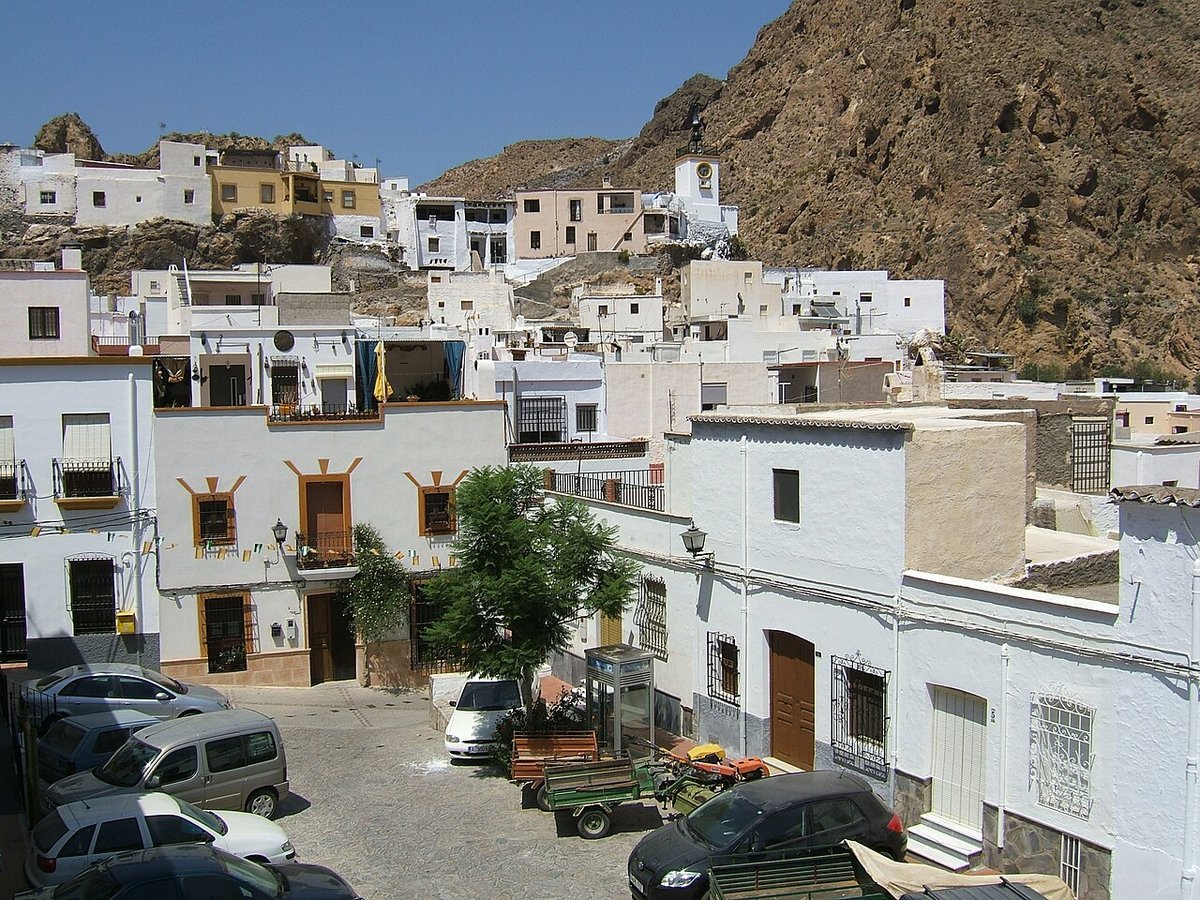
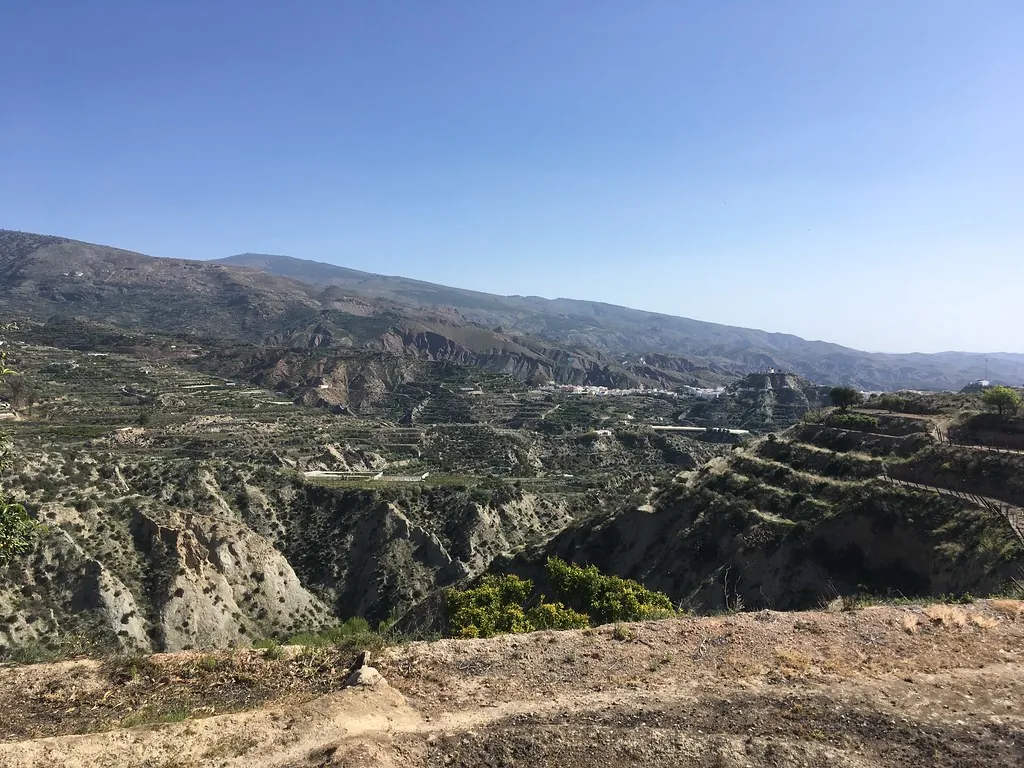
Standing at 754 m on a shelf above the Río Andarax, the settlement was never designed for passing trade. Its 437 inhabitants live in terraced houses that step downhill like the original Berber builders were counting contour lines. Walls are a metre thick, roofs carry a crust of grey launa clay, and every tiny plaza angles itself to catch winter sun yet dodge the worst Levante wind. The result feels half Moroccan, half Cotswold-cottage, only with better tomatoes growing in the alleyways.
Getting up, getting in
The drive from Almería airport takes fifty minutes on paper, closer to seventy once you factor in the final 8 km of the ALP-712: a single-lane strip that corkscrews through dwarf oaks and suddenly delivers you onto the village brow. Car hire is essential; buses run twice a week, never on Sunday, and the nearest functioning cash machine is back down the mountain in Órgiva. Bring sterling coins to swap – the bakery will change a ten-euro note if you buy a loaf, but only out of neighbourliness.
Leave the motorway later than 14:30 and you’ll meet the school-run donkey as well as oncoming traffic; both demand reverse gear and a degree of optimism. Sat-nav loses signal in the final ravine, so screen-shot the route while you still have 4G. First-time visitors usually arrive convinced they’re lost, then round the last bend to find the church tower perfectly framed by poplars and decide the anxiety was part of the deal.
A day’s rhythm
Morning belongs to the growers. Smallholdings no bigger than a Wimbledon court still produce aubergines, peppers and the local black cabbage that ends up in winter stews. Channels dug in Moorish times distribute water on a strict rota: Mondays and Thursdays the upper terraces, Tuesdays and Fridays the lower. Ignore the timetable and an elderly señora will appear with a rake to explain, without English but with gestures, that your hose is stealing tomorrow’s turn.
By eleven the bars fill with men in boiler suits discussing almond prices over milky coffee. Tourists – there may be six – are noticed but not fussed over. Order a café con leche and you’ll get it in a glass that’s too hot to hold; ask for tea and you’ll receive a metal pot of unidentified leaves that somehow works. Both cost €1.20, cash only, no receipt.
Lunch is the big meal. Restaurants open at 13:30 and stop taking orders the moment the last chair is full, usually around 14:15. Restaurante Abad, opposite the church, serves a three-course menú del día for €12 that begins with garlic soup heavy enough to stun a goat and ends with cinnamon-doused rice pudding. Vegetarians survive on revuelto de setas – scrambled eggs with foraged mushrooms – while carnivores get pork loin in an almond sauce that tastes like satay without the chilli. House white comes from a cooperative in nearby Laujar and travels less distance than most London tap water.
Afternoon shuts down. Metal blinds clatter, dogs stretch across doorways, and the village sleeps until the temperature drops from “fierce” to merely “warm”. This is when the GR-142 long-distance path becomes useful: a ten-minute climb through olive groves leads to an old mule track that contours around the Cerro del Almirez, giving views west to the Sierra de Gádor and east to the snow-streaked Veleta. The full circuit takes four hours and demands boots with ankle support; a shorter 45-minute out-and-back reaches the ruined flour mills in the barranco, their millstones still lying where they fell during the 1956 flood.
Evening brings colour. At sunset the west-facing walls glow terracotta, while the east side slips into blue shade. Swifts replace swallows, church bells count to eight, and bars set tables outside for the one hour when T-shirts are comfortable. Night-time temperatures fall 15 °C from the daytime high; even in July you’ll want a fleece after midnight. Locals treat the plaza like an open-air living room: grandparents on one bench, teenagers on another, babies passed between them in an orderly rotation that would impress a military parade.
Calendar versus clock
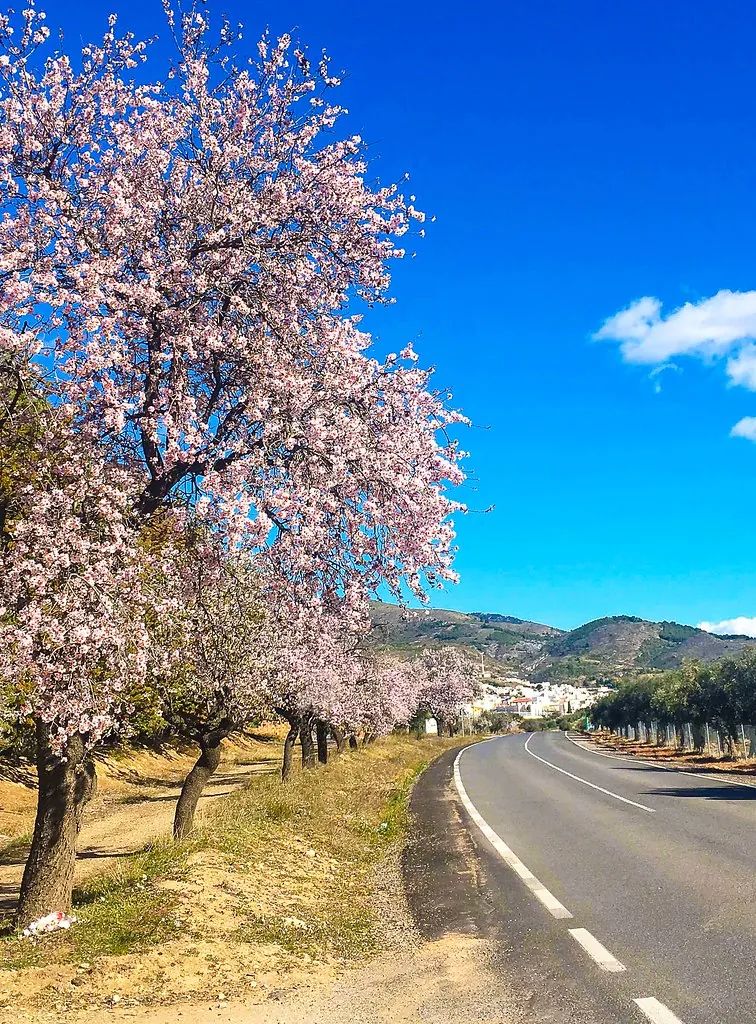
Time here follows the agricultural year more than the Gregorian one. January smells of wood-smoke and pruning bonfires; March explodes with almond blossom and the Fiestas Patronales that squeeze the entire population into a church built for 150. May is green and loud with frogs; August empties the village as families head to the coast, leaving only the baker and one reluctant teenager to feed stray cats. October belongs to chestnuts – the Fiesta de la Castaña roasts tonnes of them in the square, pairs them with new wine and lets everyone remember when nuts were currency.
British walkers usually come in April or late October, when daytime peaks sit around 22 °C and the GR-7 can be walked without carrying three litres of water. November brings mist that fills the valley like milk; photographers arrive with tripods and leave happy, though they still complain about Monday closures. Snow arrives unpredictably between December and February, rarely lasts more than three days, but turns the access road into a toboggan run. Chains are sensible; local farmers simply wait until the sun does the gritting for them.
What doesn’t happen
There are no souvenir shops, no flamenco tablaos, no craft beer made with glacier water. Wi-Fi is patchy, the pharmacy opens alternate afternoons, and if the ATM swallows your card it will be twenty-four hours before anyone can open the machine. Padules offers instead a demonstration of how Spain functioned before tourism: bread at 08:00, wine at supermarket prices, and neighbours who know whose courgettes are whose.
If you need nightlife, Almería city is 55 minutes away; if you need a beach, it’s 40 km downhill to La Envía or Guardias Viejas, where the wind can fling your towel into the Med. Padules itself is simply the point where two mountain ranges agree to pause, letting a handful of people grow vegetables, raise children and keep irrigation channels clear. Stay a couple of nights, walk the old grain paths, eat almond-stuffed pork, and you’ll leave with the odd sensation that calendars are negotiable after all – a useful souvenir, even if it fits in no suitcase.