Full Article
about Paterna del Río
High-mountain town known for its chestnuts and water; birthplace of the Morisco rebellion
Hide article Read full article
A quiet corner of the Alpujarra
Some places are reached almost by accident. The road climbs in bends, you check the map more than once, and then a cluster of white houses appears on the hillside. Tourism in Paterna del Río begins a bit like that, with the feeling of having arrived somewhere that has little interest in rushing.
The village sits in the Alpujarra of Almería and has around four hundred residents. It is not a place built around attracting visitors at any cost. Life follows its own rhythm, and whether people arrive or not does not seem to change much. That sense of normality gives it a different kind of appeal from places that feel arranged for a photograph.
Inside the village
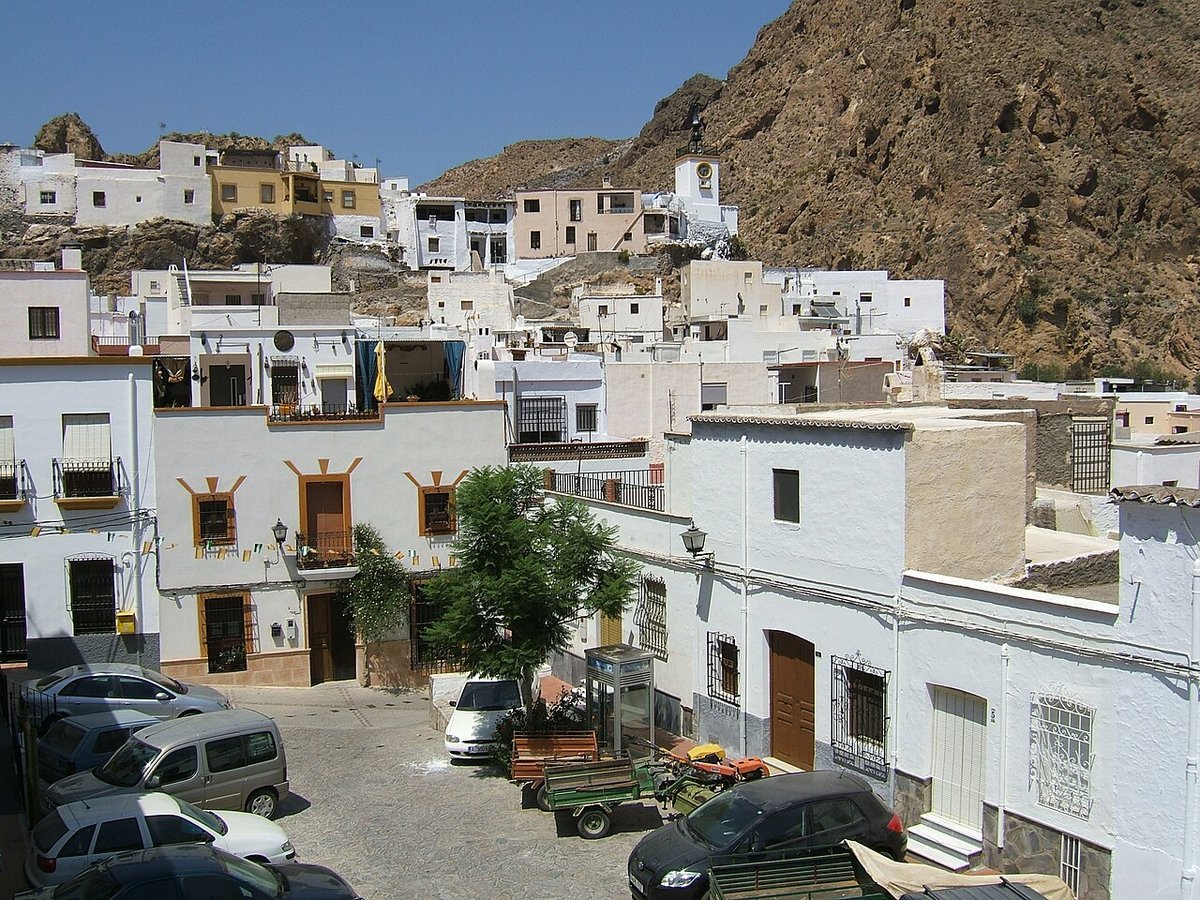
Paterna del Río stretches down the slope in terraces. The streets are short, the inclines appear without warning, and the houses are whitewashed with flat launa roofs, a traditional material used in this part of the Alpujarra. Conical chimneys rise above the rooftops like small towers.
As you walk, there is a constant sound of water. It is not a figure of speech. Acequias, the traditional irrigation channels introduced centuries ago, cross the village, and in some sections the water runs right beside the street. That steady flow becomes part of the walk.
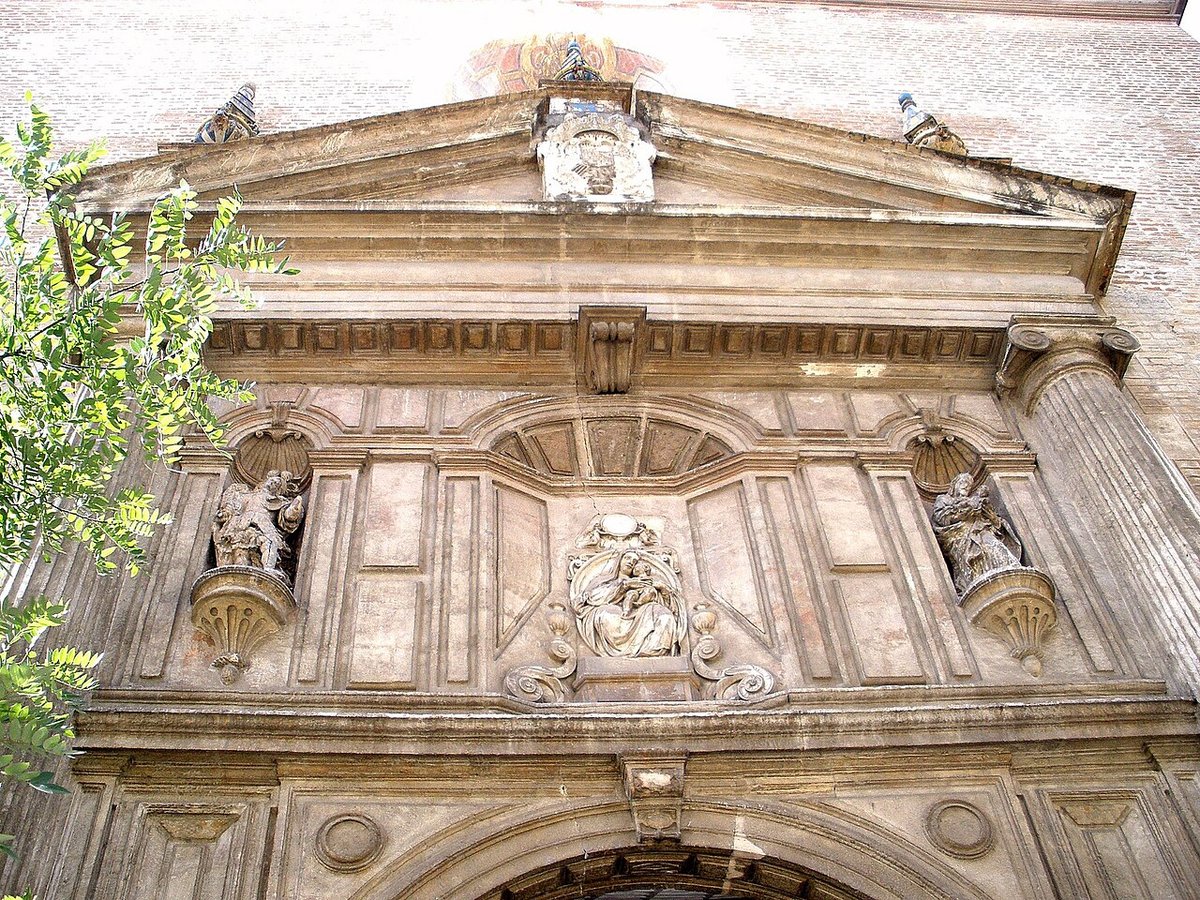
In the middle of the village stands the church of Nuestra Señora de los Remedios. It dates from the 16th century, although what you see today is fairly restrained. It is not monumental. The bell tower works more as a point of reference than as a major artistic feature. From a narrow street below, a glance upwards is enough to spot it and get your bearings.
Water and terraces
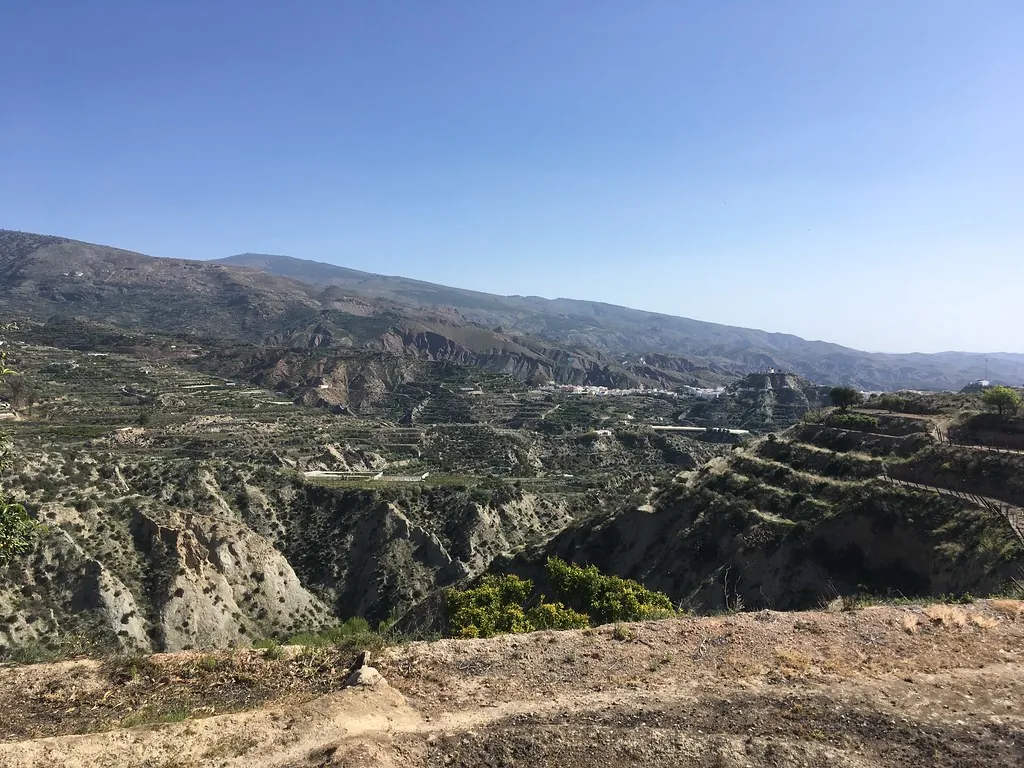
A short distance beyond the houses, the logic of the landscape becomes clearer. The network of acequias is still in use, distributing water to the terraced fields that surround the village.
These terraces, known locally as bancales, are supported by stone. Some look small at first, but up close they show the accumulated effort of many generations. In a dry environment, every piece of land matters.
Walking alongside the acequias has a steady, almost hypnotic quality. The water moves slowly and quietly, and the path often runs right along the edge of the cultivated plots. This is not a route defined by major landmarks. It is a walk that explains how the land is organised and used.
Paths, views and night skies
The surroundings are crossed by simple agricultural paths that leave the village without much ceremony. There are no large visitor facilities or dramatic viewpoints with railings. Here, a viewpoint might simply be a slightly wider stretch of path.
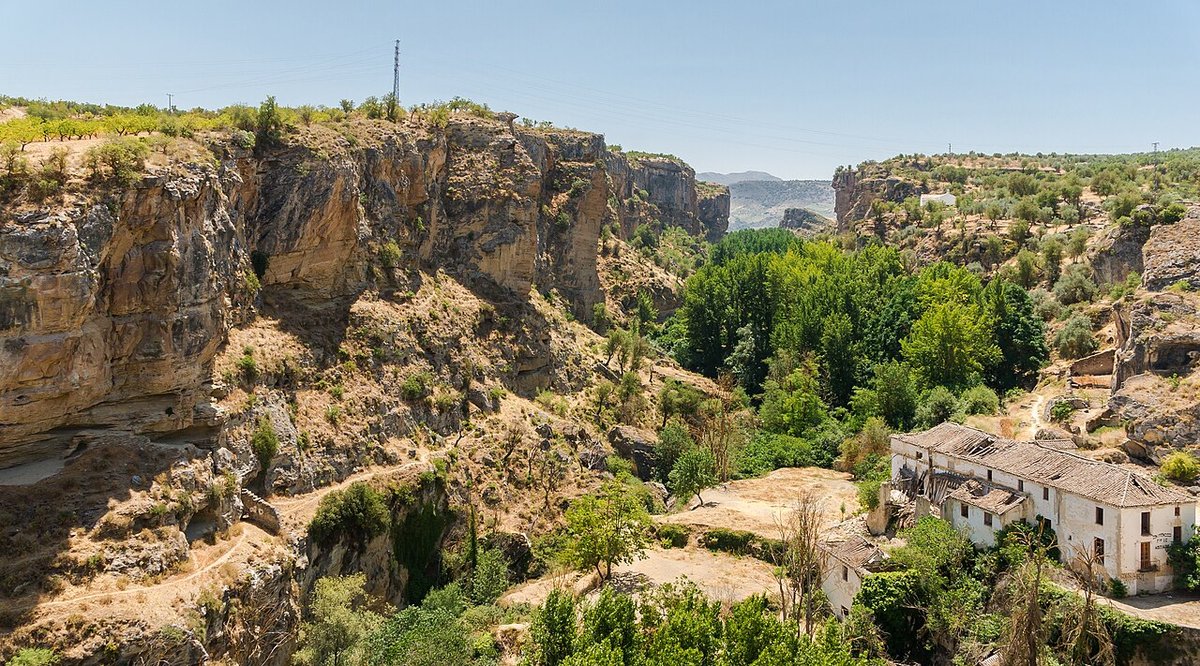
From certain points, the valley of the river Andarax opens up, and on clear days the peaks of Sierra Nevada can be made out in the distance. The contrast between dry ravines and green cultivated areas stands out.
After dark, the setting changes again. Step a little away from the lights of the centre and the sky appears with a clarity that is difficult to find along the coast. No special knowledge is required, just time to look up.
Local festivals and food
The celebrations keep a distinctly local character. In summer, the festival dedicated to the Virgen de los Remedios is usually held, with short processions through the main streets. In May, crosses decorated with flowers appear in some squares, a tradition seen in different parts of Andalusia.
During winter, traditional matanzas are still carried out, with many people in the village taking part. These communal pig slaughters were once a key part of rural life, providing food for the months ahead, and they still reflect how communities organised themselves.
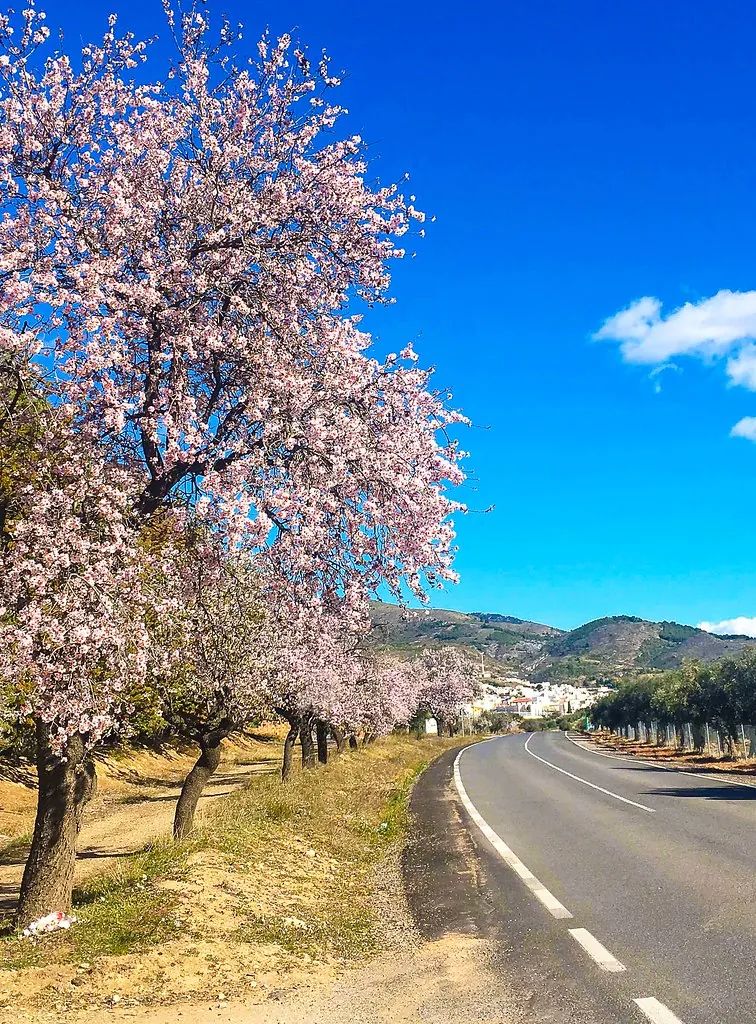
Food here is direct and rooted in what is available. Dishes are filling, based on seasonal produce and recipes that are widely known locally. Migas, a hearty dish made from breadcrumbs or flour, appear when the weather turns cold. Almonds are common, along with local honey and homemade cured meats often prepared in private homes.
Paterna del Río does not try to impress. That may be where its appeal lies. A quiet walk, the sound of water moving through the acequias, and a clear sense of how a small Alpujarra village functions without focusing on appearances. It is simple, and that simplicity tends to stay with you.