Full Article
about Santa Cruz de Marchena
Small town known as the orange-tree village; its streets still hold a Moorish feel.
Hide article Read full article
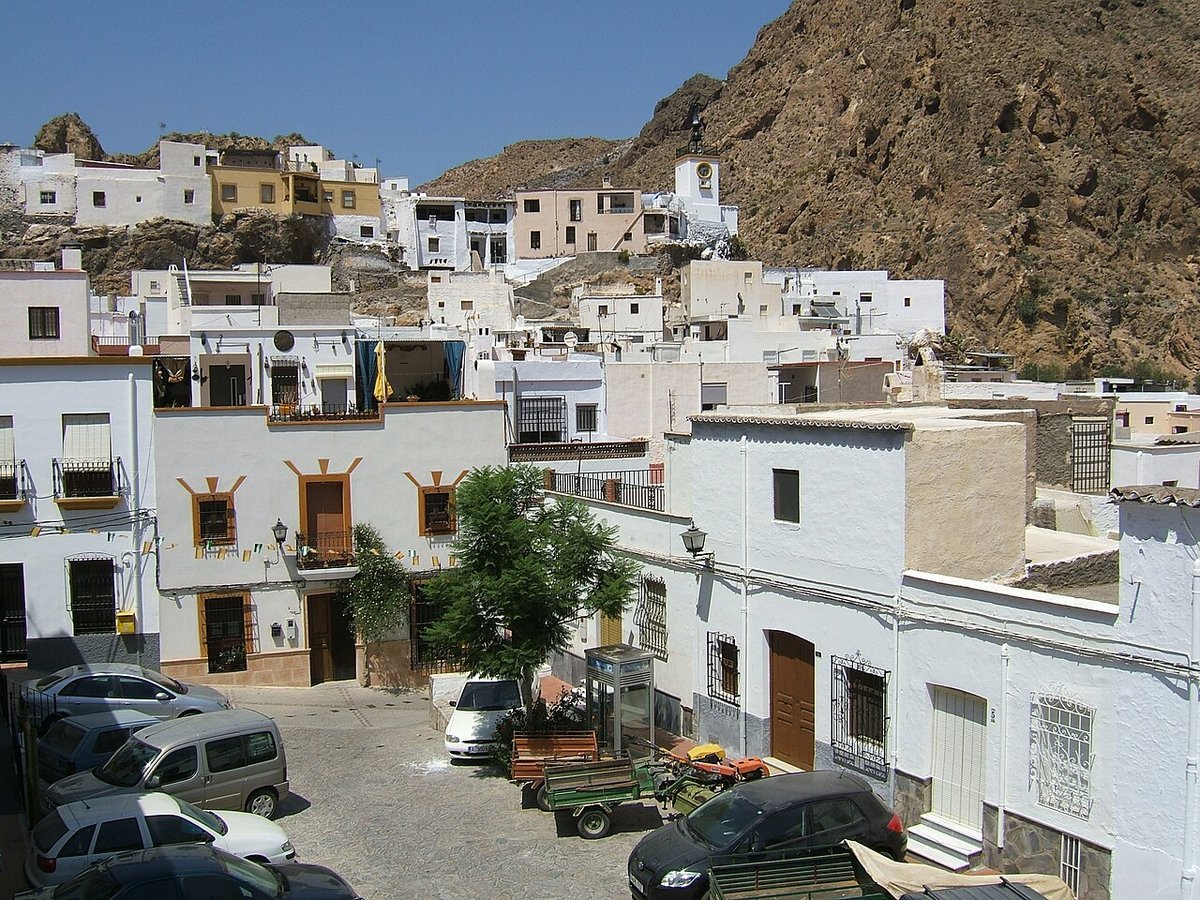
The first sound is usually a door closing, somewhere uphill. Then the smell of turned earth reaches the street, carried on air that’s still cool from the night. In Santa Cruz de Marchena, a village of 236 people in the Alpujarra Almeriense, the day begins with the land.
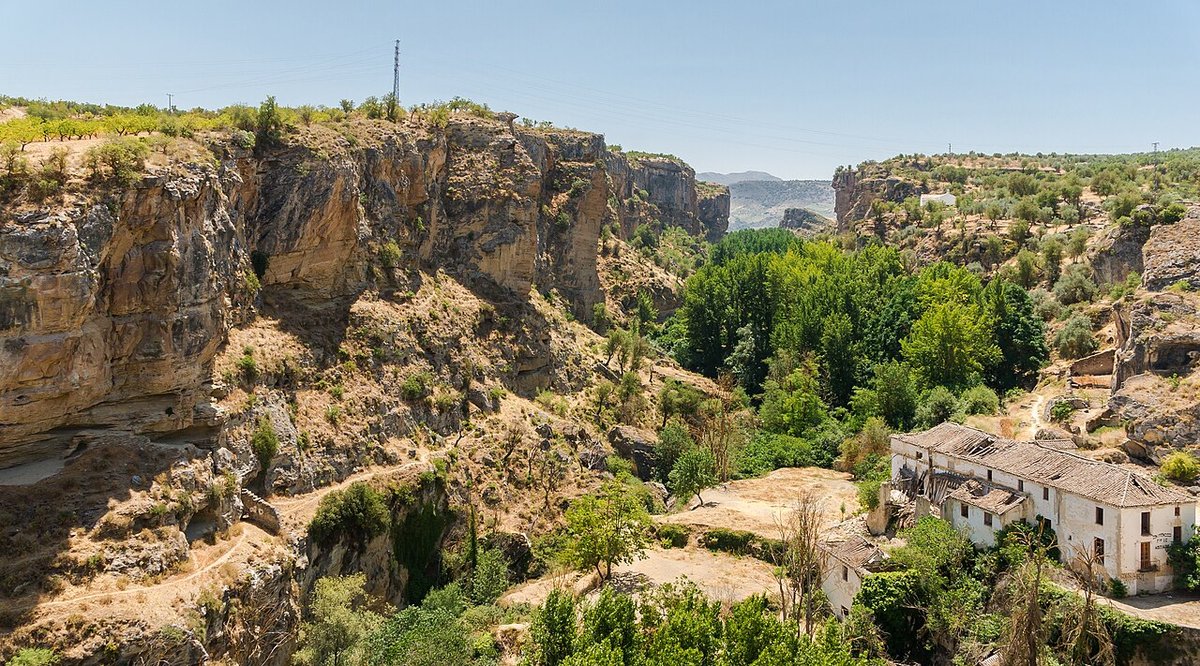
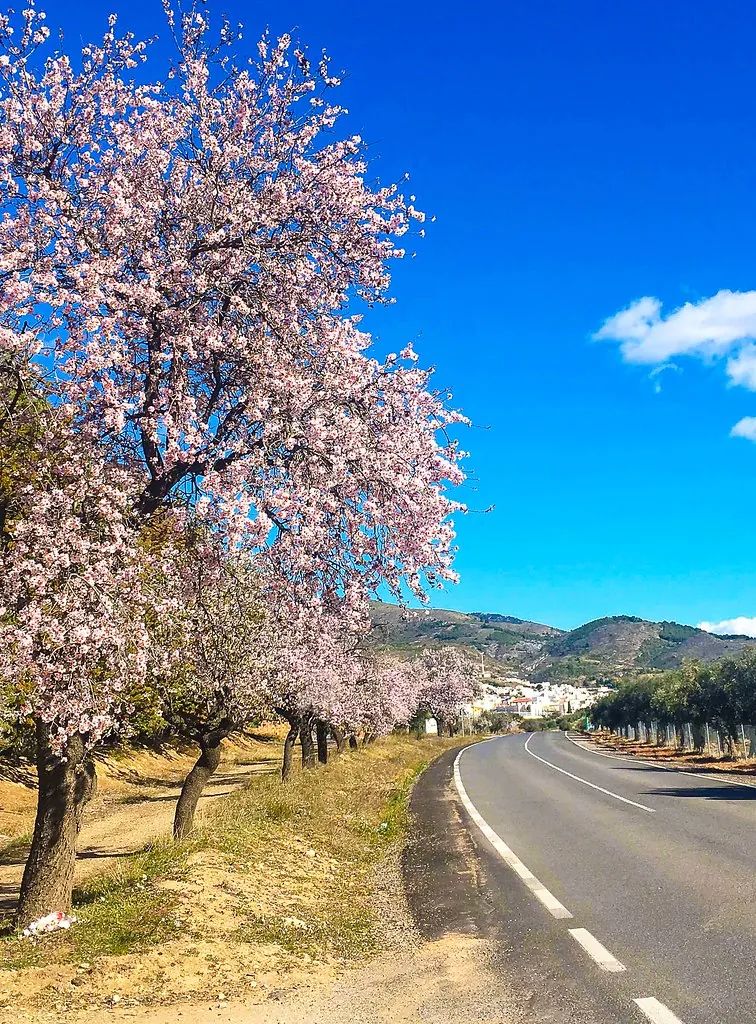
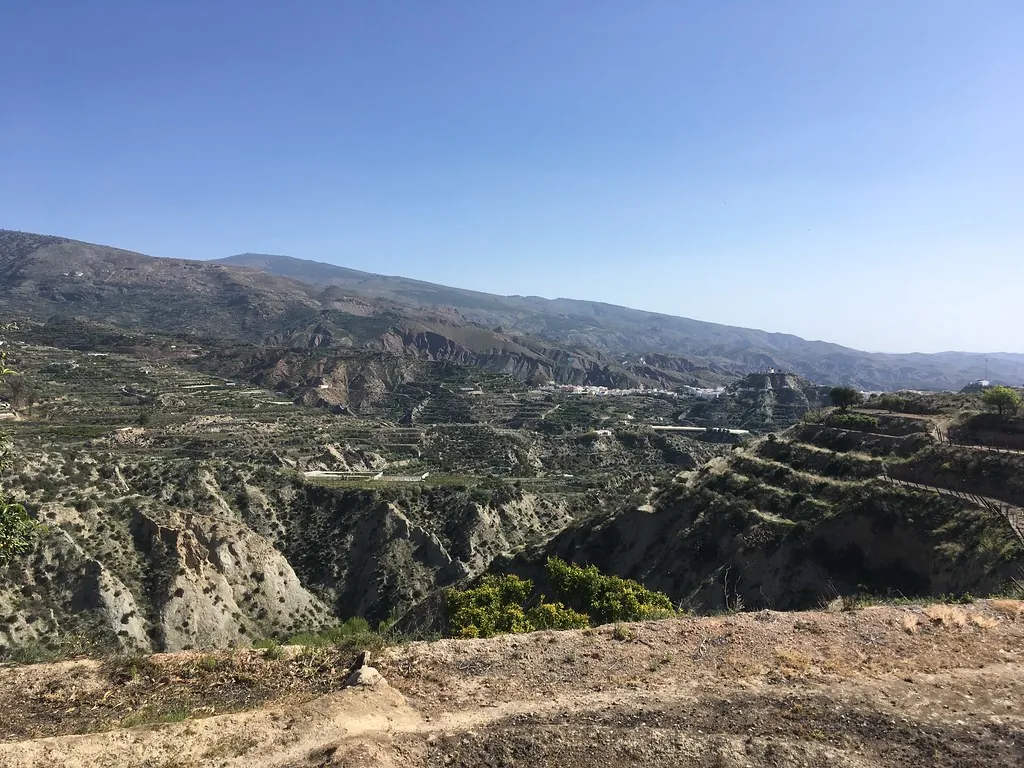
It takes about an hour by car from Almería, following roads that curve through terraces of almond and olive trees. The village appears suddenly, its white houses stacked against a hillside where the only constants are stone walls and the dry, rust-coloured soil.
A centre built for shade
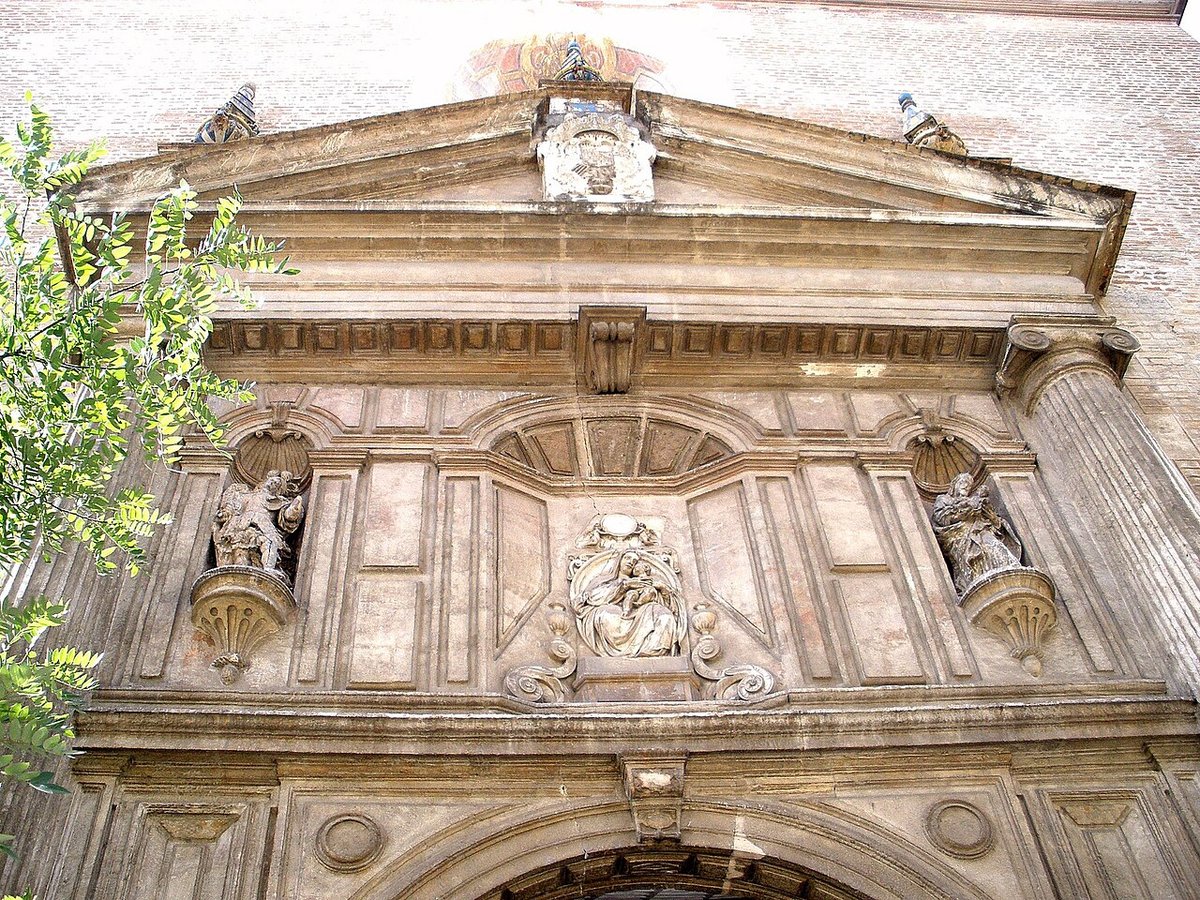
The heart of the place is a small square where light bounces off whitewashed walls and voices carry further than you’d expect. The parish church of Santa Cruz sits here, its thick walls and simple bell gable typical of the Mudéjar tradition that lingered in these valleys. By mid-morning, chairs appear in doorways and conversations start in the middle of the street, because there’s rarely a car to interrupt them.
The lanes don’t follow a grid; they climb and turn according to the slope of the hill. Walking them slowly reveals more than walking them with purpose: the texture of sun-warmed plaster, the shadow of a vine against a wall, the precise click of your own footsteps in a passage barely wide enough for two.
The terraces below
Step past the last house and the village gives way to bancales—agricultural terraces that step down toward the Andarax river valley. These are working plots, not scenery. Old olive trees grow here, their trunks twisted by wind and time, alongside almonds that fill the air with a faint, sweet dust when they blossom in late winter.
In spring, you might see someone tending a small rectangle of broad beans or tomatoes, mostly for their own kitchen. The paths between these terraces are made of packed earth and loose stone, worn smooth by generations of feet and the occasional mule.
Walking without signs
The network of rural tracks around Santa Cruz de Marchena isn’t designed for visitors. There are no signposts or coloured markers. These are farmers’ paths, used to reach an orchard or mend a wall.
You can walk them, but you’ll need a good map or a GPS on your phone. It’s easy to take a wrong turn where one track splits into three. The ground underfoot changes from gravel to hard clay to loose shale, each with its own sound. In summer, avoid the middle of the day; there’s little shade and the light feels heavy, pressing down on the hills.
Days marked by tradition
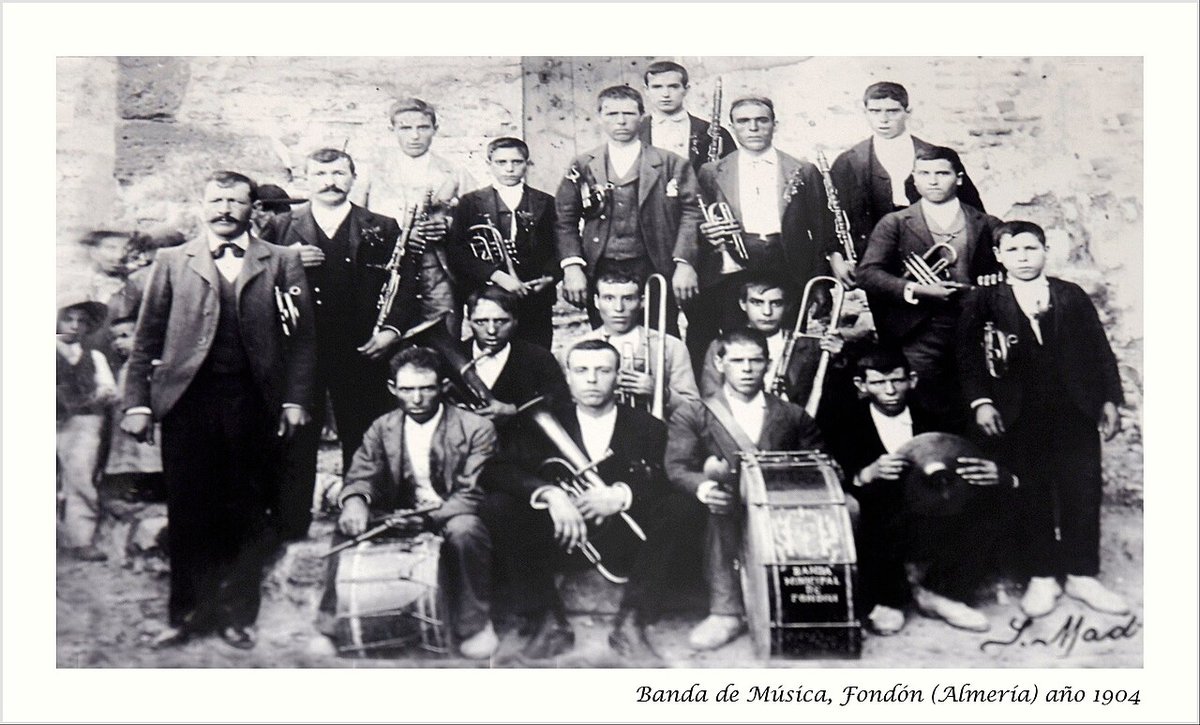
Life here follows a rhythm set by the church calendar and the seasons. The main fiesta usually falls in summer, when families who’ve moved away return. The streets fill with noise then—music from a borrowed speaker, the sizzle of meat on a grill, children chasing each other past doorways that are normally closed.
There are romerías too, communal walks to a hermitage or a crossroads shrine. These are slow affairs, more about being together than arriving anywhere. Food is central: large pans of migas cooked over an open fire, stews that simmer for hours until the meat falls apart. You smell them all day—woodsmoke, garlic, paprika—hanging in the narrow streets.
A practical note on timing
Come in spring or autumn if you want to walk. The light is kinder then, and the land is alive with work—pruning, planting, harvesting. August has its own energy, louder and more communal, but visit on a weekday morning if you want to hear your own thoughts. That’s when you’ll find Santa Cruz de Marchena as it is most days: quiet, awake early, and smelling of soil.