Full Article
about Alpujarra de la Sierra
Municipality made up of Mecina Bombarón and Yegen; known for being Gerald Brenan's home and preserving the unspoiled Alpujarra character.
Hide article Read full article
Early in the morning, when the sun has barely touched the whitewashed façades, the villages of Alpujarra de la Sierra are still held by the quiet of night. A door opens here and there, water runs along a nearby acequia, and every so often a car engine starts on a steep incline. At over a thousand metres above sea level, the day begins slowly. Life here still follows the pace of the land and the seasons.
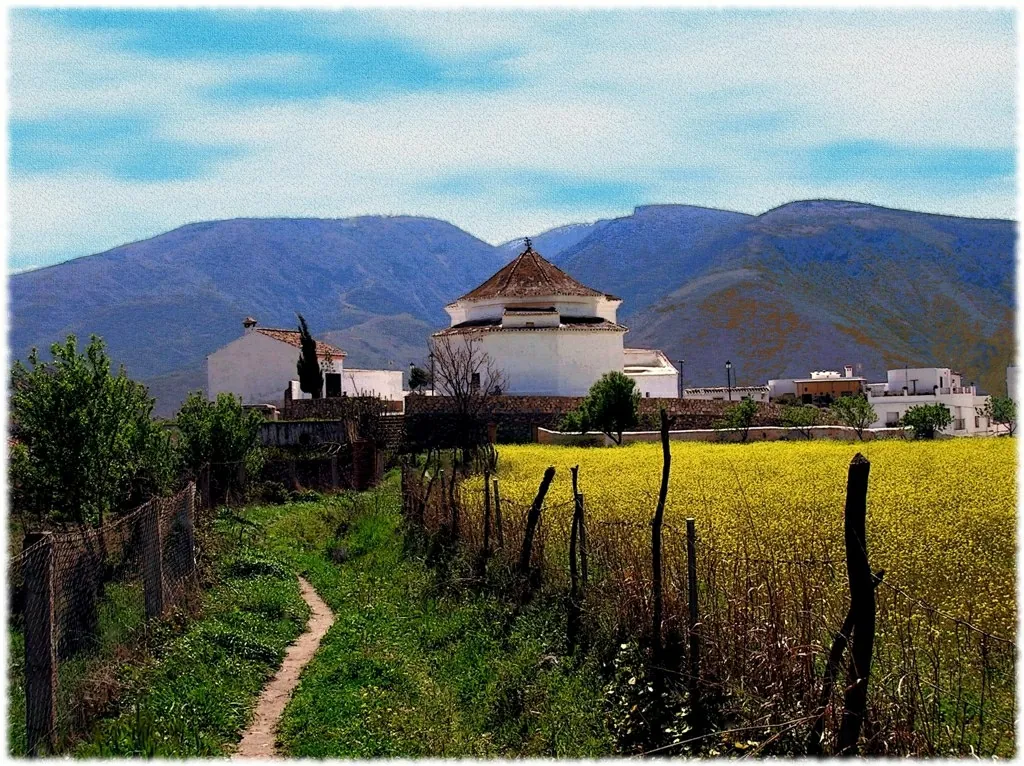
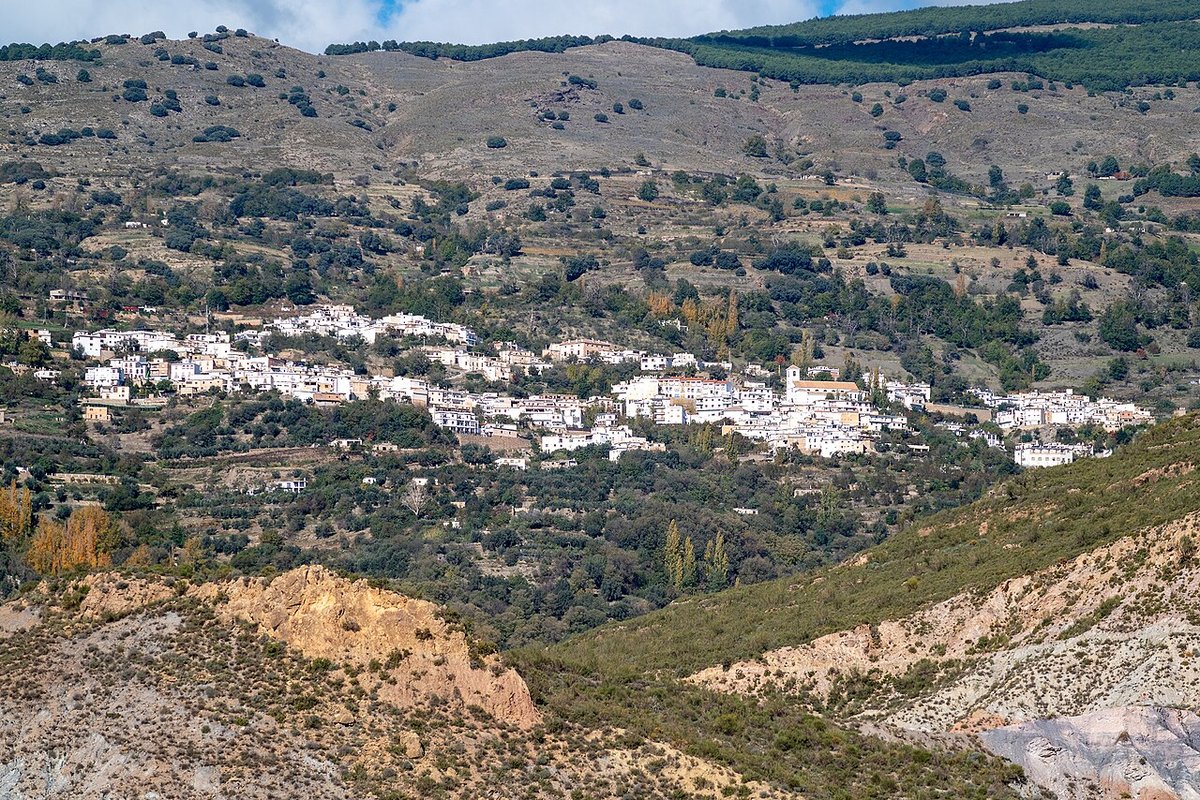
From the higher slopes, Sierra Nevada is always in view, its peaks marked by patches of snow for much of the year. Below, the landscape falls into terraces: almond trees, fig trees, some chestnuts, and small kitchen gardens still used for household crops. Stone walls have held these levels in place for generations, while the acequias, many inherited from the Andalusi hydraulic system, continue to distribute water with a steady murmur.
Three villages on the hillside
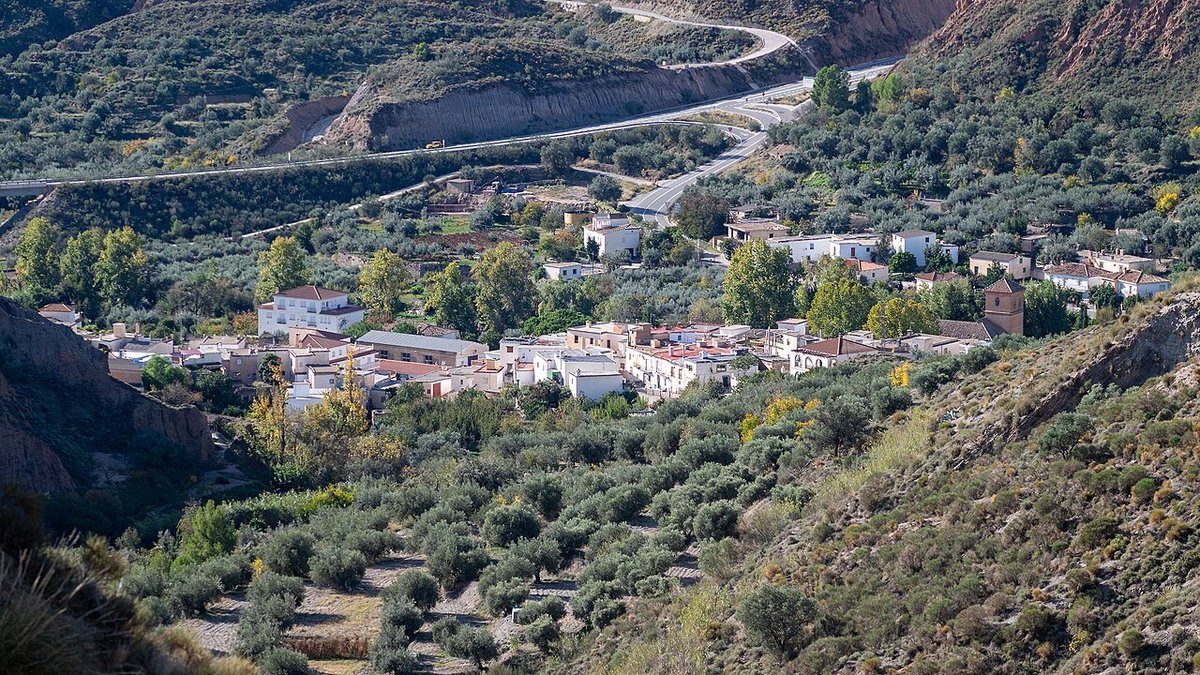
The municipality is not gathered into a single centre. Instead, it is made up of three villages, Mecina Bombarón, Yegen and El Golco, separated by only a few kilometres of winding road that threads through ravines and slopes. It is best taken slowly. There are tight bends, and in some stretches there is barely room for two cars to pass.
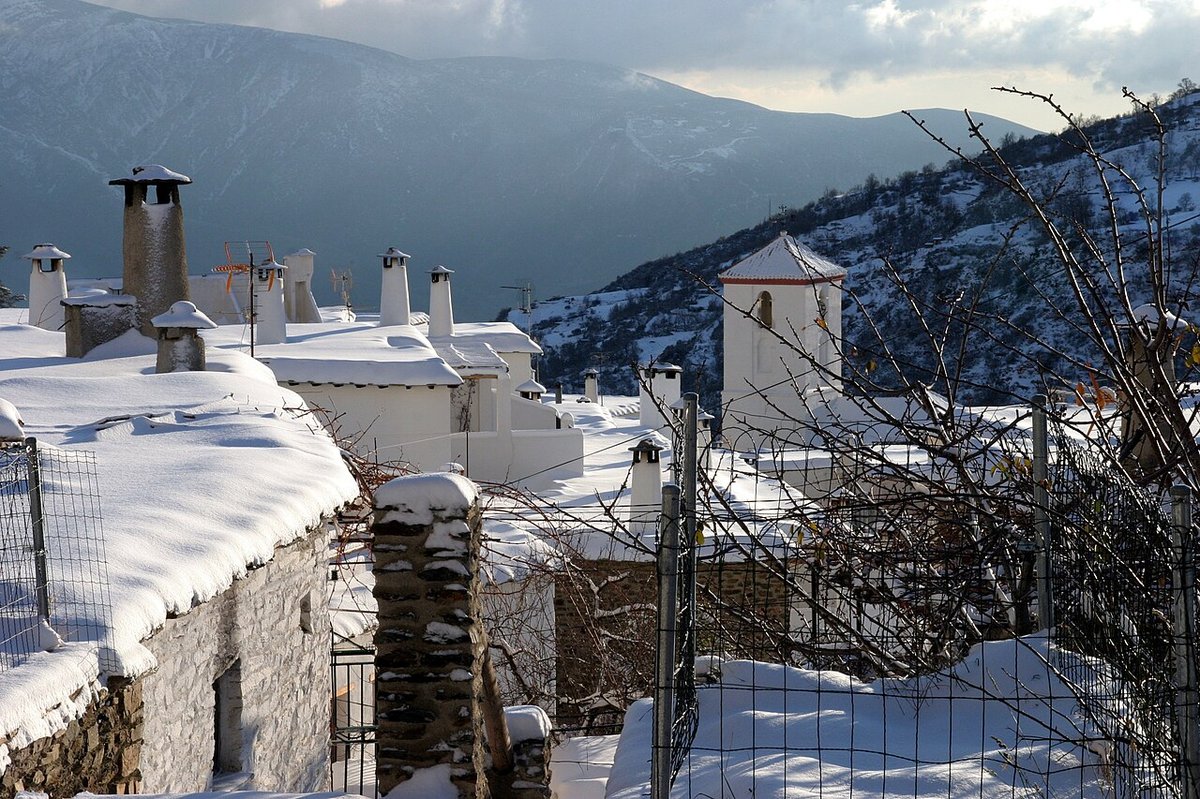
The houses keep the most recognisable features of Alpujarran architecture: white walls, flat roofs and chimneys rising like small cylinders from the rooftops. By mid-morning, sunlight bounces off the walls and everything appears almost dazzling. In winter, smoke from the chimneys lingers above the roofs, and the air carries the scent of damp firewood.
Mecina Bombarón serves as the administrative centre. Its parish church is usually dated to the 16th century, built after the Christian repopulation of the area. It is not a monumental building. The interest lies more in the village as a whole: sloping streets, small tinaos that link one house to another, and vegetable plots pressed up against the last rows of homes. A tinao is a typical covered passage or extension between houses, a feature that reflects how closely these spaces are arranged.
Acequias, terraces and old paths
Much of the area is best understood on foot. The paths that connect the three villages often follow older routes, once used by pack animals, by neighbours travelling between settlements, or by farmers heading down to their plots.
Alongside these paths, open acequias frequently appear. The water runs cold even in the height of summer, and its sound accompanies long stretches of walking. In spring, when meltwater feeds the channels, the edges fill with fresh grass and small flowers that are barely visible from the road.
Long routes are not essential. Even a short walk around the surroundings reveals how the terraces work and how water is shared. For those heading higher, towards areas near the boundary of the national park, it is worth checking the weather carefully before setting out. Conditions change quickly here, and the difference in temperature between valley and mountain is noticeable.
Food shaped by the land
Cooking here remains closely tied to what the land provides and what can be preserved at home. In winter, meals tend towards hearty stews, slow-cooked dishes and products from the traditional matanza, the seasonal slaughter that supplies preserved meats.
When the cold sets in, migas are still a common dish in many households. This simple preparation, based on breadcrumbs or flour, reflects a way of cooking that makes the most of basic ingredients.
In autumn, chestnut trees take on greater importance in some parts of the municipality. It is not unusual to see locals gathering spiny husks from the slopes. Almond trees are scattered across the sunniest terraces, and towards the end of winter, when they blossom, the hillsides turn white for a few brief weeks.
When to go and practical notes
Spring and autumn are usually the most pleasant times for walking. In summer, the sun becomes intense from midday onwards, and many streets are fully exposed. In winter, nights can be quite cold at this altitude.
If arriving by car, it is worth noting that parking within the villages is limited and some streets are very narrow. It is generally easier to leave the car at the entrances and continue on foot.
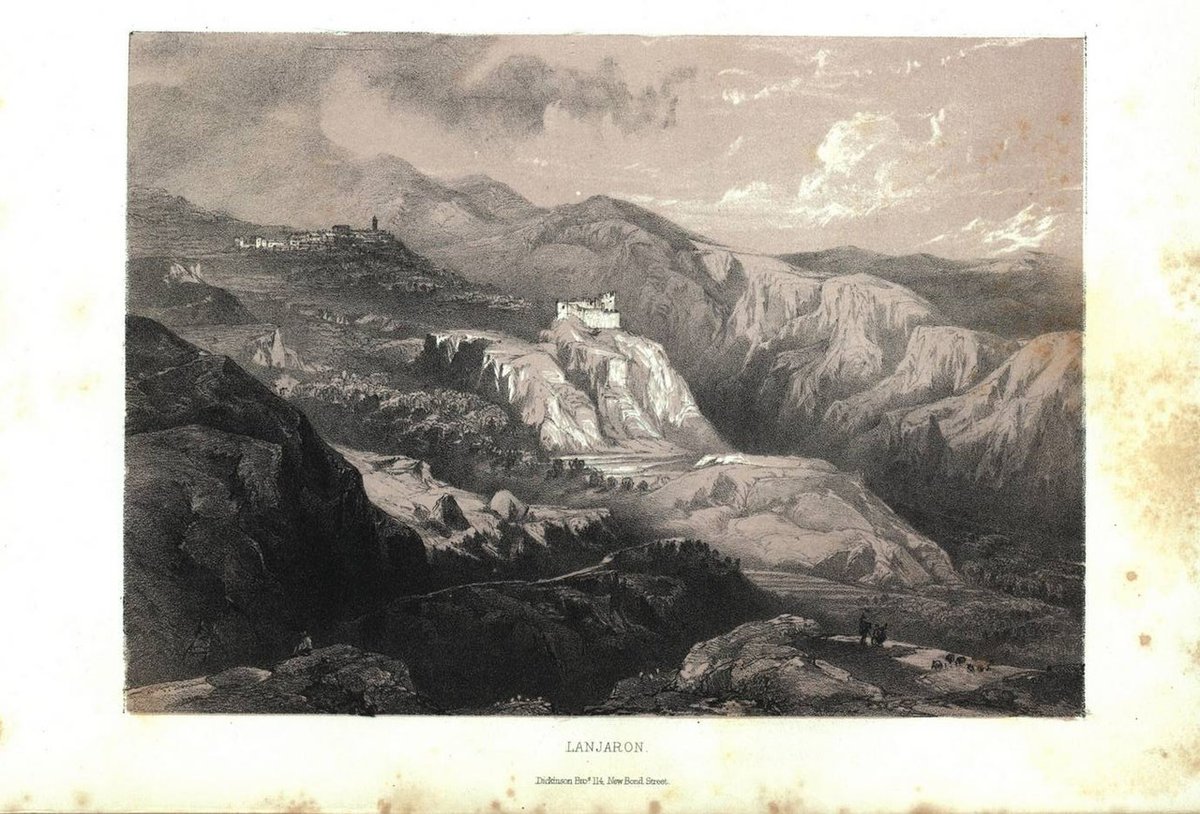
Reaching the area from Granada involves crossing much of the Alpujarra along the road that climbs from Lanjarón and continues eastwards. It is a long but rewarding journey, with the sense of gradually entering a mountain landscape that has been inhabited for centuries, where each bend reveals another village clinging to the hillside.