Full Article
about Bérchules
High-mountain village known for holding New Year's Eve in August, ringed by chestnut trees and natural springs in the heart of the Alpujarra.
Hide article Read full article
A stop that turns into a stay
Bérchules has a way of catching people off guard. It often begins as a quick stop on the way somewhere else. You park, stretch your legs, take a short wander, and before long an hour has slipped by without much of a plan. Tourism in Bérchules feels like that. It is not a place that demands attention from a distance, yet once there, the slower rhythm becomes clear.
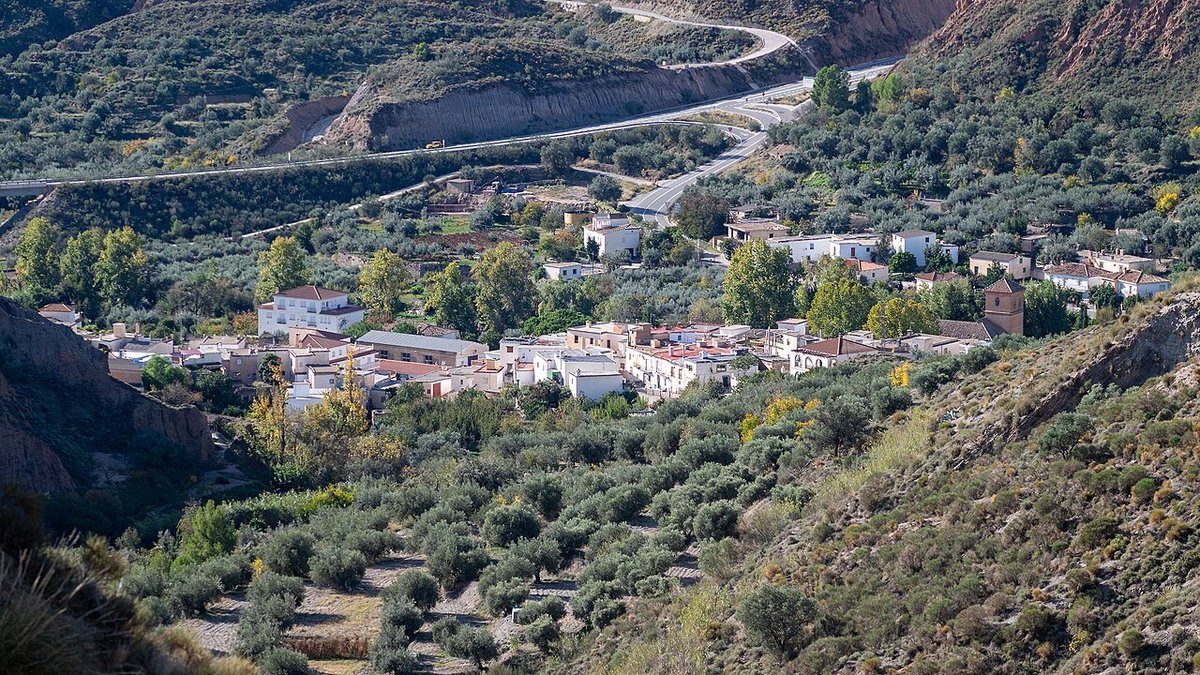
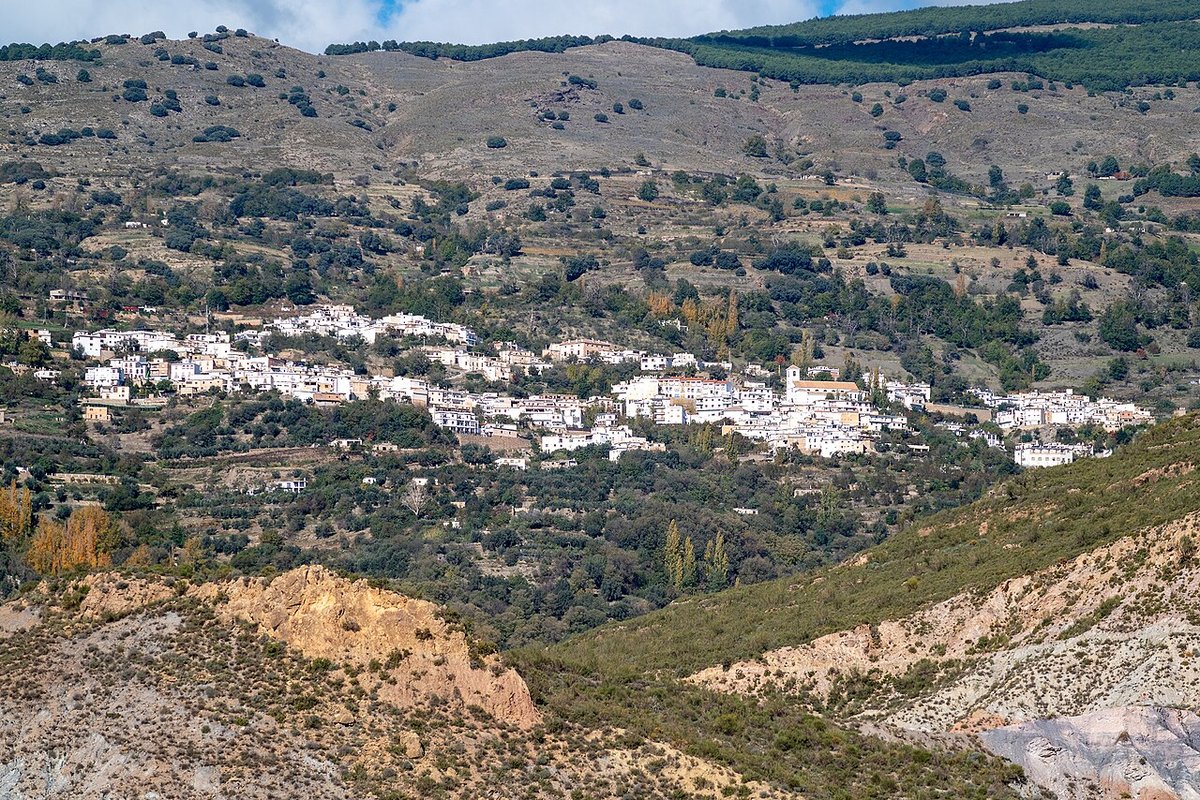
The village sits in the Alpujarra Granadina, high on the southern slopes of Sierra Nevada at around 1,300 metres above sea level. That elevation shows itself in the air and in the quiet, and in how the settlement opens out towards the Guadalfeo valley. From certain corners, the mountains appear in the distance and explain why everything here is built in terraces.
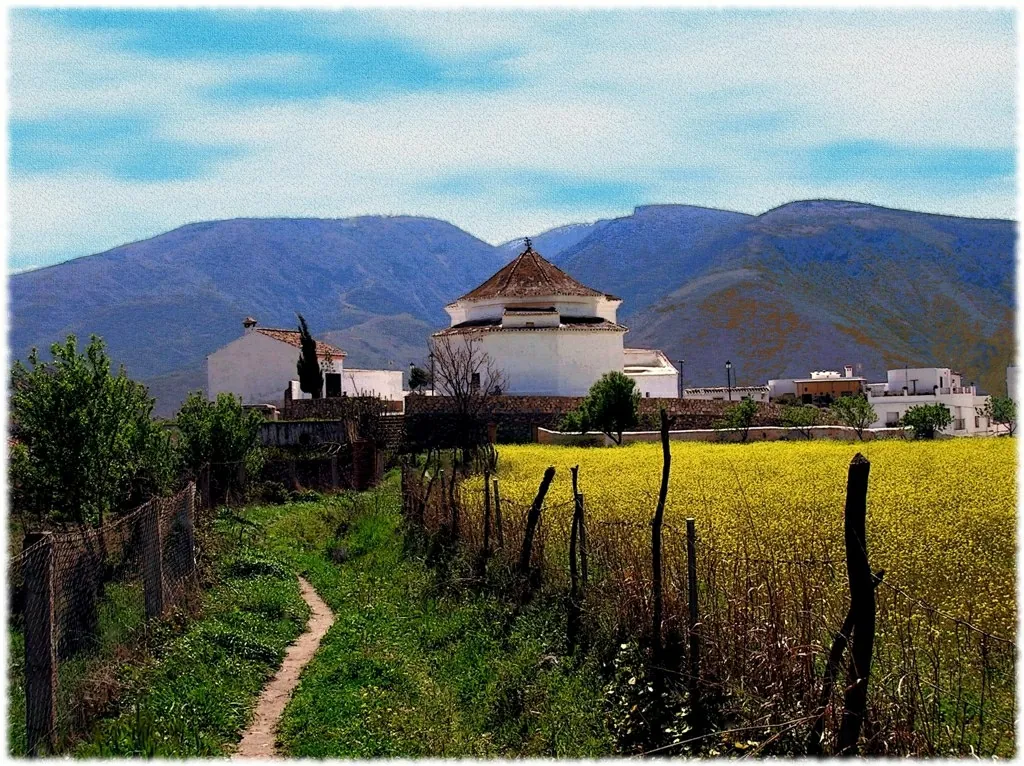
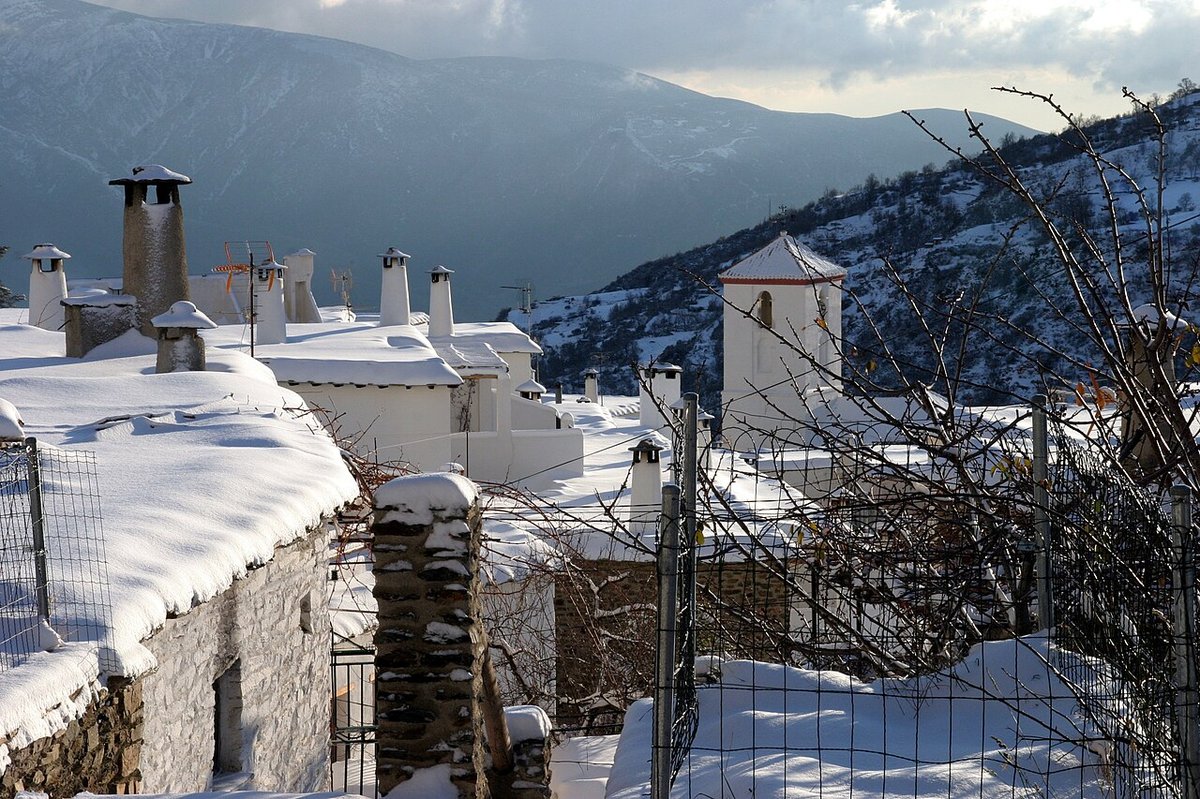
The layout follows the logic of the Alpujarra. Whitewashed walls, flat launa roofs, and streets that rise and fall without any obvious pattern. There is no neat grid. Buildings seem placed wherever the terrain allowed, and somehow it all works.
Walking without a plan suits a place like this. Narrow lanes wind between houses, a small fountain might invite a pause, and there are moments when the valley suddenly appears between rooftops.
A small centre with quiet detail
The centre of Bérchules is compact. You can cover it quickly, but it makes more sense to take your time. The Iglesia de Santa María la Mayor stands out as the most recognisable building. Its structure reflects the Mudéjar style common in the Alpujarra, though it has been altered over time.
The main square acts as a meeting point. Locals pass through, visitors arrive and check their bearings, and several streets branch off, narrowing as they go.
One noticeable aspect of Bérchules is that many houses are still lived in throughout the year. They are not simply second homes left closed for long periods. That shows in small details such as potted plants, washing hung out to dry, or doors left open when the weather allows.
Views appear in unexpected places. These are not formal viewpoints with railings or signs. They are corners where the land drops away and the Guadalfeo valley comes into view. Sometimes it is enough to follow an uphill street and wait for the landscape to reveal itself between two roofs.
Water channels and terraced land
Just beyond the village centre, the surrounding landscape becomes easier to understand. Terraces encircle Bérchules, held in place by stone walls that have been there for generations.
Water flows through acequias, traditional irrigation channels still in use. They bring water to small plots of land where chestnut trees, fruit trees and cultivated patches appear. This system is old, yet it continues to shape daily life in the area.
Several walking paths start from Bérchules and connect to other parts of the Alpujarra or climb higher into Sierra Nevada. Some routes pass through areas of oak and chestnut trees. Others cross open slopes or farmland. Most can be walked without technical equipment, although it is sensible to check conditions in winter or after heavy rain.
Time on these paths quickly shows why villages sit where they do. The terrain dictates everything, and the routes follow that same logic.
Food shaped by the mountains
Local cooking reflects what is expected in a mountain setting. Dishes are filling and designed for cold weather or long days outdoors.
Migas appear frequently when temperatures drop, usually served with chorizo or other cured meats, peppers, or eggs. Patatas a lo pobre, a simple potato dish, are common, as are various pork-based preparations linked to traditional slaughtering practices.
Cured ham is an essential part of the identity of this area of the Alpujarra. In terms of sweets, traditional recipes continue to appear during specific times of the year. Pestiños and homemade roscos are typical examples, often associated with festivals or seasonal celebrations.
The cooking is not elaborate. Ingredients are straightforward, and recipes have been prepared in much the same way for a long time.
Traditions that belong to the village
The festive calendar in Bérchules remains closely tied to local life. In winter, bonfires linked to San Antón are a common sight, part of a tradition found across many Andalusian villages.
The patron saint celebrations dedicated to Santa María la Mayor bring together much of the year’s social activity. Processions, music and returning residents give those days a particular atmosphere.
Agricultural cycles also play a role. When chestnut season arrives, gatherings around a fire become part of everyday social life rather than an event designed for visitors.
Getting there
The usual route to Bérchules begins in Granada, heading down towards the Alpujarra. From the Guadalfeo valley, the road climbs into the mountains, linking the villages along the way.
These are winding mountain roads that require a steady pace.