Full Article
about Busquístar
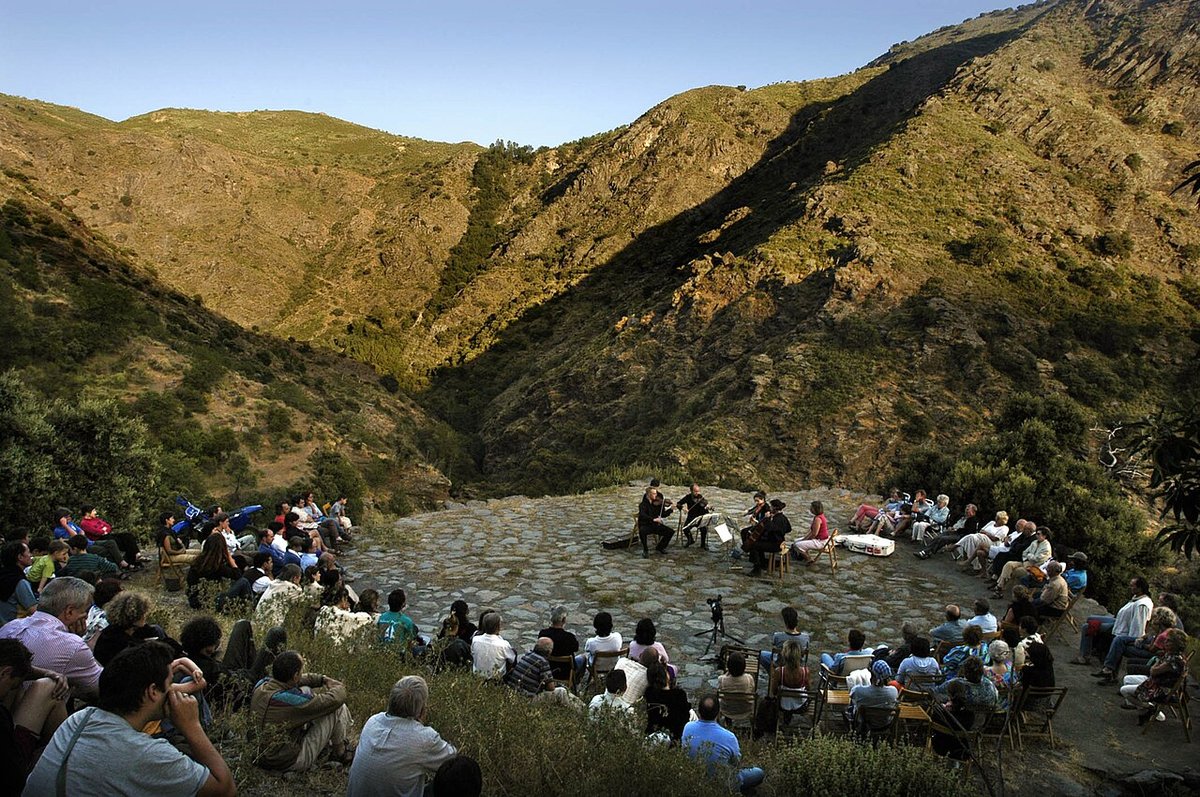
Quiet Alpujarra village known for its jazz and blues festival; retains its medieval street plan and lush natural setting.
Hide article Read full article
Busquístar, o cuando el GPS se rinde
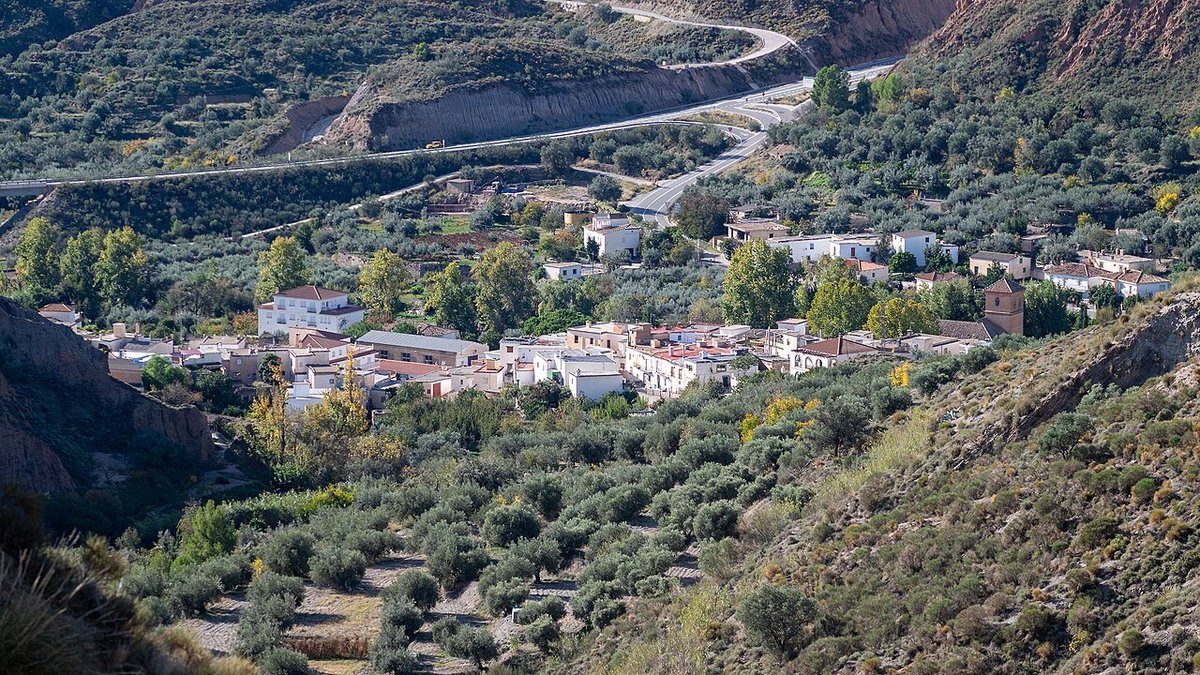
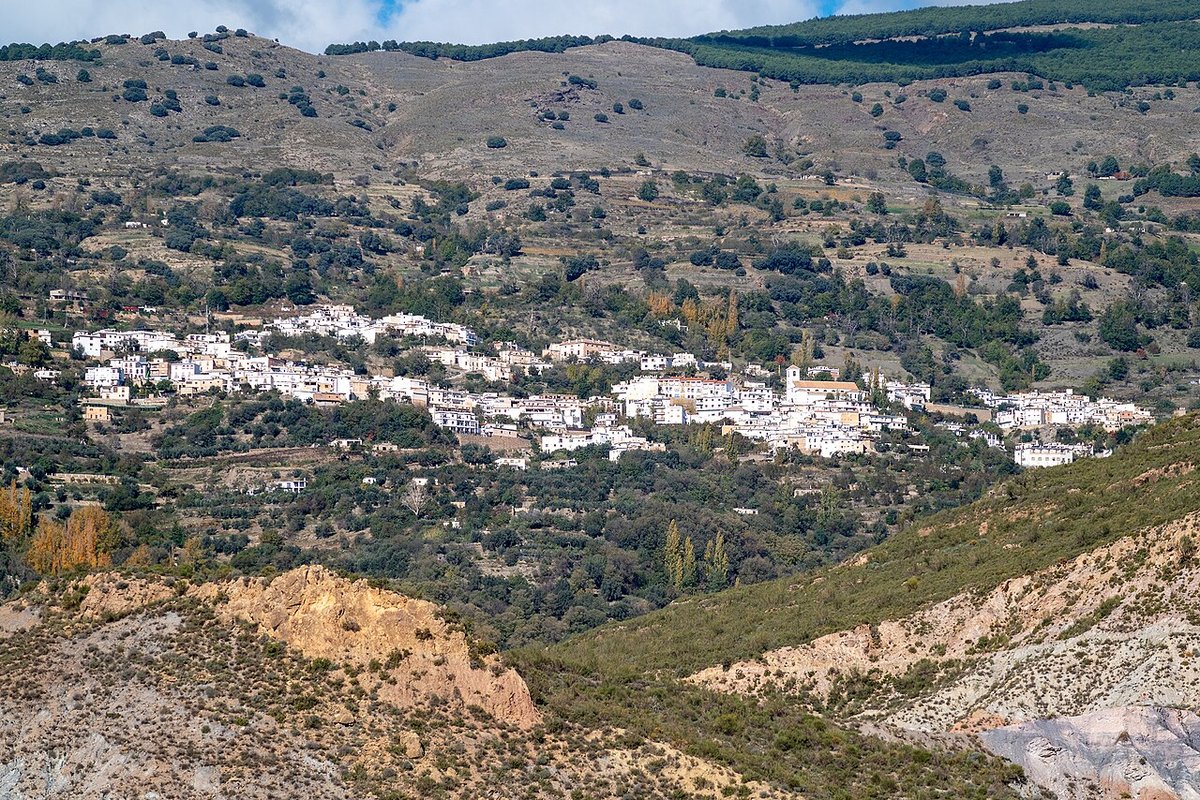
Llegar a Busquístar es de esas cosas que te hacen cuestionar tu sentido de la orientación. El navegador empieza a tartamudear con las curvas de la Alpujarra y, cuando por fin aparcas, te das cuenta de que el pueblo está literalmente pegado a la ladera. No es un sitio al que llegas por casualidad. Vienes porque quieres, o porque te has perdido. Aquí no hay prisa, pero tampoco hay mucho donde perderse.
Es uno de esos pueblos de la Alpujarra Granadina que no suena en las listas de "imprescindibles". Y eso, francamente, es un alivio. No verás tiendas de souvenirs con el mismo imán en diez colores. Verás gente que baja a comprar el pan y charla en la cuesta. La vida aquí tiene más que ver con los bancales de la montaña que con cualquier folleto.
Las calles son cuestas con nombre
Olvídate del paseo plano. En Busquístar, pasear es un ejercicio moderado de glúteos. Las calles son estrechas, empedradas y a menudo se interrumpen por una escalinata inesperada. Es el trazado andalusí clásico: un laberinto práctico para defenderse del sol y del viento.
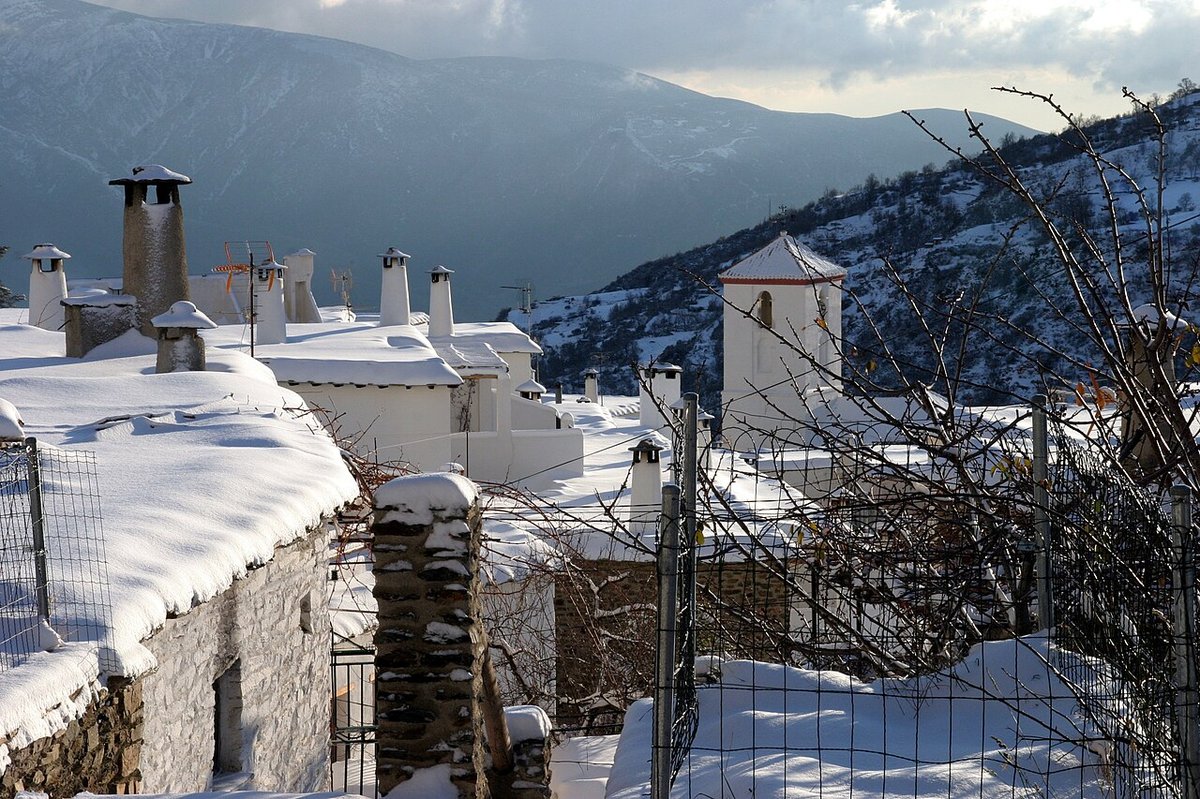
La iglesia de San Juan Bautista es tu punto de referencia. Su torre sobresale del mar de casas blancas y te salva cuando has dado demasiadas vueltas. Es fácil desorientarse, más de lo que su tamaño sugiere. Mi consejo: abandona cualquier plan lineal y déjate llevar por las callejuelas. Acabarás en una placeta diminuta, junto a una acequia con agua corriente, o asomado a un balcón natural con vistas al valle del Guadalfeo.
Casas que se viven, no se visitan
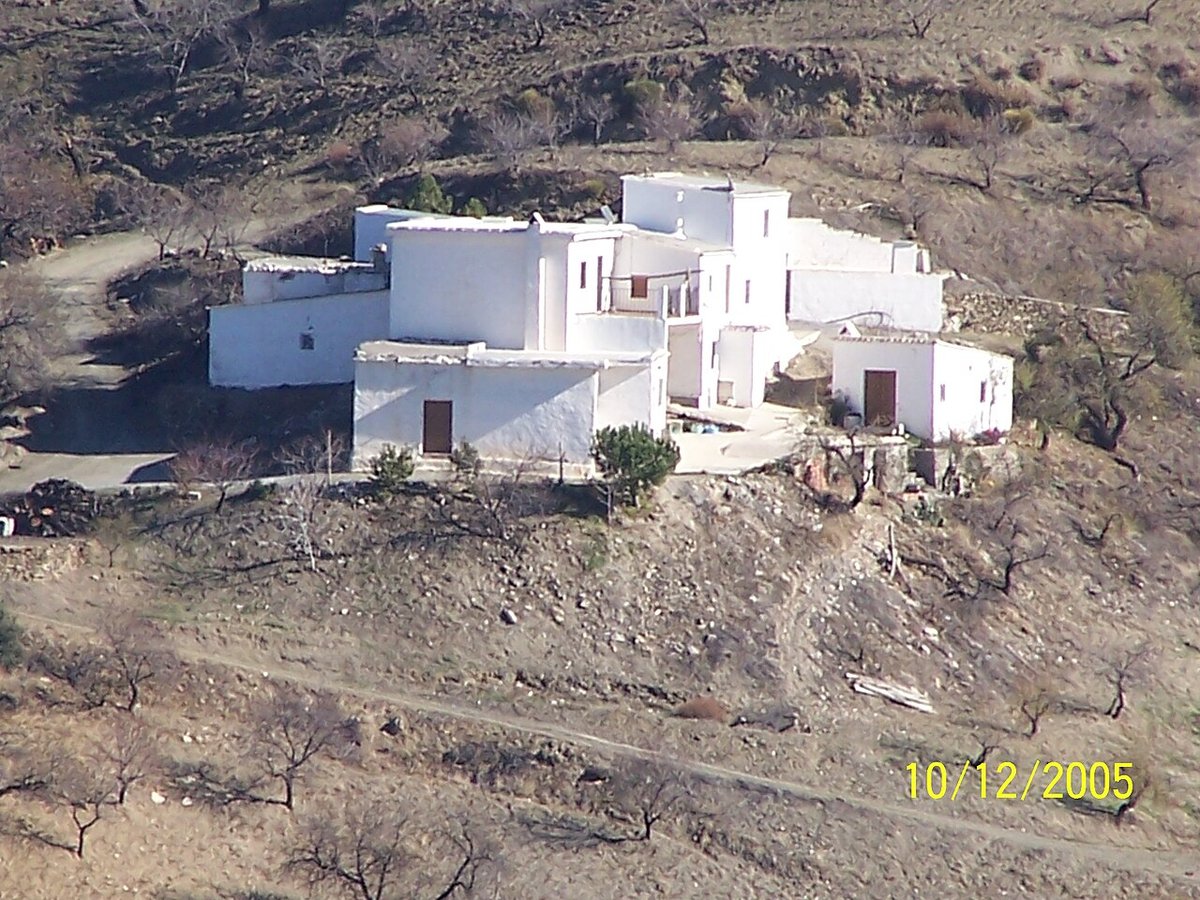
Lo que más me gusta de Busquístar es que su arquitectura no es un museo. Las casas alpujarreñas –blancas, de tejado plano y esas chimeneas cilíndricas tan fotogénicas– están habitadas. Se nota en los tiestos con geranios, en la ropa tendida al sol de la mañana, en el olor a leña en invierno.
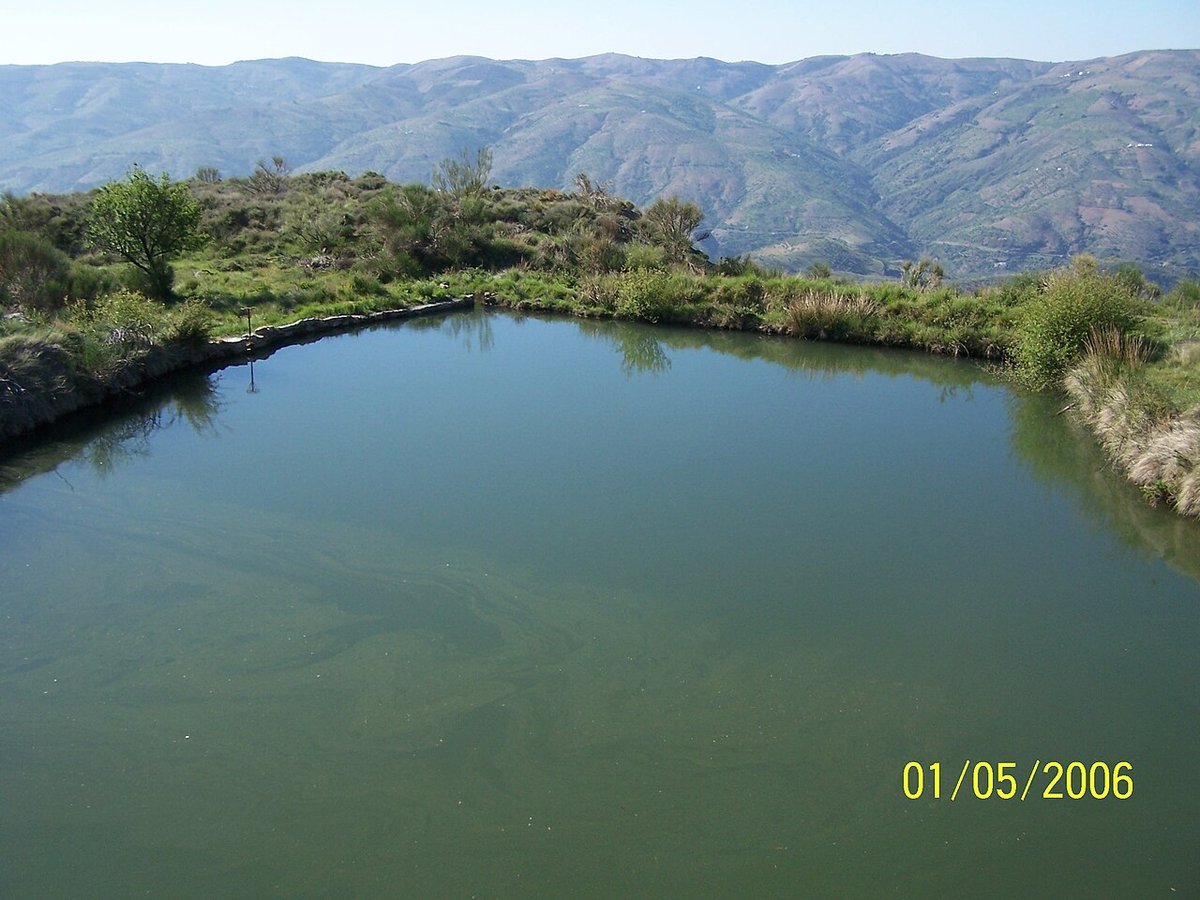
Las acequias siguen siendo las venas del pueblo. No son un adorno; las oyes correr y ves cómo riegan las pequeñas huertas entre las casas. Es un sistema que funciona desde hace siglos y le da un ritmo al lugar. Aquí nada parece puesto para decorar.
Senderos con pedigrí (y pendiente)
Si te quedas solo en el casco urbano, te estás perdiendo lo mejor. Busquístar está cosido a pueblos como Pórtugos o Cáñar por una red de senderos antiguos. Son rutas serias: nada de paseos llanos junto a un río. Aquí caminar significa subir y bajar barrancos, cruzar bancales de castaños y sentirte pequeño ante el paisaje.
No son rutas para hacer en chanclas. Necesitas calzado decente y aceptar que vas a sudar. La recompensa son unas perspectivas del valle que desde el pueblo no se tienen, y la sensación genuina de moverte por los caminos que han usado los vecinos durante generaciones.
Comida para reponer fuerzas
La cocina aquí es contundente y tiene sentido: hace frío en invierno y los trabajos en el campo piden platos reconfortantes. Es normal encontrar migas alpujarreñas cuando bajan las temperaturas, o platos como el choto al ajillo. No esperes alta cocina creativa; espera guisos bien hechos, muchas veces con lo que da la huerta cercana. En otoño, es normal ver sacos de almendras o castañas en los portales. Es parte del ciclo del año, no una postal turística.
Un ritmo propio (y muy local)
Las fiestas aquí no se montan para el forastero. La celebración principal es la de San Juan Bautista, a finales de junio. Hay procesión, música y ambiente en las calles, pero con el carácter familiar de un pueblo donde casi todos se conocen. En enero, para San Antón, se bendicen los animales y se preparan migas comunales. Es algo íntimo, vecinal. La Semana Santa también se vive, pero a escala: las procesiones suben y bajan por las cuestas del pueblo con más participantes dentro que espectadores fuera.
¿Merece la pena parar?
Busquístar no te va a cambiar la vida ni es el pueblo más espectacular que verás en la Alpujarra. Pero tiene algo valioso: autenticidad sin postureo. Es un sitio para pasar una mañana larga, perderse por sus cuestas sin rumbo fijo y entender cómo se vive pegado a una montaña. No vengas buscando tiendas bonitas o restaurantes con estrella Michelin. Vente a caminar, a respirar aire limpio y a ver un pueblo que sigue funcionando a su propio ritmo, que quizá sea lo más parecido a un superpoder hoy en día