Full Article
about Cáñar
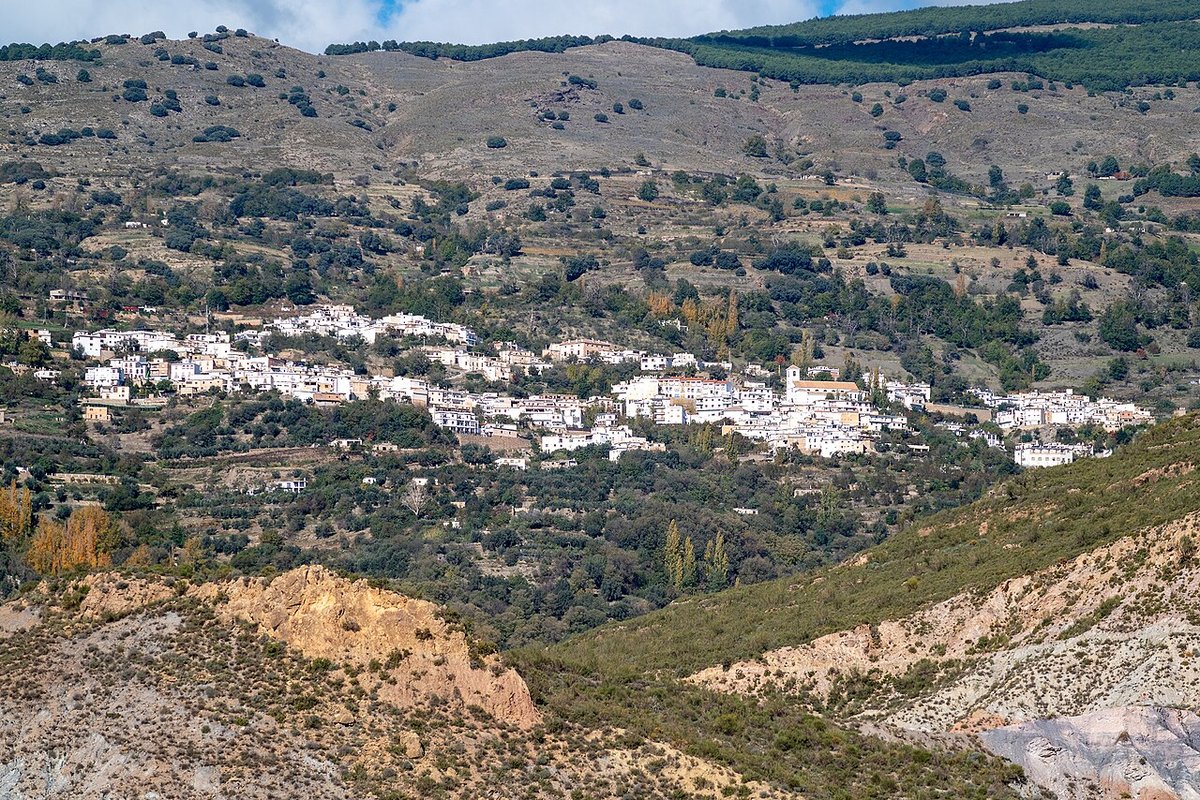
Balcony of the Alpujarra with sea views on clear days; a small, authentic village that keeps its traditional Moorish architecture.
Ocultar artículo Leer artículo completo
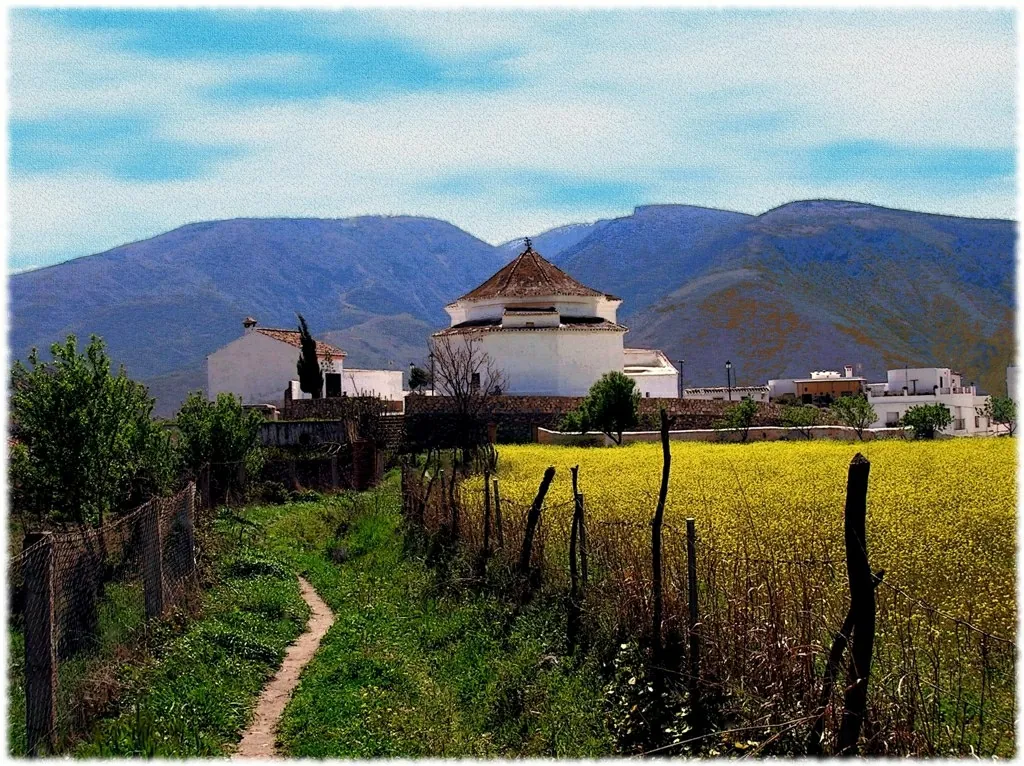
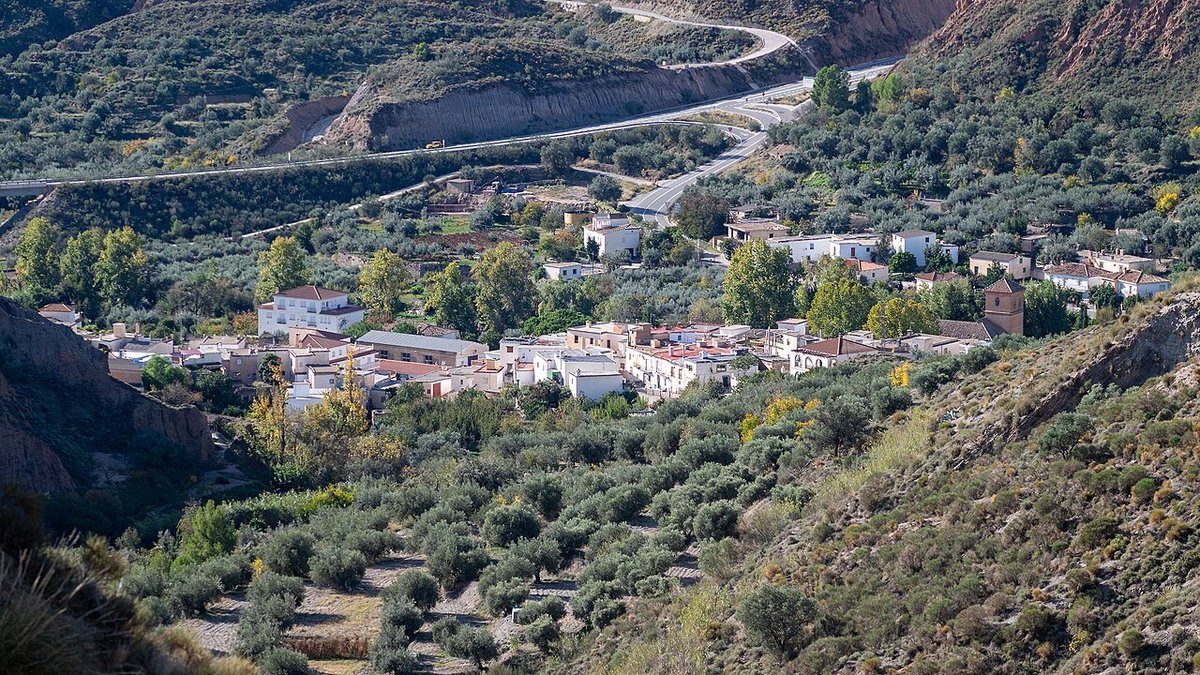
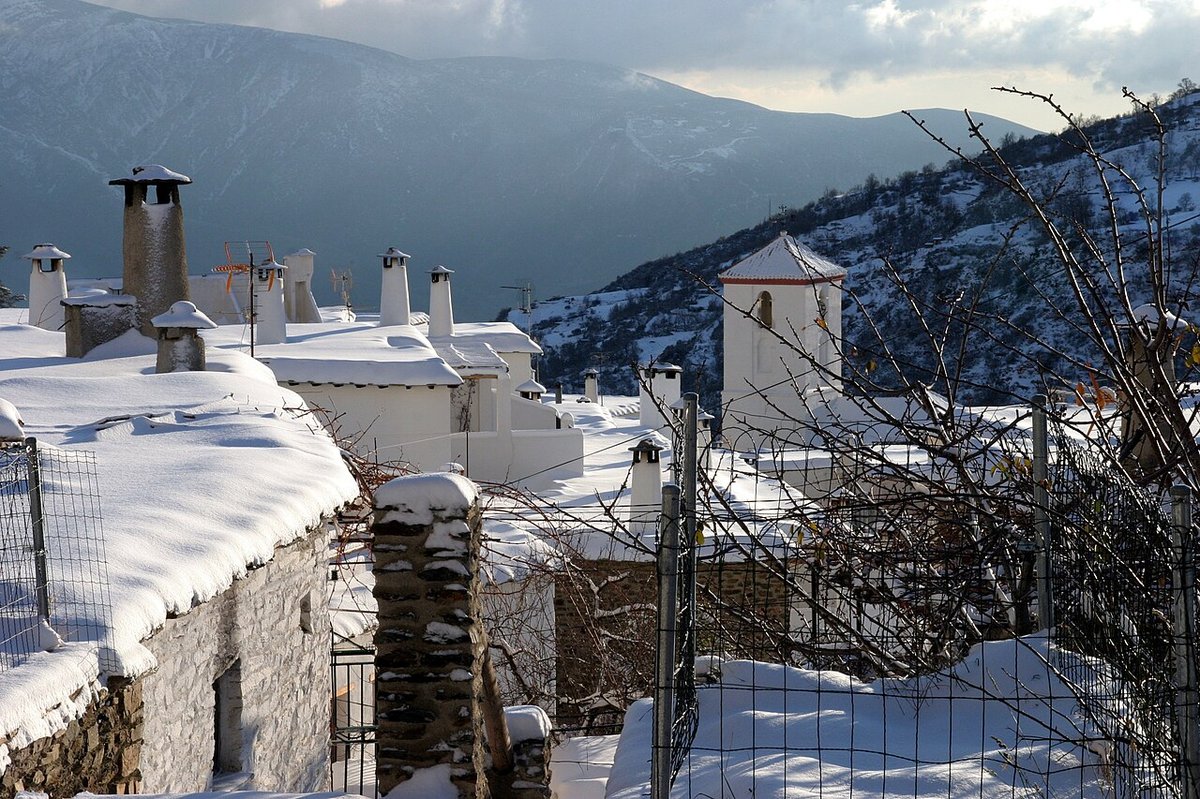
The first thing you notice is the sound of a tractor echoing off slate roofs at a thousand metres. Cáñar doesn’t bother with soundtrack birdsong; it has work to do. The village appears ten minutes before you reach it, a stack of white cubes glued to a ridge above the Guadalfeo valley, close enough to the Mediterranean to catch winter snow on Sierra Nevada and still feel the sea’s warm exhale. Pull off the GR-420 at kilometre 19, leave the car in the pocket-sized car park, and the place starts its quiet interrogation: why rush?
A Village That Refuses to Be a Museum
Cobbles tilt at calf-aching angles; flat roofs brush the sky; tinaos – timber walkways thrown from house to house – throw shade over the lanes. Nothing is postcard-neat. Washing still hangs from wrought-iron, diesel fumes mingle with wood smoke, and the elderly men on the bench outside Bar Isabel conduct their daily survey of passing boots. This is not a film set; it is simply Thursday.
The parish church squats at the top, Mudéjar tower squarish and plain. Inside, a single nave carries sixteenth-century beams darkened by centuries of incense and candle wax. No entry fee, no roped-off chapels, just a notice board advertising next month’s blood-donor session. Walk out of the porch and the whole valley tilts southward: a crazy paving of almond terraces drops 700 m towards the sea, and on very clear winter mornings the Rif Mountains of Morocco float on the horizon like a rumour.
Head higher, following the concrete track signed “Dique 24”. After twenty minutes the last vegetable plot gives way to Holm oak and the path narrows to a mule groove. Suddenly the gorge opens: a 30 m waterfall dry for most of the year, its plunge pool black-green and irresistible to overheated walkers. The round trip takes two hours, requires only decent trainers, and delivers lunch-time views that stretch from the white surge of Motril’s container port to the snow-capped Veleta peak.
What You’ll Eat and What You Won’t Find
Back in the lanes the choice is binary: Bar Isabel or Bar La Alpujarra. Both serve the same mountain menu because the village is too small for culinary rivalry. Expect patatas a lo pobre – potatoes softened in olive oil with onion and green pepper – followed by migas, breadcrumbs fried with chorizo and enough garlic to stun a vampire. A plate of jamón serrano from Trevélez costs €8 and tastes of altitude and patience; the house red is young, local and €2.50 a glass. Vegetarians can cobble together a revuelto de setas (wild-mushroom scramble) if they ask nicely and don’t mind eggs.
There is no supermarket, no cash machine, no Saturday craft market. If you need oat milk or hummus, drive twenty minutes to Órgiva’s whole-food emporia. Cáñar assumes you came for what it already has: almonds, olives, pork, eggs, wine strong enough to remove varnish. Accept the terms and you eat well.
The Calendar That Still Matters
Visit in the third week of August and you’ll share the streets with returning émigrés whose suitcases bulge with duty-free whisky. San Roque fiestas mean late-night verbenas, processions shouldered by teenagers who learned the route walking to school, and free paella dished out at 15:00 sharp. Earplugs help; rooms are booked a year ahead by families reclaiming grandparents’ houses.
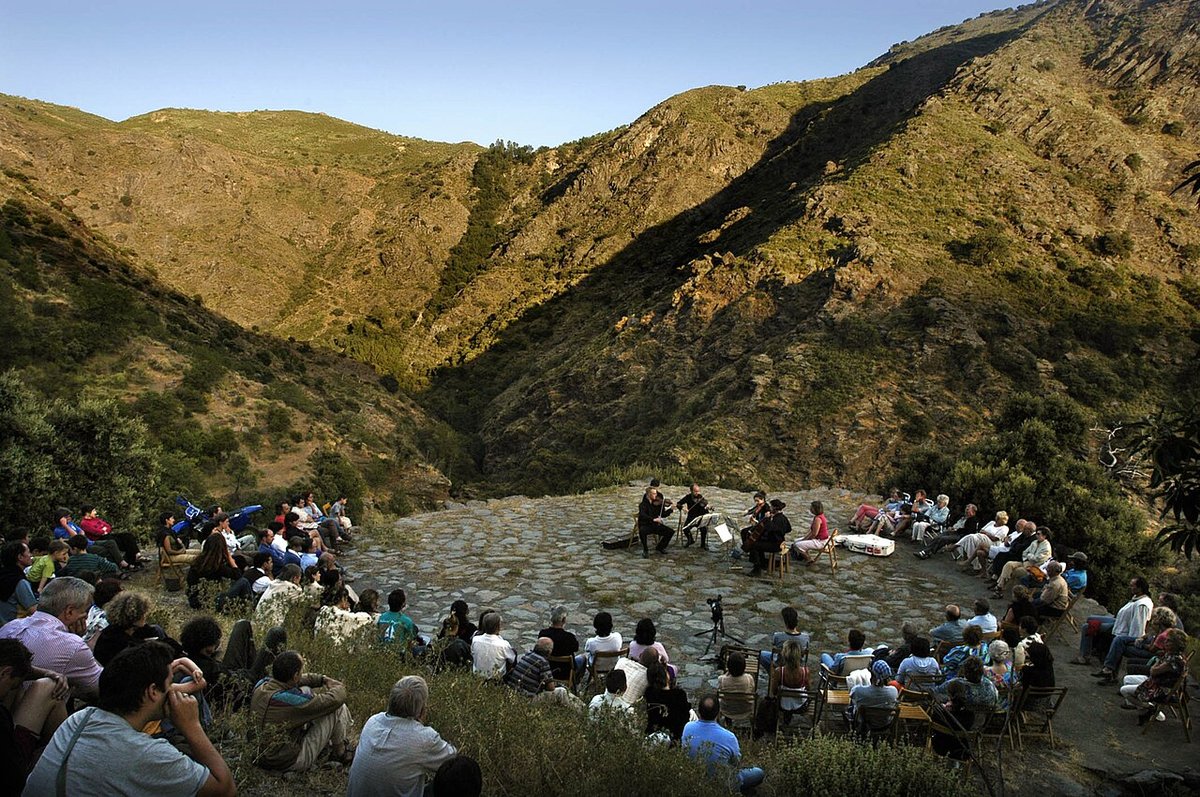
Late January brings the almond blossom fiesta: one afternoon, one brass band, unlimited anise liqueur. November’s chestnut day is colder but quieter – roast chestnuts and new wine hauled up to the picnic spot above the cemetery. These events are not staged for visitors; if you turn up, you are simply extra audience.
When to Come, How to Leave
Spring and autumn give 22 °C at midday, 10 °C at dawn, and skies scrubbed clean by the levante wind. Snow shuts the upper approach road three or four days most winters; chains suffice, but the council clears by 10 a.m. all the same. July sizzles – thermometers hit 36 °C – yet the altitude keeps nights bearable. Still, British walkers prefer April-May or late September when the GR7 long-distance trail is empty enough to hear your own footfall.
Accommodation is limited: six village houses signed up as casas rurales, prices €70-€90 per night for two, minimum stay two nights. Interiors mix original beams with Wi-Fi that flickers whenever the wind shifts. Mobile coverage is patchy on every network; download offline maps before you leave the tarmac. Check-out is 11 a.m. sharp – the owners need to sweep, water geraniums and still reach the baker before he shuts at two.
There is no souvenir shop selling fridge magnets shaped like donkeys. Take your memory card and go; the village has already forgotten you by the time the church bell strikes the hour you never noticed approaching.