Full Article
about Carataunas
The smallest municipality in the Alpujarra; quiet and welcoming, set among chestnuts and fruit trees.
Ocultar artículo Leer artículo completo
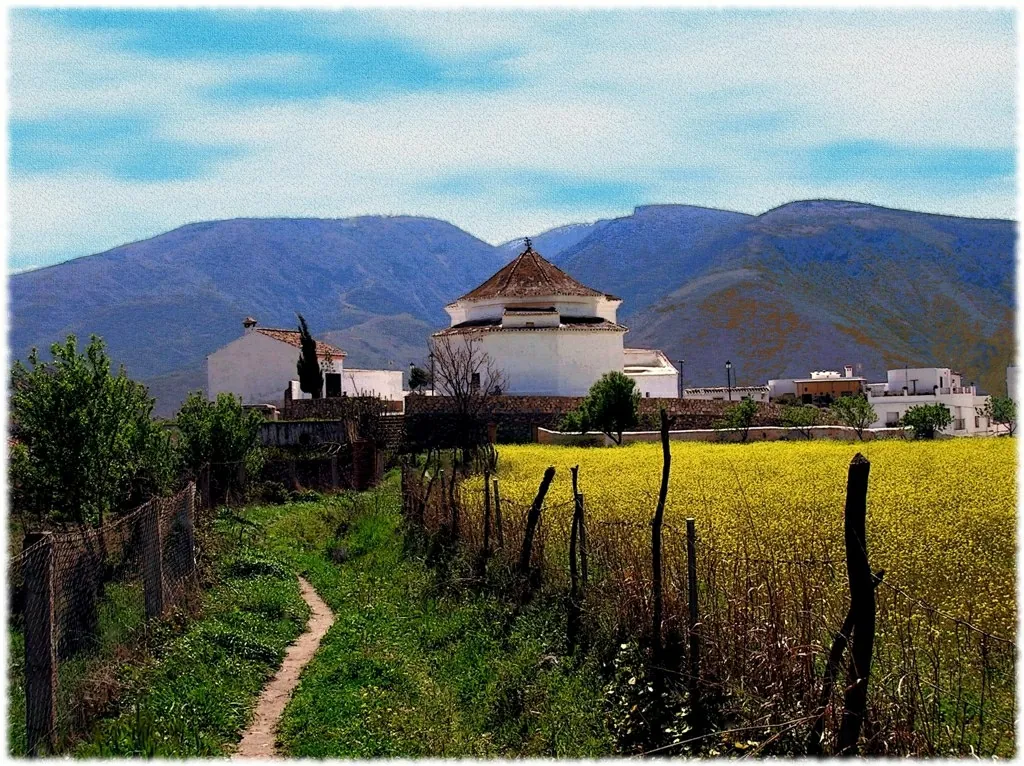
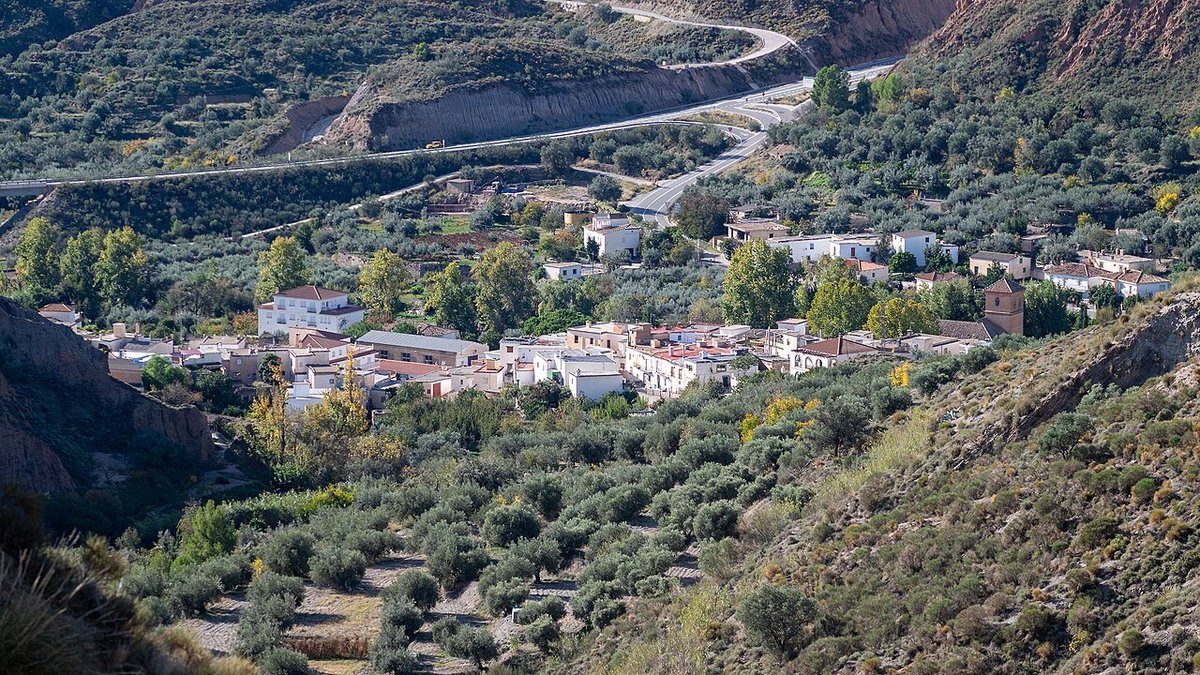
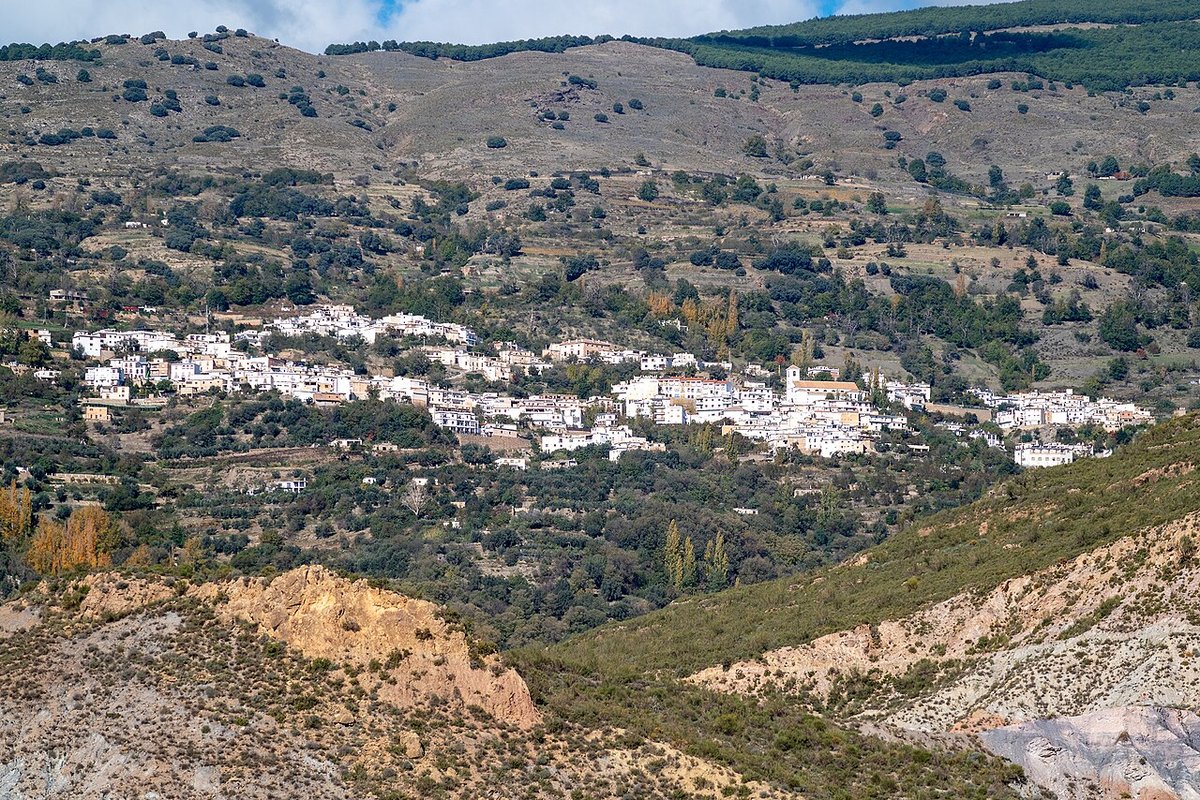
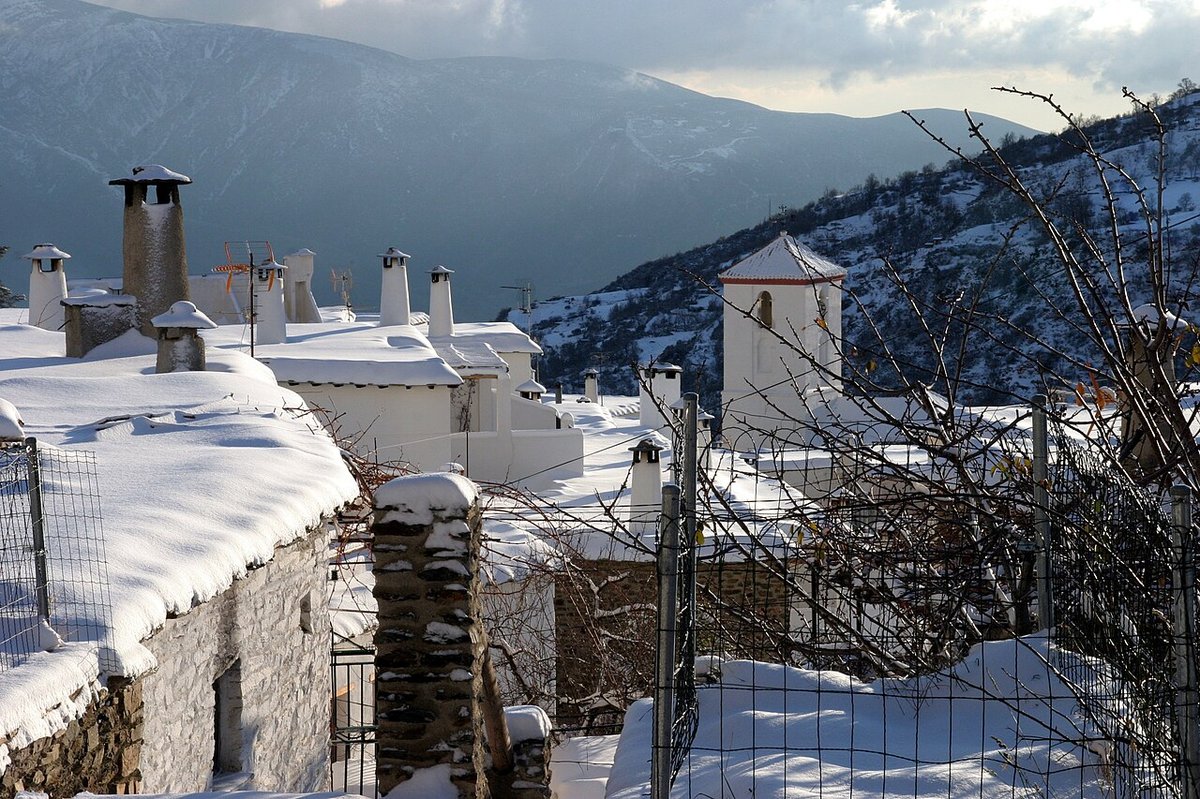
The only traffic jam in Carataunas involves a farmer, two dogs and a wheelbarrow of almonds. At 800 m above sea level, 215 people live on a shelf carved into the south flank of Sierra Nevada, their white houses roofed with grey launa clay and topped by the little cylindrical chimneys that mark every postcard of the Alpujarras. The village is small enough to cross in five minutes, yet large enough in atmosphere to keep you pinned to the terrace until the sun drops behind the Contraviesa ridge.
Stone, water and silence
Every Alpujarran hamlet claims “moorish” origins, but here the masonry does the talking. Walls are a metre thick, patched with river clay, and pierced by low doors painted indigo or rust-red. Narrow lanes tilt downhill, funnelling winter rainwater into the same stone channels the Muslims dug a thousand years ago. You will hear the run-off before you see it—a soft clatter beneath the pomegranate trees that keeps vegetable plots green when the rest of southern Spain is parched.
The village church of San Blas, rebuilt after the Reconquest, looks more like a fortified farmhouse than a place of worship. Inside, the retablo is gilded but modest; the real art is the view through the open door, framing slate roofs and, beyond them, the Poqueira gorge tumbling toward the Mediterranean 35 km away. On a clear March morning you can just pick out the glint of the sea; in July the haze thickens and the horizon disappears.
Walking without way-marks
Carataunas is not a base for ticking off “must-sees”. It is a launch pad for half-day walks that start the moment you shut the garden gate. A mule track heads west along an irrigation ditch, passing abandoned threshing circles and a chestnut grove where wild boar root for acorns at dawn. After 45 minutes the path opens onto a natural balcony overlooking the gorge; sit on the flat rock, unpack the bocadillo, and you will have the panorama to yourself. No souvenir stand, no selfie-stick vendor, only the smell of wild thyme and an occasional goat bell.
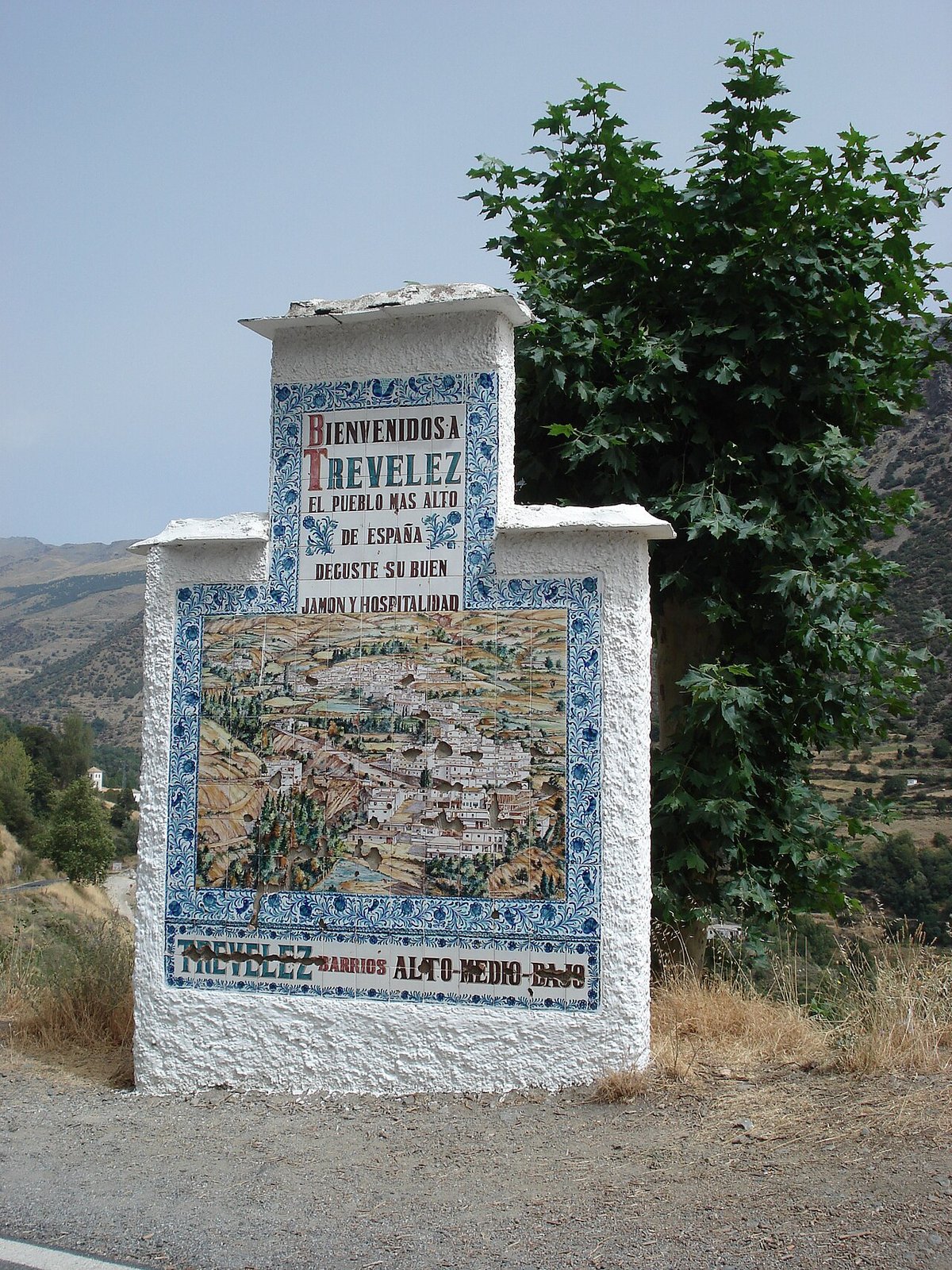
Serious hikers can link into the long-distance GR-7 or the vertiginous circuit to Trevélez, the highest village in Spain. Yet the gentler reward is to follow the acequia eastwards to the hamlet of Cojáyar, population nine, where an elderly couple sell chilled beer from a fridge in their front room. Open hours are flexible; if the door is shut, knock.
Winter brings snow to the peaks above but rarely to the village itself. Daytime temperatures sit around 14 °C in January—t-shirt weather if the sun hits your wall—yet the stone houses bleed heat the moment the light fades. Landlords know the deal: most cottages include a wood-burner and the first basket of olive logs. Bring slippers; terracotta floors are unforgiving.
One bar, no cashpoint, zero fuss
There is no supermarket, no filling station, and the only ATM is 12 km away in Órgiva. Shopping is therefore strategic. Thursday is market day down in the valley: fill a cool-box with Trevélez ham, local goat’s cheese the texture of firm cream, and a plastic bottle of house red from the Contraviesa slopes. The wine costs €3.50 a litre and tastes like Rioja on a gap year—light, cheerful, unlikely to give you a hangover if you chase it with spring water.
Back in Carataunas, Bar Carataunas opens at 08:00 for coffee and churros, shuts at 21:00 if trade is slow. The menu is short and honest: plato alpujarreño (egg, potato, Serrano ham, chorizo), migas fried in garlic, and toasties that use proper jamón rather than the plastic stuff. Sunday lunch is one sitting, 14:00 sharp. Arrive late and you’ll be offered crisps and apologies.
Mobile reception is patchy inside the houses; step into the lane and you get three bars of 4G. Most visitors treat the digital drop-out as a feature, not a bug. Download offline maps before you leave the airport, send that final WhatsApp at the rental-car desk, then surrender to the quiet.
Getting there without a scrape
From Granada airport the drive takes 75 minutes—half on the A-44 motorway, half on the A-348 mountain road that narrows to a single lane each way. The final 2 km from the Órgiva turn-off is the famous “goat track”: tarmac, but only 2.1 m wide with stone walls on one side and a 200 m drop on the other. Hire the smallest car on offer; a Ford Fiesta feels like a lorry here. If you meet a delivery van, someone must reverse 100 m to the nearest passing bay. The rules of engagement are simple: whoever is closest to the bay reverses, hazard lights on, driver’s-side wing mirror folded flat. Sheep laugh at you from the verge.
Public transport exists but demands patience. Take the ALSA coach from Granada to Órgiva (1 hr 30 min, €6), then ring the village taxi—Juan, WhatsApp only, €12 cash if he feels like working that day. Missing the last coach back leaves you hitch-hiking; locals usually stop.
When to come, when to stay away
Late March to mid-June is prime time: daytime 22 °C, nights cool enough for sleep, almond blossom giving way to poppies. September and October repeat the trick, with the added bonus of chestnut foraging in the woods above the village. July and August are hot—34 °C in the shade—but the low humidity makes it bearable if you adopt the Spanish timetable: walk at seven, siesta at three, terrace at ten.
August also brings the fiesta: one Saturday night of amplified folk music in the plaza, free paella at midnight, and a foam machine for the kids at 02:00. Ear-plugs recommended; the village amplifier has only two settings, off and eleven. February fiestas for San Blas are quieter—procession, mass, communal stew—unless you count the neighbourly argument over whose turn it is to carry the saint.
The honest verdict
Carataunas will not suit travellers who need a menu in six languages or a gift shop flogging fridge magnets. Even the swallows look idle here. What you get instead is an unfiltered slice of rural Spain: the smell of wood-smoke at dawn, the sound of Spanish gossip drifting across the lanes, and a night sky so dark you can read the Milky Way. Bring groceries, a pair of walking boots and a tolerance for silence. Leave the sat-nav voice on—she panics long before you do—and you will still make it home for supper, provided the goat lorry lets you past.