Full Article
about Cástaras
Hidden, picturesque village made up of Cástaras and Nieles; perfect for switching off amid old mines and nature.
Ocultar artículo Leer artículo completo
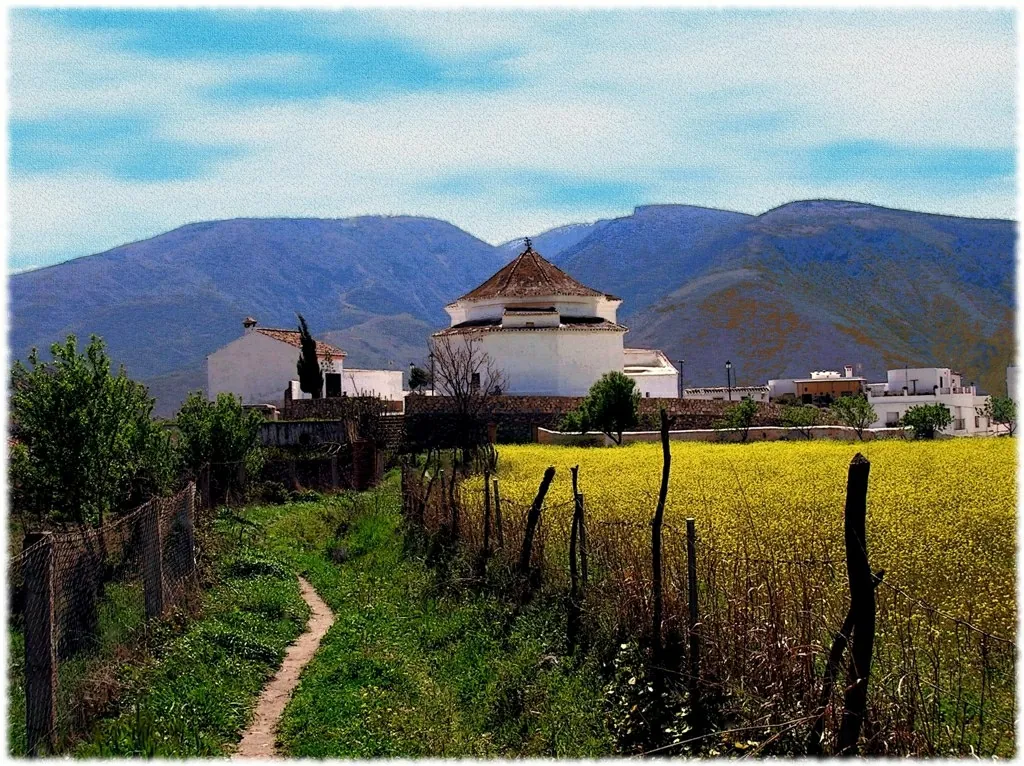
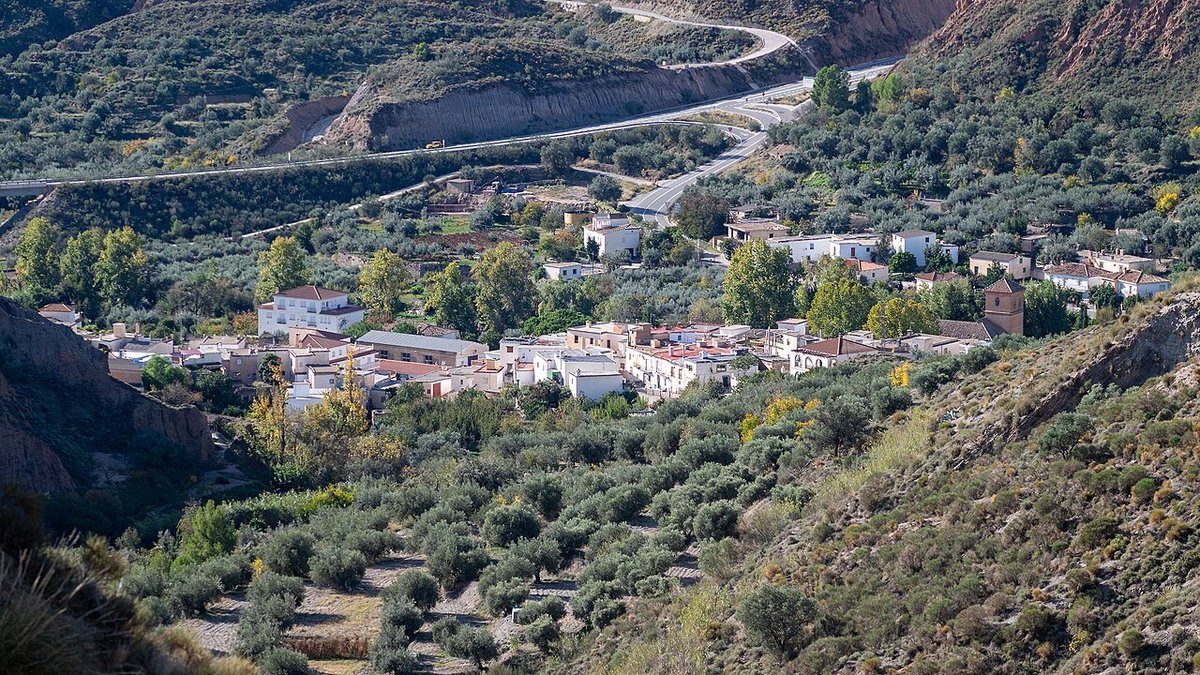
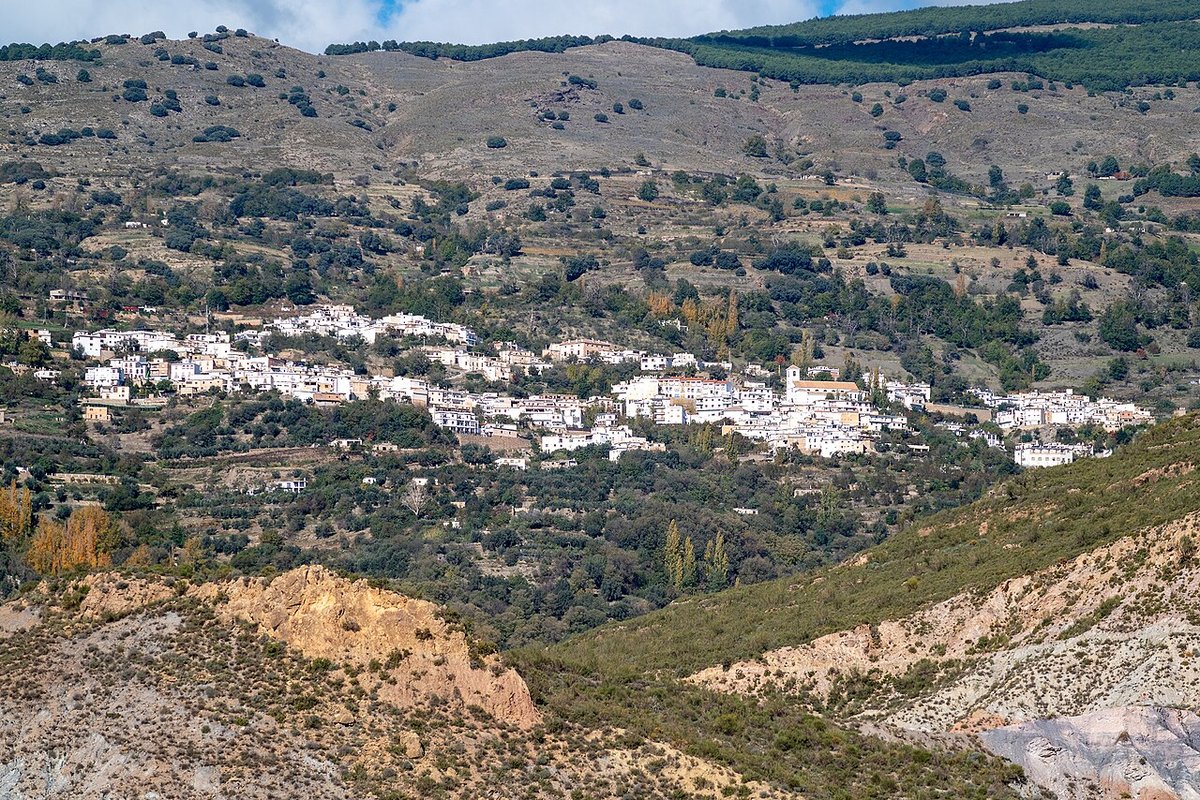
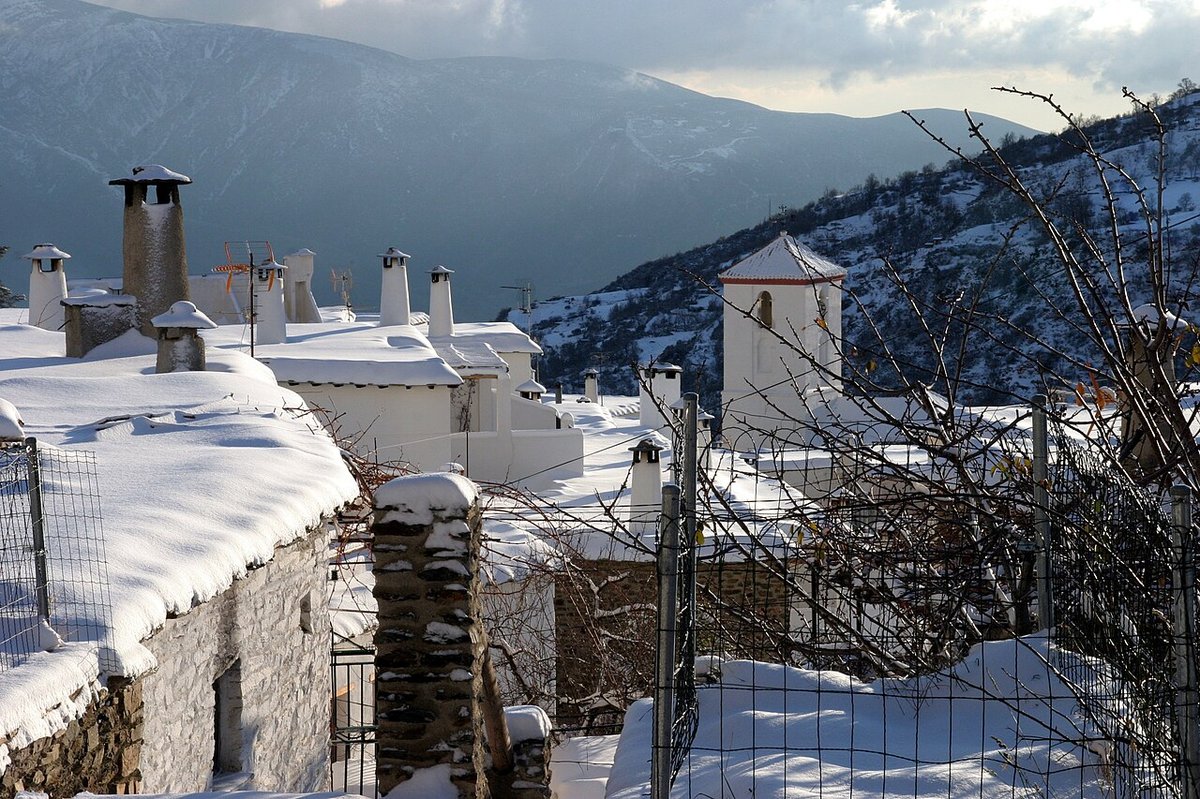
The church bell tower appears first, rising above a sea of white cubes that cling to the mountainside like crystallised sugar. At 1,005 metres above sea level, Castaras doesn't announce itself with fanfare—it simply materialises around the final bend of the A-4132, a village where the air carries both the scent of pine and the faint memory of North Africa.
Living Geography
This is Berber country, though you'd need to know where to look. The flat-roofed houses with their cylindrical chimneys aren't architectural whimsy—they're practical responses to altitude and gradient, designed by people who understood that snow arrives early and stays late. The tinaos, those covered passageways connecting houses, create natural cooling systems that drop temperatures by several degrees. Walk through one on an August afternoon and you'll understand why they've survived half a millennium.
The village sits cupped within ancient agricultural terraces, dry-stone walls holding back centuries of careful cultivation. These bancales transform the mountainside into a giant amphitheatre, each level a different shade depending on the season: emerald after spring rains, tawny gold through summer, the bare earth tones of winter when almond blossom provides the only colour. It's agricultural origami, folded into slopes that would defeat lesser farmers.
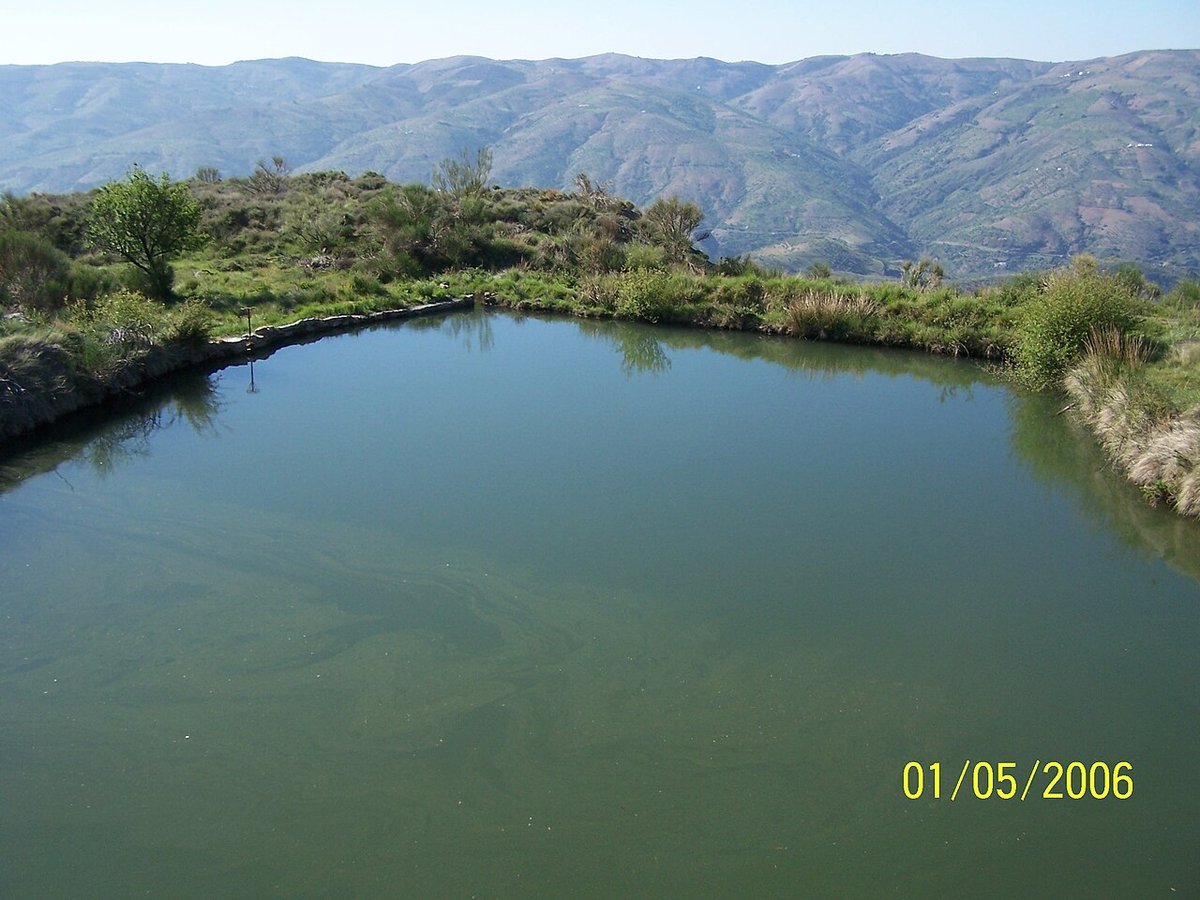
Water matters here more than anywhere on the coast below. The meltwater from Sierra Nevada's peaks feeds a complex irrigation system that predates the Reconquista, channels that still divide water between households with medieval precision. Stand near the upper fountain on Calle Real at 7am and you'll hear it—a soft murmur that speaks of survival in a landscape that makes no concessions.
What Movement Sounds Like
Silence isn't empty in Castaras. It's filled with the scrape of a hoe against dry earth, the creak of an ancient wooden door, the distant clang of goat bells drifting across the valley. The village's 224 permanent residents (yes, they know exactly) move through streets too narrow for anything larger than a donkey, though the occasional 4x4 squeezes through, mirrors folded in like a cat navigating a tight space.
The walking routes start from the village square, properly called Plaza de la Constitución though everyone still says "la plaza." The path to Nieles follows an old mule track that switchbacks through chestnut and almond groves, climbing steadily towards the ruins of an abandoned hamlet where swallows nest in roofless houses. It's three hours there and back if you're steady on your feet, longer if you stop to watch the griffon vultures that ride the thermals above. Proper walking boots aren't negotiable—these paths were designed for hooves, not hiking poles.
Local knowledge: the fountain halfway to Nieles runs cold even in August, but check the flow before filling your bottle. Summer droughts can reduce it to a trickle by late afternoon.
The Taste of Altitude
Food here hasn't been adapted for foreign palates because it was never designed for them. The menu at Bar Francisco changes daily depending on what arrives from the terraces—perhaps migas fried with chorizo from last winter's matanza, or ajo blanco thick enough to hold a spoon upright. The goat cheese comes from animals that grazed on these exact slopes; taste it alongside the local honey and you'll understand why altitude matters. Everything grows slower up here, concentrating flavours that coast-level vegetables can only dream about.
The wine list fits on a postcard—three local reds, two whites, all from the Contraviesa range that terraces the mountains between here and the Mediterranean. At €2.50 a glass, it's cheaper than bottled water and considerably more interesting. Try the tintilla, a grape variety the Moors left behind that's survived precisely because it ripens early enough to beat the first frosts.
When the Village Breathes
August brings the fiesta of San Roque, when the population quadruples overnight. Grandchildren return from Granada and Barcelona, sleeping three generations to a house that seemed spacious in January. The plaza fills with plastic tables, the bar runs out of everything except beer, and someone always brings a sound system that can be heard in the next valley. It's not organised entertainment—it's a village remembering how to be loud.
The rest of the year follows agricultural rhythms that tourism can't touch. November means the matanza, when families slaughter a pig they've raised since spring. The process takes three days: killing on Monday, cutting on Tuesday, making chorizo and morcilla on Wednesday. Visitors sometimes recoil at the practicality of it all, but these mountains demand a relationship with food that supermarket culture has edited out of most British experience.
Winter arrives suddenly, often overnight in late October. The road closes when snow reaches 30 centimetres—anything less and the village copes, anything more and you're staying until the plough arrives from Trevélez. Stock up on wine and cheese if forecasters mention "portillo," the local term for when Atlantic storms meet Mediterranean weather systems over these peaks.
Practical Realities
Getting here requires commitment. The nearest airport is Granada, 90 minutes away on roads that switchback through the Sierra Nevada National Park. Car hire is essential—public transport involves two buses and a timetable that reads more like suggestion than schedule. The final 12 kilometres from Trevélez take 25 minutes if you meet nothing coming the other direction, considerably longer if you don't. Meeting places are carved into the rock every 200 metres; learn to use them.
Accommodation runs to two options: Casa la Luna, a renovated village house sleeping four with views across the Poqueira valley, or the simpler rooms above Bar Francisco. Both cost around €60 per night, both require booking ahead since alternatives involve driving back down to Órgiva. The village has no cash machine, no petrol station, and the mini-market opens when Maria feels like it—plan accordingly.
The best months are May and October, when temperatures hover around 20 degrees and the walking paths haven't been baked to dust or washed away by winter storms. Spring brings almond blossom that transforms the terraces into clouds of white petals; autumn offers chestnut forests that turn the mountainsides copper and gold. Summer can hit 35 degrees despite the altitude, though nights cool to sweater weather. Winter is beautiful and brutal—sunshine and snow, often simultaneously.
Castaras doesn't offer Instagram moments or bucket-list experiences. It provides something increasingly rare: a place where geography still dictates lifestyle, where silence has texture, and where the relationship between people and landscape remains visible in every stone wall and irrigation channel. Come prepared to adjust your pace to mountain time, and bring walking boots. Everything else the village will provide, or teach you to do without.