Full Article
about Lanjarón
Gateway to the Alpujarra, known for its waters and spa; hosts the famous water race on San Juan.
Hide article Read full article
Water is the boss here
You know those towns where everything seems to revolve around one thing? In Lanjarón, that thing is water. It’s not a backdrop. It’s the main event. You hear it first in the fountains, then you see people lining up with jerrycans, and finally you taste it – sometimes with a metallic kick that makes you wonder if you’re drinking or getting your daily iron.
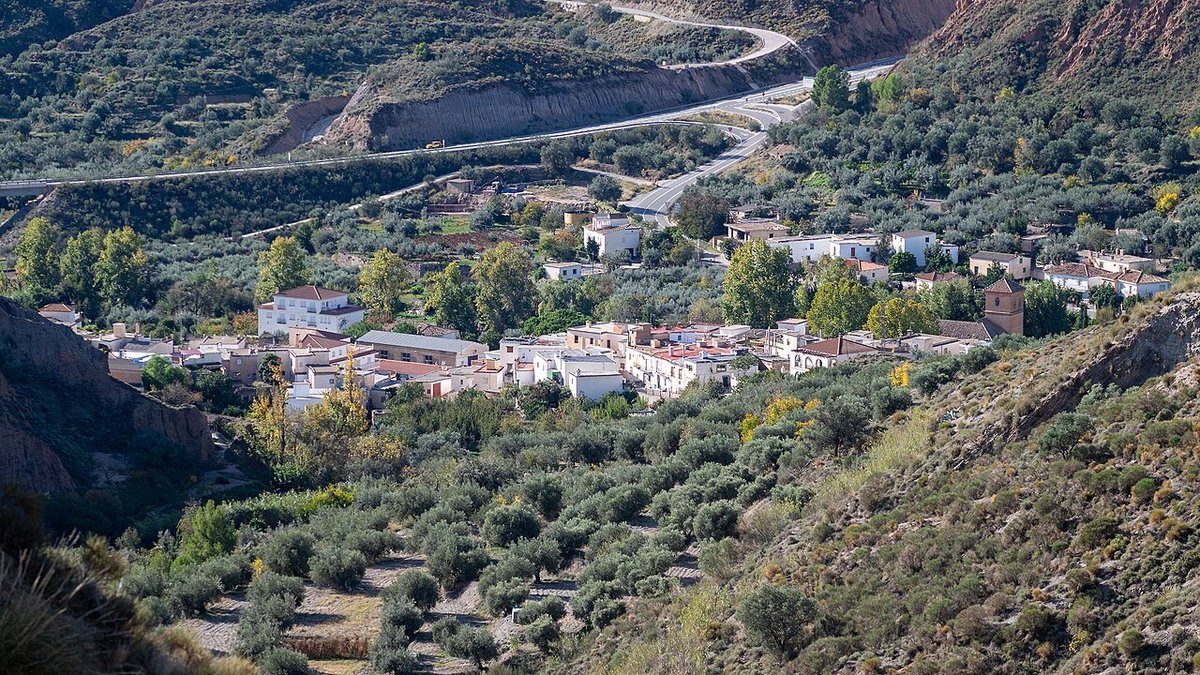
Forget the bottled water brand for a second. The real Lanjarón is a steep, whitewashed climb of a town where your calves get a workout and your water bottle gets constantly refilled for free.
A walk that’s mostly uphill
Let’s be clear: exploring here involves going up. The old town climbs like a natural staircase towards the castle ruins. You don’t so much follow a route as stumble from one fountain to the next. They’re not signposted attractions, just part of the street furniture. You’ll see locals filling huge bottles, debating which fountain has the best sabor today.
The ceramic tiles with poems on house walls are a nice touch. They feel like a quiet conversation with the place, not a museum exhibit.
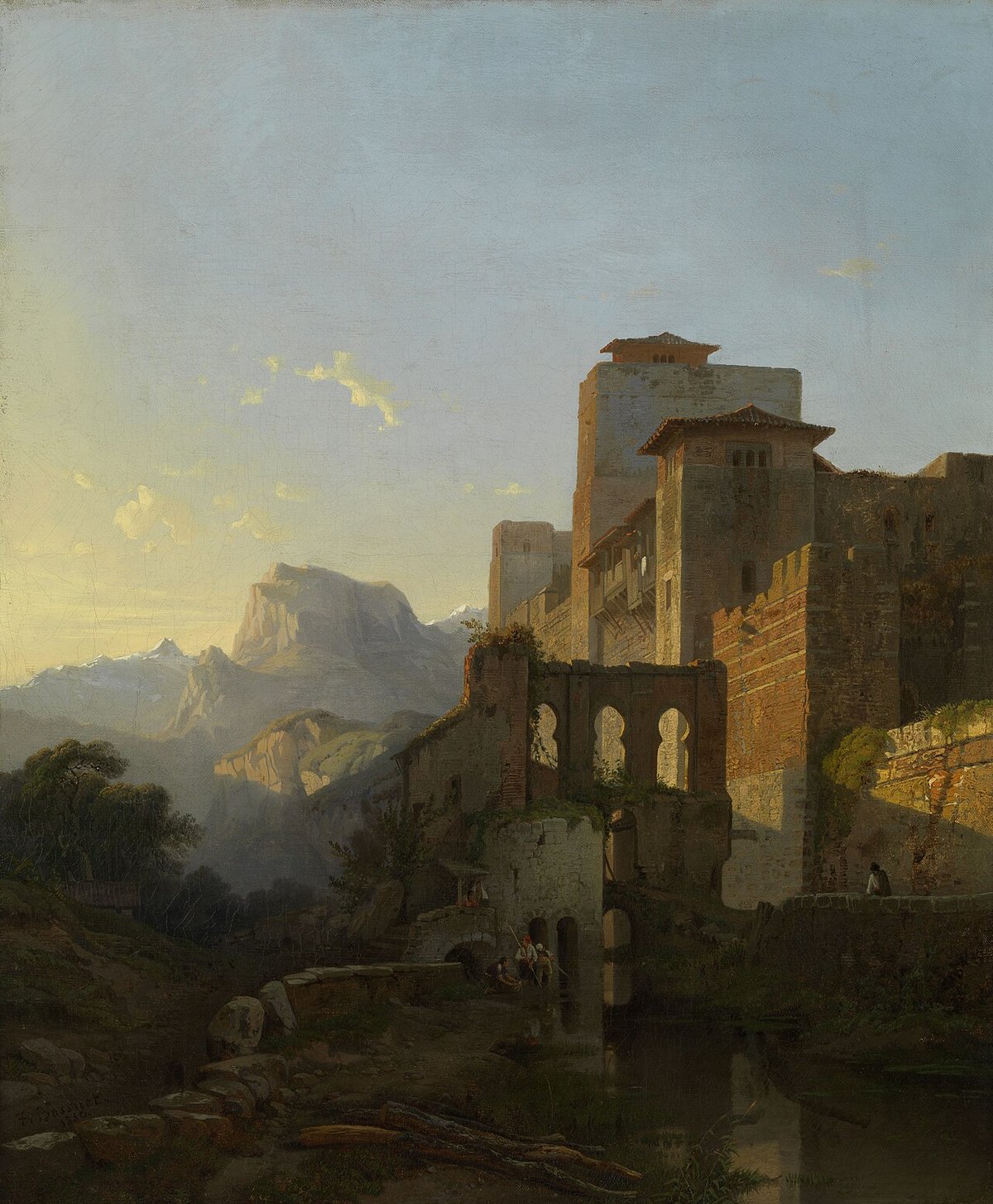
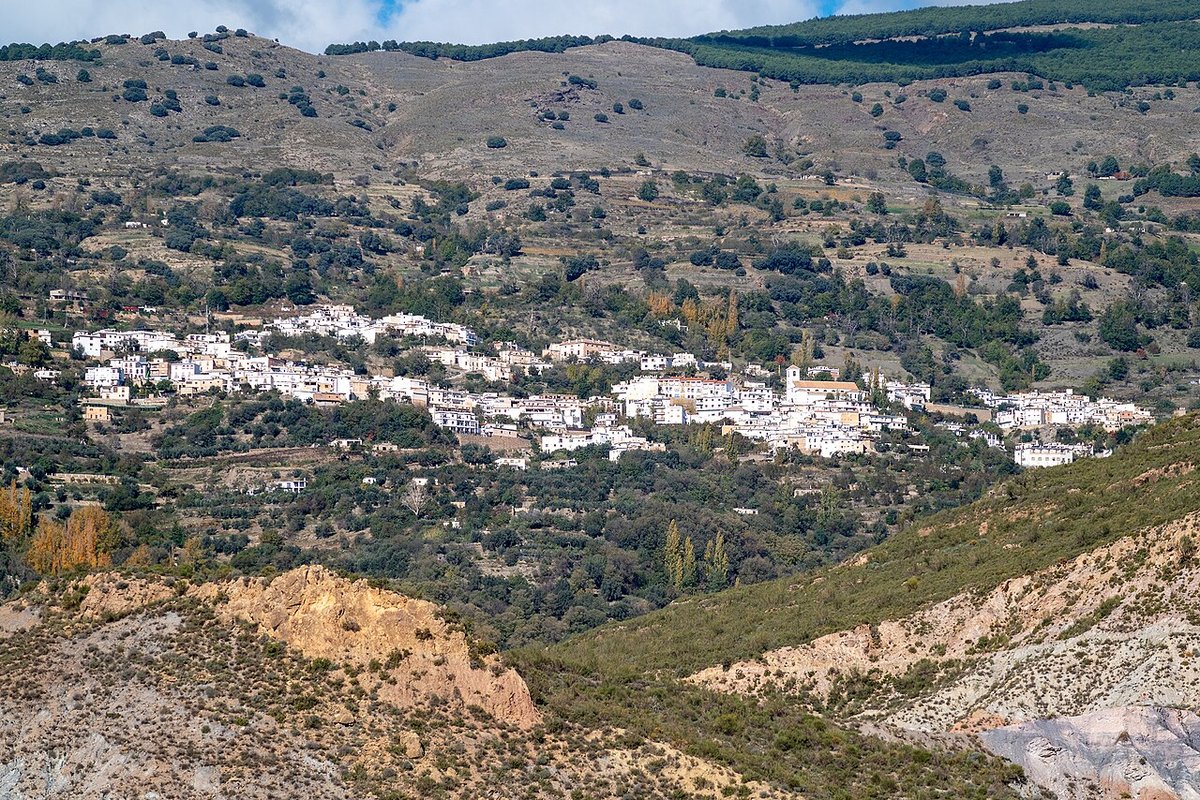
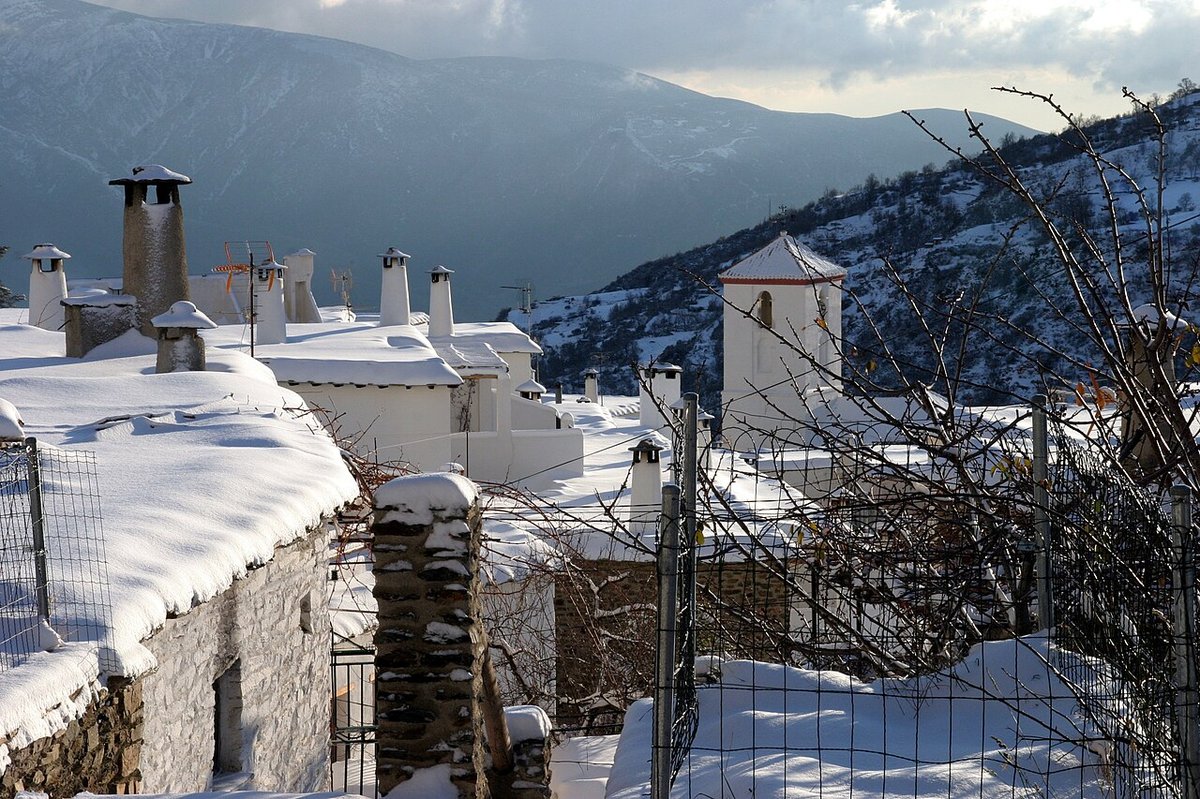
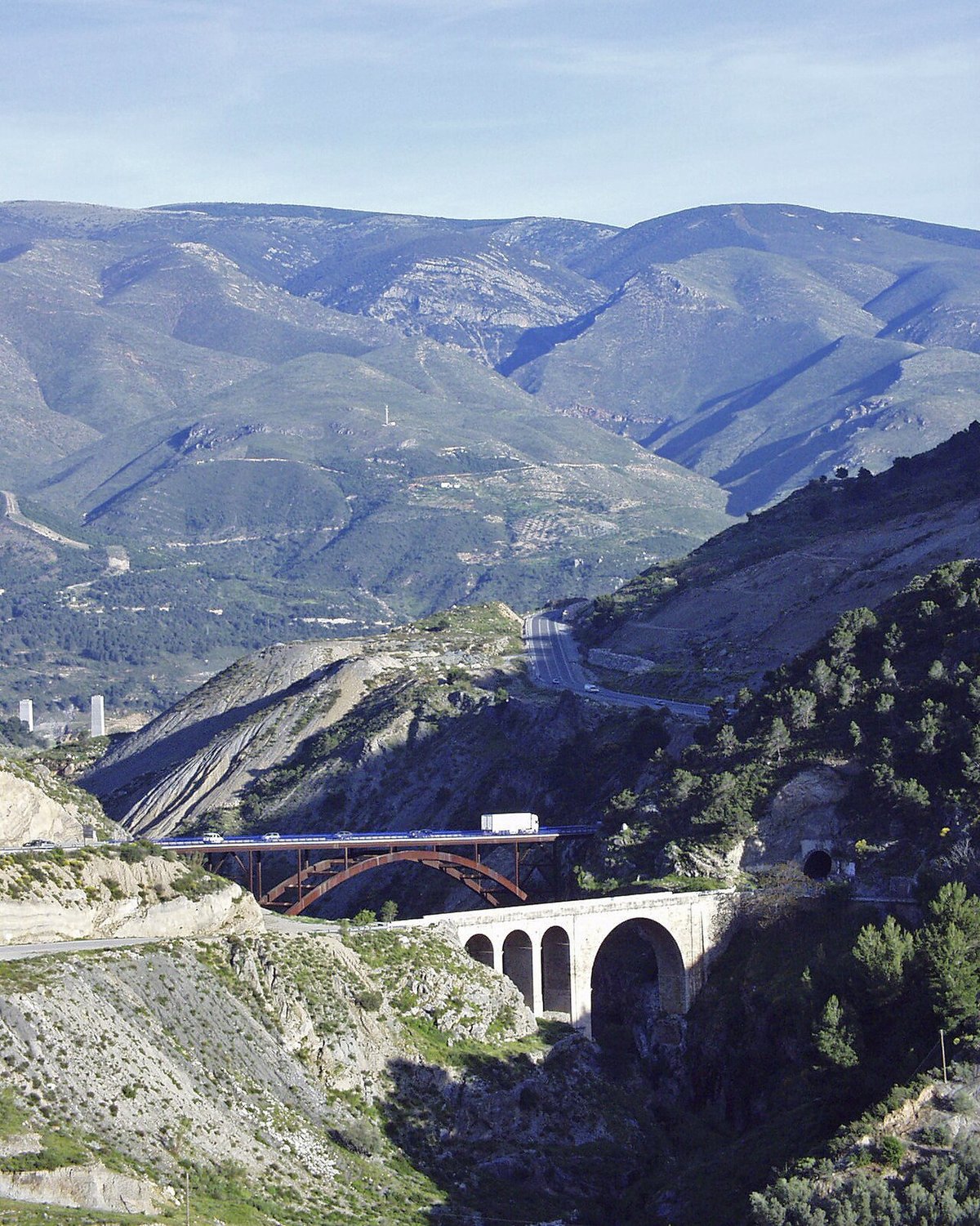
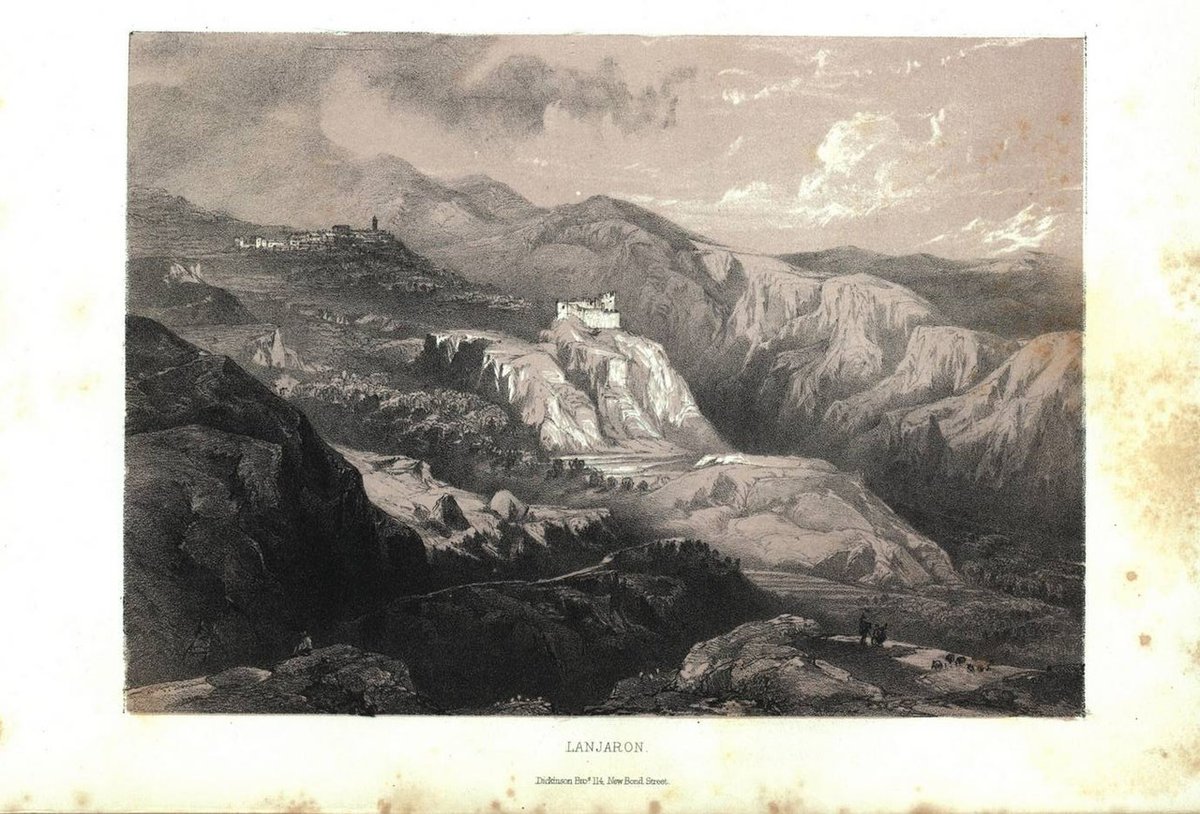
The castle itself isn’t much more than some walls and a tower, but the view is the point. You suddenly see why they call this the gateway to La Alpujarra. To one side, the land rolls towards the Mediterranean. To the other, it rears up into Sierra Nevada. Lanjarón sits squarely in the middle.
The night everyone gets soaked
For 364 days a year, Lanjarón’s relationship with water is calm and practical. On the Noche de San Juan, all that goes out the window. The Noche del Agua is exactly what it sounds like: a night where getting drenched is the whole plan.
Balconies become water artillery positions with hoses and buckets. The streets turn into a friendly, chaotic splash zone. It feels less like a tourist spectacle and more like the entire town decided to have a giant water fight because summer is too hot.
Come August, the focus shifts from water to food with the Fiesta de la Parva. The star is puchero de parva, a hefty chickpea and salt cod stew that weighs down your plate and guarantees an afternoon nap. It’s honest, filling mountain food.
Trails start at your doorstep
One of Lanjarón’s best features is how quickly you can swap cobbled streets for dirt paths. Within minutes of leaving the last fountain behind, you can be following the river or walking among chestnut groves and vegetable plots.
These are easy, forgiving walks where you can just amble without much planning.
If you’re looking at proper mountain routes into Sierra Nevada, that’s different. Those start here too, but they demand gear, time and legs ready for serious altitude gain. For most of us, the twenty-minute hike up to the castle does just fine.
Eating what grows around here
The food follows Alpujarra logic: stick to what works. In winter, that means potaje de castañas, a chestnut stew that warms you from the inside. When it’s hot, ajopollo appears – think of it as a thick, garlicky almond soup served cold.
Then there’s jayuyo. Ask anyone locally and they’ll describe it as scrambled eggs with bread and garlic, then probably wink and add it’s the best cure for last night's mistakes.
In early May, keep an eye out for hornazo. It looks like plain bread until you cut it open and find a whole hard-boiled egg baked inside. Simple? Yes. Surprisingly good with a coffee in the morning? Also yes.
What stays with you
A couple of things stick after visiting. There's a small museum about local honey that explains more about these mountains than you'd expect.
And in the main square, two old cannons sit quietly. They're leftovers from Spain's war with Napoleon – easy to miss unless someone nods towards them.
But most of all, you remember the rhythm of people at the fountains. It's a daily ritual. They arrive with every container imaginable in their car boots, filling them up methodically before heading home.
You can see Lanjarón in a day easily: walk up to the castle, wander back down through alleys tasting different fountain waters on route (they do taste different), then have lunch late under some shade.
My advice? Come when it's not blazing hot if possible – autumn brings softer light to those mountain slopes and fewer crowds at those famous spouts. Oh…and bring an empty bottle for your drive home. You won't be alone doing that either