Full Article
about Nevada
Municipality that includes Laroles
Ocultar artículo Leer artículo completo
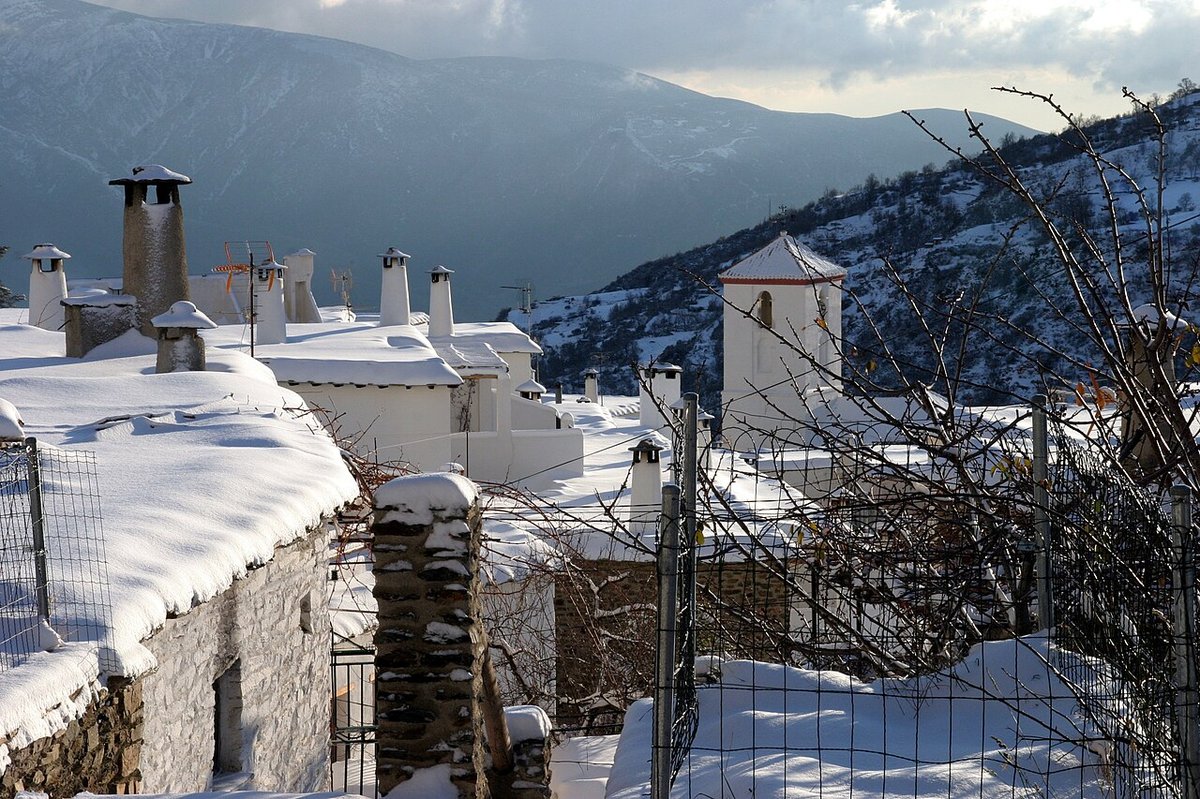
The chemist in Laroles shuts at 14:00 sharp. If the rolled-down shutters catch you out, the nearest paracetamol is a 40-minute drive back to Ugíjar, down a road that corkscrews through olive terraces and suddenly reminds you why the village is called Nevada in the first place: the white ridgeline of the Sierra Nevada fills the windscreen like a snow-loaded wave about to break.
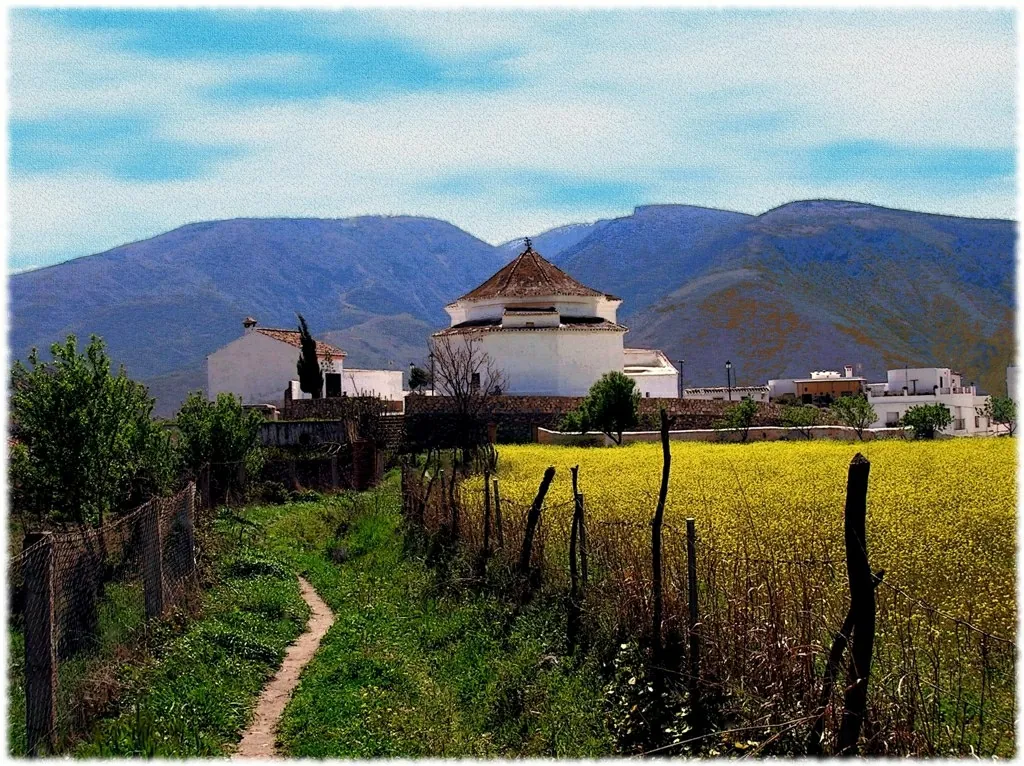
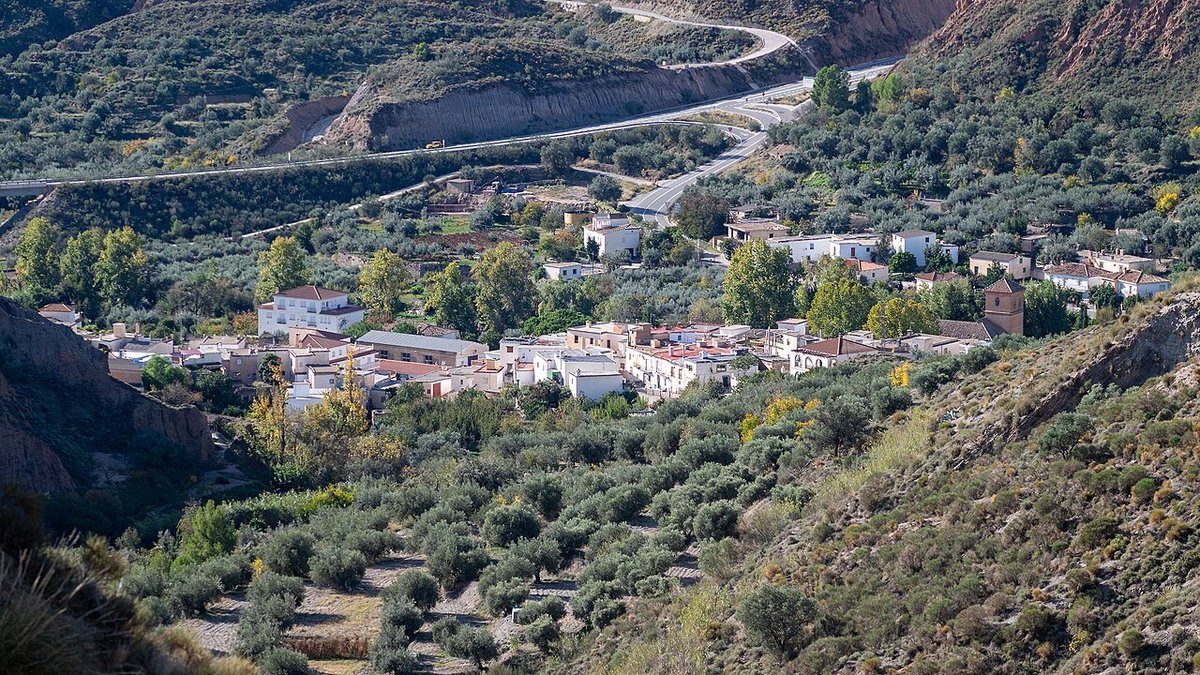
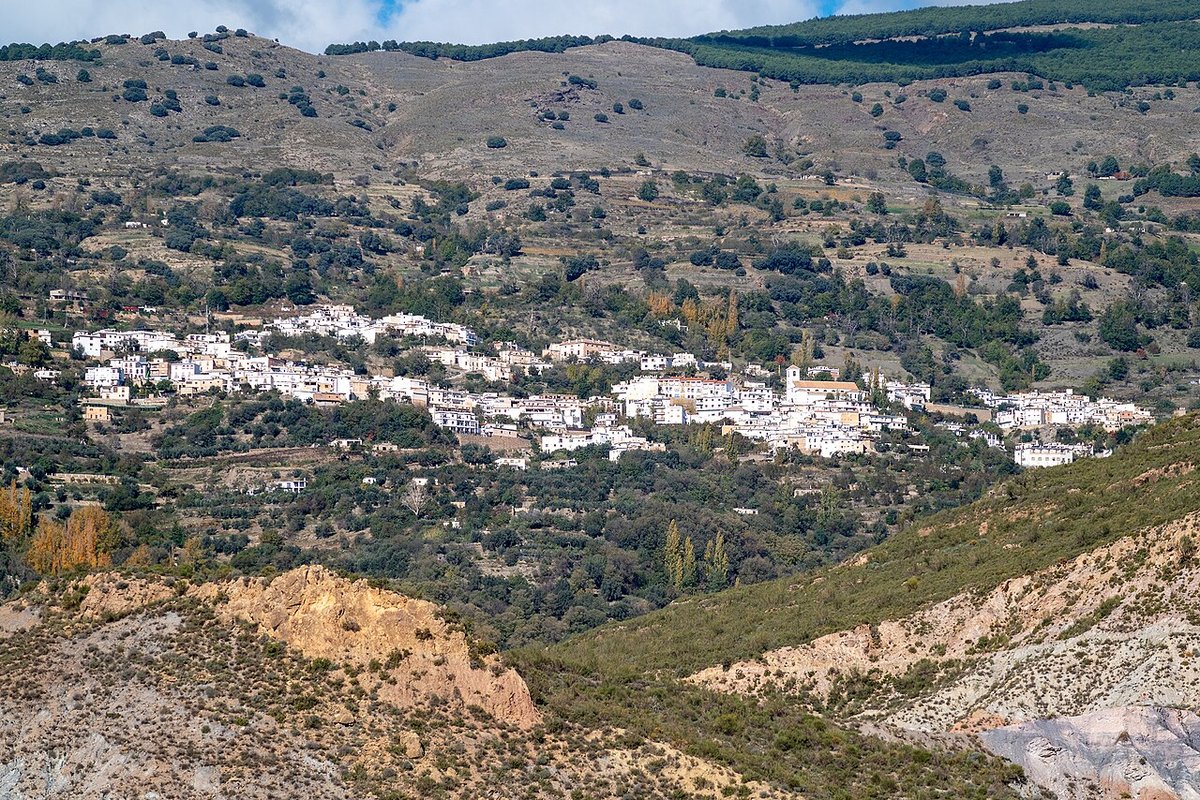
This is the Alpujarra’s eastern edge, a scatter of hamlets strung along a ridge at 1,000 metres where winter arrives early and summer lingers late. Officially the municipality weighs in at just over 5,000 souls, but most of them live down in the valley towns; up here the head-count drops to a few hundred, and the silence is loud enough to make your ears ring. The villages – Laroles, Mairena, Picena, Júbar – share a postcode, a mayor and, crucially, a frontier mentality: the map may say Andalucía, yet the mood feels closer to Castilla-La Mancha on a clear day.
The Balcony and the Back Lanes
Mairena’s viewpoint is sign-posted “Balcón de la Alpujarra”, though nobody local uses the phrase. Park by the church, walk twenty paces past the cash-only bar (open 08:00–16:00, closed Tuesday) and the whole Ugíjar valley tilts open at your feet. On hazy afternoons the sea glints 35 kilometres away as the griffon vulture flies; turn round and the Mulhacén summit does its best impersonation of an Alpine postcard, only browner. British hiking groups arrive in minibuses, snap the same panoramic, buy a €1.50 cortado and leave. Stay past 17:00 and you’ll have the bench to yourself while the sun paints the opposite slope the colour of burnt toast.
Below Mairena, the tarmac gives up. A concrete lane drops to Júbar, population 42, where the 16th-century church tower carries a weather-vane stamped with a cross, a crescent and the Star of David – a mason’s joke, or a quiet reminder that Muslims, Jews and Christians all left fingermarks on these hills. The GR-7 long-distance path skirts the village square, so if you turn up dusty-booted nobody asks questions; the fountain still runs, and the village elder will point you toward the old laundry troughs while recounting the year the road was impassable for three weeks after a February storm. He tells it like victory speech.
Walking Empty Trails
Nevada’s trump card is the absence of people. Where the Poqueira gorge further west funnels coach parties into Pampaneira and Bubión, here the way-markers are sun-bleached and the cairns sometimes blow over. From Laroles the GR-142 follows an irrigation channel east to Picena, gaining only 200 metres but serving up uninterrupted views of oak and sweet-chestnut that turn copper in late October. Allow two hours, carry two litres of water – the acequia tunnels have no springs – and you’ll meet more wild boar prints than humans. If that feels tame, continue to Puerto de la Ragua (1,800 m), the Sierra Nevada’s quiet ski-touring gateway; the ascent adds another three hours and, between December and March, the probability of knee-deep snow. Mobile coverage dies after the second kilometre, so download the track before you set off.
Road cyclists also use the Ragua climb as a training hill: 24 kilometres from Ugíjar, average gradient 5 %, asphalt like billiard cloth until the last 4 kilometres where winter frost nibbles the edges. Hire bikes in Granada – no shop this side of the Trevélez river – and bring a windproof top; even in June the descent is freezing.
Eating What the Garden Gives
Gastronomy is code for “whatever the vegetable plot looks like”. In Laroles, Bar Casa Paco opens at 07:30 for farmers and serves until the stew runs out, usually around 16:00. The set menu del día (€10, bread and wine included) might be habas a la granadina with a poached egg, or potaje de hinojo if fennel is plentiful. Ask for migas and you’ll get breadcrumbs fried in pork fat, no apology and no salad. Vegetarians survive on tortilla and hope; vegans should rethink. The nearest supermarket is in Ugíjar – the Laroles colmado stocks UHT milk, tinned tuna and not much else – so self-caterers should shop before the 1,000-metre climb.
Mairena’s lone bar does weekend specials: choto al ajillo (young goat with garlic) in spring, chestnut stew when the trees drop their spiky harvest. Portions are built for people who have just walked off 600 metres of altitude. Coffee comes in glasses, brandy is measured by the finger, and the bill is still written in biro on a paper napkin.
When the Snow Line Drops
Winter arrives overnight, usually between All Saints and the first football derby. Night temperatures flirt with zero from late October; by January the thermometer can read –8 °C, and the municipal grader clears the road to Laroles at dawn so the school bus can crawl through. Many village houses were built for summer transhumance, not double-glazed life: if you rent a cortijo, check for heating beyond a wood burner and confirm that the owner throws in firewood – otherwise you’ll pay €120 a truckload and the delivery truck refuses the last switchback.
Conversely, July and August are baking by day but mercifully cool after dusk; locals dine at 23:00 because that is when the terrace finally drops below 22 °C. The fiestas in mid-August block the only street with plastic tables, loudspeakers and a foam machine that looks rescued from a 1990s nightclub. Expect fireworks at 03:00 – no apology, no notice.
Getting Here, Getting Out
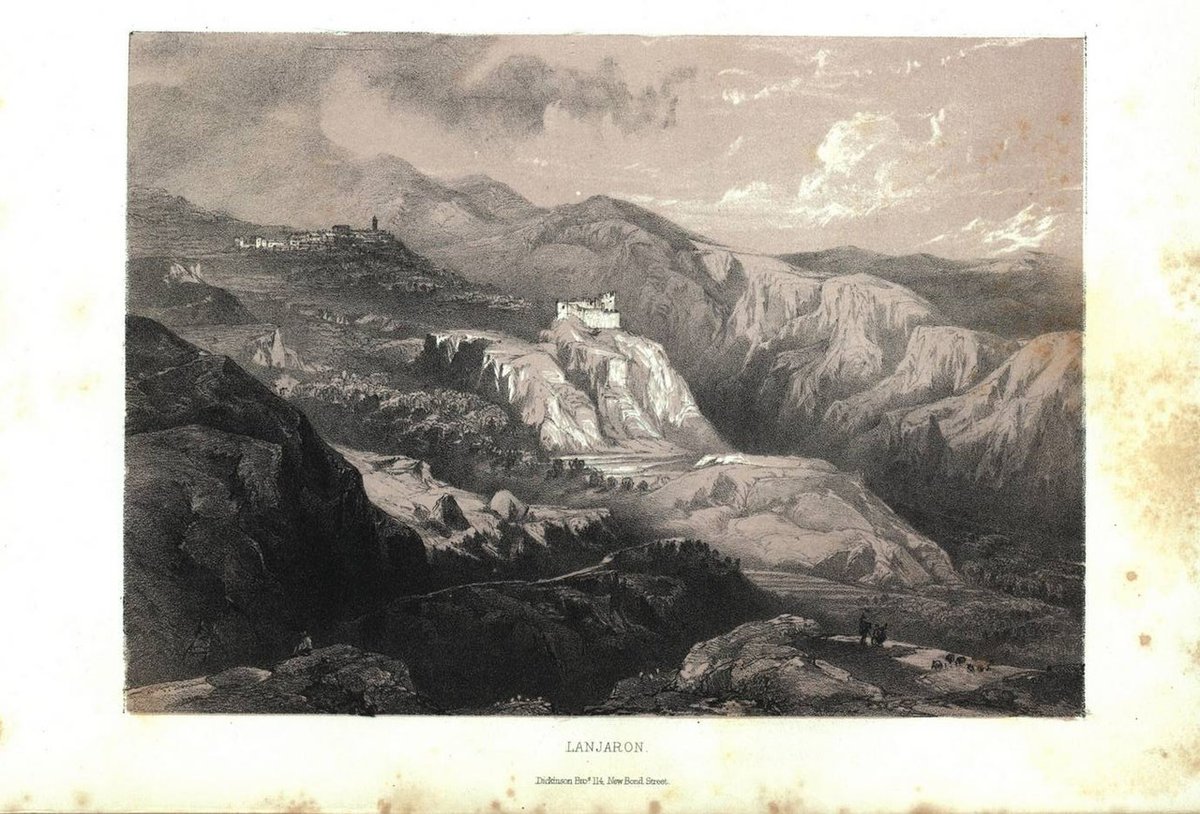
No bus has served Nevada since 2022. From Granada airport (two hours north by motorway) you need wheels: take the A-44 to Motril, peel off at Lanjarón, then follow the A-348 and A-337 east until the sign for Laroles. The final 24 kilometres coil like a dropped fusilli, guardrails optional, and meeting a delivery lorry in a hairpin requires reverse courage. Fill the tank in Ugíjar – the last petrol is behind a tyre workshop that only takes cash – and brace for 40 minutes of second-gear curves. Snow chains live in boots here for a reason.
Those without a car can taxi from Ugíjar for €35, but you’ll need the driver’s WhatsApp; better, book a transfer from Granada (about €90) or walk in from the Ragua pass on the GR-7, packs light and water heavy. Departure works the same way: the village ambulance doubles as the Friday-morning lift to the health centre in Ugíjar if you ask nicely.
Worth It?
Nevada will not hand you souvenir tea-towels or flamenco shows; it offers instead the sound of wind in esparto grass and night skies so dark you’ll reinvent the constellations. Come prepared – with fuel, food and a Spanish phrasebook – and the Sierra’s back door stays open, snow permitting. Arrive assuming someone else will sort dinner and you may spend the evening eating boiled fennel and wondering why the chemist never re-opens.